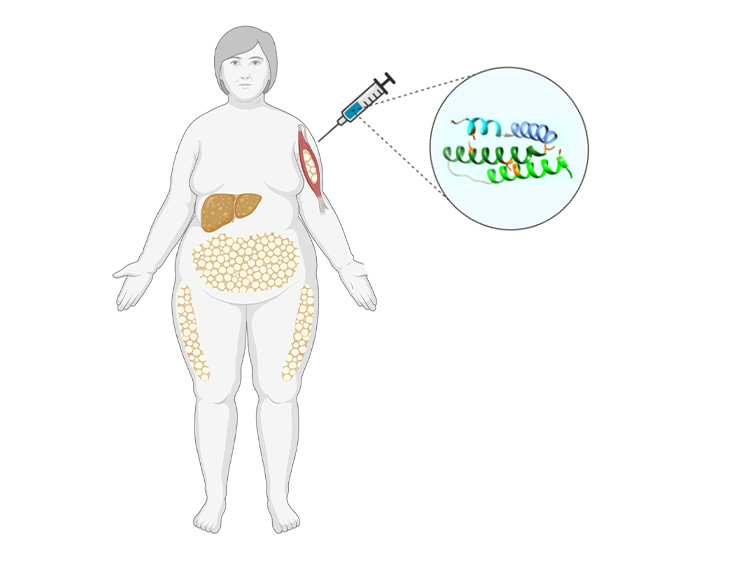
Obesity and related diseases, such as Metabolic Dysfunction-Associated Steatotic Liver Disease, are a major global health crisis and are closely associated with cardiovascular risk. Current treatments are not sufficient, and we urgently need new drugs. This research focuses on a protein called Neuritin 1 (NRN1), which is a key regulator of brown fat metabolism. Brown fat burns calories, increasing energy use and reducing body fat. Our initial studies found that NRN1 reduces fat in mice fed a high-fat diet, showing its potential as a drug.
The NEURIMET project will test these findings in humans and seek to understand exactly how NRN1 works. It is expected to develop a superior variant of NRN1 into a powerful treatment for human metabolic disorders.
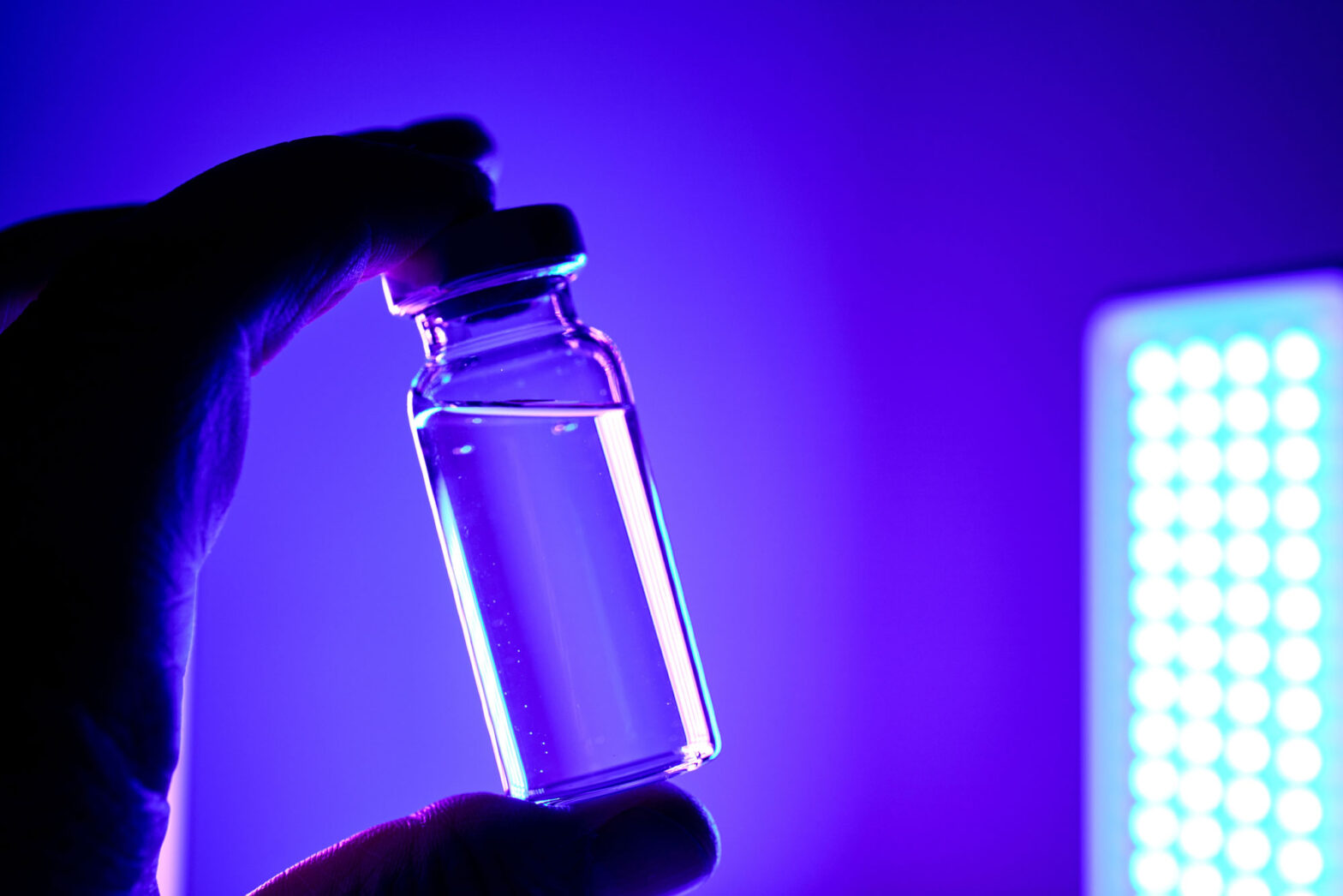
Despite advances in reperfusion therapies, a high percentage of people who suffer a myocardial infarction develop extensive cardiac damage that compromises long-term heart function. This project proposes the use of light-controlled drugs, administered intracardially during primary angioplasty and activated at the desired time. This approach enables precise spatial and temporal control of pharmacological activity, reducing tissue damage and the risk of heart failure and arrhythmias. The aim of the project is to develop a drug that improves the prognosis of patients with myocardial infarction and, consequently, their quality of life, reduces healthcare costs, and paves the way for new therapeutic applications in other pathologies.
Cells continuously adapt to their environment through complex internal communication systems. In the heart, certain receptors are essential for maintaining balanced activity, and when they fail, cardiovascular diseases can develop. However, a complete understanding of how their cellular localization influences these processes is still lacking. In the CardioLight project, we address this question by developing innovative molecules that can be controlled with light, enabling the activation or deactivation of cellular activity with high precision. This strategy opens the possibility of modulating cardiac function in a selective and reversible manner. As we provide new insights into these mechanisms in living systems, we will lay the groundwork for safer and more effective therapies.
Manage Cookie Consent
To provide the best experiences, we use technologies like cookies to store and/or access device information. Consenting to these technologies will allow us to process data such as browsing behavior or unique IDs on this site. Not consenting or withdrawing consent, may adversely affect certain features and functions.
Functional
Always active
The technical storage or access is strictly necessary for the legitimate purpose of enabling the use of a specific service explicitly requested by the subscriber or user, or for the sole purpose of carrying out the transmission of a communication over an electronic communications network.
Preferences
The technical storage or access is necessary for the legitimate purpose of storing preferences that are not requested by the subscriber or user.
Statistics
Storage or technical access that is used exclusively for statistical purposes.The technical storage or access that is used exclusively for anonymous statistical purposes. Without a subpoena, voluntary compliance on the part of your Internet Service Provider, or additional records from a third party, information stored or retrieved for this purpose alone cannot usually be used to identify you.
Marketing
The technical storage or access is required to create user profiles to send advertising, or to track the user on a website or across several websites for similar marketing purposes.