Miriam Royo obtained her PhD in Chemistry from the Universitat de Barcelona in 1994. Subsequently, she carried out a postdoctoral stay at the Division of Bone and Mineral Metabolism of the Beth Israel Deaconess Medical Center–Harvard Medical School in Boston, USA (1994–1996), before returning to the University of Barcelona (1997–2001) as a postdoctoral researcher. In 2002 she obtained a Ramón y Cajal contract to work at the Barcelona Science Park as principal investigator (PI) and director of the Combinatorial Chemistry Unit (UQC-PCB), where she began her independent research career.
In July 2018 she joined The Institute for Advanced Chemistry of Catalonia (IQAC-CSIC) as a research scientist, where she currently leads the “Multivalent Systems for Nanomedicine” (MS4N) group. Dr. Royo’s research focuses on the development of multivalent chemical tools and the study of their potential applications in therapies for cancer, neurological diseases, and rare diseases. She is also an expert in peptide synthesis and conjugation, as well as in the targeting of peptides to various nanostructures.
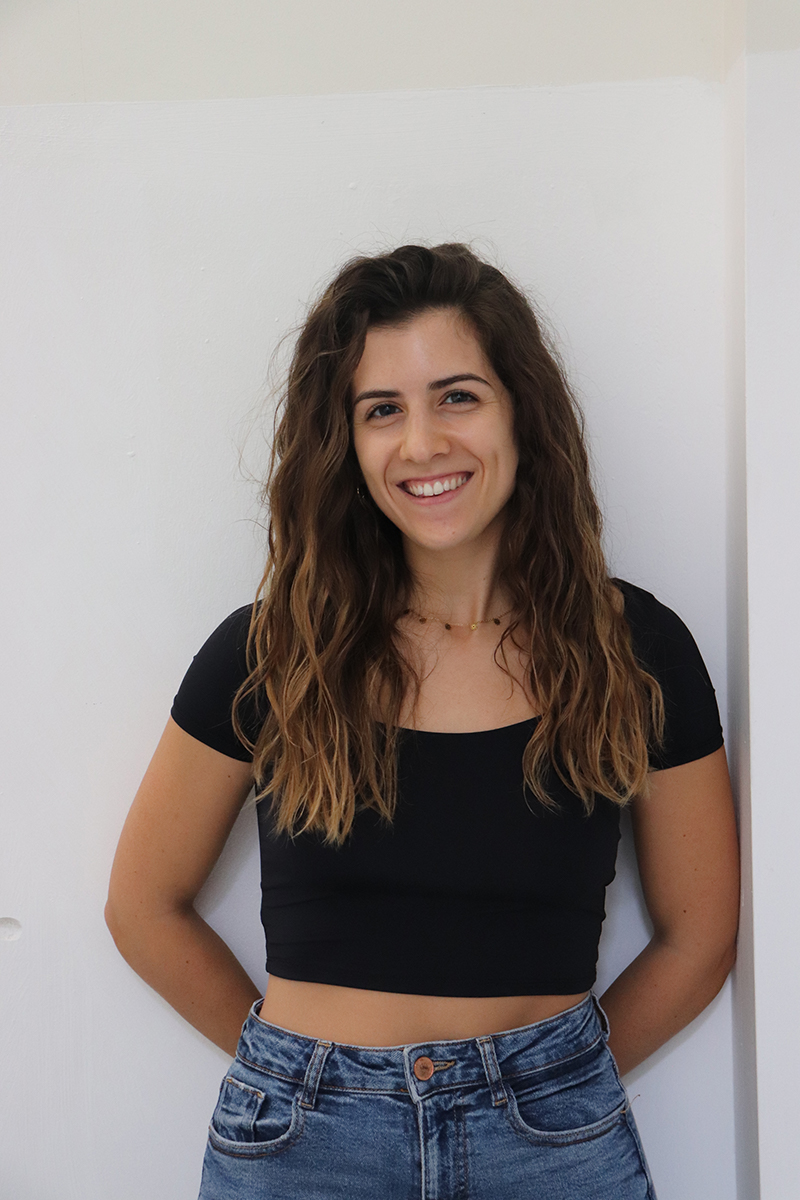
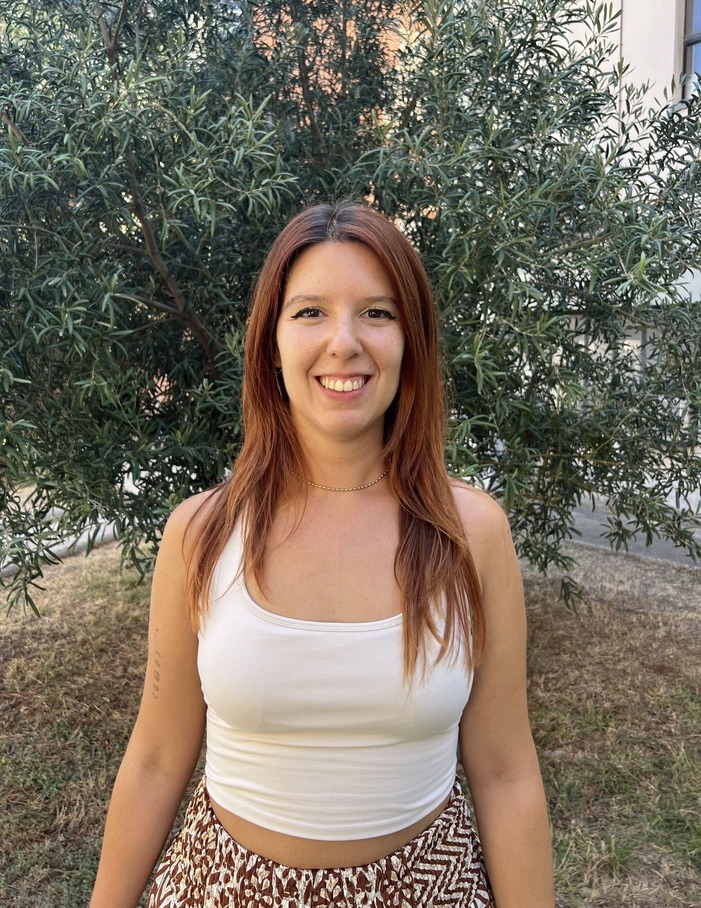
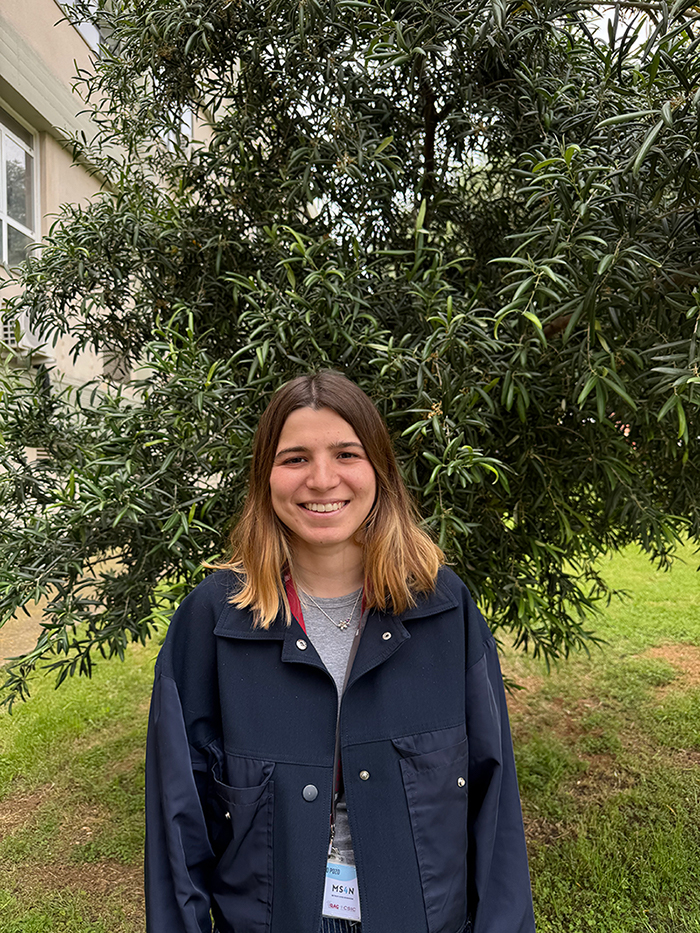
I studied Nanoscience and Nanotechnology, followed by a Master’s degree in Drug Research, Development, and Control. I am currently pursuing a PhD in Organic Chemistry, focused on the development, synthesis, and characterization of drug delivery systems for the treatment of breast and colon cancer.
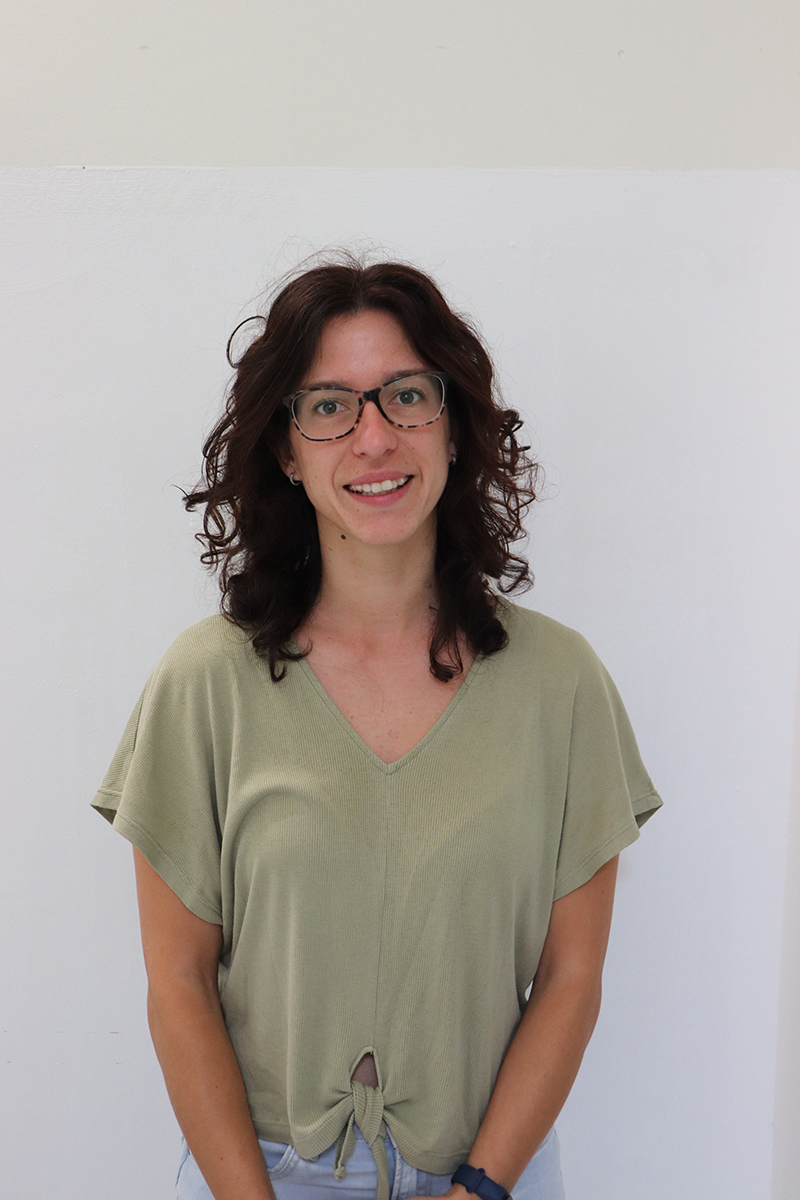
Marina Pérez-Palau is a postdoctoral researcher in the Multivalent Systems for Nanomedicine group. She studied Chemistry at the University of Barcelona (UB) and completed her studies with an industrial placement in Medicinal Chemistry at GlaxoSmithKline (Stevenage, United Kingdom).
Subsequently, she pursued a master’s degree in Organic Chemistry at UB under the supervision of Fèlix Urpí and Pedro Romea. She remained in the same research group to carry out her doctoral studies, focused on the development of new radical reactions.
After completing her doctorate, she joined the Multivalent Systems for Nanomedicine group to conduct postdoctoral research alongside Miriam Royo.
Currently, her research, funded by a Juan de la Cierva fellowship, focuses on the development of mono- and bivalent ligands targeting GPCRs for the treatment of movement disorders.
Marta López Corrales is a postdoctoral researcher in the Multivalent Systems for Nanomedicine group. She studied Chemistry at the University of Barcelona (UB) and subsequently completed a Master’s degree in Organic Chemistry at the UB under the supervision of Vicente Marchán. She remained in the same research group to pursue her PhD studies, which focused on the development of novel visible-light photoactivatable therapeutic tools based on COUPY coumarins for cancer treatment.
After completing her phD, she joined the Multivalent Systems for Nanomedicine group to conduct postdoctoral research alongside Miriam Royo.
Currently, her research focuses on the development of targeted nanosystems based on self-assembled multivalent drug-OEG conjugates, as well as the encapsulation of drugs in targeted Soluplus hybrid polymeric micelles.
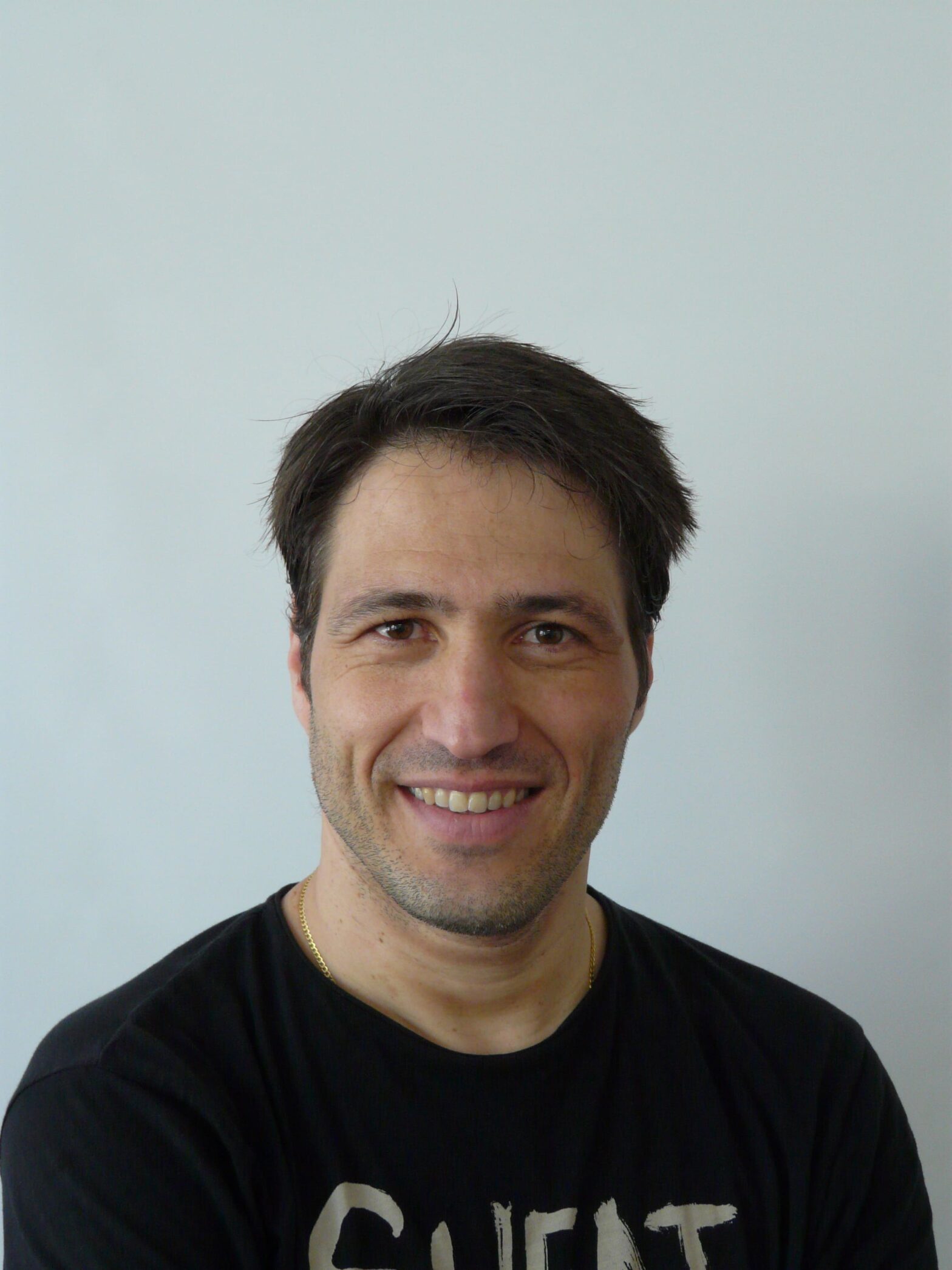
BSc in Chemistry (2001, UB) and PhD in Organic Chemistry (2007, UB) in the field of synthesis and applications of oligonucleotides and peptides. After my PhD, I joined CIBER-BBN, first as a postdoctoral researcher and later as an associate researcher (2007-2023). During this period, I completed two short research stays at the University of Tartu (Estonia), where I learned phage display techniques for the discovery of new peptide ligands. Since 2023, I have been a Tenured Scientist at IQAC-CSIC and a member of the “Multivalent Systems for Nanomedicine (MS4N)” group.
My research interests focus on the design and synthesis of new biocompatible multivalent/multimodal chemical platforms, such as dendrimers, polymers, micelles, and lipid nanovesicles, and the study of their applications in biomedicine. My main lines of research include: 1) development of drug delivery systems for the treatment of pathologies such as cancer (colorectal, breast, and glioblastoma) or lysosomal diseases (rare diseases such as Fabry or Pompe), 2) development of chemical tools to study G protein-coupled receptors and their application as therapeutic agents in movement-related diseases, and 3) development of targeting units (peptides, small molecules) or vectors to promote the accumulation of therapeutic delivery systems in specific cells, tissues, or organs.
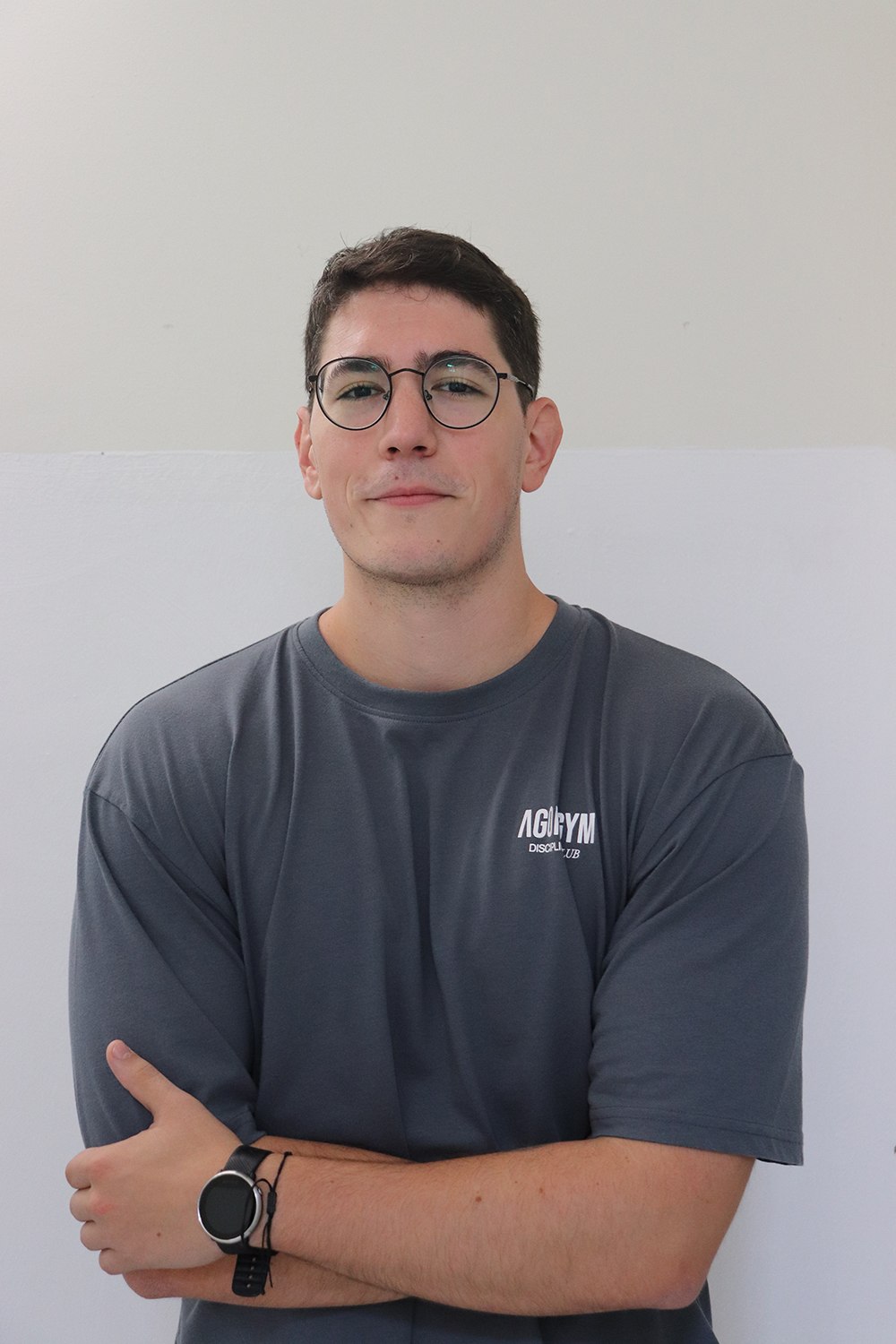
I hold a degree in Biotechnology and a master’s degree in Molecular Biotechnology. My work focuses on peptide synthesis and polymer modification to achieve peptide-polymer conjugation, with the aim of formulating targeted nanoparticles for biotechnological applications.
Manage Cookie Consent
To provide the best experiences, we use technologies like cookies to store and/or access device information. Consenting to these technologies will allow us to process data such as browsing behavior or unique IDs on this site. Not consenting or withdrawing consent, may adversely affect certain features and functions.
Functional
Always active
The technical storage or access is strictly necessary for the legitimate purpose of enabling the use of a specific service explicitly requested by the subscriber or user, or for the sole purpose of carrying out the transmission of a communication over an electronic communications network.
Preferences
The technical storage or access is necessary for the legitimate purpose of storing preferences that are not requested by the subscriber or user.
Statistics
Storage or technical access that is used exclusively for statistical purposes.The technical storage or access that is used exclusively for anonymous statistical purposes. Without a subpoena, voluntary compliance on the part of your Internet Service Provider, or additional records from a third party, information stored or retrieved for this purpose alone cannot usually be used to identify you.
Marketing
The technical storage or access is required to create user profiles to send advertising, or to track the user on a website or across several websites for similar marketing purposes.