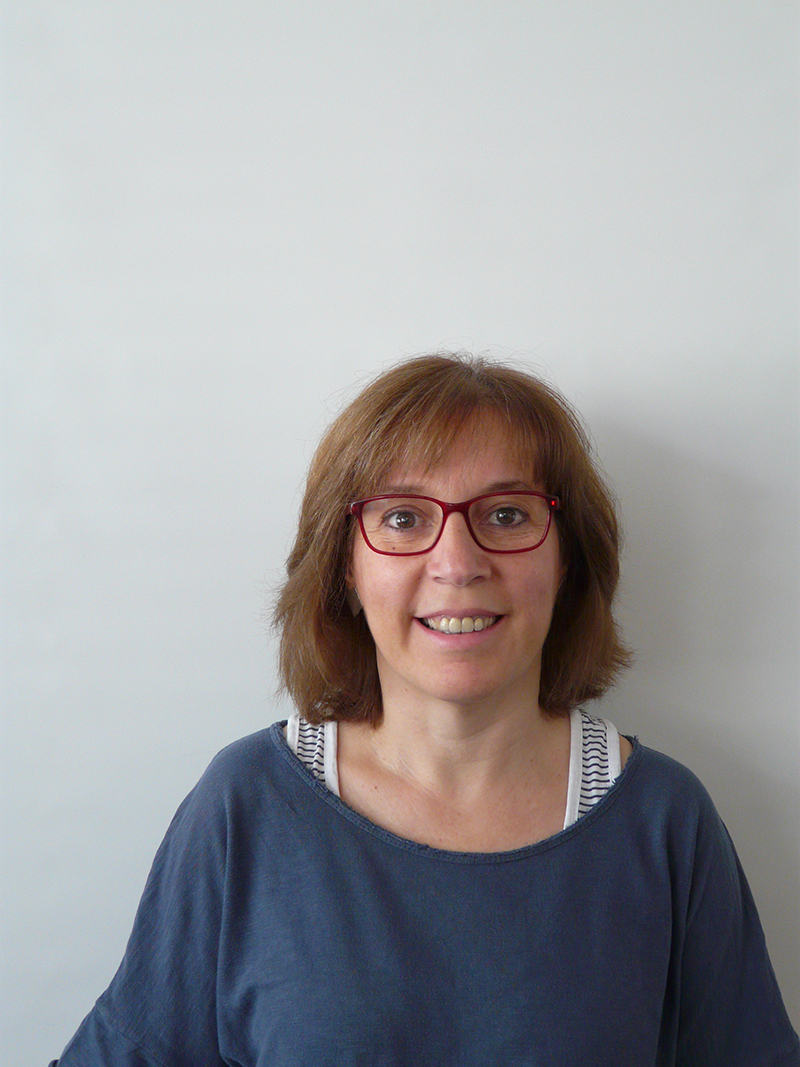
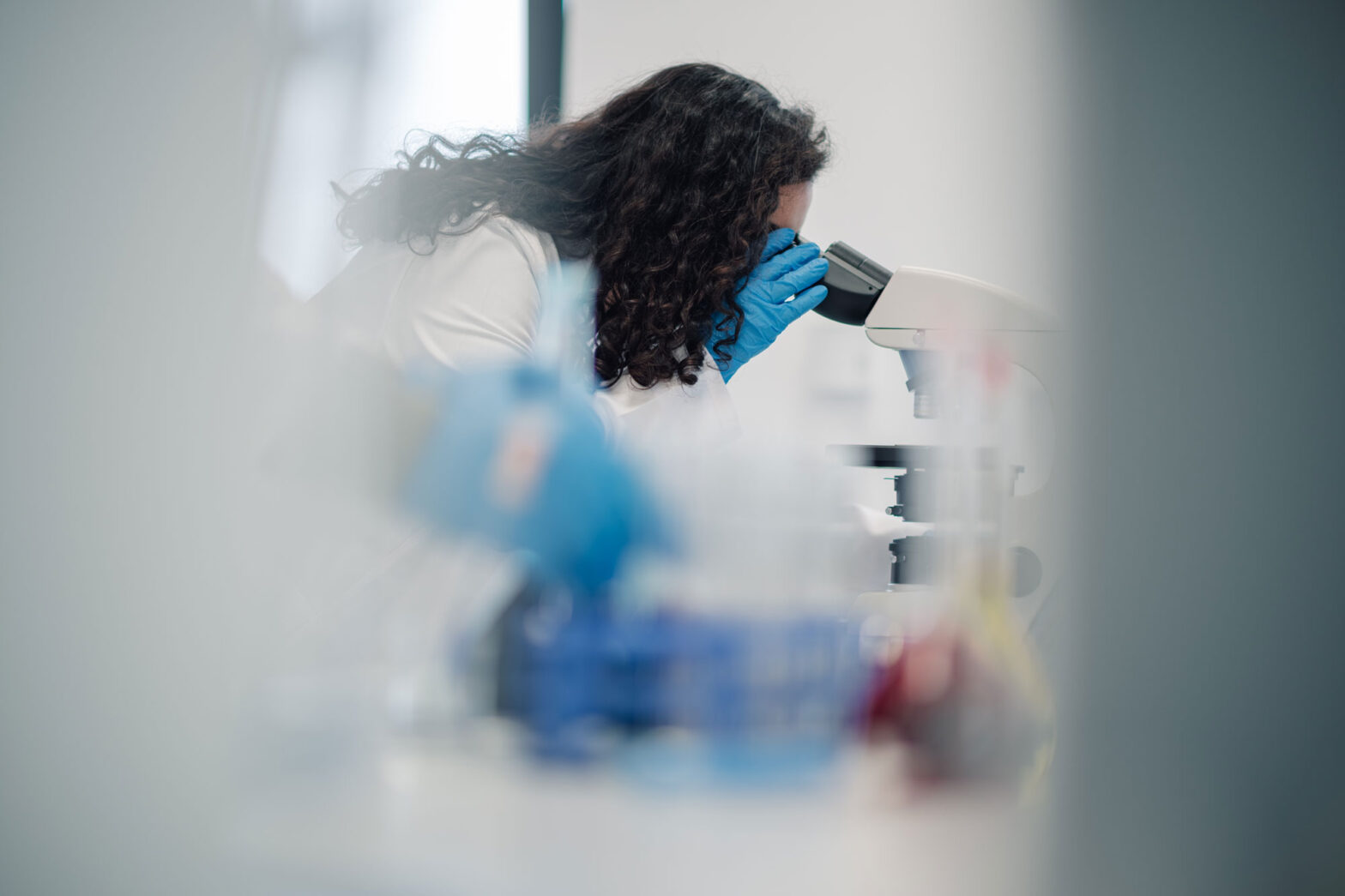
Lluïsa Vilaplana holds a PhD in Biological Sciences from the University of Barcelona. She is currently a researcher in the Nanobiotechnology for Diagnostics (Nb4D) group at IQAC-CSIC.
Her scientific career began in the field of insect endocrinology and development. She subsequently carried out two postdoctoral research stays at Imperial College London and the Centre for Ecology and Hydrology (CEH-NERC, Oxford), where she worked on baculoviruses, their use as expression vectors, and their application in biological control. Upon returning to Barcelona through competitive programs funded by the Government of Catalonia and CSIC, she continued her research at IBMB-CSIC, where, using molecular and cellular biology techniques, she generated and characterized recombinant baculoviruses for pest control purposes and investigated cell death mechanisms associated with insect metamorphosis. She later joined CRAG, where she focused on the study of plant virus transmission by insect vectors.
Since joining IQAC-CSIC, her research has been oriented towards biomedicine and infectious diseases. In this context, she has promoted a research line focused on the treatment of bacterial infections through the use of antibodies directed against molecules involved in bacterial cell-to-cell communication, with a particular interest in Pseudomonas aeruginosa. This approach aims to interfere with virulence processes associated with infection and responds to the need for new therapeutic strategies to address the growing problem of antibiotic resistance. Her scientific career includes the authorship of 40 scientific publications, 39 contributions to national and international conferences, and technology transfer activities, including serving as Principal Investigator of a CaixaImpulse project and co-authoring a patent and a trade secret.
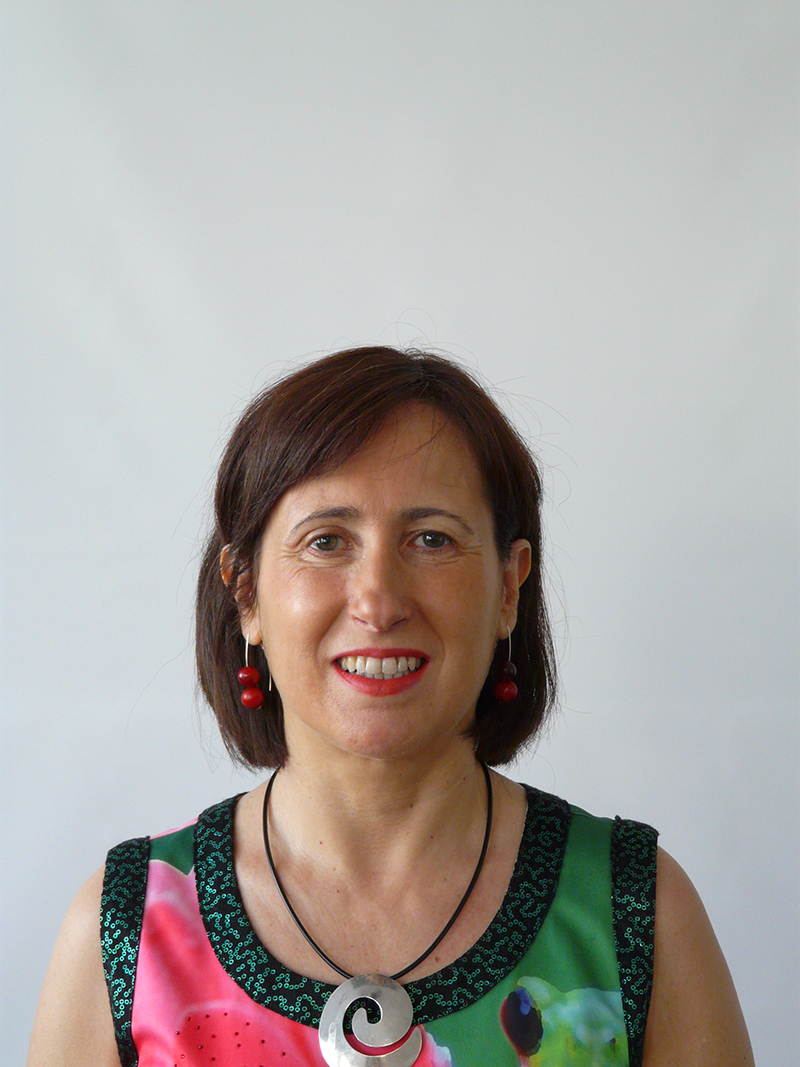
CSIC Research Professor and Scientific Director of CIBER-BBN and the Custom Antibody Service (CAbS), a facility of the ICTS NANBIOSIS. As head of the Nanobiotechnology for Diagnostics (Nb4D) group, she coordinates a multidisciplinary research team whose scientific activity is focused on developing a new generation of diagnostic approaches based on the integration of custom-designed bioreceptors with innovative micro(nano)structures and/or optical or electrochemical transducers. Her scientific activity is guided by the vision of a future where diagnostics are based on personalized molecular fingerprints, which poses significant technological challenges. She is currently interested in developing innovative diagnostic approaches for infectious diseases with an original perspective in which cellular communication becomes the primary focus.
She has co-authored nearly 250 scientific articles, registered 15 patents—some of which are licensed—and has several active exploitation contracts. Most of her research is conducted within the context of international collaborations with renowned research institutions, companies, and other stakeholders.
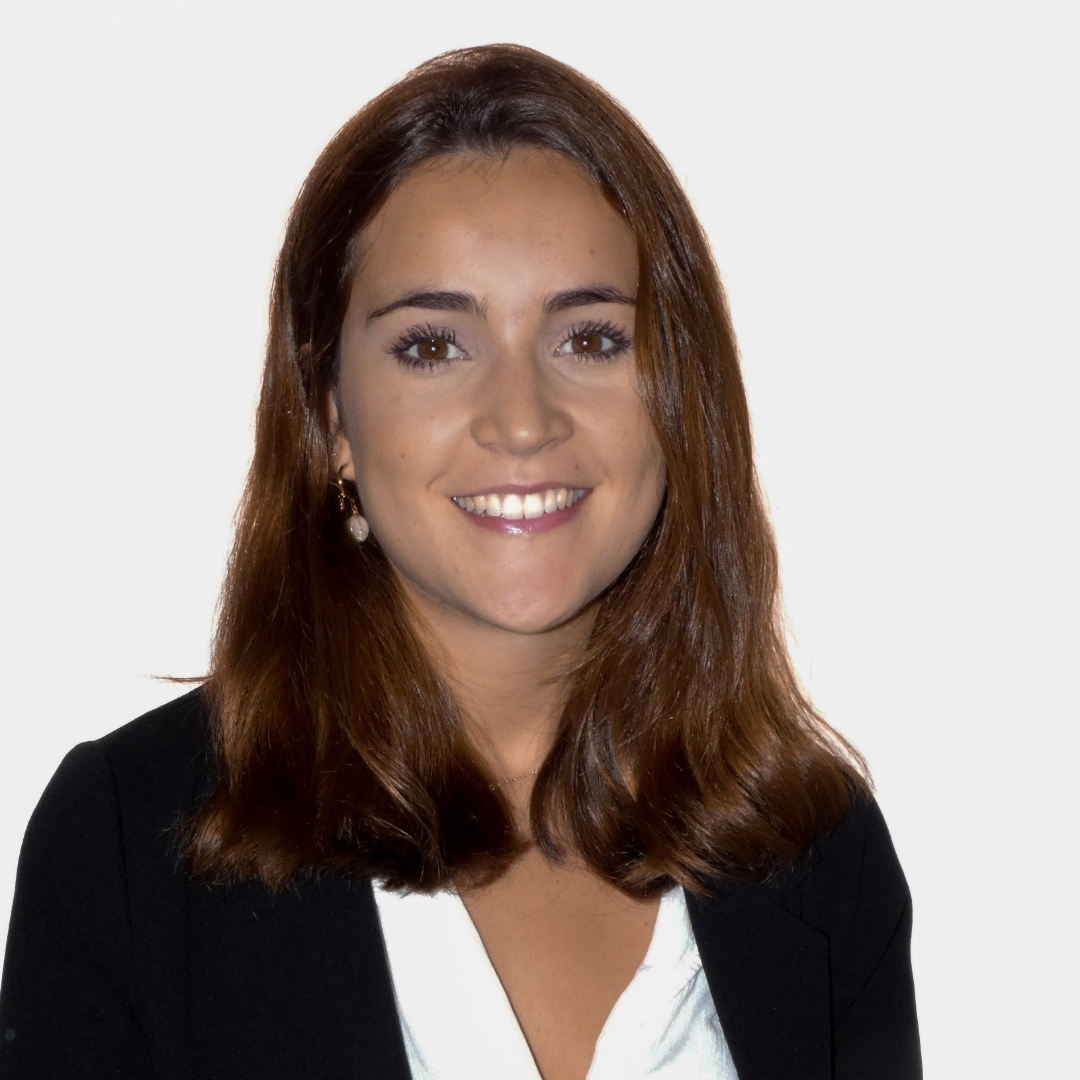
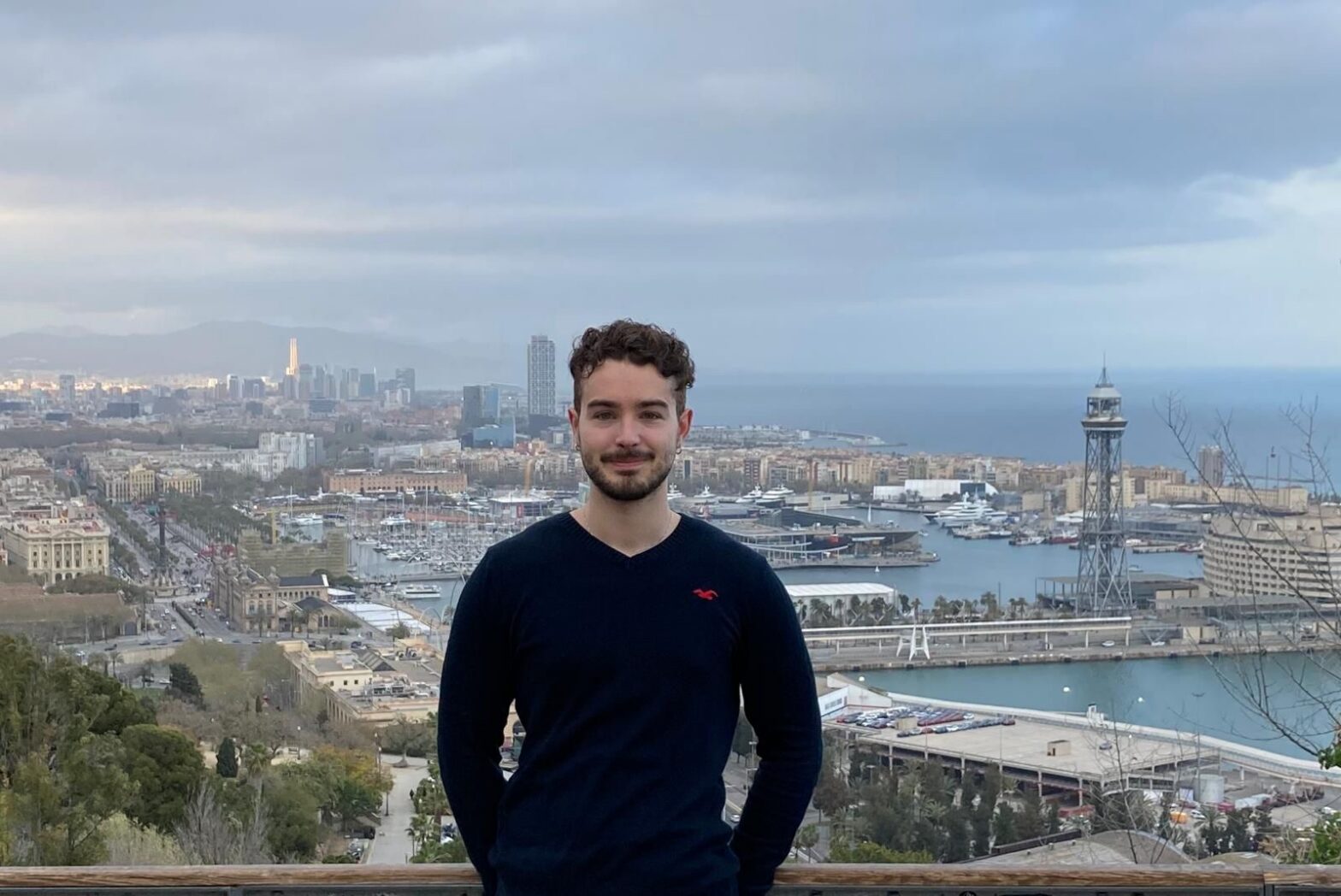
I am a predoctoral researcher at IQAC-CSIC and a member of the Nb4D group, where my work focuses on the development of immunochemical techniques for the detection of Quorum sensing molecules in Staphylococcus aureus.
During my degree in Biochemistry at the University of Barcelona (UB), I completed a six-month stay at the University of Gothenburg, in the Department of Chemistry and Molecular Biology, strengthening my experience in drug development, as well as an international stay at the Autonomous University of Nuevo León, participating in a biomedical and genetic research project.
Subsequently, I completed a master’s degree in Nanoscience and Nanotechnology at UB, deepening my study of nanomaterial applications in biotechnology. Throughout my doctorate, I have acquired experience in antibody production, ELISA development and conjugation techniques. In addition, I have received training in intellectual property, including a three-month course taught by the European Patent Office (EPO) on types of intellectual property and pre- and post-application processes, and I have actively participated in the drafting of a patent related to my research.
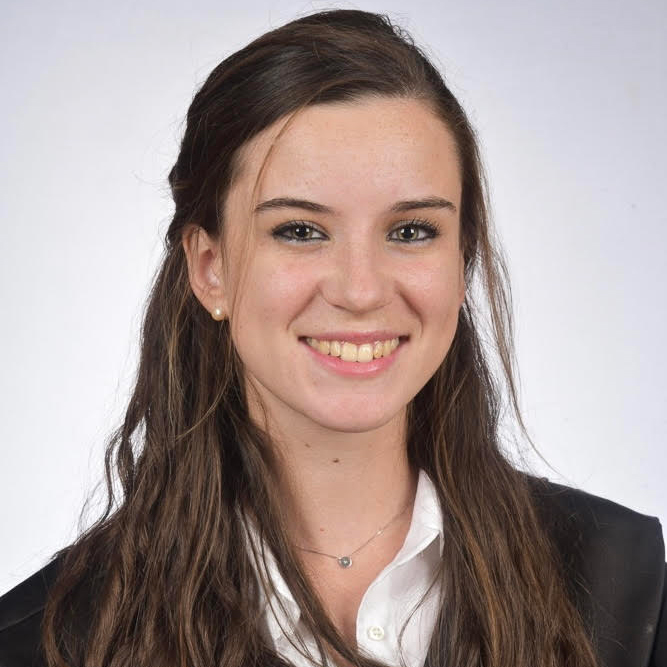
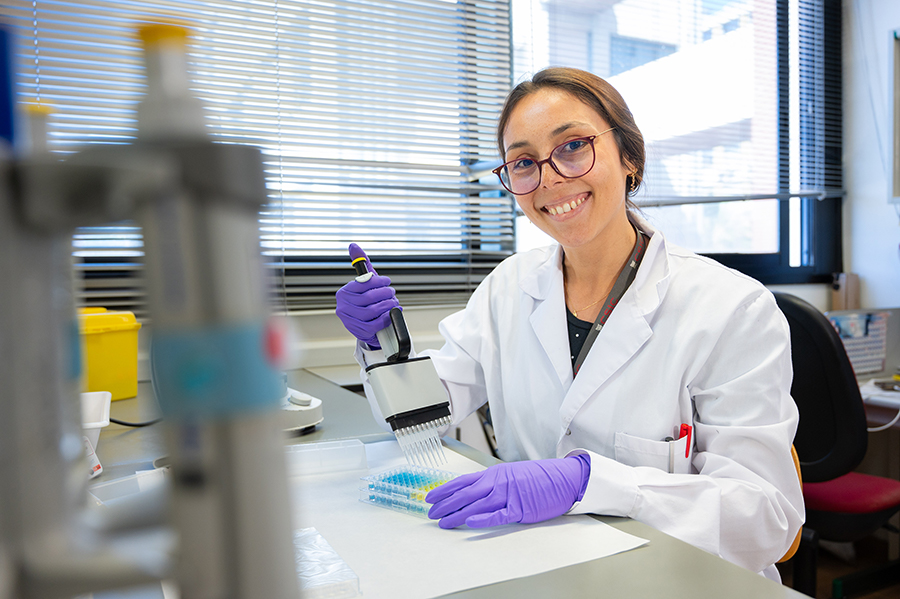
Biomedical scientist with a Master’s degree in Pharmacology. PhD candidate in Biotechnology. She researches new immunochemical methods based on Quorum sensing with the aim of improving the diagnosis of Pseudomonas aeruginosa infections.
With a degree in Pharmacy and a Master’s in Molecular Biotechnology, I have developed a solid multidisciplinary background combining organic chemistry, molecular biology, and clinical research. My laboratory experience includes extensive work in chemistry during my undergraduate and master’s theses, as well as a stay at the Faculty of Pharmacy at the Universität Bonn (Germany), where I developed a mutagenic cell line using molecular biology techniques.
After completing my studies, I worked in several Clinical Trial Units, including those at Vall d’Hebron and Clínic hospitals in Barcelona. During the COVID-19 pandemic, I worked at Cruces University Hospital, the largest hospital in the Basque Country, first as a clinical trial pharmacist and later as a Clinical Research Associate (CRA), ensuring the correct execution of studies in accordance with Good Clinical Practices (GCP) and ethical standards.
Additionally, I gained project management experience by participating in the implementation of the CSIC Chemical Library at the Institute for Advanced Chemistry of Catalonia (IQAC-CSIC) and working as a technician in the SIMChem group on industrial projects, before starting my PhD in Biotechnology in the Nanobiotechnology for Diagnostics (Nb4D) group.
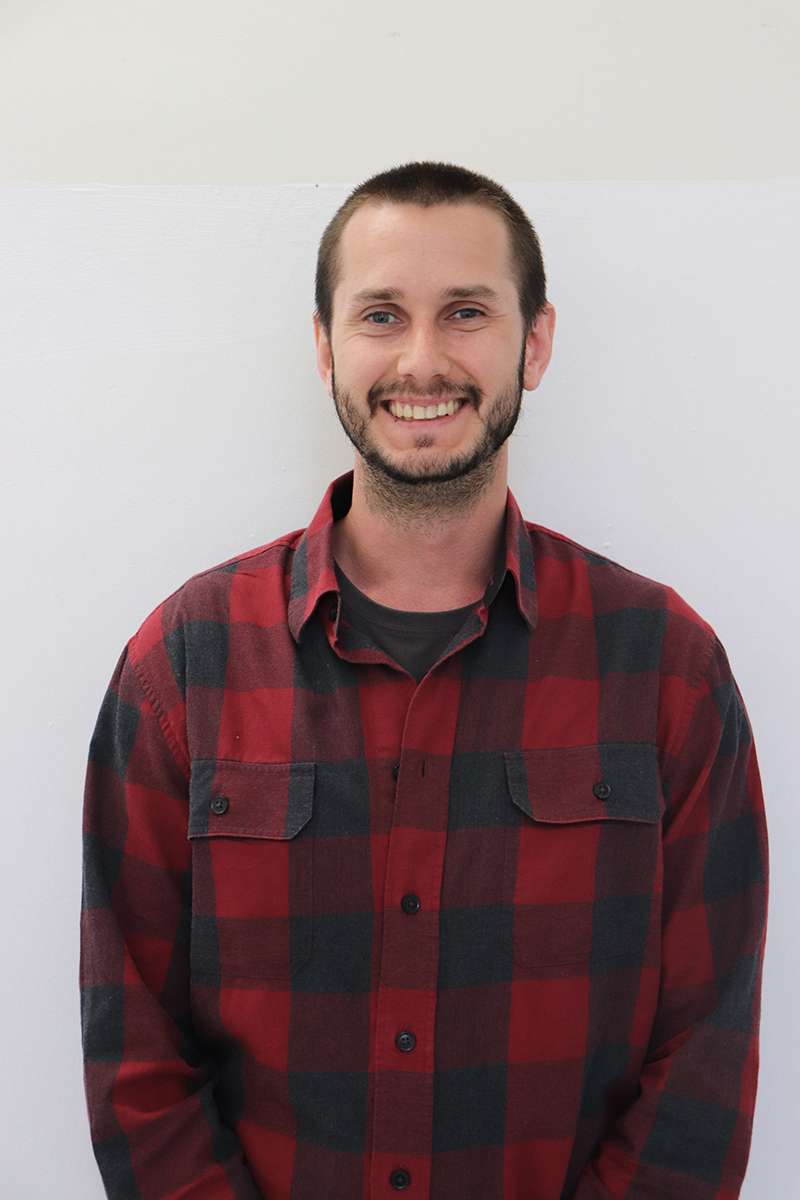
I am a predoctoral researcher at IQAC-CSIC, where I am pursuing my PhD in computational biochemistry within the Computational and Theoretical Chemistry group. Supported by an FPU grant, my research focuses on the design of nanobodies for the detection and binding of small molecules, in collaboration with the Nb4D group.
I hold a degree in Chemistry and a Master’s in Computational Modeling and Theoretical Chemistry, both from the University of Barcelona. Throughout my studies, I developed a strong passion for programming and computational methods. Currently, my main interest is to improve and develop computational techniques for nanobody design, with the aim of expanding their applications in various fields.
Among other tools, I use deep learning techniques for design, structural prediction, and docking, as well as molecular dynamics simulations. I am also expanding my training in machine learning and artificial intelligence to enhance my research.
To provide the best experiences, we use technologies like cookies to store and/or access device information. Consenting to these technologies will allow us to process data such as browsing behavior or unique IDs on this site. Not consenting or withdrawing consent, may adversely affect certain features and functions.
Functional
Always active
The technical storage or access is strictly necessary for the legitimate purpose of enabling the use of a specific service explicitly requested by the subscriber or user, or for the sole purpose of carrying out the transmission of a communication over an electronic communications network.
Preferences
The technical storage or access is necessary for the legitimate purpose of storing preferences that are not requested by the subscriber or user.
Statistics
Storage or technical access that is used exclusively for statistical purposes.The technical storage or access that is used exclusively for anonymous statistical purposes. Without a subpoena, voluntary compliance on the part of your Internet Service Provider, or additional records from a third party, information stored or retrieved for this purpose alone cannot usually be used to identify you.
Marketing
The technical storage or access is required to create user profiles to send advertising, or to track the user on a website or across several websites for similar marketing purposes.