


Ignacio Alfonso was initially trained as an organic chemist at the University of Oviedo in Spain (PhD in 1999). He has worked at prestigious institutions in France (University of Strasbourg, short stay in 1997) and in the United States (The Scripps Research Institute, postdoctoral fellowship between 2000 and 2002). After being selected for the prestigious Ramón y Cajal contract (2004) at the Universitat Jaume I in Castellón, in 2007 he obtained a permanent position at IQAC-CSIC in Barcelona, where he created the Supramolecular Chemistry Group, which he has directed since then. His research interests include supramolecular chemistry, chemical biology, complex dynamic chemical systems and, in general, all aspects related to the molecular recognition of biorelevant species and their biomedical applications.
Grupo de investigación Archives
Marco Segura
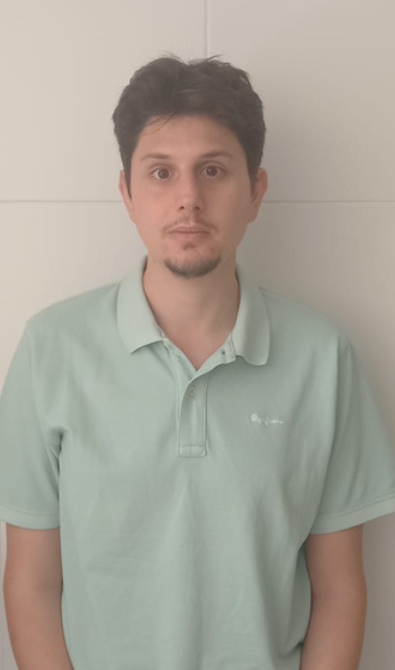
My name is Marco Segura Andreu, I hold a degree in chemistry from the University of Valencia and a master’s degree in nanoscience from the University of Groningen. I am pursuing my doctoral studies in the SUPRAM group, under the supervision of Dr. Jordi Solà. I research supramolecular boxes and their biological applications.
Tushar Bhosale
Wilson Perugachi
Mónica Martínez Orts
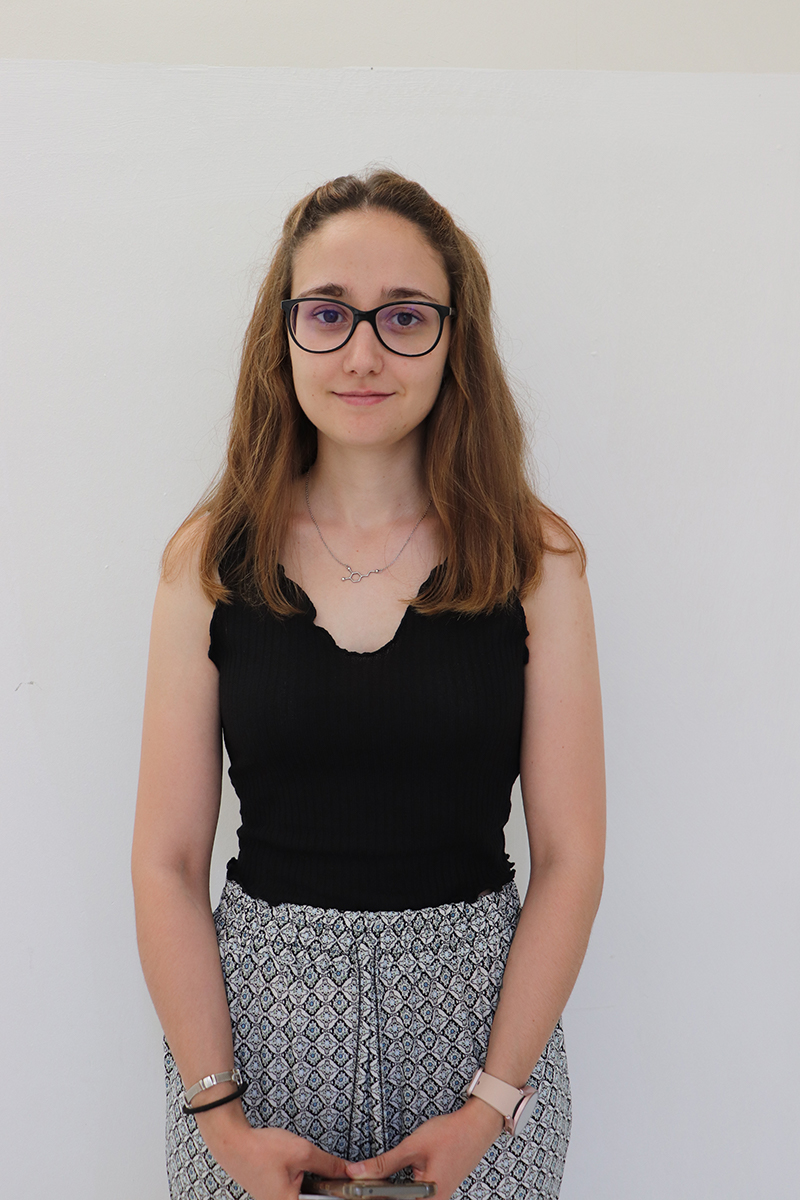
Dr Mónica Martínez obtained her degree in Chemistry (2015) and her Master’s in Drug Discovery (2016) at the University of Alcalá. During her predoctoral training, she joined the Laser Processing group at the CSIC Institute of Optics, where she contributed to the synthesis and characterisation of nanomaterials by pulsed laser ablation in liquids.
In 2022, she obtained her PhD in Organic Chemistry from the Complutense University of Madrid. Her doctoral research focused on advanced Nuclear Magnetic Resonance techniques and their applications in the study of protein–carbohydrate interactions, with important implications in cancer and Alzheimer’s disease. Driven by her passion for expanding scientific knowledge and contributing to research into human diseases, she continued her scientific career.
Thus, in 2023 she joined the Supramolecular Chemistry Group at IQAC-CSIC, where she works on the design and synthesis of supramolecular nanomaterials with promising applications in drug delivery. As part of her research, she is gaining experience in supramolecular fibres and polymeric nanoparticles. Her work also involves the application of standard and super-resolution microscopy techniques, which are essential for the evaluation and characterisation of these potential nanomaterials.
Daniel Carbajo López
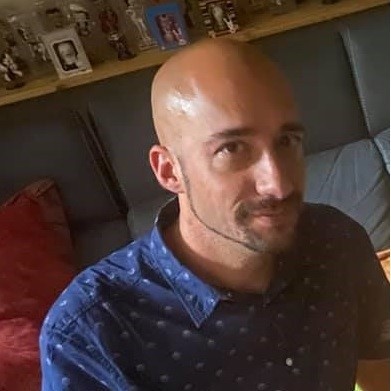
Postdoctoral researcher with an interest in research where the concepts and tools of chemistry and biology interact synergistically to achieve new discoveries and technologies. My scientific career has followed a multidisciplinary path that began with a PhD in Chemistry from the University of Barcelona, based on the study of peptides with drug-release properties.
I subsequently joined the Institute for Research in Biomedicine (IRB Barcelona), where I worked on the development of industrial synthetic routes for the scalable production of high value-added biological molecules.
Later, I began a period as a postdoctoral researcher at the Institut Européen de Chimie et Biologie, working in the field of foldamers and supramolecular chemistry, generating DNA mimetics based on pseudopeptidic backbones.
With the aim of deepening my expertise in Biological Chemistry, I joined the University of Dundee, where my main project involved developing a method to determine the activity of deubiquitinating enzymes using MALDI-TOF.
Since 2017, I have been working in the Supramolecular Chemistry group at IQAC-CSIC. There, I have focused mainly on applying Dynamic Combinatorial Chemistry to identify biologically relevant ligands in complex structures, pioneering its use in both glycosaminoglycans and the extracellular matrix of living cells.
Silvia Pujals Riatos
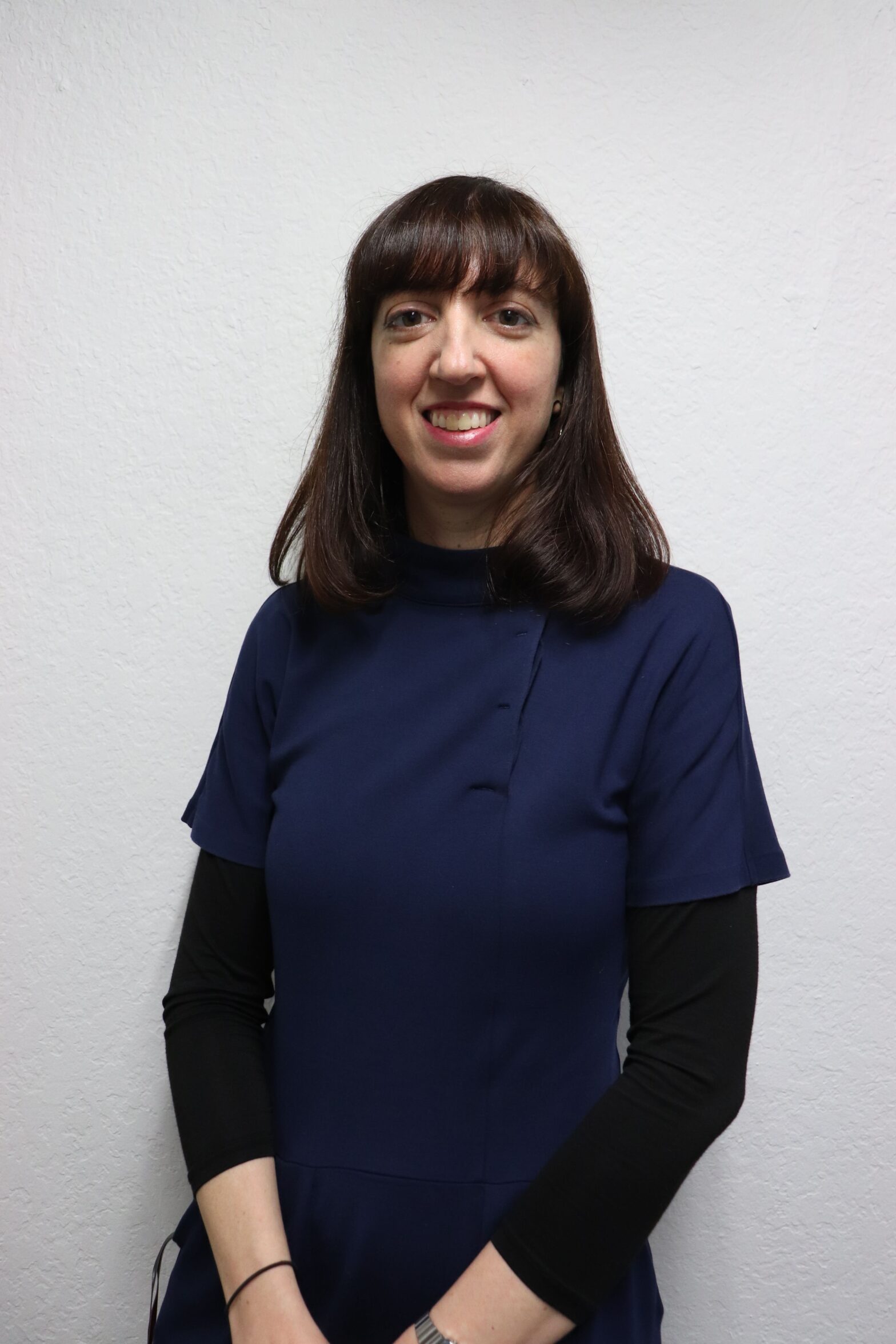
Dr. Pujals is a Tenured Researcher at the Institute for Advanced Chemistry of Catalonia (IQAC-CSIC). She obtained her PhD in Organic Chemistry from the University of Barcelona (UB) in the field of cell-penetrating peptides. Following her doctorate, she moved to Kyoto University for a postdoctoral fellowship, where she focused on biophysics and electron microscopy. With expertise in drug delivery, peptide synthesis, and both optical and electron microscopy, Silvia’s scientific career has been dedicated to drug delivery systems and their study through various advanced microscopy techniques.
Her background in chemistry is essential for designing and synthesizing more efficient and selective drug delivery systems, and her training in microscopy is crucial for characterizing and evaluating them using both super-resolution microscopy and electron microscopy, as well as the combination of both (correlative approach).
Ciril Jimeno Mollet

I obtained my PhD in Chemistry from the University of Barcelona in 2001 under the supervision of Prof. Miquel A. Pericàs, working on asymmetric catalysis. Subsequently, I conducted postdoctoral studies at the University of Pennsylvania (Philadelphia, USA) with Prof. Patrick J. Walsh between 2001 and 2002, also working on asymmetric catalysis and synthesis. After returning to Spain, I joined Prof. Pericàs’s group as an associate researcher at the Institute of Chemical Research of Catalonia (ICIQ-Tarragona) between 2003 and 2010. There, I became co-director of 4 doctoral theses while developing research on reaction mechanisms of organometallic catalysts, as well as polymer-supported organocatalytic species and catalytic nanomaterials.
In 2008, I took a one-year leave of absence to complete a second postdoctoral stage at the Universität Bern (Bern, Switzerland), working on radical chain reactions for the synthesis of organic compounds with Prof. Philippe Renaud. My goal was to learn the possibilities of radical chemistry for asymmetric catalysis. Finally, in 2011, I joined The Institute for Advanced Chemistry of Catalonia (IQAC-CSIC) in Barcelona as a Ramón y Cajal researcher. Since 2017, I have been a Tenured Scientist at the same institution (Supramolecular Chemistry Group). At IQAC, I have supervised several doctoral theses and numerous Master’s and Bachelor’s final projects. Furthermore, I have been the principal investigator of two competitive projects funded by Mineco and co-principal investigator of several projects.
At IQAC, my research objectives have focused on the study of organocatalysts based on hydrogen bonding and self-assembly, with the aim of developing more efficient and sustainable processes and, more recently, on asymmetric metal-templated supramolecular cages with specific chiroptical properties.
Jordi Sola Oller
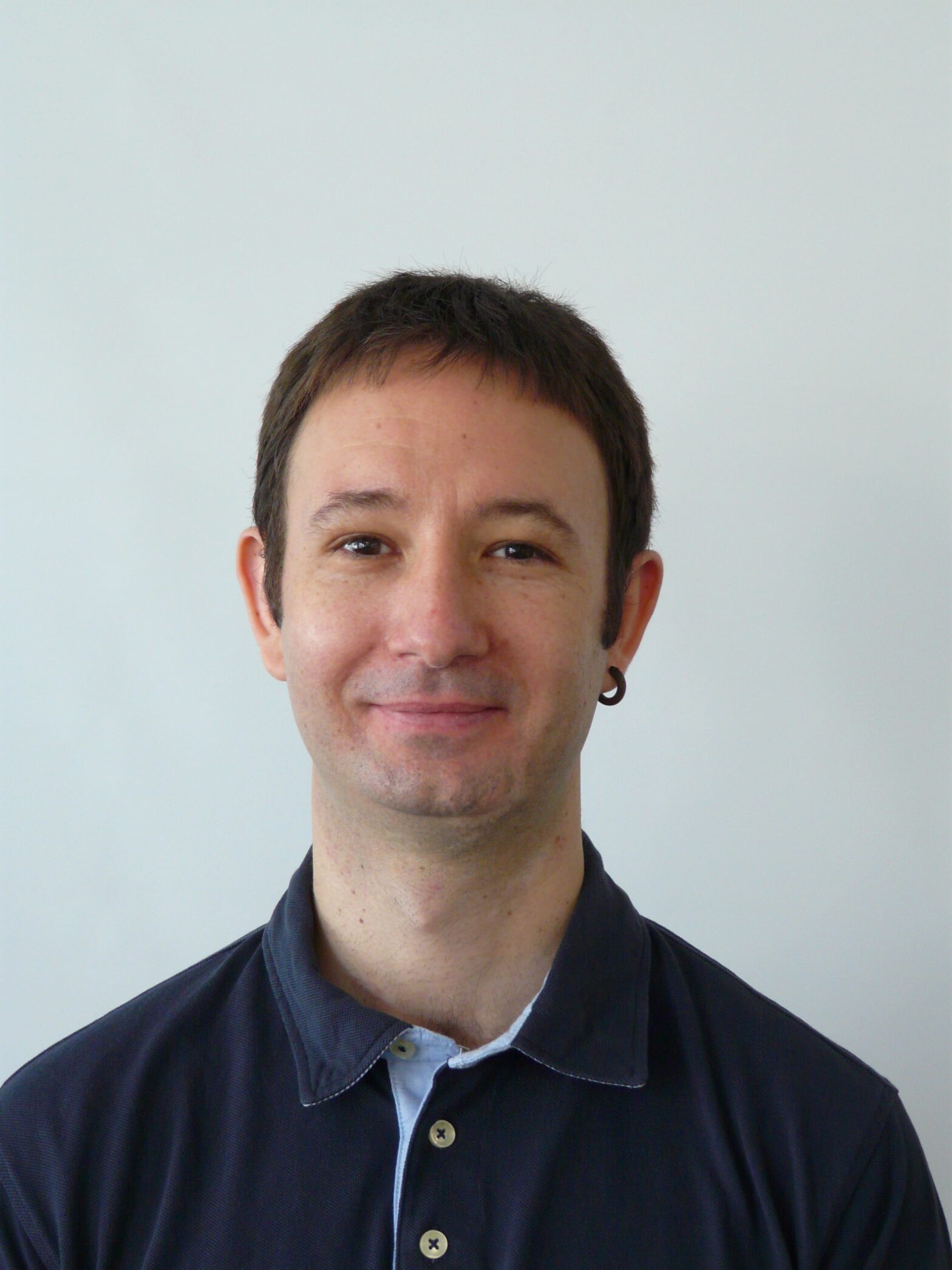
Jordi Solà obtained his PhD in Chemistry from the University of Barcelona in 2006, working on the Pauson-Khand reaction. After completing his doctorate, he moved to the United Kingdom, where he conducted postdoctoral studies. He first joined Prof. J. Clayden’s group (University of Manchester), where he studied methods for conformational control and chirality transfer using helical peptides as information transmitters. He later moved to Edinburgh with Prof. D. A. Leigh (University of Edinburgh) to work on the synthesis and operation of molecular motors and nanodevices.
In 2012, he received a Ramón y Cajal fellowship and joined the Institute for Advanced Chemistry of Catalonia as an independent researcher. Since 2017, he has been a Tenured Scientist at the same institute, which belongs to the CSIC. His research interests lie in the broad field of supramolecular chemistry, focusing on the interface with biological chemistry.
He currently focuses on the preparation of molecular cages for the recognition of biologically relevant molecules in aqueous systems with the aim of modulating biological processes. Other research interests include dynamic chemical systems and supramolecular catalysis.