UNLOCKING-QS addresses one of the main threats to health: antimicrobial resistance (AMR) linked to infectious diseases.
The lack of effective diagnostics is a key factor driving AMR, as broad-spectrum antibiotics are often prescribed without identifying the pathogen. This project proposes a new generation of innovative diagnostic and therapeutic strategies targeting bacterial quorum sensing (QS), a sophisticated communication system that uses chemical signals (QSsm) to maintain community life and synchronize behavior to develop pathogenesis.
QSsm could act as infection biomarkers, and blocking them would allow for the development of innovative therapeutic approaches. These hypotheses have been partially demonstrated in previous research by the group, and UNLOCKING-QS seeks to consolidate these results by measuring the QS footprint (QSome) in prospective biological samples, as well as exploring the therapeutic potential of antibodies targeting QSsm as QS disruptors.
New potentially toxic chemicals and materials require strict safety assessments to comply with health and regulatory requirements. This relies heavily on in vivo studies, which are unable to fully address potential toxicity, while also omitting environmental aspects and life cycle assessment.
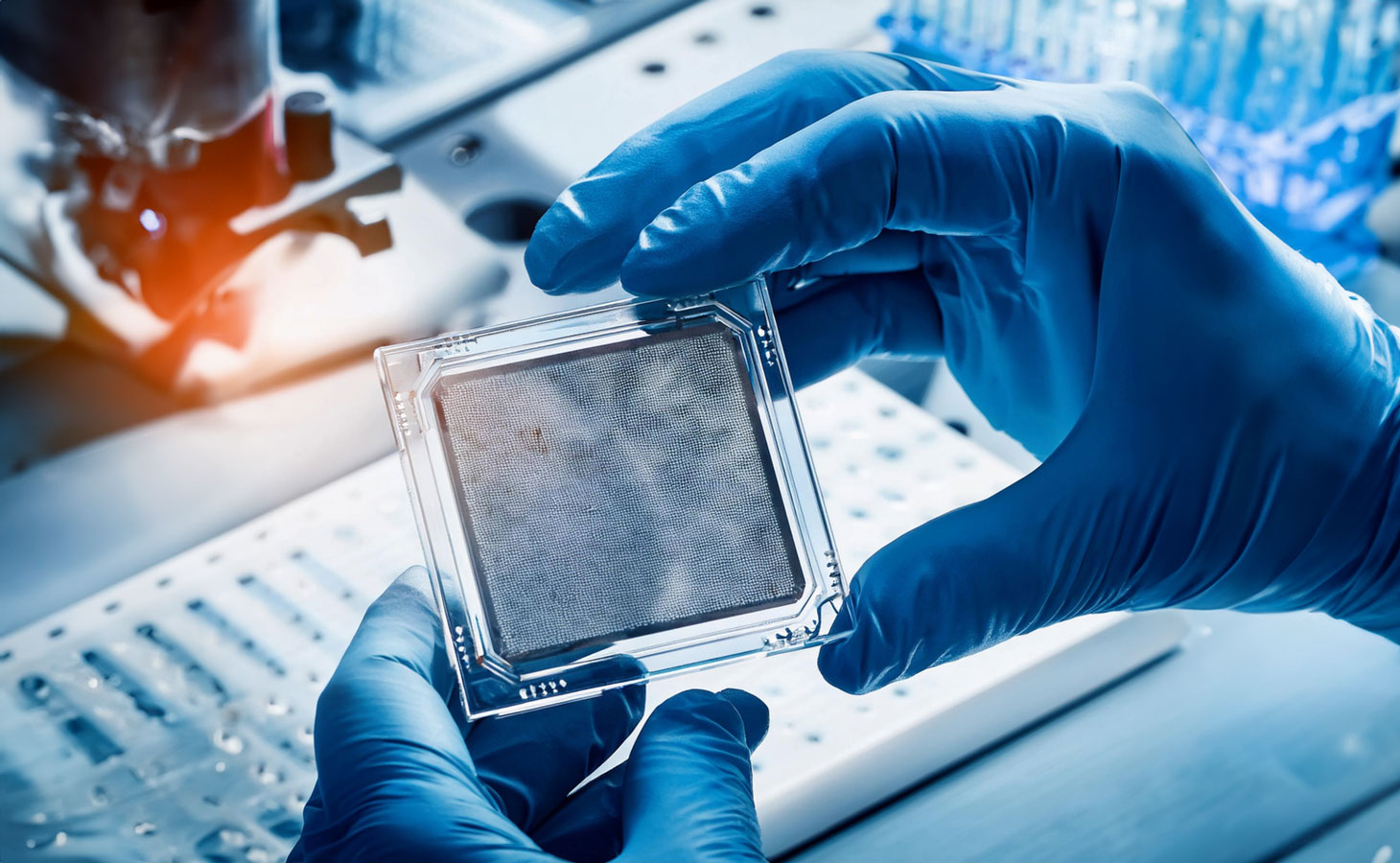
TOXBOX seeks a solution to the limitations in chemical toxicity assessment through a modular, integrated, and ergonomic tool for safety and sustainability evaluation, with high throughput and predictive capacity. Building on a prototype developed in a previous EC-funded project (PANBioRA), a microfluidic system will be developed that will incorporate electrochemical sensors, microscopes/cameras, and cytokine measurement.
The intelligent combination of in vitro assays and in silico modeling will result in a system capable of better predicting human and environmental safety and providing a more accurate understanding of short- and long-term toxic effects.
Alzheimer’s disease, like other tauopathies, is associated with the neuronal tau protein, responsible for intraneuronal aggregation that ultimately leads to neurofibrillary degeneration and synaptic dysfunction. Early diagnosis and treatments for these pathologies remain a major health challenge.
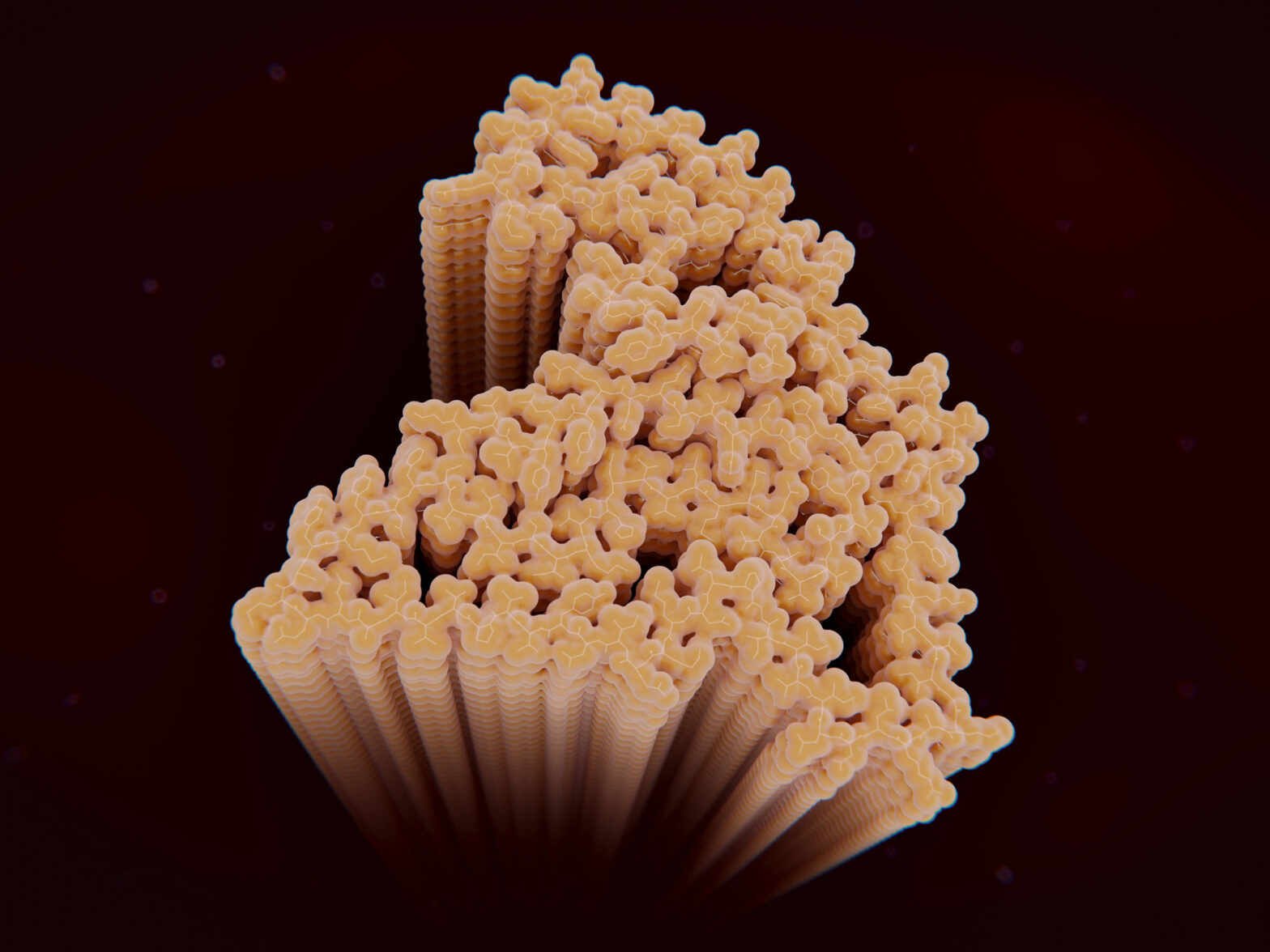
TAME constitutes the first European network focused on tau with the objective of better understanding tau-related diseases to develop safer, more personalized, and more effective diagnostic tools and treatments. The project will provide nanobodies with the capacity to recognize the tau protein in its various forms. The combination of nanobodies with cutting-edge technologies will give rise to new tools for diagnosing pathologies, as well as for correlating them with different tau forms. Furthermore, bioengineered products are envisioned for novel therapeutic approaches.
In the context of a Doctoral Network, TAME will train a generation of multidisciplinary young scientists in the field of molecular neuroscience.
Lower respiratory tract infections (LRTIs) are one of the leading causes of mortality worldwide, and a large proportion of these are due to bacterial pathogens, especially in hospital settings. Furthermore, antimicrobial resistance (AMR) is a growing global health threat, exacerbated by the overuse of antibiotics to treat these infections due to the lack of rapid and specific diagnostics.
In this context, this project aims to develop and take the first steps toward the commercialization of a rapid diagnostic test based on LFIA technology to diagnose P. aeruginosa and S. aureus infections at the point of care. The proposed devices will detect bacterial quorum sensing molecules, specific to each pathogen, in a few minutes and at a low cost. The project aims to create a spin-off company to drive the transition of these tests from the laboratory to the market.
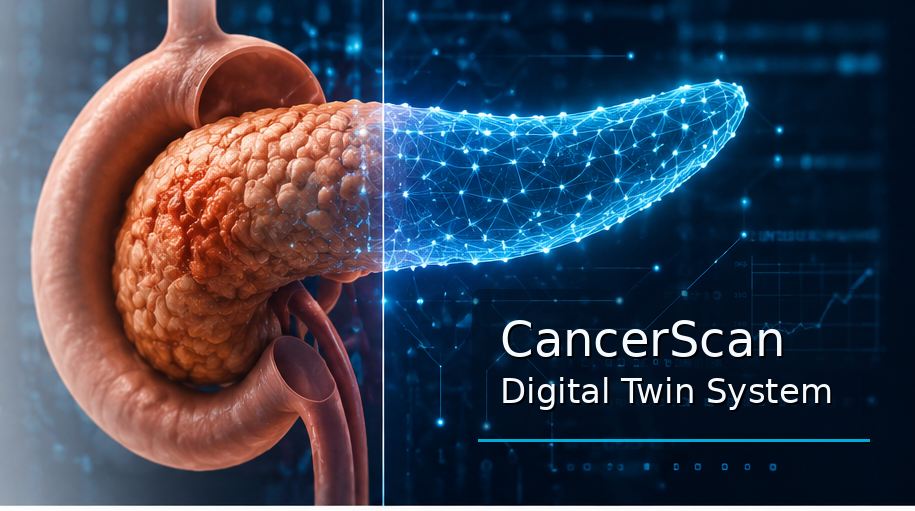
CancerScan develops a next‑generation pathology slide scanner that integrates slide‑level multi‑omics profiling from tumour biopsies with standard clinical data to (semi)automatically generate a patient‑specific tumour digital twin. By mapping tumour communication and tumour‑microenvironment interactions, reconstructing biomedical knowledge graphs and using AI‑enabled modelling with hardware acceleration, the platform will simulate drug responses and support more personalised decisions. Pancreatic cancer is used as the first model system, combining organoid experiments with clinical validation in collaboration with hospital partners.
Manage Cookie Consent
To provide the best experiences, we use technologies like cookies to store and/or access device information. Consenting to these technologies will allow us to process data such as browsing behavior or unique IDs on this site. Not consenting or withdrawing consent, may adversely affect certain features and functions.
Functional
Always active
The technical storage or access is strictly necessary for the legitimate purpose of enabling the use of a specific service explicitly requested by the subscriber or user, or for the sole purpose of carrying out the transmission of a communication over an electronic communications network.
Preferences
The technical storage or access is necessary for the legitimate purpose of storing preferences that are not requested by the subscriber or user.
Statistics
Storage or technical access that is used exclusively for statistical purposes.The technical storage or access that is used exclusively for anonymous statistical purposes. Without a subpoena, voluntary compliance on the part of your Internet Service Provider, or additional records from a third party, information stored or retrieved for this purpose alone cannot usually be used to identify you.
Marketing
The technical storage or access is required to create user profiles to send advertising, or to track the user on a website or across several websites for similar marketing purposes.