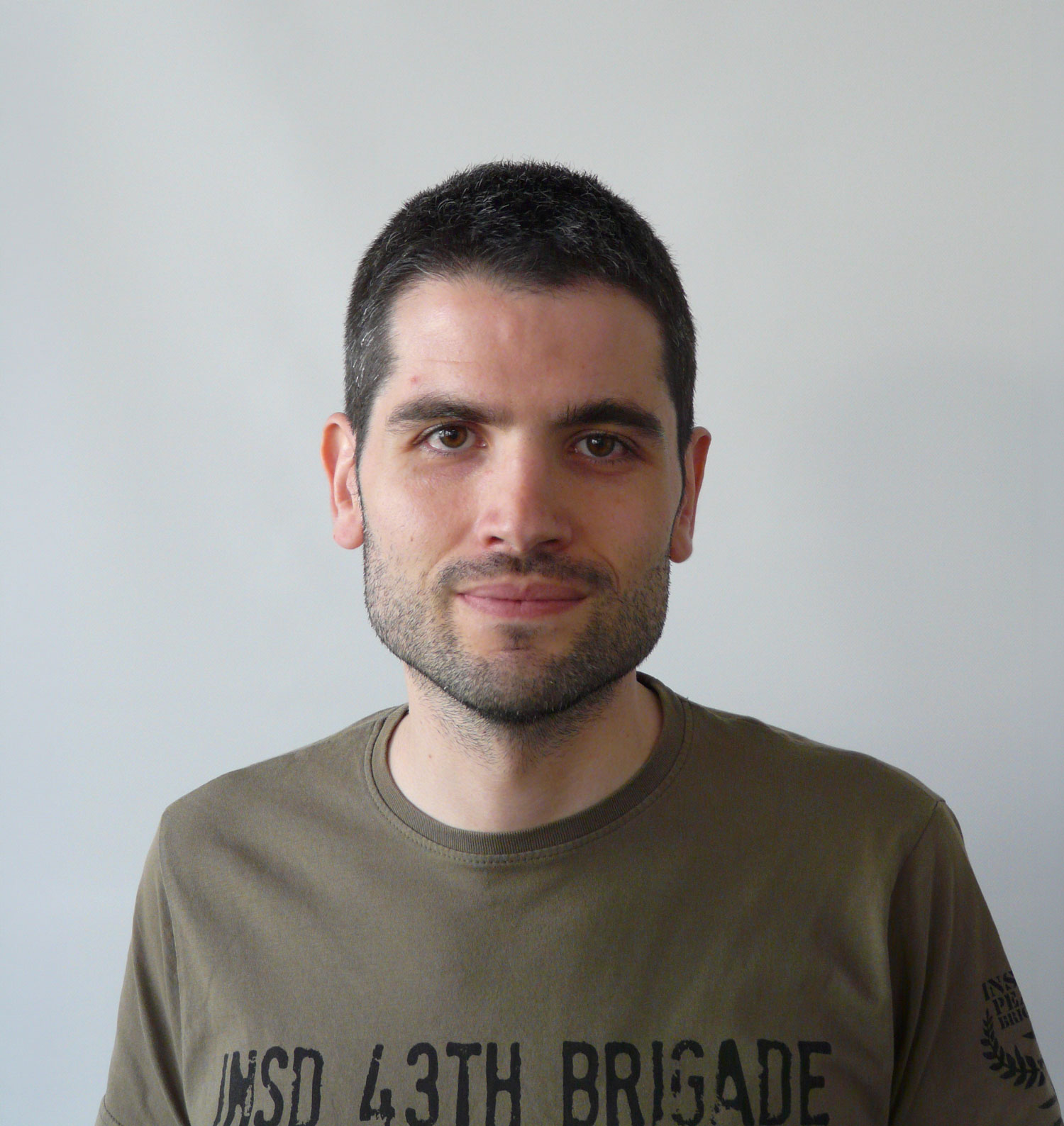
Mr. Pérez obtained his degree in Chemistry in 2008 from the University of Alcalá (Madrid). He began his career as a technical supervisor in the Analytical Services Department at the Centre for Applied Chemistry and Biotechnology of the University of Alcalá, where he took part in collaborative R projects between public and private entities and gained solid experience in chromatographic techniques.
In 2010, he joined the Polymer Characterisation Department at ICTP-CSIC as a senior specialist technician, focusing his work on the application of calorimetric techniques to study new polymeric materials for industrial use.
Since 2013, he has held a permanent position at IQAC-CSIC, where he serves as Technical Director of the Cell Culture Service. In this role, he supervises and supports internal researchers and students as well as external users in the management of biosafety level 2 (BSL-2) facilities and in training in standard cell culture.
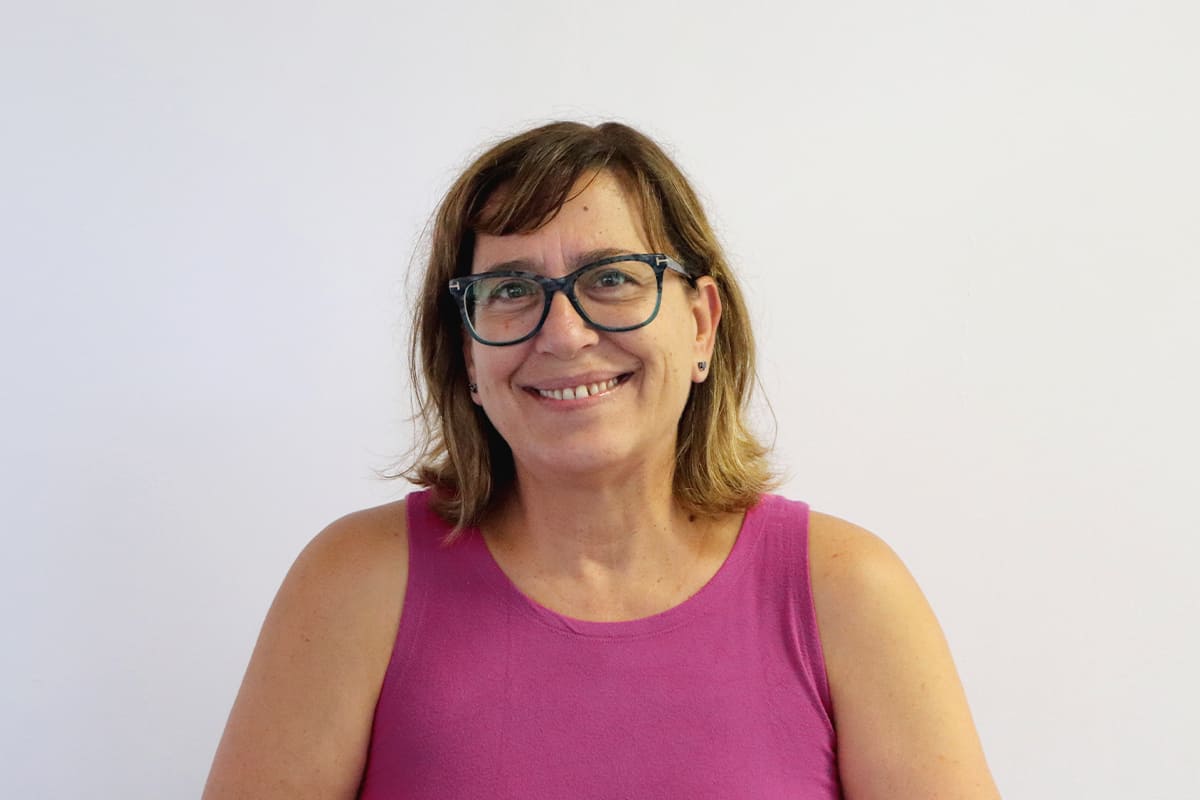
I hold a degree in Biology and a PhD from the University of Barcelona, with specialized training in Pharmaceutical Physical Chemistry.
My scientific career has focused on the design, characterization, and application of lipid-based structures as delivery systems, as well as on their interactions with biologically and therapeutically relevant molecules and with tissues such as the skin. To this end, I have employed a wide range of physicochemical and structural characterization techniques, including microscopy, infrared spectroscopy, and X-ray scattering, as well as synchrotron radiation-based methods.
In parallel with my research activities, I have taught undergraduate and graduate courses in Biophysics and Medical Physics, and I am a co-founder of a technology-based company dedicated to the development of nanostructured lipids for biomedical and cosmetic applications.
In 2025 I joined the Cell Culture and Advanced Microscopy Core as a technical staff member. This platform provides infrastructure and support to users and research projects in the management of cell cultures and in advanced fluorescence microscopy techniques, such as Structured Illumination Microscopy (SIM) and Single-Molecule Localization Microscopy (SMLM).
Manage Cookie Consent
To provide the best experiences, we use technologies like cookies to store and/or access device information. Consenting to these technologies will allow us to process data such as browsing behavior or unique IDs on this site. Not consenting or withdrawing consent, may adversely affect certain features and functions.
Functional
Always active
The technical storage or access is strictly necessary for the legitimate purpose of enabling the use of a specific service explicitly requested by the subscriber or user, or for the sole purpose of carrying out the transmission of a communication over an electronic communications network.
Preferences
The technical storage or access is necessary for the legitimate purpose of storing preferences that are not requested by the subscriber or user.
Statistics
Storage or technical access that is used exclusively for statistical purposes.The technical storage or access that is used exclusively for anonymous statistical purposes. Without a subpoena, voluntary compliance on the part of your Internet Service Provider, or additional records from a third party, information stored or retrieved for this purpose alone cannot usually be used to identify you.
Marketing
The technical storage or access is required to create user profiles to send advertising, or to track the user on a website or across several websites for similar marketing purposes.