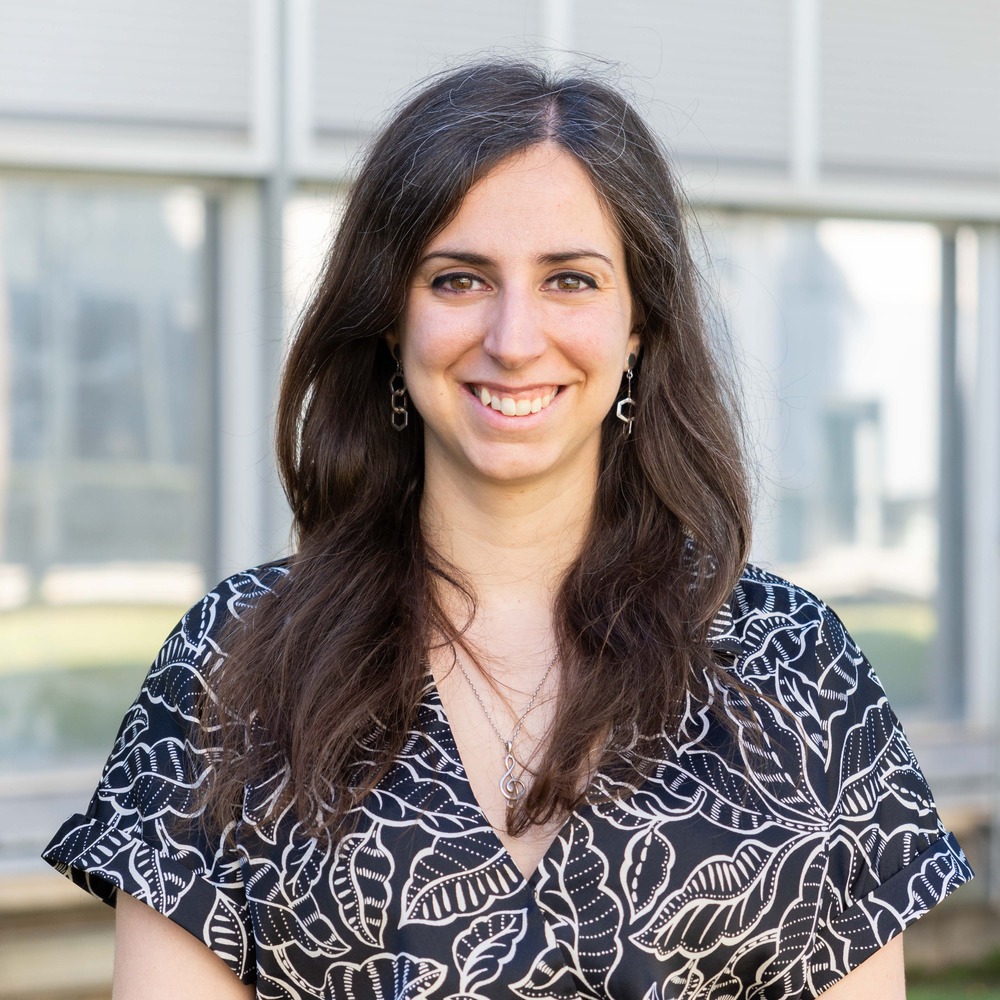
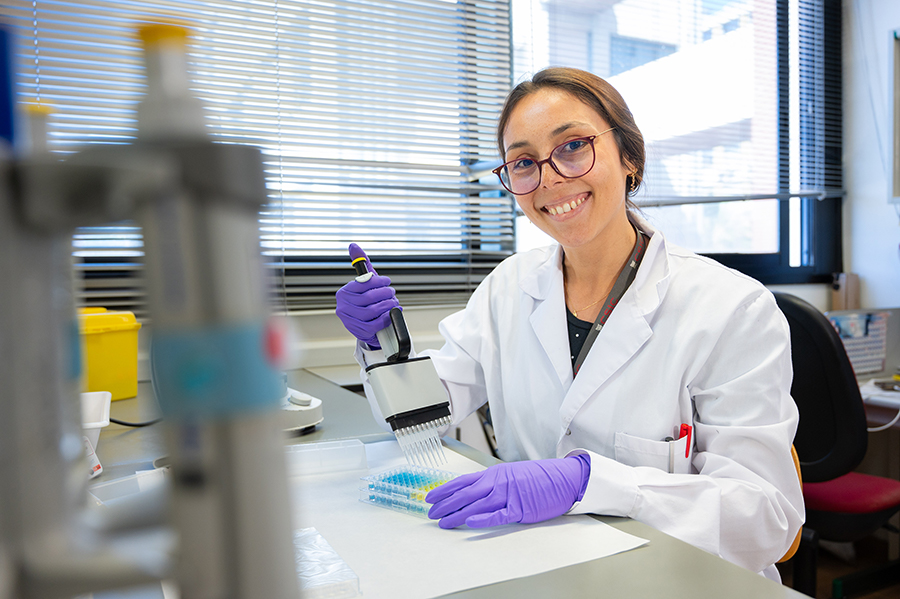
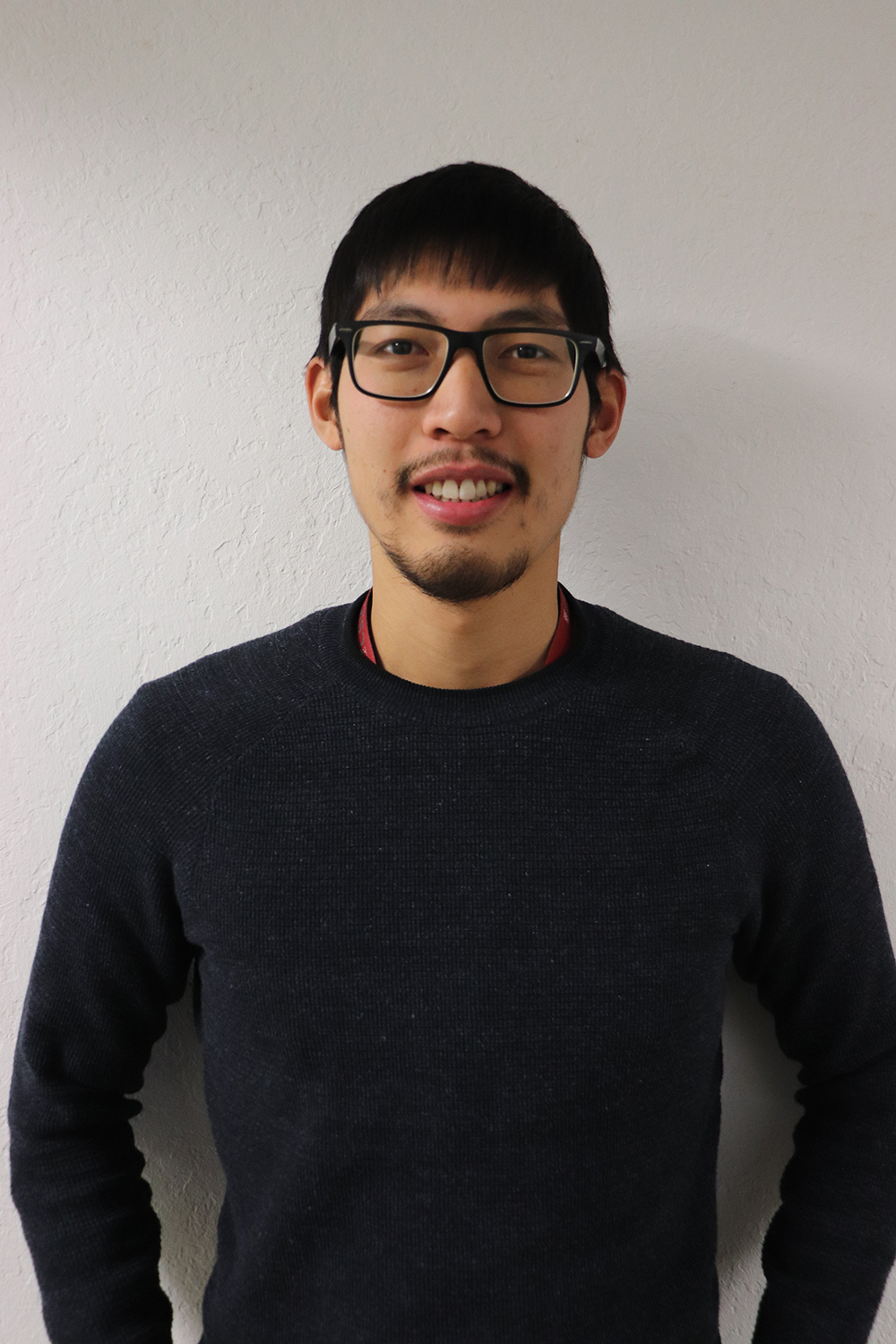
Dr. Alba Villar-Yanez is a chemist specialized in computational chemistry and molecular modelling, with a particular interest in the application of computational methods to the design of bioactive molecules and drug discovery. She holds a BSc in Chemistry from the Universitat Autònoma de Barcelona (UAB) and an MSc in Atomistic and Multiscale Computational Modelling in Physics, Chemistry and Biochemistry from the Universitat de Barcelona (UB) and the Universitat Politècnica de Catalunya (UPC). She obtained her PhD in Chemical Science and Technology from the Universitat Rovira i Virgili (URV) in 2024, carried out at the Institut Català d’Investigació Química (ICIQ), with Cum Laude distinction and International Mention, supported by an FPI fellowship from the Spanish Ministry of Science and Innovation.
During her PhD, she applied computational chemistry methods to the study of processes related to CO₂ valorization and recycling. She also carried out a research internship at the University of Amsterdam (Netherlands), where she studied metalloenzyme-catalyzed CO₂ reduction using molecular dynamics and Path-Metadynamics simulations.
She subsequently shifted her research towards photopharmacology and the design of photoswitchable molecules, working on the development and computational modelling of photoswitchable drugs during her postdoctoral research at the Universitat Autònoma de Barcelona (UAB) in 2025.
She is currently a postdoctoral researcher at the Institut de Química Avançada de Catalunya (IQAC-CSIC), within the Medicinal Chemistry and Synthesis (MCS) group. Her research focuses on the computational design and study of photoswitchable drugs, combining quantum chemical methods, dockings and molecular dynamics to investigate protein–ligand interactions and contribute to the development of novel light-controlled therapeutic strategies.
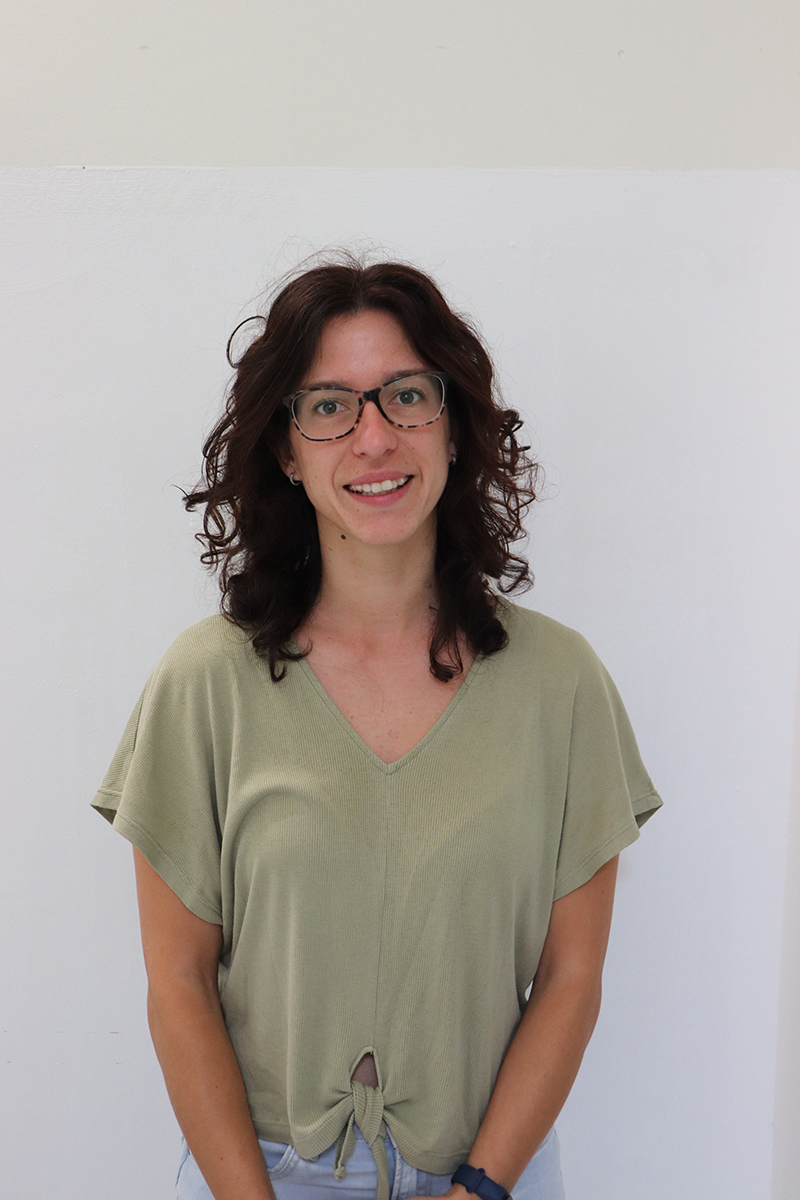
Marta Gil earned her degree in Chemistry from the University of Valladolid, where she also completed her master’s and doctoral degrees in Chemistry. After conducting research stays at Aarhus University with Prof. Karl Anker Jørgensen and at the Universitat Autònoma de Barcelona, she joined the BISi Bonds Laboratory at IQAC-CSIC, coordinated by Dr. Alexandr Shafir and Dr. Ana B. Cuenca (IQS-URL), where she currently works as a postdoctoral researcher. Her work within the framework of the BN-PlentyChip project, funded by the proof-of-concept grant from the MCIU of Spain, focuses on the development of organic components with BN incorporation for semiconductors and related devices, with a broader interest in boron–nitrogen (BN) isosterism in π-conjugated systems.
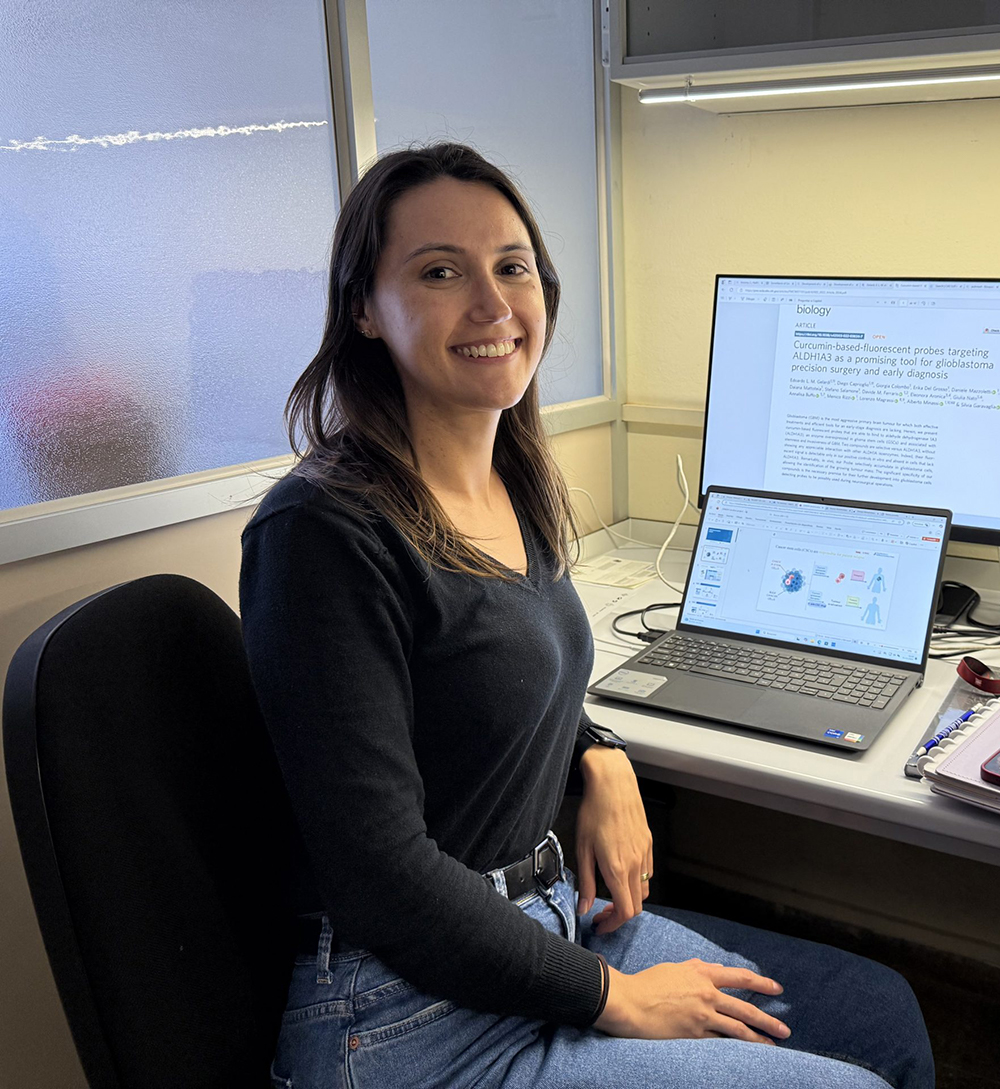
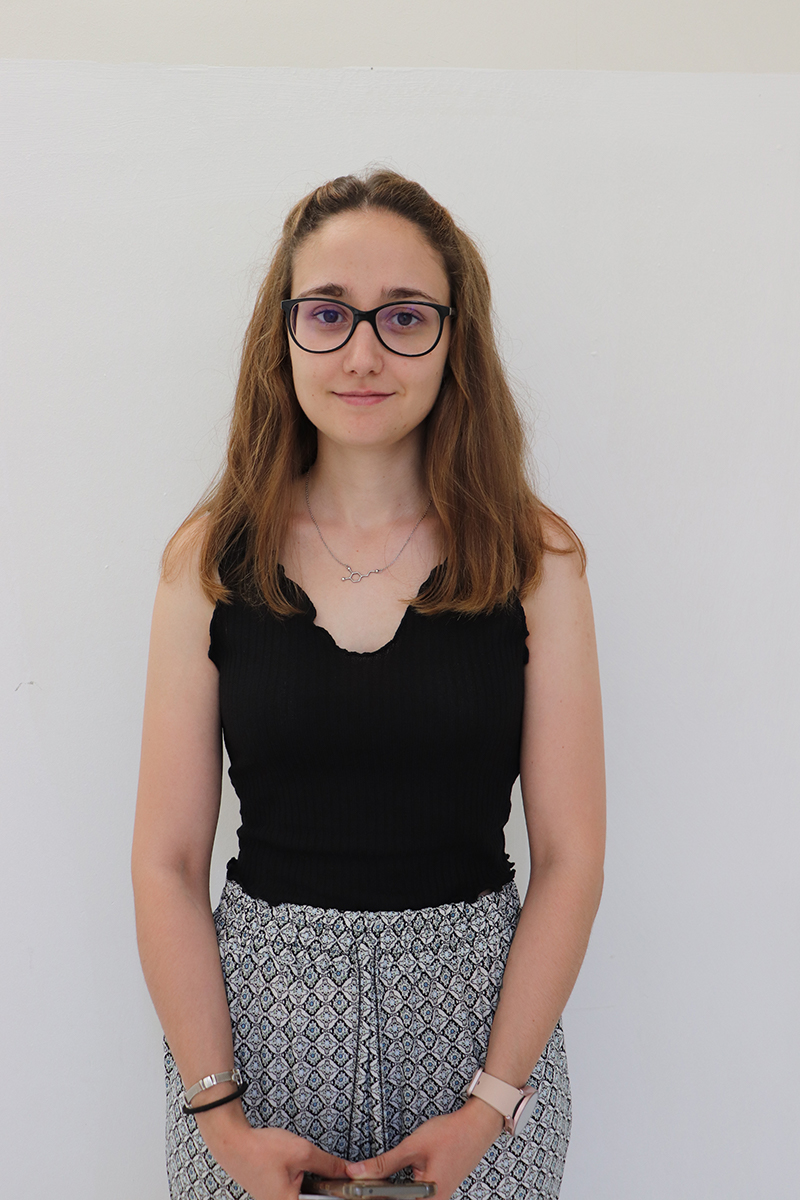
Dr. Caroline Gentz is a Brazilian medicinal chemist with expertise in kinase inhibitor discovery and drug development focused on oncology. She obtained her PhD in Pharmaceutical Sciences at the Federal University of Rio Grande do Sul under the supervision of Prof. Saulo Fernandes de Andrade, where her research focused on the synthesis of novel kinase inhibitors and the evaluation of their biological activity in pediatric cell lines.
During her PhD, she undertook a research stay at the University of Tübingen under the supervision of Prof. Stefan Laufer, where she expanded her expertise in medicinal chemistry and drug discovery targeting kinases. Her experience includes organic synthesis, structure–activity relationship studies, molecular docking, and biological evaluation of small molecules.
In 2025, Caroline joined The Institute for Advanced Chemistry of Catalonia as a postdoctoral researcher in the Drug Discovery & Medicinal Chemistry (DDMC) group, led by Laia Josa-Culleré. Her current research focuses on developing innovative therapeutic strategies to selectively target and eliminate cancer stem cells by exploiting ALDH enzyme activity.
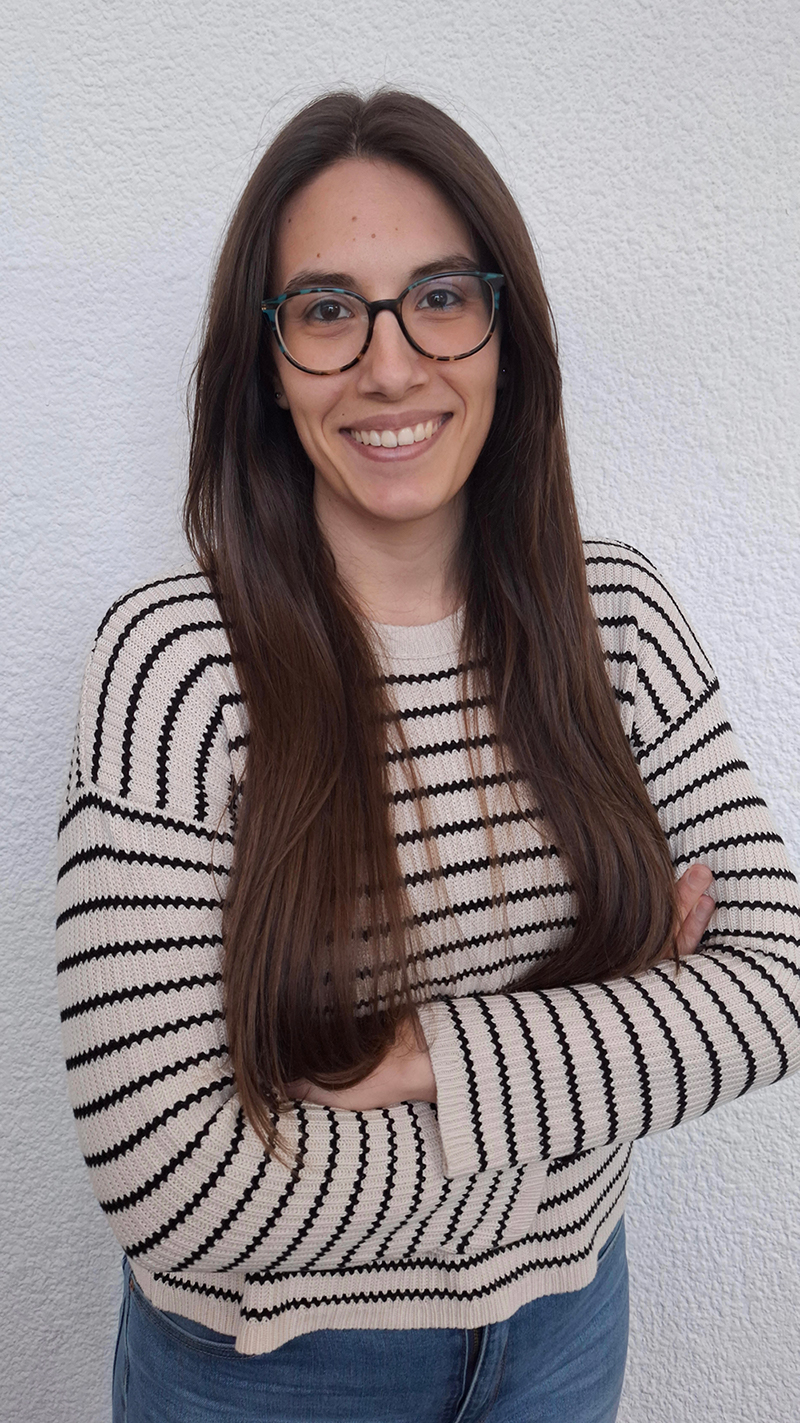
Marina Pérez-Palau is a postdoctoral researcher in the Multivalent Systems for Nanomedicine group. She studied Chemistry at the University of Barcelona (UB) and completed her studies with an industrial placement in Medicinal Chemistry at GlaxoSmithKline (Stevenage, United Kingdom).
Subsequently, she pursued a master’s degree in Organic Chemistry at UB under the supervision of Fèlix Urpí and Pedro Romea. She remained in the same research group to carry out her doctoral studies, focused on the development of new radical reactions.
After completing her doctorate, she joined the Multivalent Systems for Nanomedicine group to conduct postdoctoral research alongside Miriam Royo.
Currently, her research, funded by a Juan de la Cierva fellowship, focuses on the development of mono- and bivalent ligands targeting GPCRs for the treatment of movement disorders.
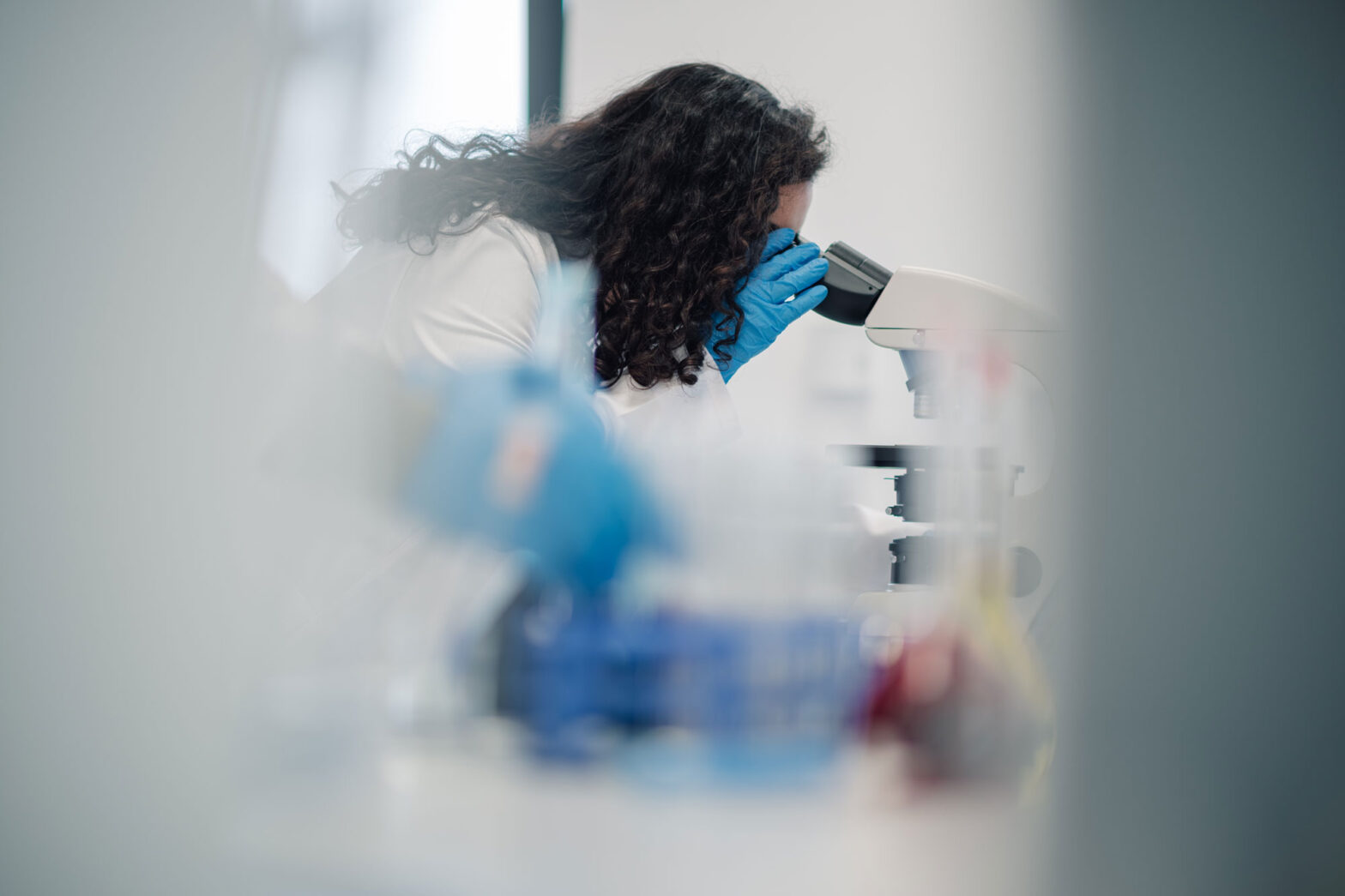
Dr Mónica Martínez obtained her degree in Chemistry (2015) and her Master’s in Drug Discovery (2016) at the University of Alcalá. During her predoctoral training, she joined the Laser Processing group at the CSIC Institute of Optics, where she contributed to the synthesis and characterisation of nanomaterials by pulsed laser ablation in liquids.
In 2022, she obtained her PhD in Organic Chemistry from the Complutense University of Madrid. Her doctoral research focused on advanced Nuclear Magnetic Resonance techniques and their applications in the study of protein–carbohydrate interactions, with important implications in cancer and Alzheimer’s disease. Driven by her passion for expanding scientific knowledge and contributing to research into human diseases, she continued her scientific career.
Thus, in 2023 she joined the Supramolecular Chemistry Group at IQAC-CSIC, where she works on the design and synthesis of supramolecular nanomaterials with promising applications in drug delivery. As part of her research, she is gaining experience in supramolecular fibres and polymeric nanoparticles. Her work also involves the application of standard and super-resolution microscopy techniques, which are essential for the evaluation and characterisation of these potential nanomaterials.
Noèlia Loza works in collaboration with Bicosome S.L. and the IQAC-CSIC. She holds a degree in Chemistry from the Universitat Autònoma de Barcelona (UAB) and a Master’s degree in Fine Chemistry and Polymers, as well as a Master’s degree in Industrial Chemistry and Introduction to Chemical Research, both obtained at UAB.
Before starting her PhD, she gained professional experience in various companies within the cosmetic and pharmaceutical sectors. She completed her doctoral thesis in 2025 under the supervision of Dr. Olga López (IQAC-CSIC) and Dr. Gelen Rodríguez (Bicosome S.L.).
Her doctoral research focused on the development, characterization, and industrialization of two advanced gel-based systems, composed exclusively of lipids and water. The main objective was to design and characterize these gels as topical delivery vehicles, capable of efficiently incorporating and releasing active molecules to improve skin and mucous membrane health. As a result of this work, she has published four scientific articles.
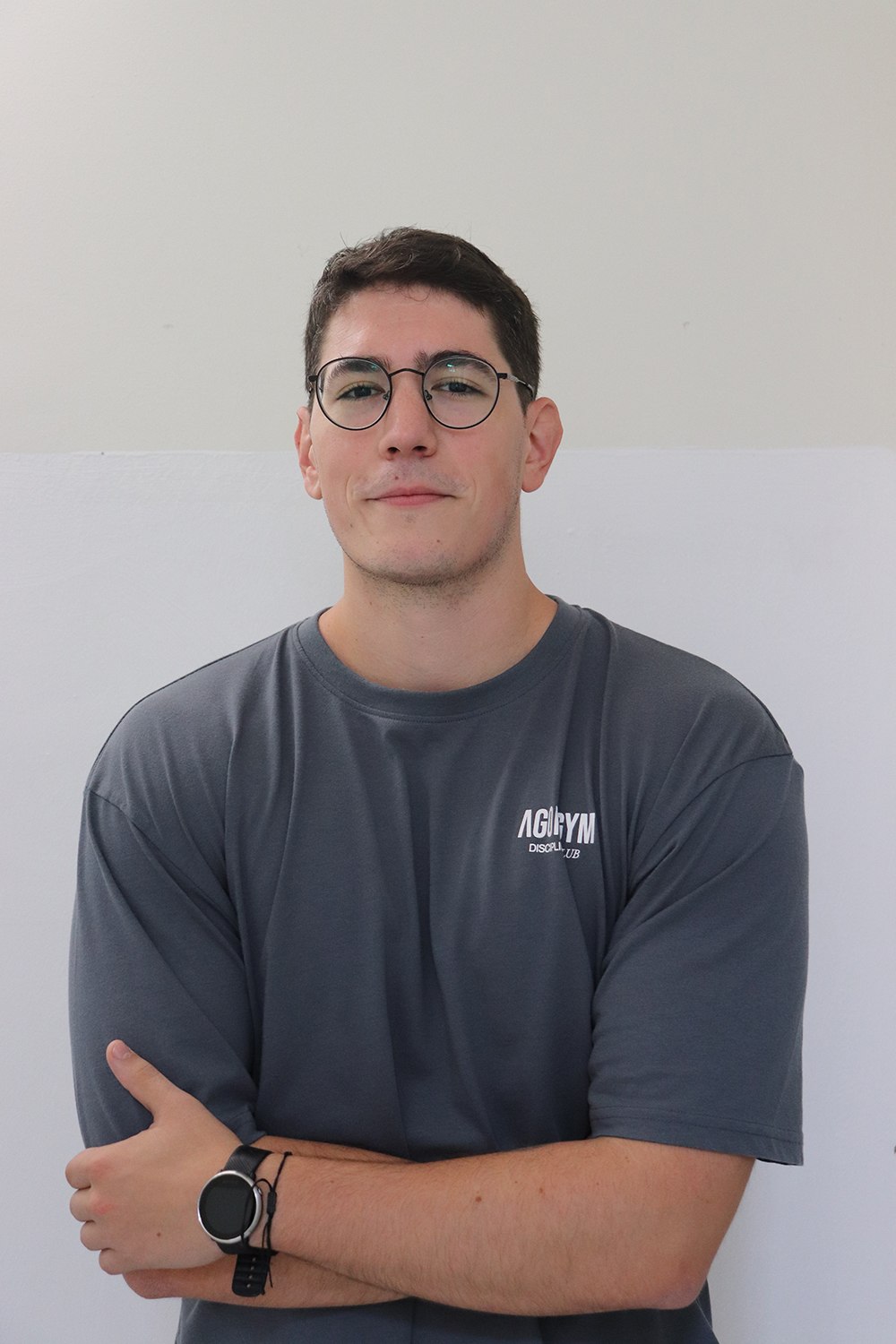
Wei Chen graduated in Chemistry from the University of Barcelona and holds a Master’s degree in Medicinal Chemistry from IQS-URL, during which he joined the BISi Bonds Laboratory to carry out his master’s project. He subsequently obtained his PhD under the supervision of Dr Alexandr Shafir and Dr Ana B. Cuenca (IQS-URL), conducting research on the synthesis and reactivity of hypervalent halogen compounds. His doctoral work was recognised with the RSEQ–Lilly Doctoral Award.
He is currently a postdoctoral researcher in the BISi Bonds Laboratory at IQAC-CSIC, funded through the industry–academia collaboration project LUPY-PLAST. This project focuses on the development of new chemical methods for recycling plastic waste through valorisation processes based on pyrolysis.
Manage Cookie Consent
To provide the best experiences, we use technologies like cookies to store and/or access device information. Consenting to these technologies will allow us to process data such as browsing behavior or unique IDs on this site. Not consenting or withdrawing consent, may adversely affect certain features and functions.
Functional
Always active
The technical storage or access is strictly necessary for the legitimate purpose of enabling the use of a specific service explicitly requested by the subscriber or user, or for the sole purpose of carrying out the transmission of a communication over an electronic communications network.
Preferences
The technical storage or access is necessary for the legitimate purpose of storing preferences that are not requested by the subscriber or user.
Statistics
Storage or technical access that is used exclusively for statistical purposes.The technical storage or access that is used exclusively for anonymous statistical purposes. Without a subpoena, voluntary compliance on the part of your Internet Service Provider, or additional records from a third party, information stored or retrieved for this purpose alone cannot usually be used to identify you.
Marketing
The technical storage or access is required to create user profiles to send advertising, or to track the user on a website or across several websites for similar marketing purposes.