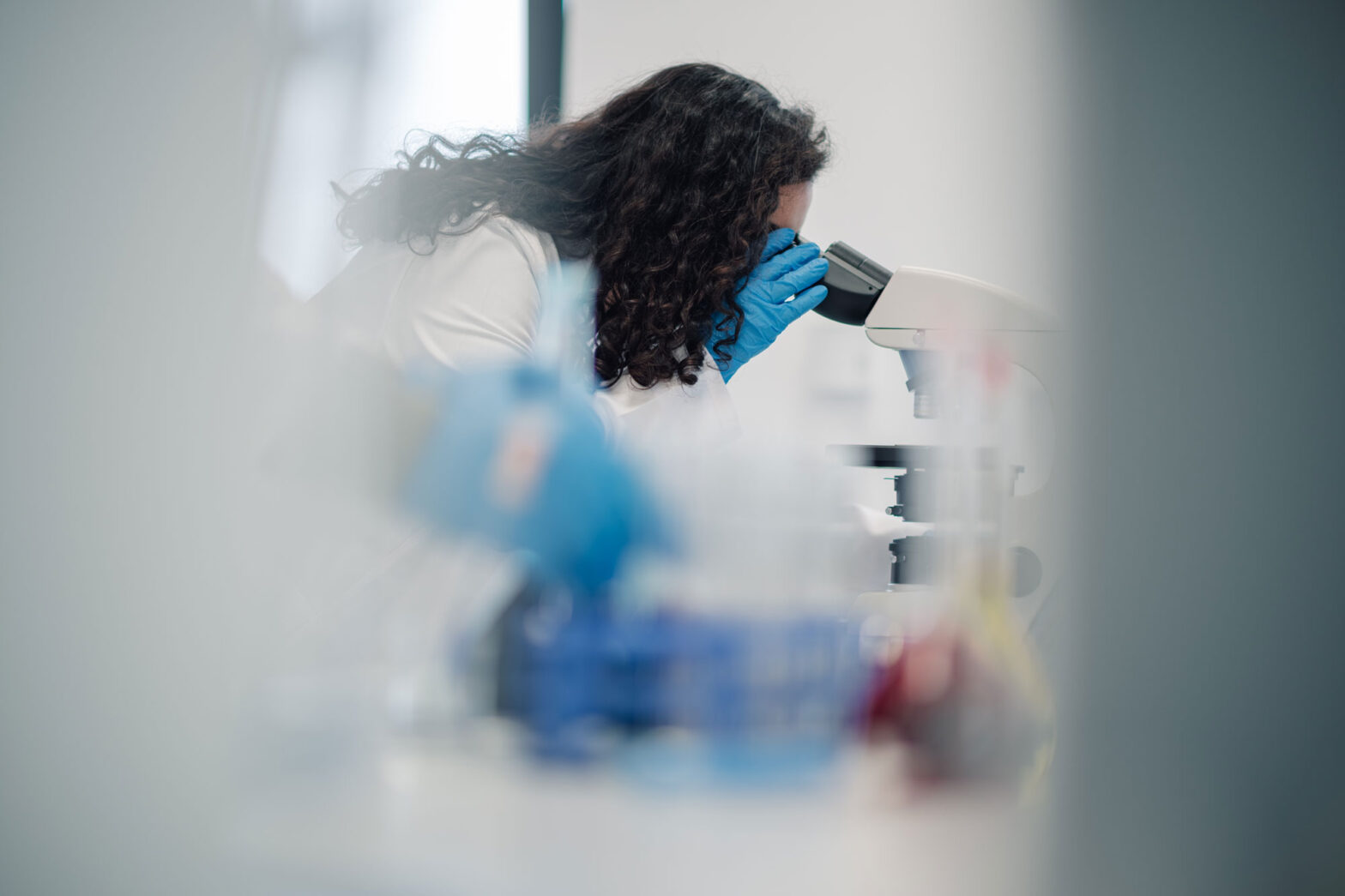
I am a predoctoral researcher at IQAC-CSIC, where I am pursuing my PhD in computational biochemistry within the Computational and Theoretical Chemistry group. Supported by an FPU grant, my research focuses on the design of nanobodies for the detection and binding of small molecules, in collaboration with the Nb4D group.
I hold a degree in Chemistry and a Master’s in Computational Modeling and Theoretical Chemistry, both from the University of Barcelona. Throughout my studies, I developed a strong passion for programming and computational methods. Currently, my main interest is to improve and develop computational techniques for nanobody design, with the aim of expanding their applications in various fields.
Among other tools, I use deep learning techniques for design, structural prediction, and docking, as well as molecular dynamics simulations. I am also expanding my training in machine learning and artificial intelligence to enhance my research.
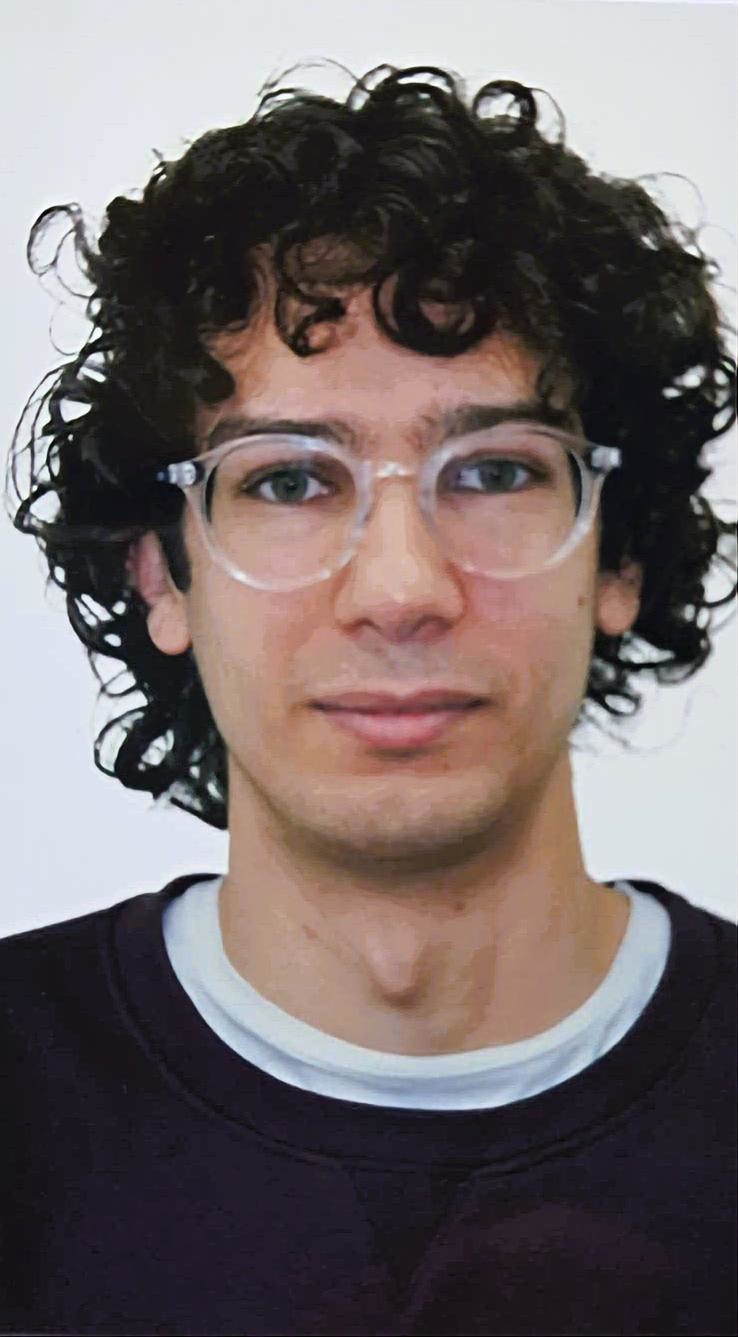
Álvaro García completed his Bachelor’s and Master’s degrees in Chemistry, specializing in Organic Chemistry, at the University of Barcelona. He is currently conducting his doctoral research at the BISi Bonds laboratory (IQAC-CSIC) under the supervision of Dr. Alexandr Shafir and Dr. Ana B. Cuenca (IQS-URL). His project, framed within the field of boron-nitrogen (BN) isosterism, focuses on the development of new synthetic methods for the rapid preparation of BN-bridged biaryl cores.
Academic background: BSc in Chemistry in Thessaloniki (Greece), followed by an enriching Erasmus stay in the IQAC Chemical Biology group. I subsequently continued my academic path with a Master’s degree at the Autonomous University of Barcelona (UAB). I carried out my Master’s thesis work in the IQAC Chemical Biology group, thanks to a JAEintro grant.
I am currently a PhD student in the IQAC-CSIC Chemical Biology group. I have recently had the honour of receiving a Ramón Areces Foundation fellowship to develop my doctoral thesis. My PhD project, entitled “Chemical Biology tools for the study of neuronal ceroid lipofuscinoses (NCLs)”, focuses on the study of S-acylation and the enzymes involved (thioesterases). Neuronal ceroid lipofuscinoses (NCLs) are a group of rare, fatal lysosomal diseases of genetic origin that currently have no treatment and mainly affect the nervous system. S-acylation is a protein lipidation process closely related to NCLs; therefore, the main aim is to advance understanding of these diseases, which could facilitate the identification of new therapeutic strategies for children suffering from these rare and fatal disorders.
Albert Ortega Bartolomé is a PhD student at the Institute for Advanced Chemistry of Catalonia (IQAC–CSIC), where his research lies at the intersection of bioinformatics, computational chemistry, and sustainable pest control.
His doctoral work focuses on the application of deep learning techniques and molecular simulation to design new compounds that modulate insect behavior, with a special emphasis on odor ligand-receptor interactions in locusts. His research employs advanced computational tools, including molecular dynamics simulations, AlphaFold3-based modeling, and free energy perturbation (FEP) methods, to predict ligand affinity and receptor response.
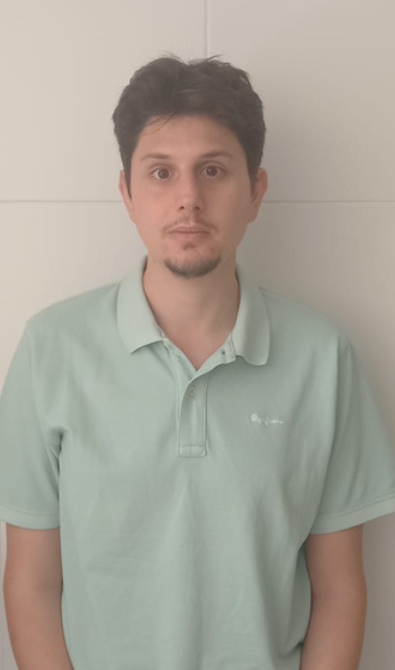
My name is Marco Segura Andreu, I hold a degree in chemistry from the University of Valencia and a master’s degree in nanoscience from the University of Groningen. I am pursuing my doctoral studies in the SUPRAM group, under the supervision of Dr. Jordi Solà. I research supramolecular boxes and their biological applications.
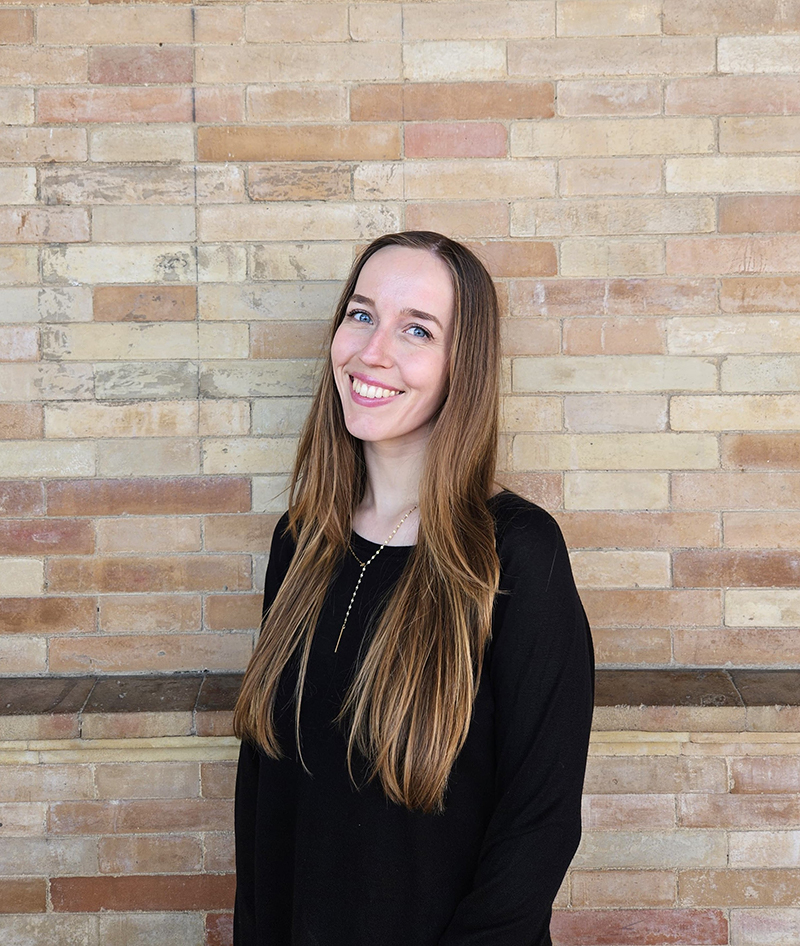
Inés del Barrio holds a degree in Chemistry and a master’s degree in Pharmaceutical Chemistry from IQS-Universitat Ramon Llull. She is currently pursuing her doctoral studies at the BISi Bonds Laboratory at IQAC-CSIC under the supervision of Dr. Alexandr Shafir and Dr. Ana B. Cuenca (IQS-URL). Her research focuses on the development of new hypervalent halogen reagents capable of establishing halogen bonding interactions for the functionalization of peptides and other bioactive molecular cores.
To provide the best experiences, we use technologies like cookies to store and/or access device information. Consenting to these technologies will allow us to process data such as browsing behavior or unique IDs on this site. Not consenting or withdrawing consent, may adversely affect certain features and functions.
Functional
Always active
The technical storage or access is strictly necessary for the legitimate purpose of enabling the use of a specific service explicitly requested by the subscriber or user, or for the sole purpose of carrying out the transmission of a communication over an electronic communications network.
Preferences
The technical storage or access is necessary for the legitimate purpose of storing preferences that are not requested by the subscriber or user.
Statistics
Storage or technical access that is used exclusively for statistical purposes.The technical storage or access that is used exclusively for anonymous statistical purposes. Without a subpoena, voluntary compliance on the part of your Internet Service Provider, or additional records from a third party, information stored or retrieved for this purpose alone cannot usually be used to identify you.
Marketing
The technical storage or access is required to create user profiles to send advertising, or to track the user on a website or across several websites for similar marketing purposes.