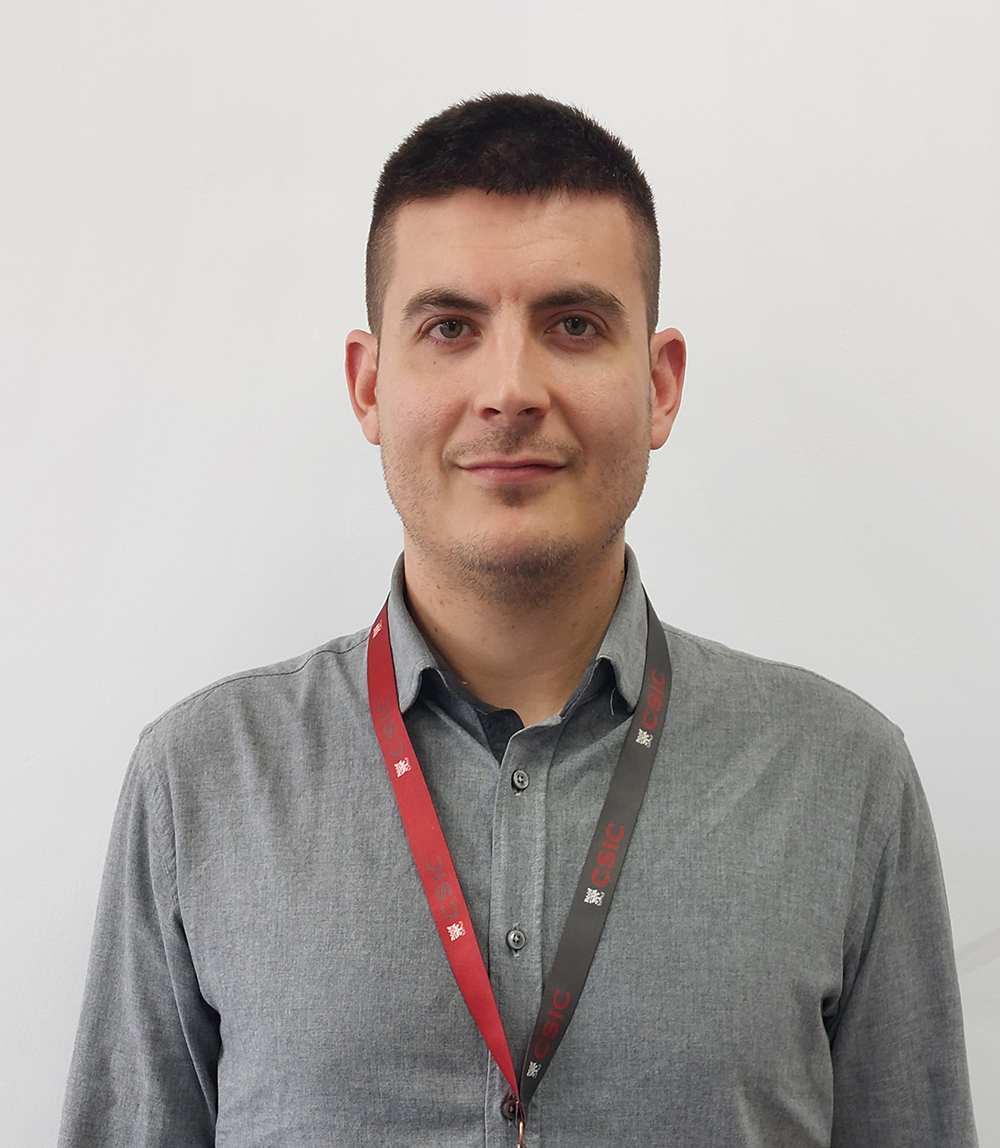
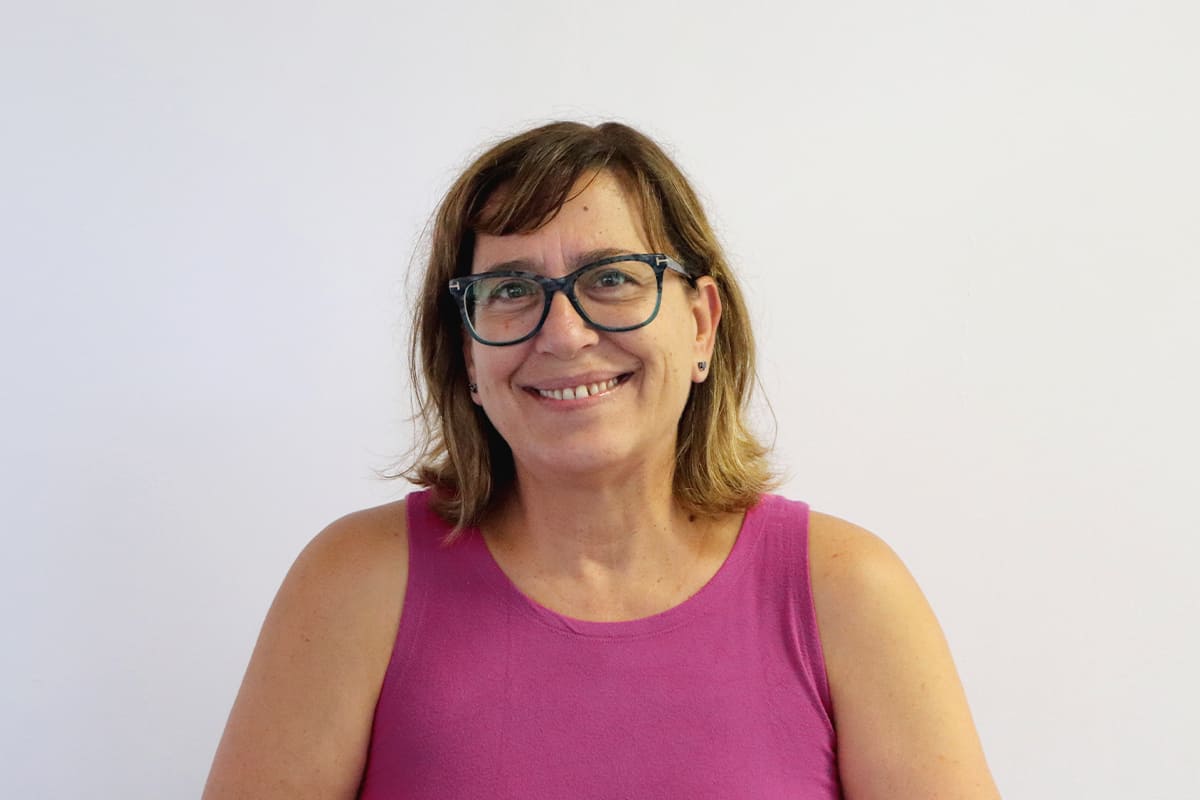
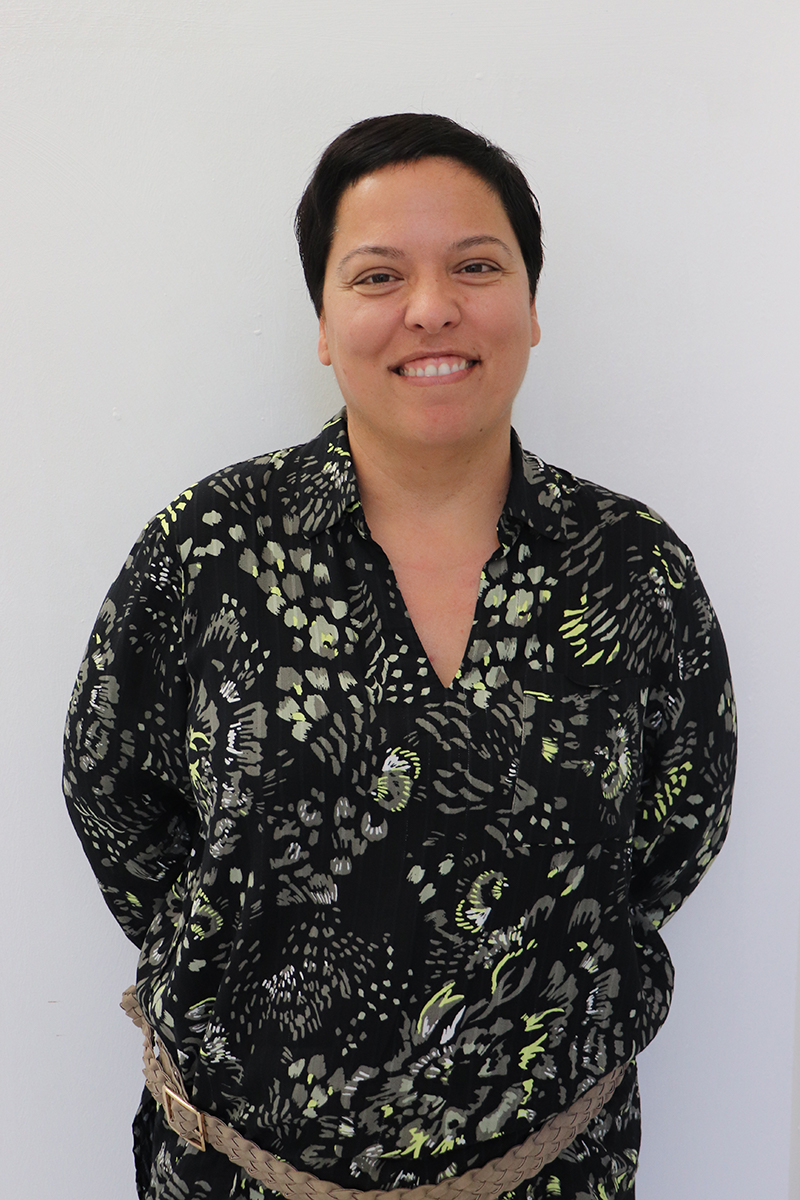
Alejandro graduated with a degree in Chemistry (2017), specializing in Biological Chemistry, and subsequently completed a master’s degree in Industrial Chemistry and Introduction to Chemical Research (2018), both at the Universitat Autònoma de Barcelona.
He subsequently worked for several companies in the fields of analytical chemistry and organic chemistry. In mid-2025, he obtained a permanent position at IQAC-CSIC, where he currently works in two research groups: Chemical Biology and BISi-Bonds (Methodology).
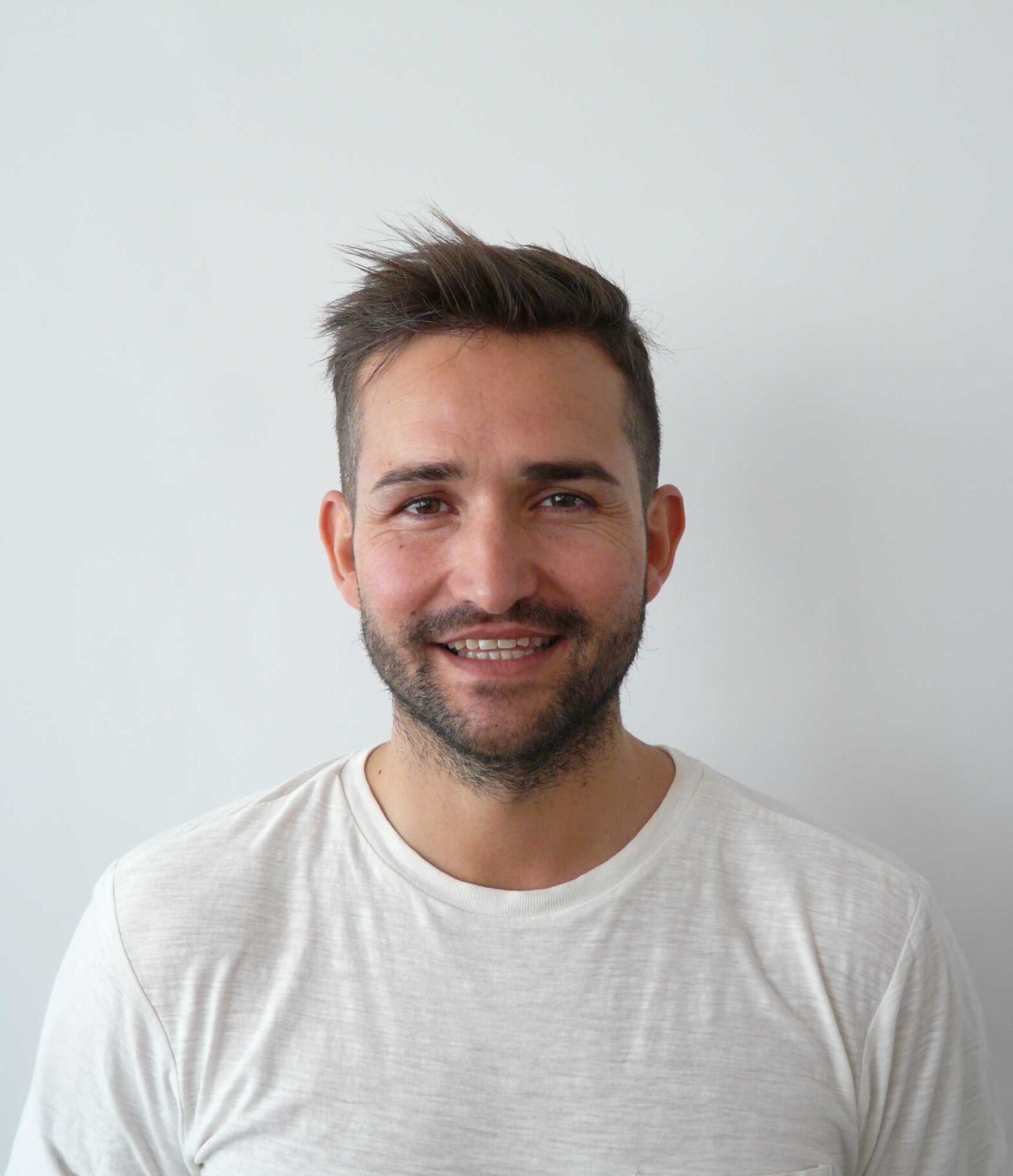
Laboratory technician with 12 years of experience in various areas, specializing mainly in rodent studies and microbiology. During my nine years at the Eurecat center, I primarily collaborated on nutritional studies in rodents, focusing not only on the metabolic effects of different foods or supplements, but also on toxicity, memory, and behavior studies in models of depression or Alzheimer’s disease, as well as in models of nutritional intolerances and allergies.
In April 2024, I began working at the Vall d’Hebron Research Institute (VHIR), where I expanded my knowledge of different techniques for metabolic and oncological diseases in in vivo rodent models, as well as in the analysis of various samples derived from the studies.
Following my incorporation into the IQAC-CSIC center, I am responsible for the maintenance and management of the Fabry colony, and I also assist and collaborate in the development of new murine models in the facilities.
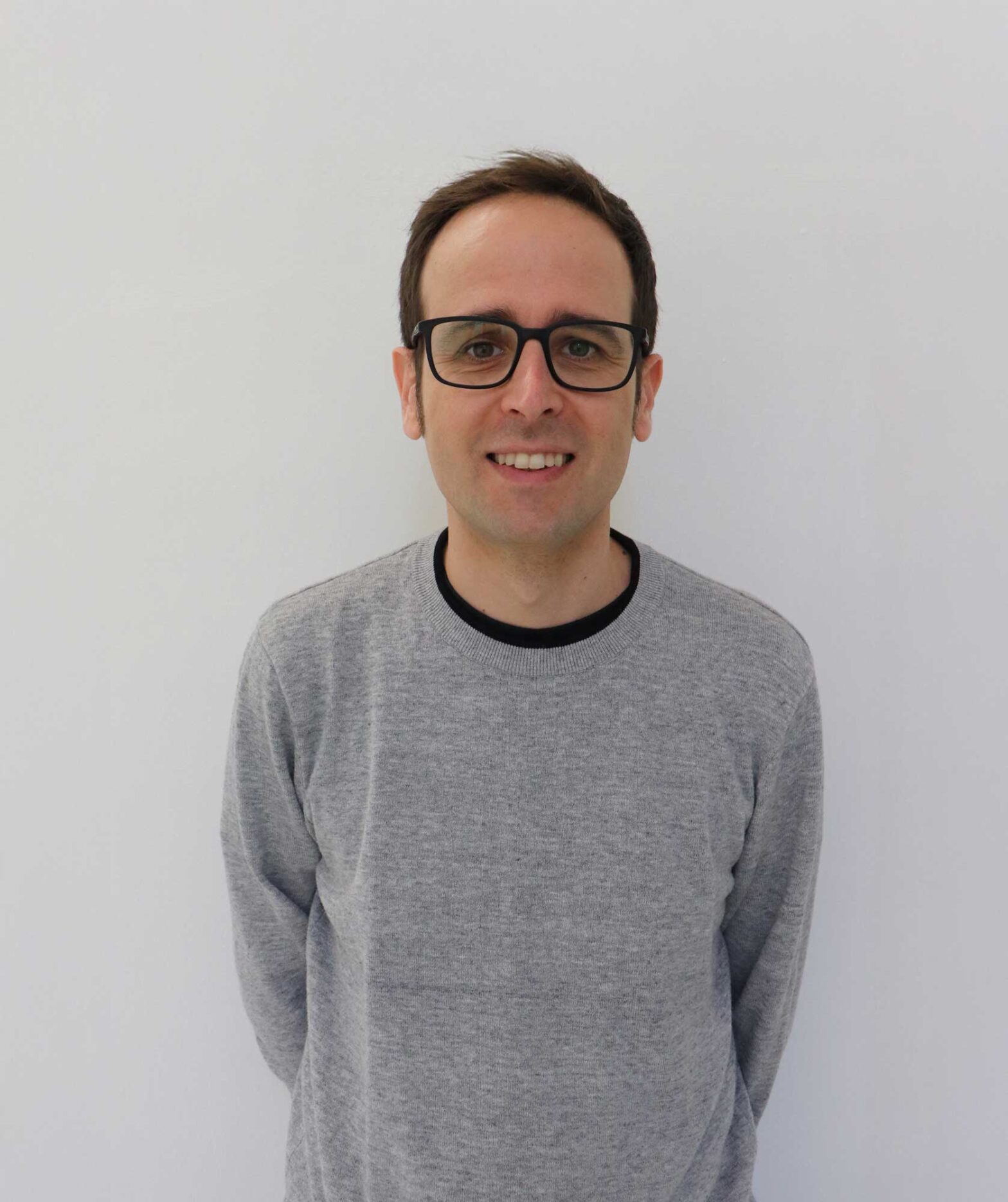
Dr. Gandía has a particular interest in the development of new methodologies within the research groups he has worked with, always in the areas of neuroscience and pharmacology.
During his predoctoral studies, he moved to Toronto (Department of Biochemistry, University of Toronto) to learn and apply the membrane yeast two-hybrid technique for the characterization of interacting proteins for 50 medically relevant G protein-coupled receptors (GPCRs). The results obtained during the project’s development were published in a high-impact article in collaboration with several laboratories (Sokolina et al., 2017).
During his postdoctoral stay at INRA (2015–2019), he built a nanobody library against a subset of GPCRs, the exploitation of which has been shared by the team with research groups from other countries.
In his subsequent postdoctoral period at the Université de Tours (2019–2021), his interest in implementing a broader range of behavioral tests in murine models of ALS allowed the research group to conduct more precise evaluations of effective therapies for amyotrophic lateral sclerosis.
He is currently a member of the Medicinal Chemistry and Synthesis group at IQAC-CSIC, where he implements new biological techniques for the pharmacological characterization of recently synthesized molecules, with a special emphasis on their application in photopharmacology.
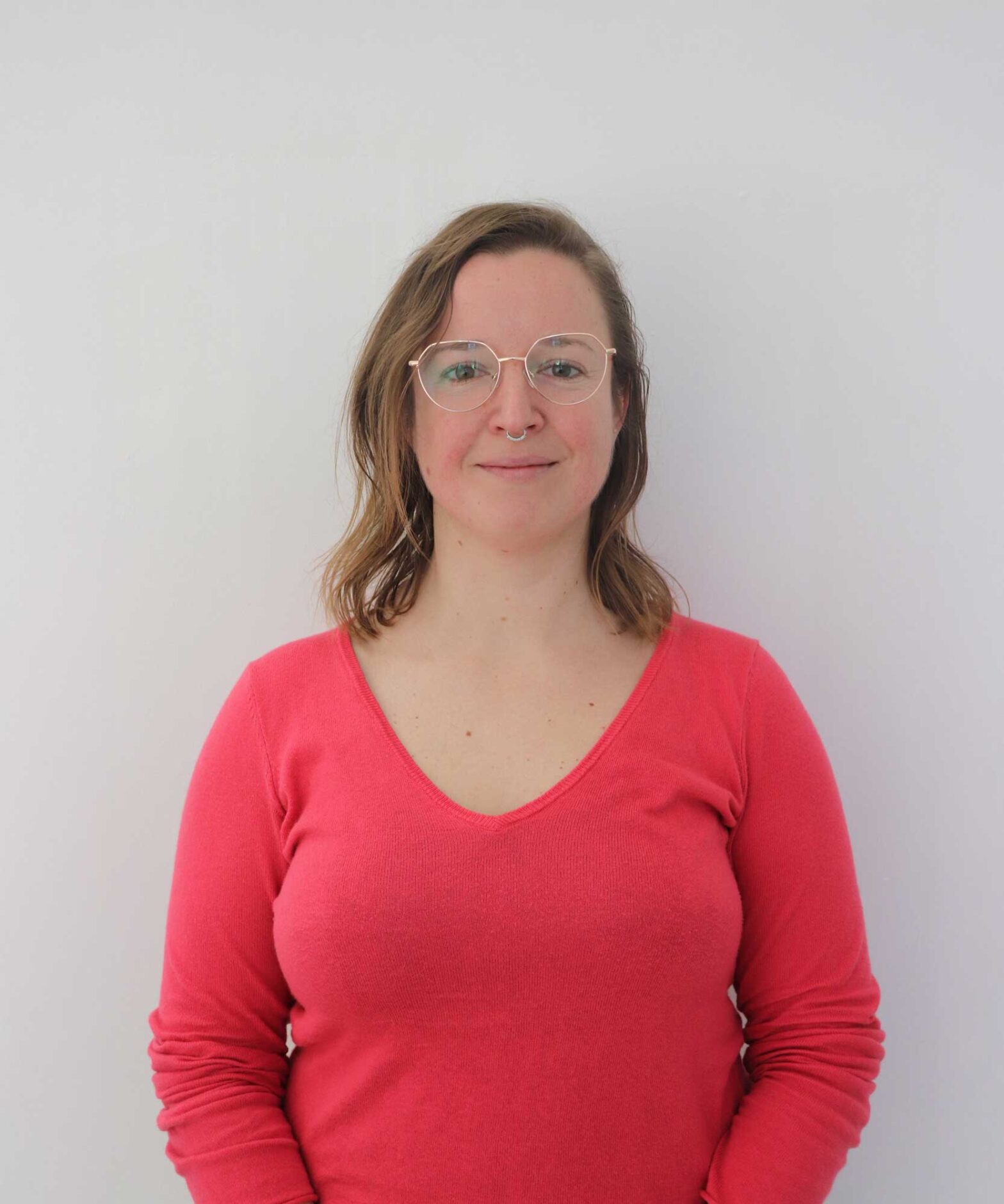
Laboratory technician (Advanced Vocational Training, CFGS) with extensive experience in research groups such as Lipid Metabolism and Lipases (Universitat de Barcelona) and Functional Validation and Preclinical Research (CIBBIM-Nanomedicine at Vall d’Hebron Research Institute (VHIR)). She is currently part of the IQAC-CSIC Nanomedicine for Therapeutic Applications group.
In these groups, she has carried out the following tasks:
Molecular biology: bacterial growth; gene cloning and sequencing; extraction, quantification and analysis of DNA, RNA and proteins; qRT-PCR, Western blot and ELISA; neutralising antibody assays; tissue processing and lipid extraction; TLC and immuno-TLC; enzymatic activities (alpha-galactosidase).
Cell biology: culture of tumour cell lines and primary cultures (endothelial cells from Fabry mice); retroviral and lentiviral transfections and infections; cell viability and proliferation assays, cell cycle analysis and apoptosis; adhesion, migration and suspension viability techniques; luciferase reporter assays; flow cytometry; ROS and ATP assays; immunotoxicity, platelet aggregation and coagulation.
I hold a degree in Biology and a PhD from the University of Barcelona, with specialized training in Pharmaceutical Physical Chemistry.
My scientific career has focused on the design, characterization, and application of lipid-based structures as delivery systems, as well as on their interactions with biologically and therapeutically relevant molecules and with tissues such as the skin. To this end, I have employed a wide range of physicochemical and structural characterization techniques, including microscopy, infrared spectroscopy, and X-ray scattering, as well as synchrotron radiation-based methods.
In parallel with my research activities, I have taught undergraduate and graduate courses in Biophysics and Medical Physics, and I am a co-founder of a technology-based company dedicated to the development of nanostructured lipids for biomedical and cosmetic applications.
In 2025 I joined the Cell Culture and Advanced Microscopy Core as a technical staff member. This platform provides infrastructure and support to users and research projects in the management of cell cultures and in advanced fluorescence microscopy techniques, such as Structured Illumination Microscopy (SIM) and Single-Molecule Localization Microscopy (SMLM).
Postdoctoral researcher with an interest in research where the concepts and tools of chemistry and biology interact synergistically to achieve new discoveries and technologies. My scientific career has followed a multidisciplinary path that began with a PhD in Chemistry from the University of Barcelona, based on the study of peptides with drug-release properties.
I subsequently joined the Institute for Research in Biomedicine (IRB Barcelona), where I worked on the development of industrial synthetic routes for the scalable production of high value-added biological molecules.
Later, I began a period as a postdoctoral researcher at the Institut Européen de Chimie et Biologie, working in the field of foldamers and supramolecular chemistry, generating DNA mimetics based on pseudopeptidic backbones.
With the aim of deepening my expertise in Biological Chemistry, I joined the University of Dundee, where my main project involved developing a method to determine the activity of deubiquitinating enzymes using MALDI-TOF.
Since 2017, I have been working in the Supramolecular Chemistry group at IQAC-CSIC. There, I have focused mainly on applying Dynamic Combinatorial Chemistry to identify biologically relevant ligands in complex structures, pioneering its use in both glycosaminoglycans and the extracellular matrix of living cells.
I hold a degree in Chemistry from the University of Barcelona (2000), specialising in Organic Chemistry, followed by a Master’s degree (2001) and a PhD (2006) focused on the biorational control of insect pests. My predoctoral research focused on the synthesis and structural elucidation of fluorinated analogues of sex pheromones, as well as the evaluation of their biological activity through behavioural assays and electrophysiological studies.
Subsequently, during my postdoctoral stay at the University of California, Davis (2007), I deepened my work on enzymatic assays and metabolic inhibition in mammals. I also took part in the European project Biosynthetic Infochemical Communication (2007–2010), where I worked with labelled compounds, enzymatic reactivity studies, and pheromone biosynthesis in microreactors.
Since 2012, I have been part of the High Added Value Molecules Synthesis Service (SIMChem), where I am responsible for analytical projects focused on the development and validation of analytical methods, as well as analytical support for synthetic and biological projects.
Manage Cookie Consent
To provide the best experiences, we use technologies like cookies to store and/or access device information. Consenting to these technologies will allow us to process data such as browsing behavior or unique IDs on this site. Not consenting or withdrawing consent, may adversely affect certain features and functions.
Functional
Always active
The technical storage or access is strictly necessary for the legitimate purpose of enabling the use of a specific service explicitly requested by the subscriber or user, or for the sole purpose of carrying out the transmission of a communication over an electronic communications network.
Preferences
The technical storage or access is necessary for the legitimate purpose of storing preferences that are not requested by the subscriber or user.
Statistics
Storage or technical access that is used exclusively for statistical purposes.The technical storage or access that is used exclusively for anonymous statistical purposes. Without a subpoena, voluntary compliance on the part of your Internet Service Provider, or additional records from a third party, information stored or retrieved for this purpose alone cannot usually be used to identify you.
Marketing
The technical storage or access is required to create user profiles to send advertising, or to track the user on a website or across several websites for similar marketing purposes.