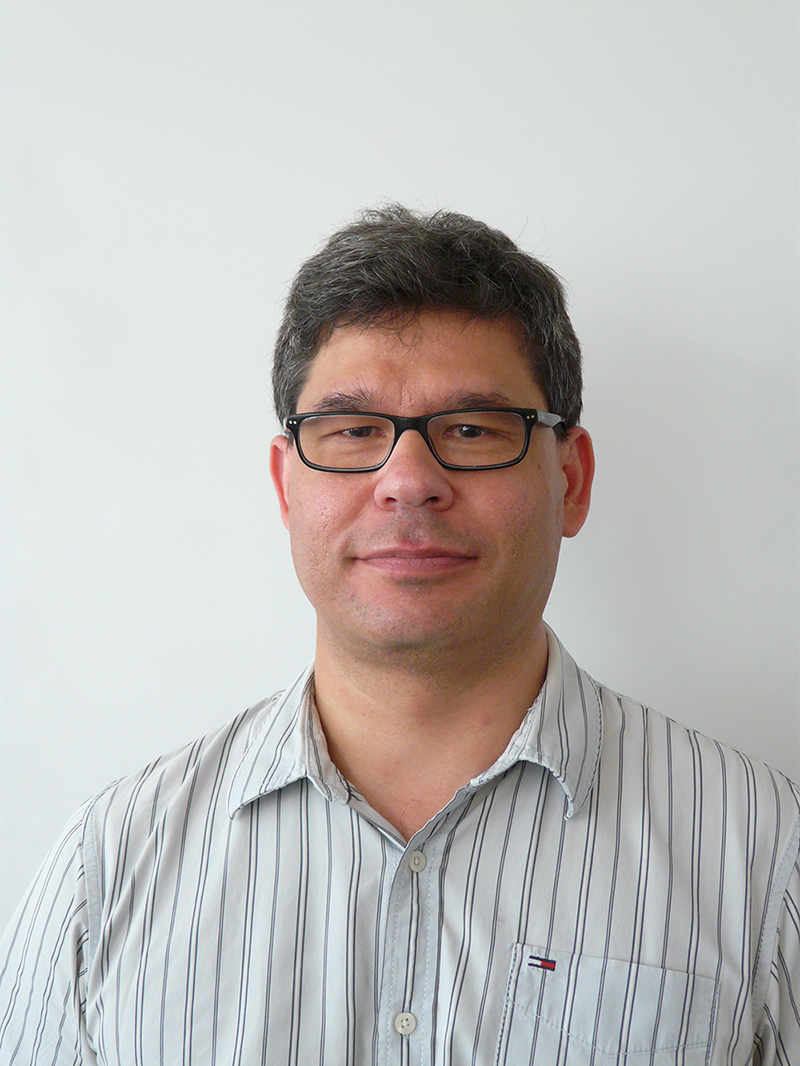
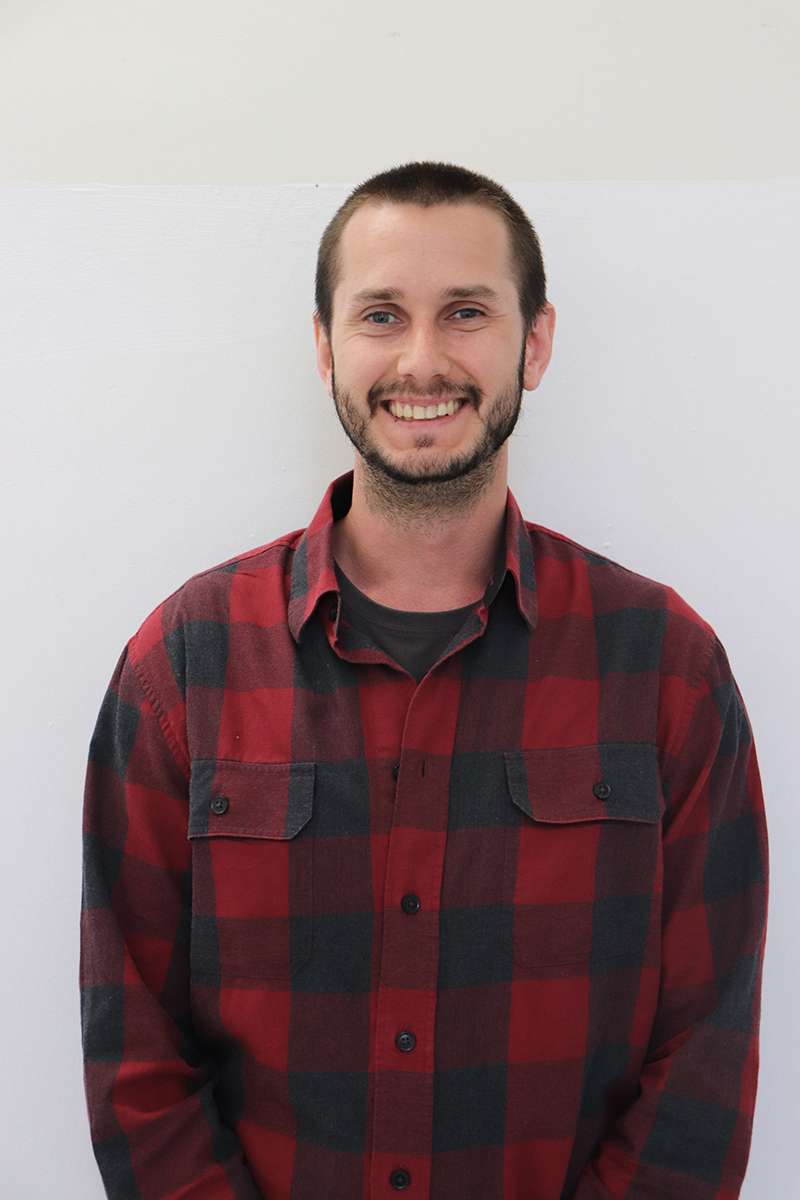
Carlos Rodriguez-Abreu is the leader of the Colloid and Interface Chemistry team at the Institute for Advanced Chemistry of Catalonia, and is also affiliated with the Networking Research Center for Biomedical Research (CIBER). He is Scientific Director of the NANBIOSIS nano-structured liquids characterization unit, registered as an ICTS by the Spanish government (“Singular Scientific and Technical Infrastructures”). He obtained his PhD at Yokohama National University (Japan) with a Monbusho scholarship and was also awarded a postdoctoral fellowship from the Japanese Society for the Promotion of Science (JSPS). He has also received the Juan de la Cierva and Ramón y Cajal fellowships from the Spanish government. He has more than 20 years of research experience in the fields of molecular self-assembly, colloids and nanomaterials. He has participated in numerous publicly and privately funded projects in several countries. He has been Principal Investigator and coordinator of the nanomaterials synthesis unit at the International Iberian Nanotechnology Laboratory (Portugal). He has been a visiting researcher twice at the National Institute for Material Science (NIMS) in Japan.
His scientific contributions include the formulation and characterization of surfactant liquid crystals, polymers and dyes and other molecular assemblies, the synthesis of structured nanomaterials using molecular and colloidal templates, and the development of nanocolloids for biomedical applications. He has been editor of the book “Nanocolloids” (Elsevier) and a member of the editorial board and guest editor of special issues of Colloid and Surfaces A (Elsevier). He was Senior Associate Editor of the Journal of Surfactant and Detergents (American Oil Chemists’ Society-Wiley). He is currently Section Editor of Current Opinion in Colloid and Interface Science (Elsevier) and a member of the editorial board of the Journal of Dispersion Science and Technology (Taylor and Francis). He has served as a project reviewer for various national and international institutions. His scientific and technological interests focus on molecular and colloidal self-assembly in soft matter as a vehicle for bottom-up fabrication of nanomaterials.
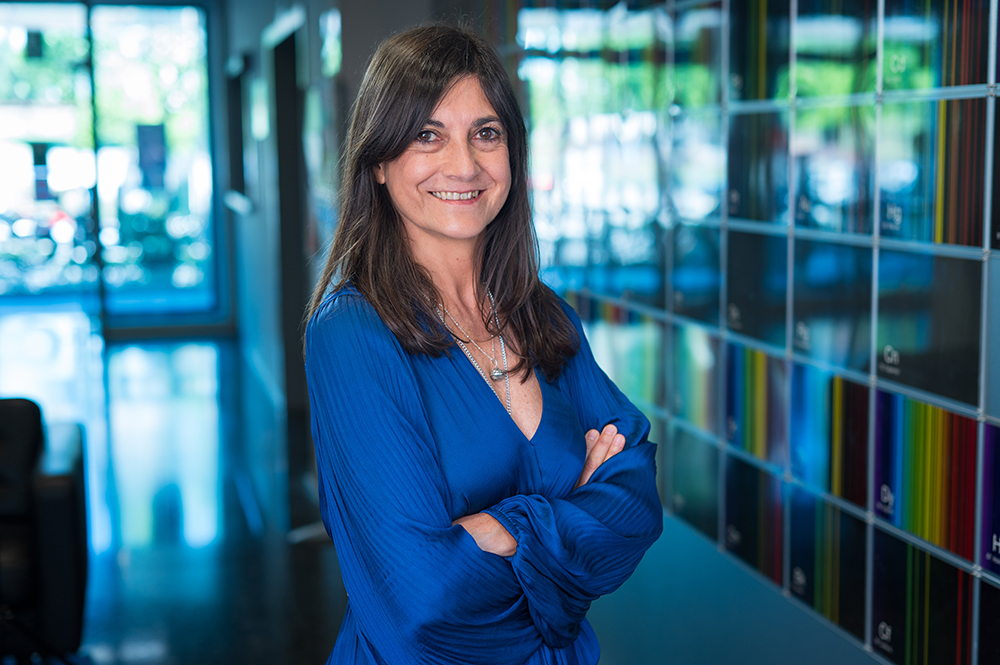
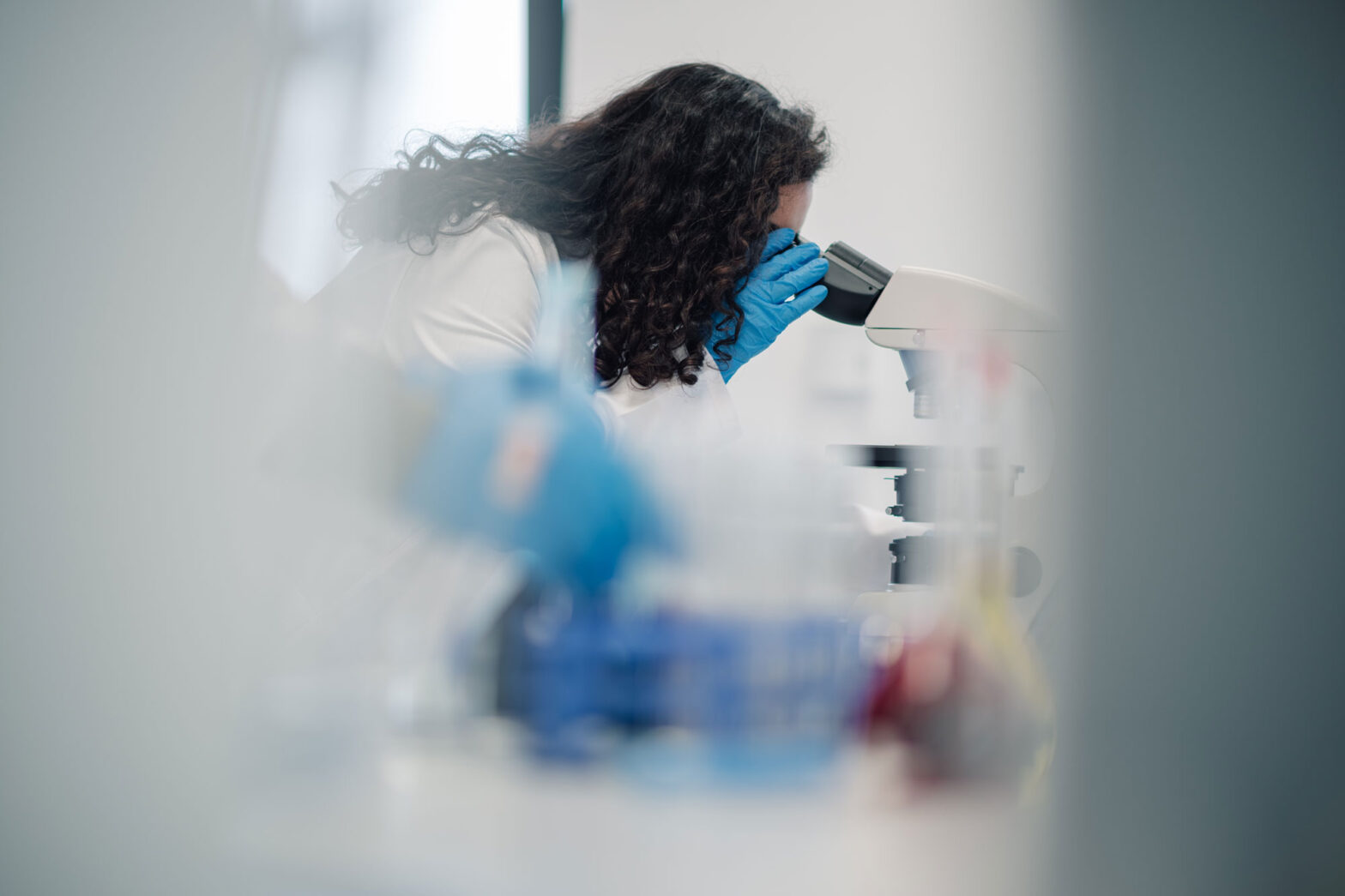
My scientific proposals integrate biophysical, biochemical, physicochemical and technological aspects applied to biological substrates with a strong lipid component, aimed at improving health. My research focuses on colloidal systems in which lipids and amphiphilic molecules are key, including liposomes, micelles and lipid gels. I also explore complex biological tissues such as skin and, more recently, mucous membranes and central nervous system tissue.
I am advancing the adaptation of high-resolution technologies for the study of these systems and tissues. I currently supervise two doctoral theses and participate in several nationally and European-funded projects, as well as having three active licensing agreements for the exploitation of patents. I have participated in 31 R projects in competitive calls and have published 129 articles, presented 84 communications and supervised 9 doctoral theses. I collaborate with international research groups, having completed a project with MIT and participating in other European projects. I carry out science outreach activities and collaborate with the private sector through R+D Contracts.
In 2012, I co-founded Bicosome S.L., a company dedicated to technological development.
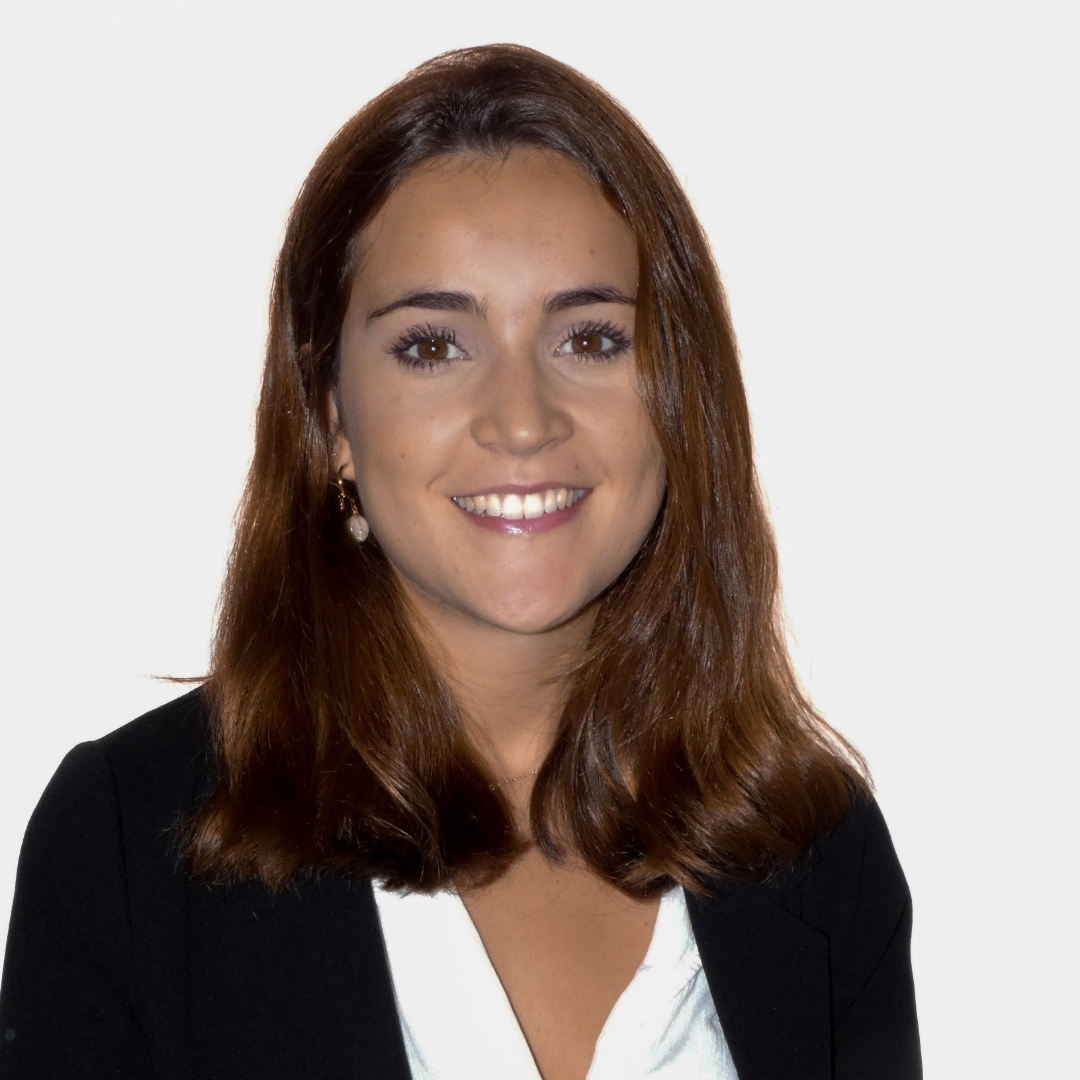
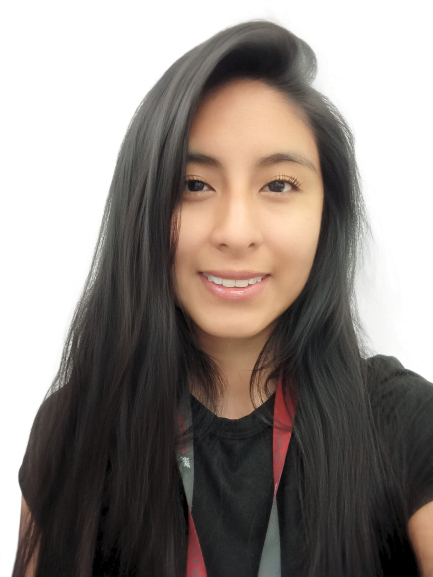
I am a predoctoral researcher at IQAC-CSIC and a member of the Nb4D group, where my work focuses on the development of immunochemical techniques for the detection of Quorum sensing molecules in Staphylococcus aureus.
During my degree in Biochemistry at the University of Barcelona (UB), I completed a six-month stay at the University of Gothenburg, in the Department of Chemistry and Molecular Biology, strengthening my experience in drug development, as well as an international stay at the Autonomous University of Nuevo León, participating in a biomedical and genetic research project.
Subsequently, I completed a master’s degree in Nanoscience and Nanotechnology at UB, deepening my study of nanomaterial applications in biotechnology. Throughout my doctorate, I have acquired experience in antibody production, ELISA development and conjugation techniques. In addition, I have received training in intellectual property, including a three-month course taught by the European Patent Office (EPO) on types of intellectual property and pre- and post-application processes, and I have actively participated in the drafting of a patent related to my research.
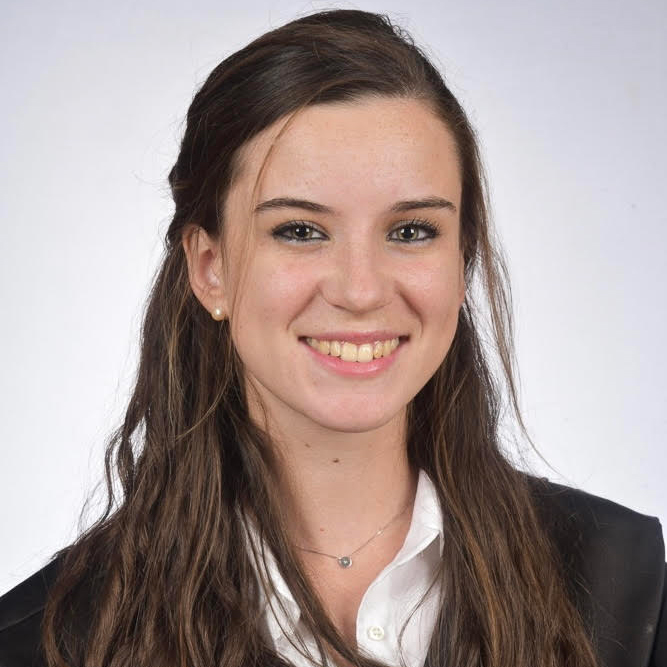
Biomedical scientist with a Master’s degree in Pharmacology. PhD candidate in Biotechnology. She researches new immunochemical methods based on Quorum sensing with the aim of improving the diagnosis of Pseudomonas aeruginosa infections.
I am from Ecuador. I graduated in Biochemistry and Pharmacy in Ecuador and subsequently completed a Master’s in Biomedicine at the University of Cádiz. I am currently pursuing a PhD in Drug Research, Development, and Control at the University of Barcelona, at IQAC-CSIC.
I am passionate about science, creativity, and innovation, and my goal is to contribute to the development of new therapeutic strategies in biomedicine. Outside the lab, I enjoy playing football, reading books in English, and listening to music.
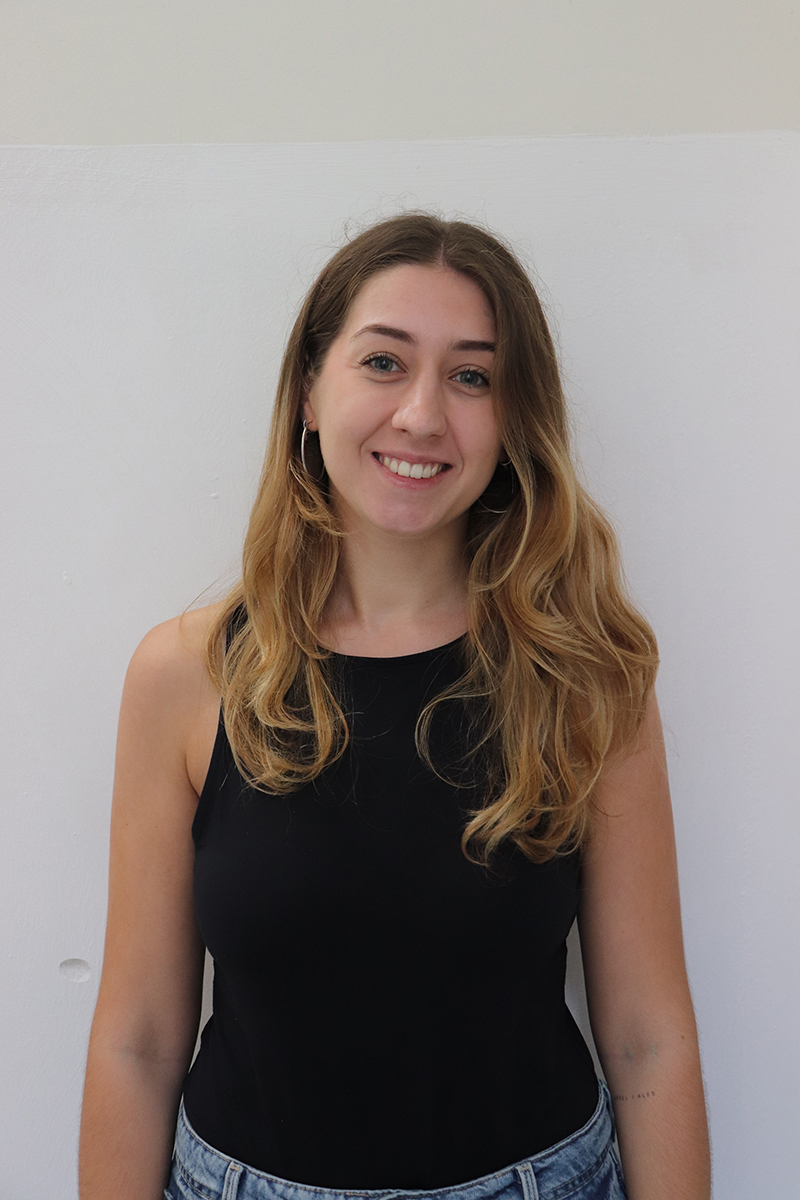
I hold a degree in Biology and a Master’s in Biomedical Research. I am currently a PhD student in the Nanomedicine for Therapeutic Applications group, where I participate in the MELINA (Machine Learning and Artificial Intelligence for Nanomedicine Optimisation) project. This project focuses on the development of polymeric micelles for targeted drug delivery in the treatment of diseases, as well as the creation of advanced tools that integrate machine learning into all phases of nanomedicine development, from synthesis to evaluation in cellular models.
I combine my research with a Master’s in Bioinformatics and Biostatistics at the Universitat Oberta de Catalunya (UOC), integrating experimental and computational approaches to advance nanomedicine research.
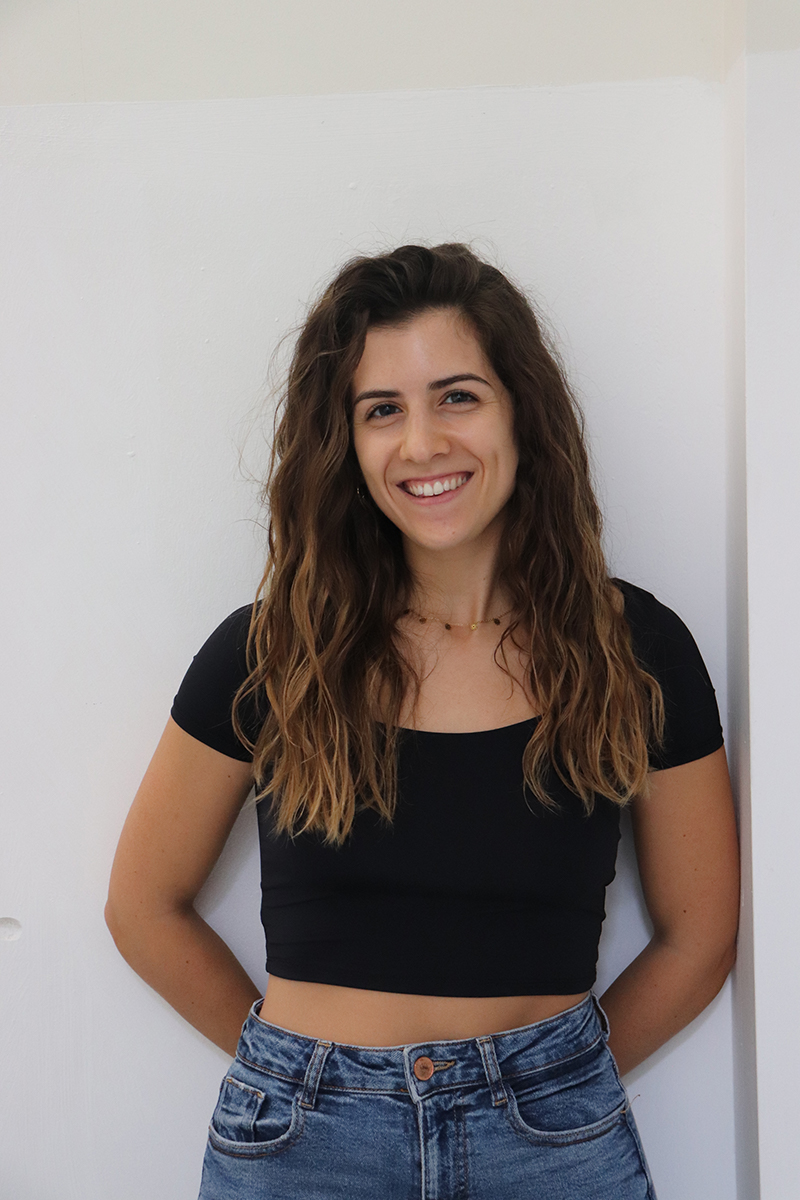
I studied Nanoscience and Nanotechnology, followed by a Master’s degree in Drug Research, Development, and Control. I am currently pursuing a PhD in Organic Chemistry, focused on the development, synthesis, and characterization of drug delivery systems for the treatment of breast and colon cancer.
With a degree in Pharmacy and a Master’s in Molecular Biotechnology, I have developed a solid multidisciplinary background combining organic chemistry, molecular biology, and clinical research. My laboratory experience includes extensive work in chemistry during my undergraduate and master’s theses, as well as a stay at the Faculty of Pharmacy at the Universität Bonn (Germany), where I developed a mutagenic cell line using molecular biology techniques.
After completing my studies, I worked in several Clinical Trial Units, including those at Vall d’Hebron and Clínic hospitals in Barcelona. During the COVID-19 pandemic, I worked at Cruces University Hospital, the largest hospital in the Basque Country, first as a clinical trial pharmacist and later as a Clinical Research Associate (CRA), ensuring the correct execution of studies in accordance with Good Clinical Practices (GCP) and ethical standards.
Additionally, I gained project management experience by participating in the implementation of the CSIC Chemical Library at the Institute for Advanced Chemistry of Catalonia (IQAC-CSIC) and working as a technician in the SIMChem group on industrial projects, before starting my PhD in Biotechnology in the Nanobiotechnology for Diagnostics (Nb4D) group.
I am a predoctoral researcher at IQAC-CSIC, where I am pursuing my PhD in computational biochemistry within the Computational and Theoretical Chemistry group. Supported by an FPU grant, my research focuses on the design of nanobodies for the detection and binding of small molecules, in collaboration with the Nb4D group.
I hold a degree in Chemistry and a Master’s in Computational Modeling and Theoretical Chemistry, both from the University of Barcelona. Throughout my studies, I developed a strong passion for programming and computational methods. Currently, my main interest is to improve and develop computational techniques for nanobody design, with the aim of expanding their applications in various fields.
Among other tools, I use deep learning techniques for design, structural prediction, and docking, as well as molecular dynamics simulations. I am also expanding my training in machine learning and artificial intelligence to enhance my research.
Manage Cookie Consent
To provide the best experiences, we use technologies like cookies to store and/or access device information. Consenting to these technologies will allow us to process data such as browsing behavior or unique IDs on this site. Not consenting or withdrawing consent, may adversely affect certain features and functions.
Functional
Always active
The technical storage or access is strictly necessary for the legitimate purpose of enabling the use of a specific service explicitly requested by the subscriber or user, or for the sole purpose of carrying out the transmission of a communication over an electronic communications network.
Preferences
The technical storage or access is necessary for the legitimate purpose of storing preferences that are not requested by the subscriber or user.
Statistics
Storage or technical access that is used exclusively for statistical purposes.The technical storage or access that is used exclusively for anonymous statistical purposes. Without a subpoena, voluntary compliance on the part of your Internet Service Provider, or additional records from a third party, information stored or retrieved for this purpose alone cannot usually be used to identify you.
Marketing
The technical storage or access is required to create user profiles to send advertising, or to track the user on a website or across several websites for similar marketing purposes.