


Departamento Archives
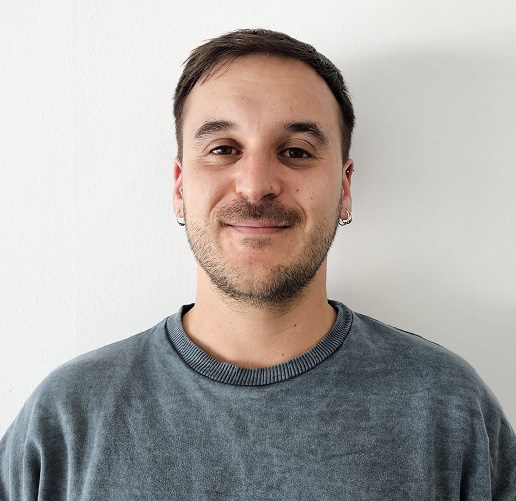
Noèlia Loza Rodríguez
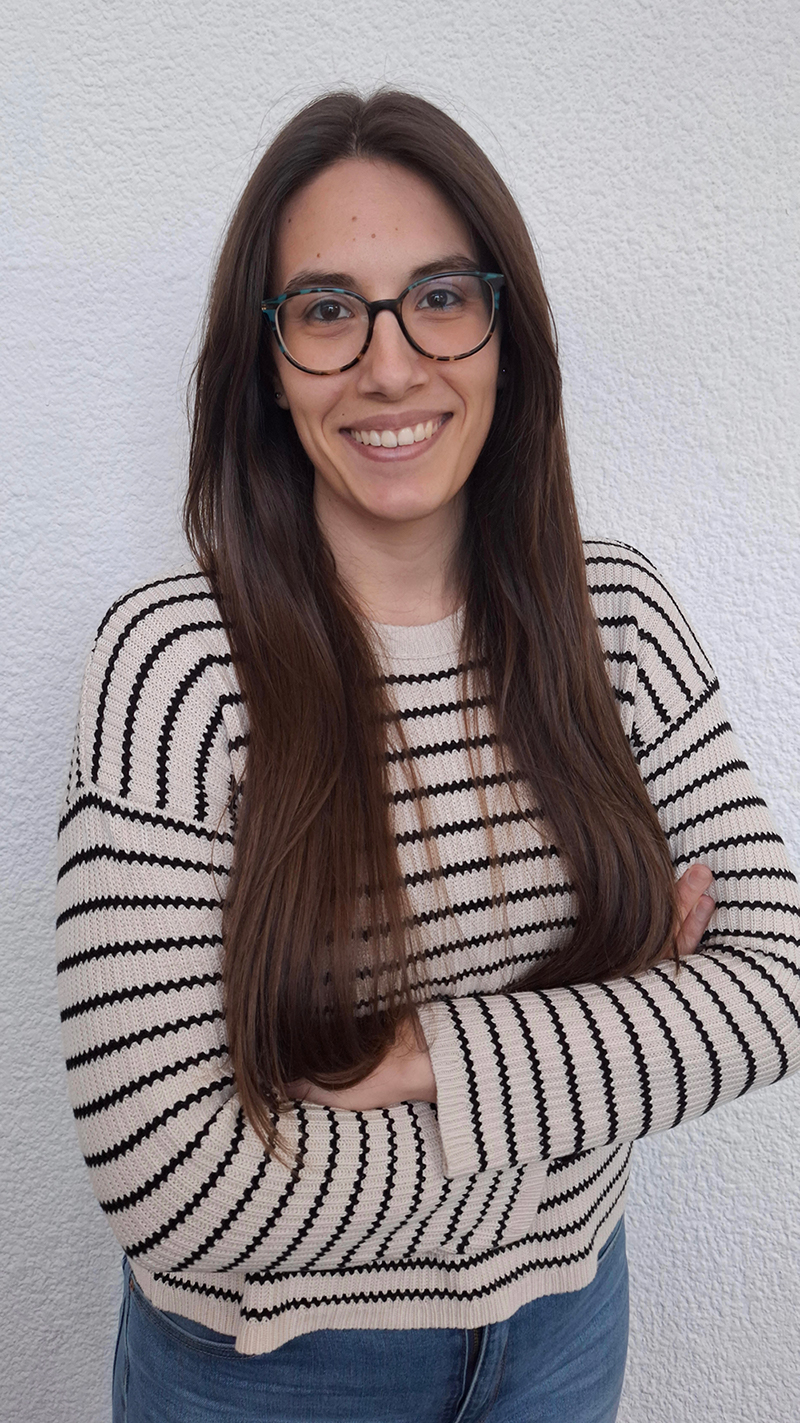
Noèlia Loza works in collaboration with Bicosome S.L. and the IQAC-CSIC. She holds a degree in Chemistry from the Universitat Autònoma de Barcelona (UAB) and a Master’s degree in Fine Chemistry and Polymers, as well as a Master’s degree in Industrial Chemistry and Introduction to Chemical Research, both obtained at UAB.
Before starting her PhD, she gained professional experience in various companies within the cosmetic and pharmaceutical sectors. She completed her doctoral thesis in 2025 under the supervision of Dr. Olga López (IQAC-CSIC) and Dr. Gelen Rodríguez (Bicosome S.L.).
Her doctoral research focused on the development, characterization, and industrialization of two advanced gel-based systems, composed exclusively of lipids and water. The main objective was to design and characterize these gels as topical delivery vehicles, capable of efficiently incorporating and releasing active molecules to improve skin and mucous membrane health. As a result of this work, she has published four scientific articles.
Marta López Corrales
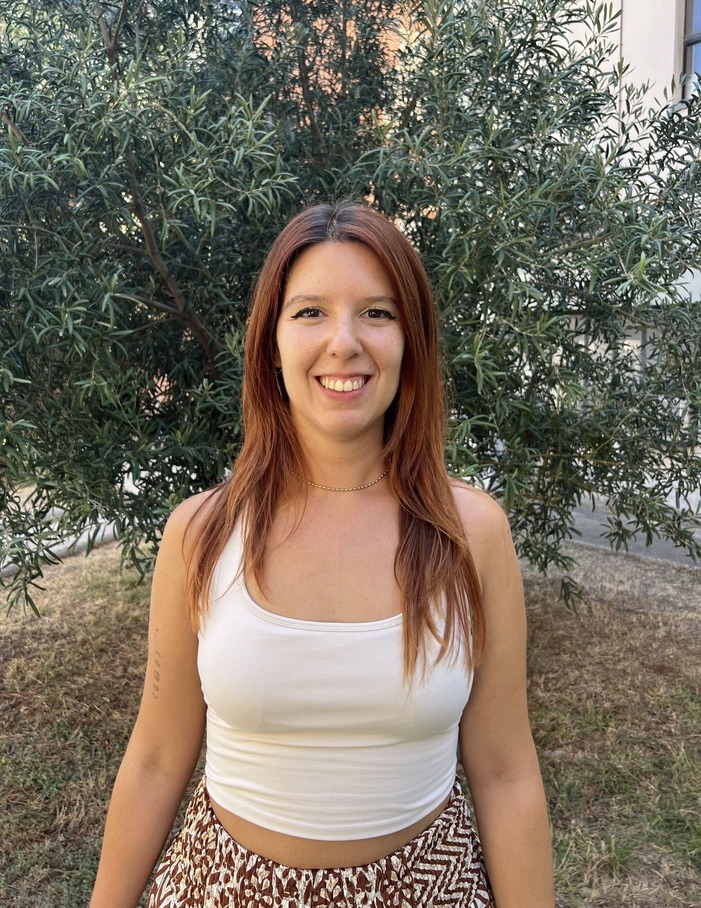
Marta López Corrales is a postdoctoral researcher in the Multivalent Systems for Nanomedicine group. She studied Chemistry at the University of Barcelona (UB) and subsequently completed a Master’s degree in Organic Chemistry at the UB under the supervision of Vicente Marchán. She remained in the same research group to pursue her PhD studies, which focused on the development of novel visible-light photoactivatable therapeutic tools based on COUPY coumarins for cancer treatment.
After completing her phD, she joined the Multivalent Systems for Nanomedicine group to conduct postdoctoral research alongside Miriam Royo.
Currently, her research focuses on the development of targeted nanosystems based on self-assembled multivalent drug-OEG conjugates, as well as the encapsulation of drugs in targeted Soluplus hybrid polymeric micelles.
Lourdes Pérez Muñoz

Lourdes Pérez obtained her PhD in Chemistry in 1997 from the University of Barcelona, where she studied the physicochemical and biological properties of arginine-based gemini surfactants. The research she has conducted over the last 25 years focuses on the field of biocompatible surfactants, and her main objective is the development of non-toxic and biodegradable surfactant compounds from renewable natural products.
Throughout her career, she has worked on the following areas: a) design and synthesis of new surfactant compounds with lower toxic activity than those commercially available, b) study of their physicochemical, biological, and ecotoxicological properties, c) elucidation of the interaction mechanism between surfactants and the cell membrane to explain toxicity, d) antimicrobial and antibiofilm activity of these compounds, and e) formulation and study of antimicrobial vesicles and nanoparticles.
Results of great interest have been obtained in the field of sustainable chemistry, which has favored their transfer to the industrial sector. She has published more than 115 scientific articles in international peer-reviewed journals, has supervised 3 doctoral theses and 10 master’s projects, and is a co-inventor of 11 patents.
Daniel Pulido Martínez
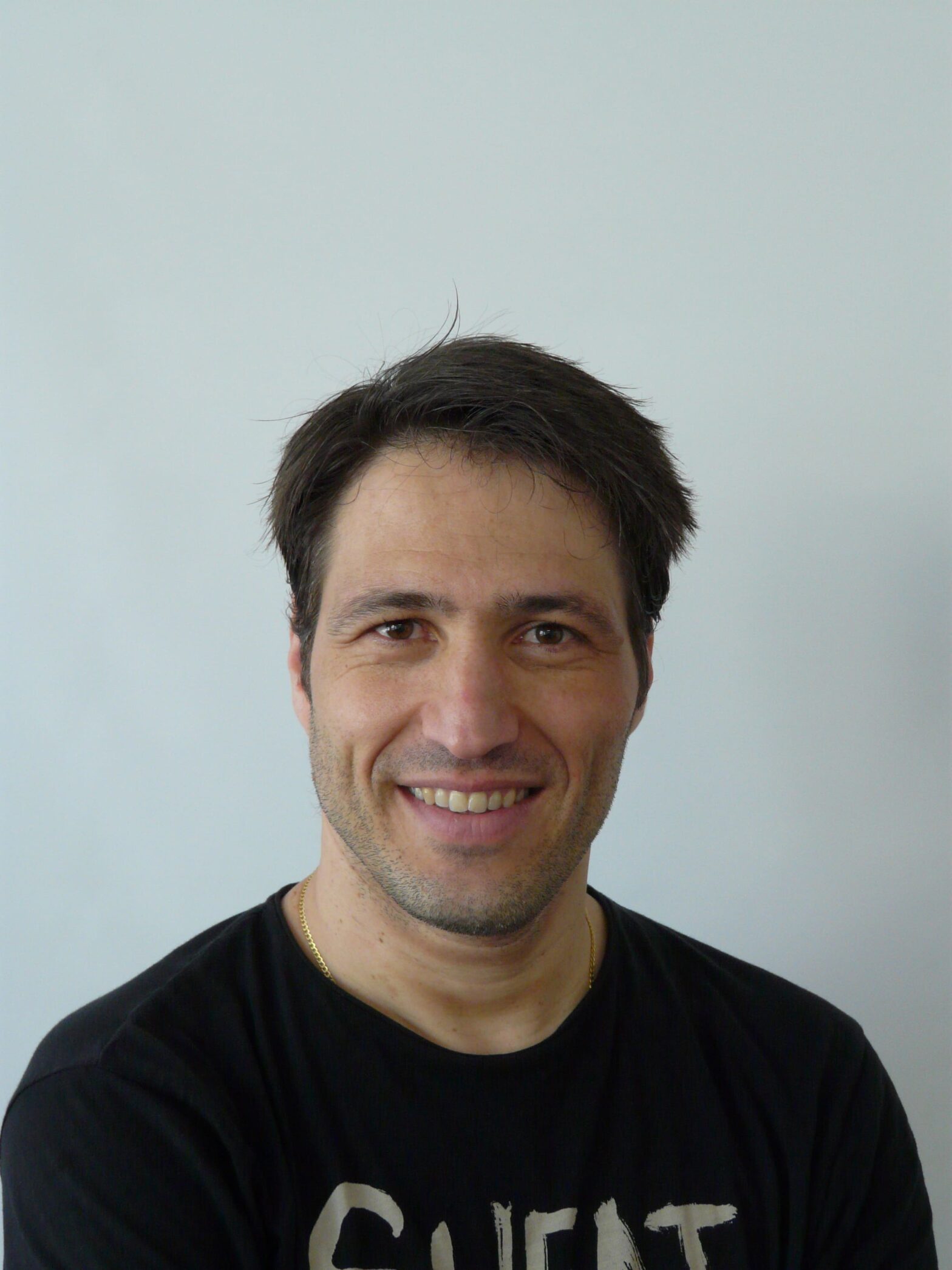
BSc in Chemistry (2001, UB) and PhD in Organic Chemistry (2007, UB) in the field of synthesis and applications of oligonucleotides and peptides. After my PhD, I joined CIBER-BBN, first as a postdoctoral researcher and later as an associate researcher (2007-2023). During this period, I completed two short research stays at the University of Tartu (Estonia), where I learned phage display techniques for the discovery of new peptide ligands. Since 2023, I have been a Tenured Scientist at IQAC-CSIC and a member of the “Multivalent Systems for Nanomedicine (MS4N)” group.
My research interests focus on the design and synthesis of new biocompatible multivalent/multimodal chemical platforms, such as dendrimers, polymers, micelles, and lipid nanovesicles, and the study of their applications in biomedicine. My main lines of research include: 1) development of drug delivery systems for the treatment of pathologies such as cancer (colorectal, breast, and glioblastoma) or lysosomal diseases (rare diseases such as Fabry or Pompe), 2) development of chemical tools to study G protein-coupled receptors and their application as therapeutic agents in movement-related diseases, and 3) development of targeting units (peptides, small molecules) or vectors to promote the accumulation of therapeutic delivery systems in specific cells, tissues, or organs.
Carme Fàbrega Claveria
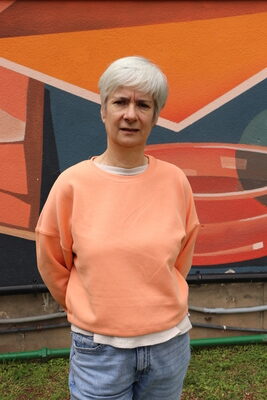
I began my academic career with a degree in Chemistry and a PhD supervised by Ramón Eritja Casadellá on the incorporation of modified bases with mutagenic properties into synthetic oligonucleotides to study their structural and biological properties. In 1997, I moved to the Scripps Institute for a postdoctoral stay in the field of aminoacyl-tRNA synthetases in Paul Schimmel’s group. Subsequently, I completed a postdoctoral stay at the Weill Medical School in New York in Christopher D. Lima’s group, where I studied the capping process of the 5′ end of messenger RNA. My own research line, based on the development of new families of inhibitors of two proteins responsible for DNA repair as adjuvants in chemotherapy, was consolidated through a Miguel Servet contract to join the National Cancer Research Centre.
In 2009, this research line was consolidated at IRB Barcelona. Since 2021, I have been a Research Scientist at IQAC-CSIC. My research projects include the design of drug delivery vectors, the study of mutagenesis and DNA repair, the inhibition of repair proteins, the synthesis of oligonucleotide conjugates with lipids, peptides and proteins, and other therapeutic applications.
Natalia Garcia Aranda
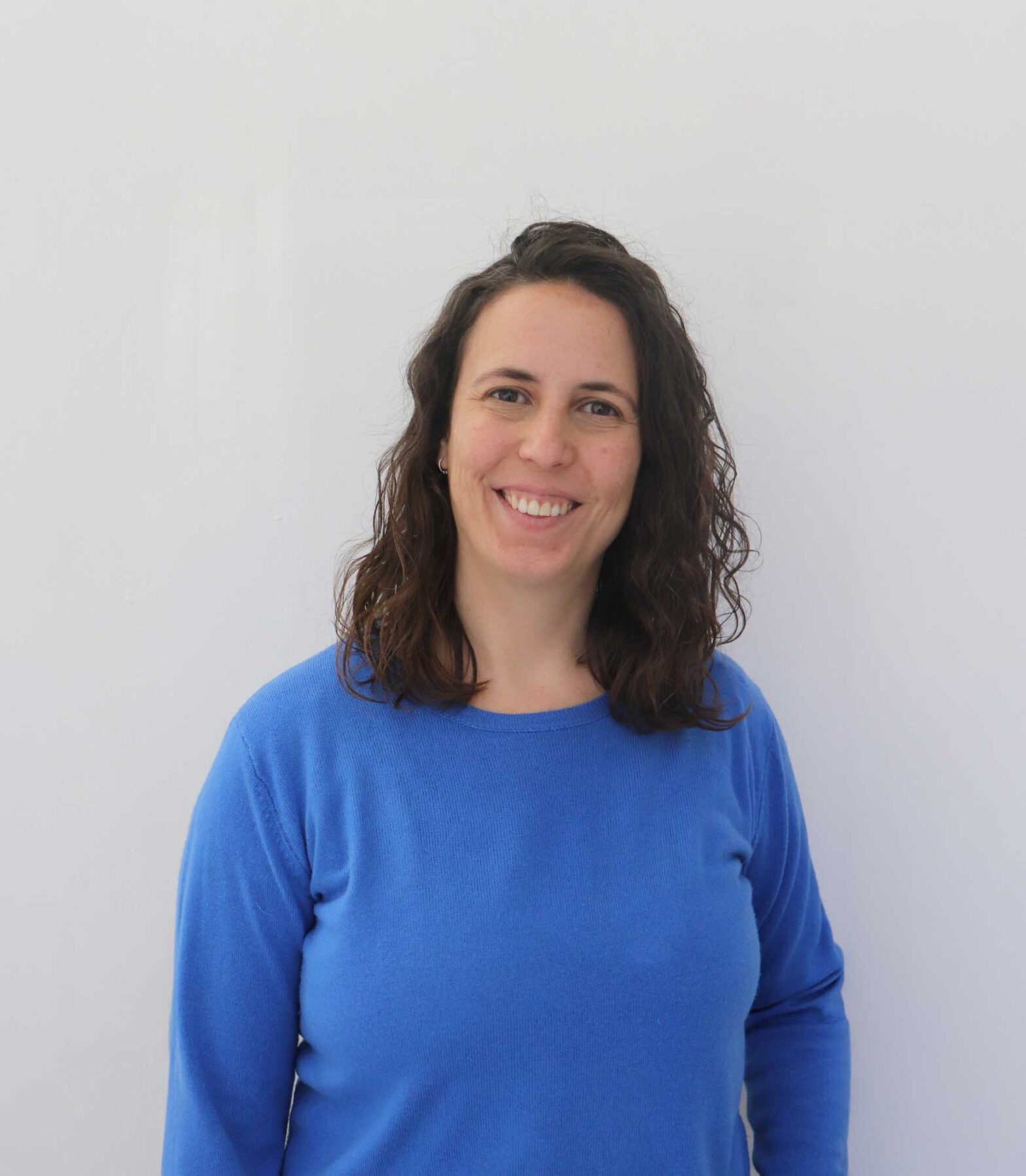
Laboratory technician (Advanced Vocational Training, CFGS) with extensive experience in research groups such as Lipid Metabolism and Lipases (Universitat de Barcelona) and Functional Validation and Preclinical Research (CIBBIM-Nanomedicine at Vall d’Hebron Research Institute (VHIR)). She is currently part of the IQAC-CSIC Nanomedicine for Therapeutic Applications group.
In these groups, she has carried out the following tasks:
Molecular biology: bacterial growth; gene cloning and sequencing; extraction, quantification and analysis of DNA, RNA and proteins; qRT-PCR, Western blot and ELISA; neutralising antibody assays; tissue processing and lipid extraction; TLC and immuno-TLC; enzymatic activities (alpha-galactosidase).
Cell biology: culture of tumour cell lines and primary cultures (endothelial cells from Fabry mice); retroviral and lentiviral transfections and infections; cell viability and proliferation assays, cell cycle analysis and apoptosis; adhesion, migration and suspension viability techniques; luciferase reporter assays; flow cytometry; ROS and ATP assays; immunotoxicity, platelet aggregation and coagulation.
Idoia Cami Daviu

Montse Rodríguez Nuñez
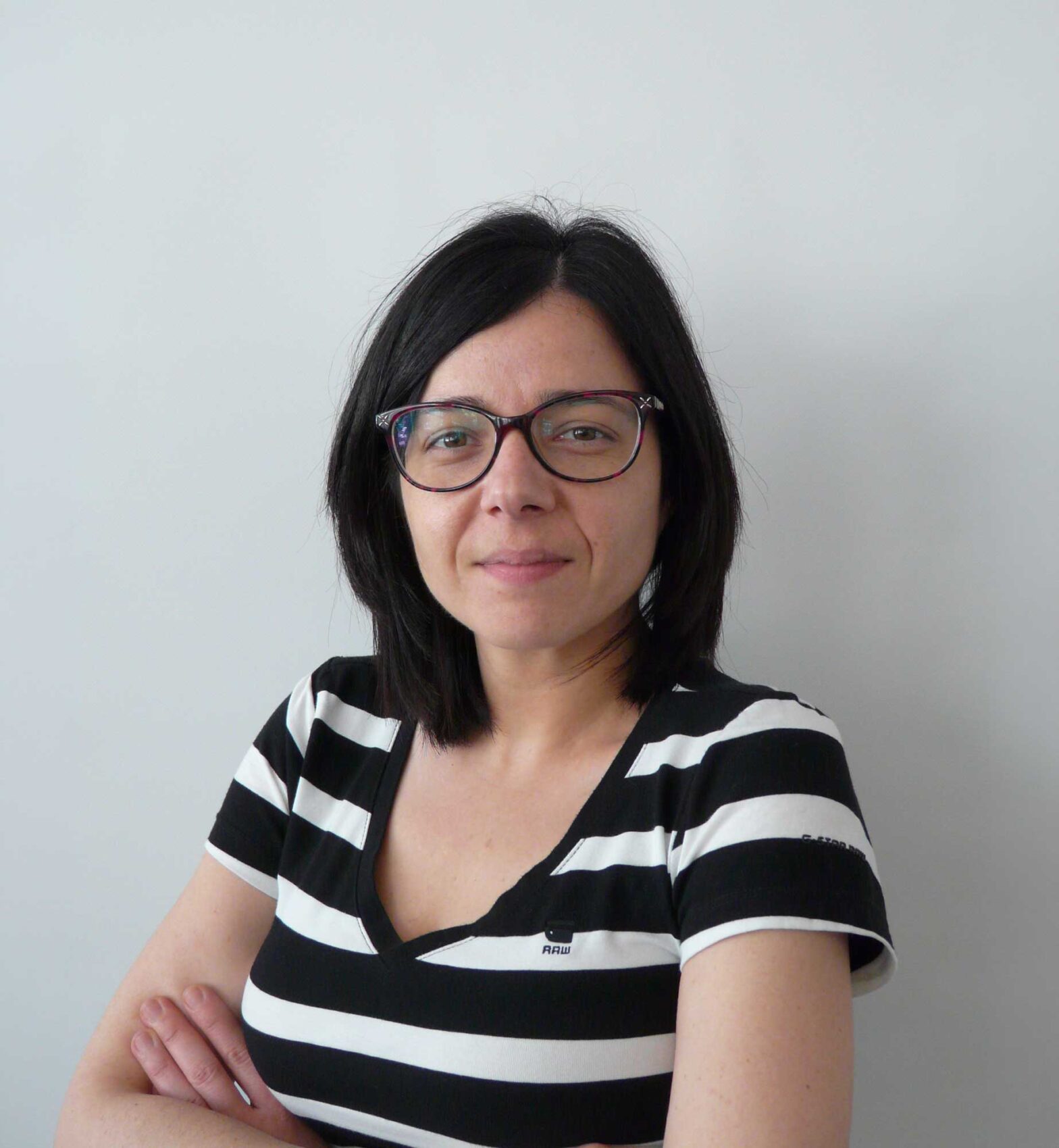
Montserrat Rodríguez Núñez (CSIC scientist) has been part of the Nb4D group since 2011 and currently holds a permanent position as scientific staff within the group. She obtained her PhD in Chemistry from the University of Barcelona in 2011. Dr Rodríguez-Núñez has solid experience in the design, chemical synthesis and characterisation of bioactive molecules; the development of immunochemical techniques; and the preparation of (bio)hybrid nanoparticles. In addition, Dr Rodríguez-Núñez has extensive experience in the management and leadership of both national and international research projects.
Francesc Bejarano Badell

PhD in Materials Science, Bachelor’s and Master’s degree in Chemistry from the Universitat Autònoma de Barcelona. After completing my PhD at ICMAB-CSIC (graduated in 2018), developing organic compounds for molecular electronics applications, I spent a year in the chemical industry performing R roles.
I subsequently returned to the Spanish National Research Council (CSIC), joining the Nanobiotechnology for Diagnostics (Nb4D) group at IQAC-CSIC in 2020.
My responsibilities include project management during the application and execution phases, maintaining an ISO 9001 quality management system, communication and outreach activities, as well as monitoring key performance indicators (KPIs) for institutional evaluations (CSIC PCO, CIBER) and external requirements (TECNIO certification, participation in networks, etc.).