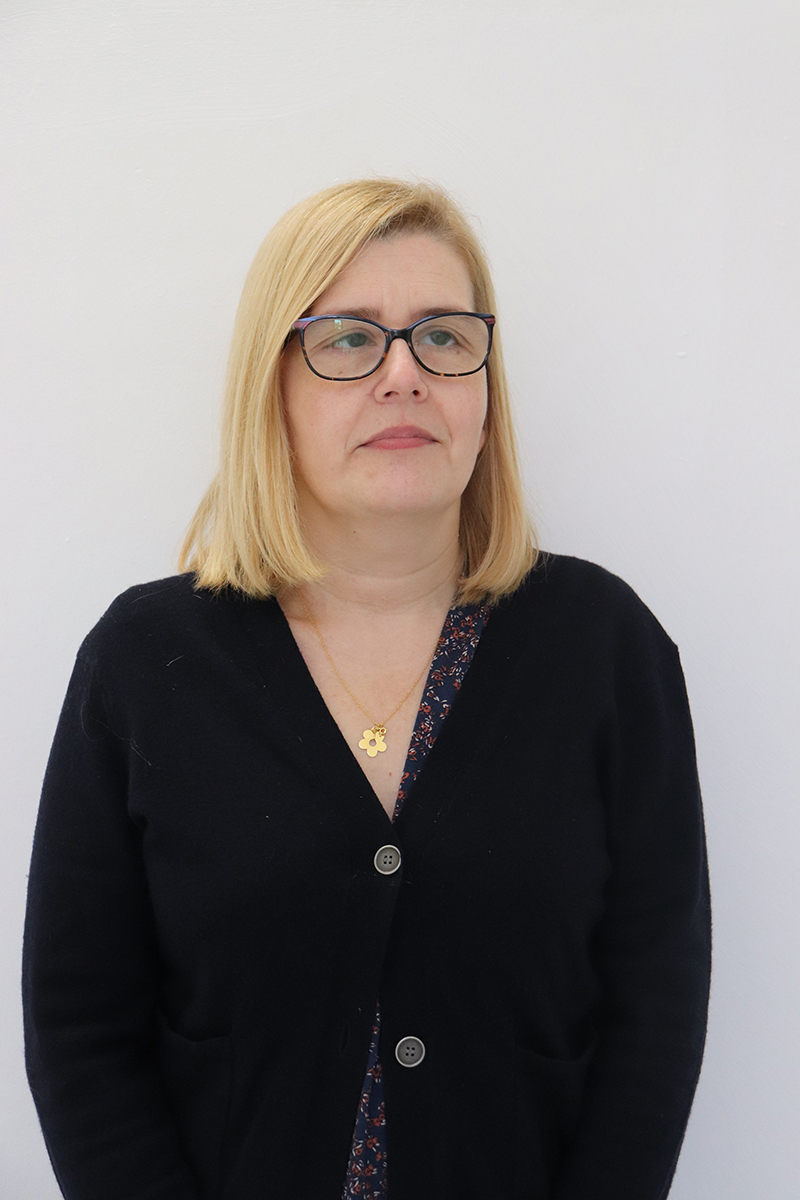
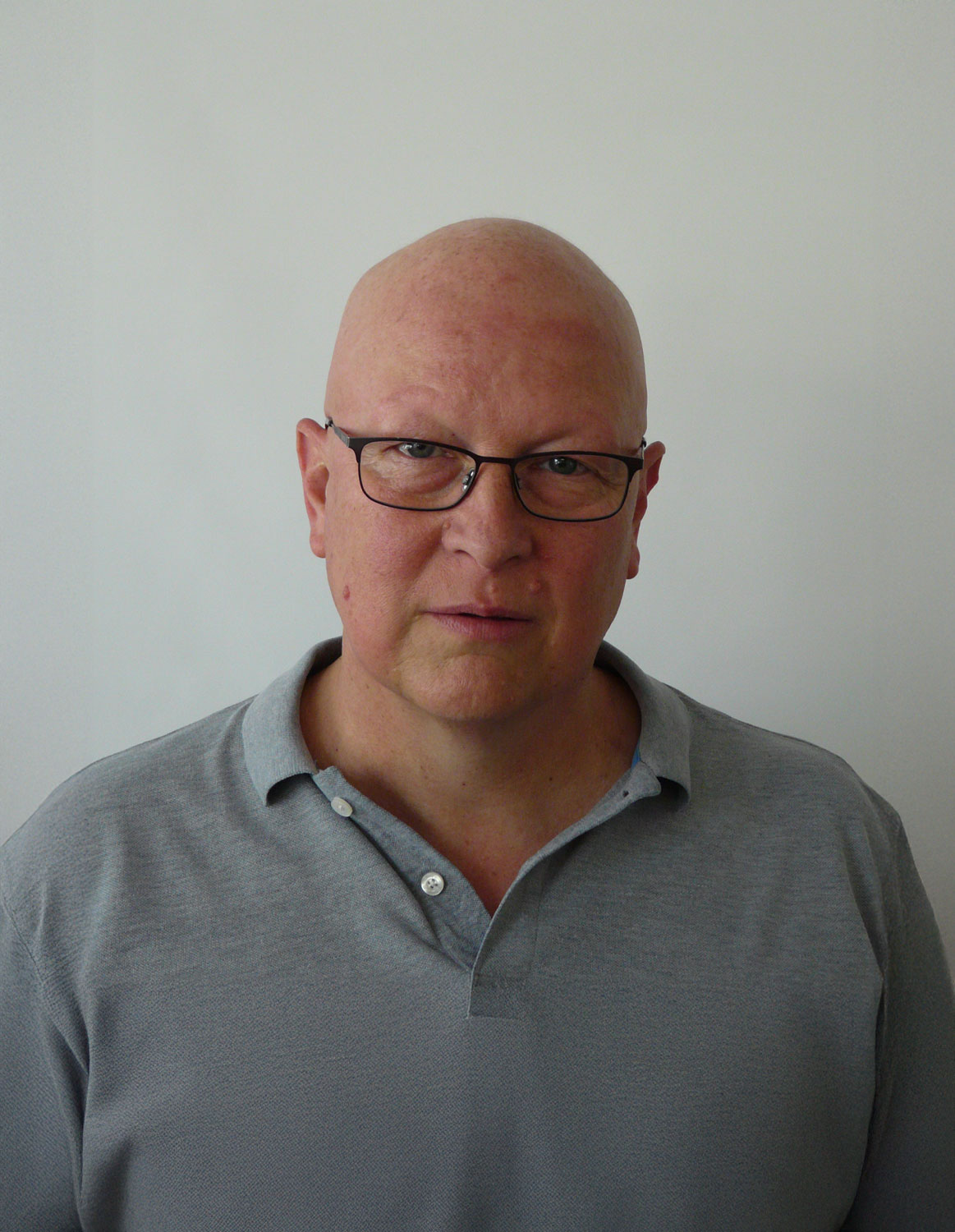
Maria Luisa Romero

How did life arise on Earth? This fundamental question has driven my scientific curiosity and remains at the heart of my research. It has led me to explore key issues: how stable were primordial proteins? Were the early oceans thermophilic? How did the basic molecules of life emerge and evolve to enable the self-organization of the first cells? And, crucially: how does the Central Dogma work—how does the flow of information from DNA to RNA and to proteins shape the complexity of life?

My interdisciplinary background—spanning chemistry, biophysics and biology—has enabled me to address these questions and contribute to understanding the fundamental principles underlying the origin and evolution of cellular life. I believe that modern proteins hold the key to answering these mysteries. Their sequences, structures and functions encode a rich evolutionary history. Using tools such as ancestral protein reconstruction and in vitro evolution, we can decode this history, infer ancient protein sequences and reconstruct their functions. By linking prebiotic chemistry with modern biology, my research aims to shed light on how life emerged from abiotic reactions and evolved into the complex systems we observe today.

Learn more at romeroromerolab.org
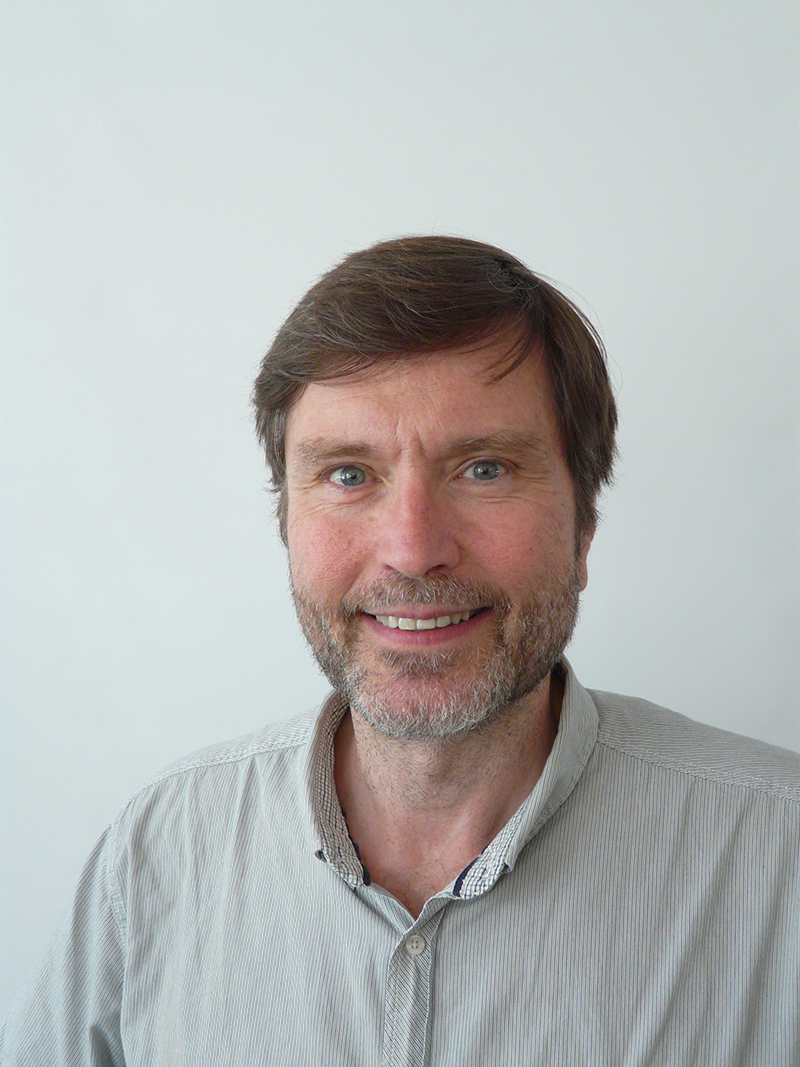
Josep Lluis Torres

J.L. Torres’s research in the Biotransformation group focuses on the preparation and in vivo evaluation of natural products of plant origin for use as disease-preventing agents. In particular, nutraceuticals (e.g., antioxidant polyphenols and iminosugars) are obtained from agricultural by-products or through sustainable biotechnological methods. Prof. Torres’s current interest is the development of microalgae as new sources of high-quality protein and functional ingredients for human nutrition. The biological activities studied in nutraceuticals are related to the control of inflammation and oxidative stress, harmful processes present in many high-incidence pathologies, especially metabolic syndrome, cardiovascular diseases, and type 2 diabetes.

J.L. Torres is the Scientific Director of the Calorimetry Core Facility at IQAC-CSIC and a member of the Consolidated Group of Adaptive Physiology of the Catalan Research System, integrated into the Institute of Research in Nutrition and Food Safety of the University of Barcelona, with the “Maria de Maeztu” Seal of Excellence from the Spanish government.

Pere Clapés

I obtained my degree and PhD in Chemistry at the University of Barcelona (1988) and carried out postdoctoral research at the Center for Chemistry and Chemical Engineering at Lund University (Sweden) between 1989 and 1991. In 1993, I began my independent research career at the Spanish National Research Council (CSIC), joining The Institute for Advanced Chemistry of Catalonia (IQAC) in Barcelona, where I am currently a Research Professor and Head of the Biotransformation and Bioactive Molecules group.

My research focuses on the use of biocatalysts in asymmetric C–X bond-forming reactions (X = C, N), with the aim of synthesising natural product analogues and developing new families of bioactive compounds at the interface between enzymology, synthetic organic chemistry and drug discovery. Throughout my career, I have published more than 190 scientific contributions, including articles, patents and book chapters, contributing to the development of sustainable and selective methodologies in chemical synthesis.

Ricardo Medina-García

Ricardo Medina-García, known as Rick among his friends, is originally from Santa Clara, Cuba. He earned his degree in Pharmaceutical Sciences from the Universidad Central “Marta Abreu” de Las Villas (UCLV) in 2021 and a Master’s in Sustainable Drug Discovery from Ghent University.

As part of his postgraduate studies, Ricardo completed his Master’s thesis in Sandy Schmidt’s research group at the University of Groningen in 2025, where he investigated PLP-dependent enzymes forming Cγ–X bonds for the development of new enzymatic cascades for the formation of ester and amide bonds.

Yolanda Pérez Ruiz

I hold a degree in Chemistry from the University of Barcelona and a PhD from the Department of Biochemistry and Molecular Biology at the Autonomous University of Barcelona, where I carried out a doctoral thesis focused on the biomedical applications of nuclear magnetic resonance (NMR). I subsequently pursued my research career in applied research projects for chemical and pharmaceutical companies, as well as in public research centres, including the Barcelona Science Park (PCB) and the Institute for Research in Biomedicine (IRB Barcelona), working in the field of biomolecular NMR. In 2010, I joined IQAC-CSIC as Head of the NMR Service, taking responsibility for the management, operation, and scientific supervision of the facility.

My scientific interests focus on the use of NMR in combination with other biophysical techniques to structurally characterise biomolecules and investigate molecular recognition processes and the non-covalent interactions in which they are involved in solution, ranging from the formation of intermolecular complexes to intramolecular interactions. As a result, I have developed a multidisciplinary research career based on my experience in areas such as chemical biology, biochemistry and molecular biology, protein NMR, and the characterisation of protein–ligand interactions.

Currently, my research focuses on the application of advanced NMR methodologies to biocatalysis and enzyme engineering, as a senior researcher in the Biotransformations and Bioactive Molecules group.

Jordi Bujons Vilas

Jordi Bujons earned his PhD in Organic Chemistry from the University of Barcelona in 1994. He subsequently moved to the University of British Columbia (Vancouver, Canada), where he completed a three-year postdoctoral stay in the group of Prof. A. G. Mauk, working on the generation and characterization of cytochrome c peroxidase enzyme mutants.

In 1998, he returned to the Institute for Advanced Chemistry of Catalonia, where he established himself as a CSIC Tenured Scientist in 2001, later joining the Biotransformations and Bioactive Compounds group (2006).

His research focuses on the computational design and mechanistic study of enzymes as biocatalysts in organic synthesis, with a particular emphasis on the stereoselective formation of C–X bonds. This work has enabled the rational optimization of the active sites of various enzymes, especially aldolases, with the aim of expanding substrate scope as well as improving catalytic efficiency and stereoselectivity.

Thanks to his expertise in molecular modeling, he has also contributed to a wide variety of projects in biological and medicinal chemistry, including the design of new apoptosis regulators, the study of GABAA receptor modulators, the modeling of supramolecular systems, and the development of PROTAC molecules targeting proteins of interest.