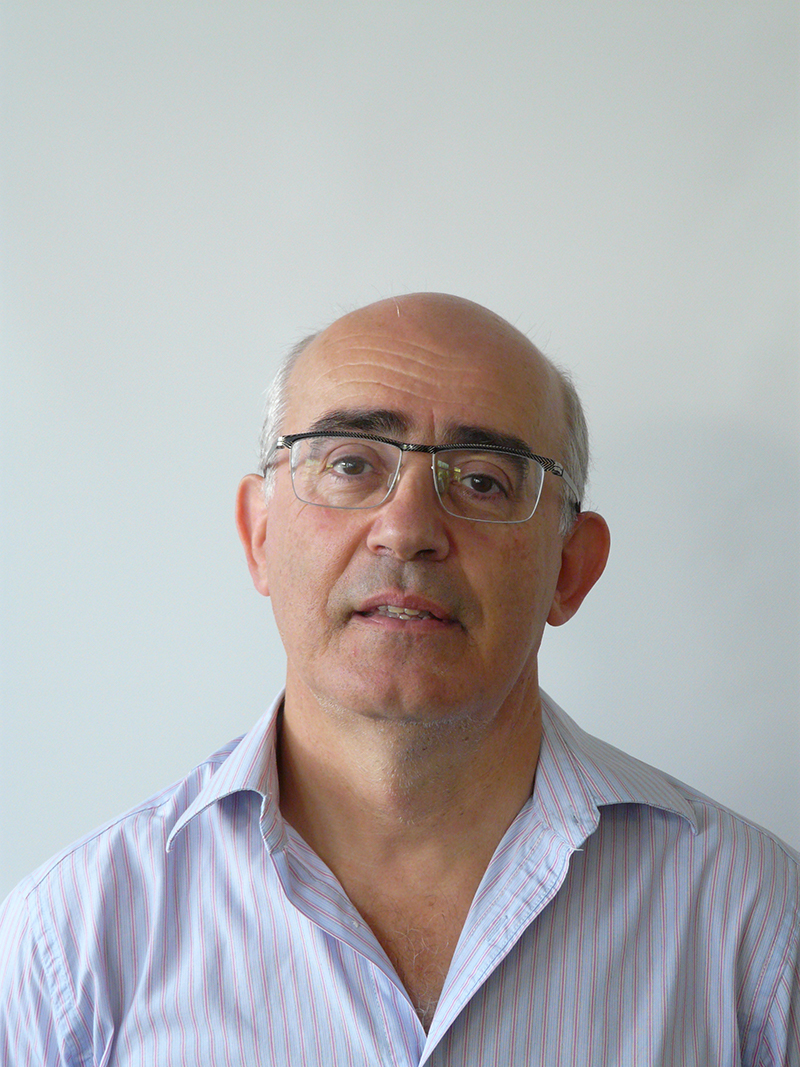
Prof. Ramon Eritja obtained his PhD in 1983 at the University of Barcelona under the supervision of Prof. Giralt in peptide synthesis. He conducted postdoctoral training in oligonucleotide synthesis at the Beckman Research Institute of the City of Hope (Dr. B. Kaplan and K. Itakura) from 1984 to 1987, and at the University of Colorado at Boulder (Dr. M. H. Caruthers) from 1987 to 1988. He returned to the University of Barcelona in 1988. He was group leader at CSIC in Barcelona from 1990 to 1994. Subsequently, he was group leader and director of the central DNA synthesis unit at the European Molecular Biology Laboratory (EMBL), Heidelberg (Germany), from 1994 to 1999.
He has been a research professor at CSIC in Barcelona since 2000 to the present. He was director of The Institute for Advanced Chemistry of Catalonia (IQAC) from 2012 to 2017. His group is a member of the CIBER-BBN research network center in Bioengineering, Biomaterials and Nanomedicine. He is co-author of more than 400 publications and several patents on the synthesis and properties of nucleic acid derivatives. His research has focused on the following areas: 1) development of new RNA derivatives to improve the specific gene silencing properties of siRNA via RNA interference, including nuclease-resistant siRNA and oligonucleotide-lipid conjugates. 2) conformational analysis of non-canonical DNA structures of biological interest such as G-quadruplex and i-motif. 3) development of biosensors based on clamp oligonucleotides to improve binding via triple helix formation. 4) functionalization of DNA origami to improve biomedical properties. 5) synthesis and study of oligonucleotides with unnatural bases. 6) synthesis of oligonucleotide-peptide conjugates. President of IS3NA (2025-2026).
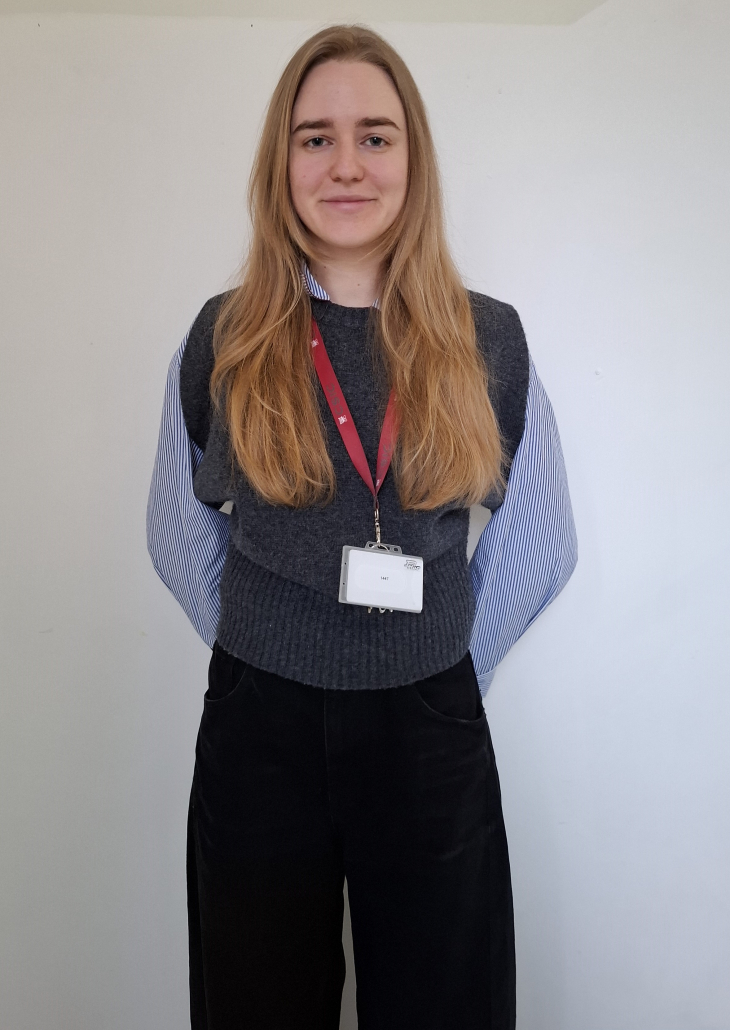
I began my academic career with a degree in Chemistry and a PhD supervised by Ramón Eritja Casadellá on the incorporation of modified bases with mutagenic properties into synthetic oligonucleotides to study their structural and biological properties. In 1997, I moved to the Scripps Institute for a postdoctoral stay in the field of aminoacyl-tRNA synthetases in Paul Schimmel’s group. Subsequently, I completed a postdoctoral stay at the Weill Medical School in New York in Christopher D. Lima’s group, where I studied the capping process of the 5′ end of messenger RNA. My own research line, based on the development of new families of inhibitors of two proteins responsible for DNA repair as adjuvants in chemotherapy, was consolidated through a Miguel Servet contract to join the National Cancer Research Centre.
In 2009, this research line was consolidated at IRB Barcelona. Since 2021, I have been a Research Scientist at IQAC-CSIC. My research projects include the design of drug delivery vectors, the study of mutagenesis and DNA repair, the inhibition of repair proteins, the synthesis of oligonucleotide conjugates with lipids, peptides and proteins, and other therapeutic applications.
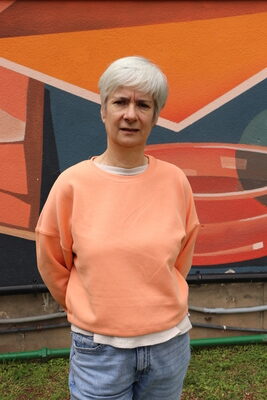
Degree in Chemistry (1991) from the University of Barcelona (UB). Master’s in Chemistry (UB, 1992). PhD in Chemistry (UB, 1996).
Postdoctoral Researcher at the European Molecular Biology Laboratory (EMBL) (1997, 4 months) with an EMBO fellowship, and at the Rega Institute (1998, 6 months). Postdoctoral Researcher at the Institute for Research in Oncology (1998–1999).
Associate Researcher at Cygene Inc and Crystax Pharmaceuticals S.A. (2000–2004). Associate Researcher with an I3P contract at IBMB-CSIC (2004–2007) and since 2007 at CIBER-BBN.
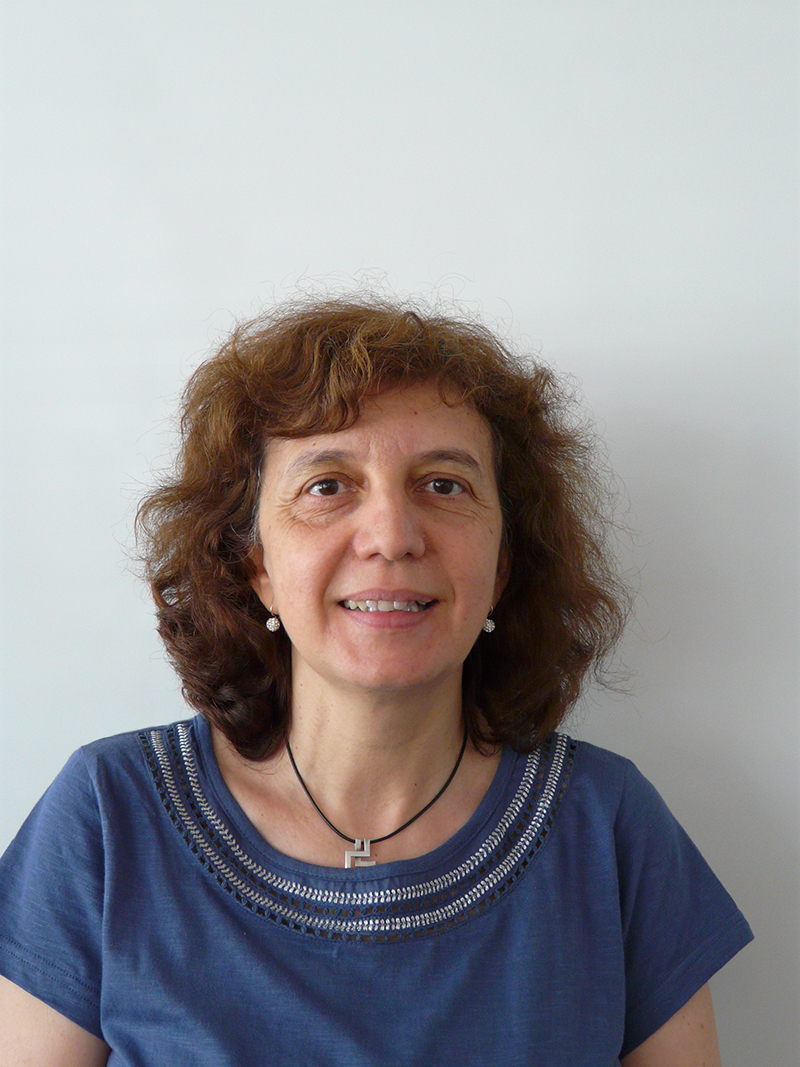
Experience in the synthesis and physicochemical characterization of therapeutic nucleic acids (siRNA/ASO/aptamers). Experience in the synthesis and study of properties of oligonucleotide derivatives, including non-natural bases, modifications in phosphates and in the phosphodiester backbone of ribose, and oligonucleotide conjugates with lipids, carbohydrates, or peptides.
Experience in the evaluation of structural and biophysical properties of DNA and RNA derivatives, especially in the field of triple helices and G-quadruplex structures. Experience in the design and synthesis of probes for pathogen detection. Analysis of drug binding properties to biologically relevant sequences.
Manage Cookie Consent
To provide the best experiences, we use technologies like cookies to store and/or access device information. Consenting to these technologies will allow us to process data such as browsing behavior or unique IDs on this site. Not consenting or withdrawing consent, may adversely affect certain features and functions.
Functional
Always active
The technical storage or access is strictly necessary for the legitimate purpose of enabling the use of a specific service explicitly requested by the subscriber or user, or for the sole purpose of carrying out the transmission of a communication over an electronic communications network.
Preferences
The technical storage or access is necessary for the legitimate purpose of storing preferences that are not requested by the subscriber or user.
Statistics
Storage or technical access that is used exclusively for statistical purposes.The technical storage or access that is used exclusively for anonymous statistical purposes. Without a subpoena, voluntary compliance on the part of your Internet Service Provider, or additional records from a third party, information stored or retrieved for this purpose alone cannot usually be used to identify you.
Marketing
The technical storage or access is required to create user profiles to send advertising, or to track the user on a website or across several websites for similar marketing purposes.