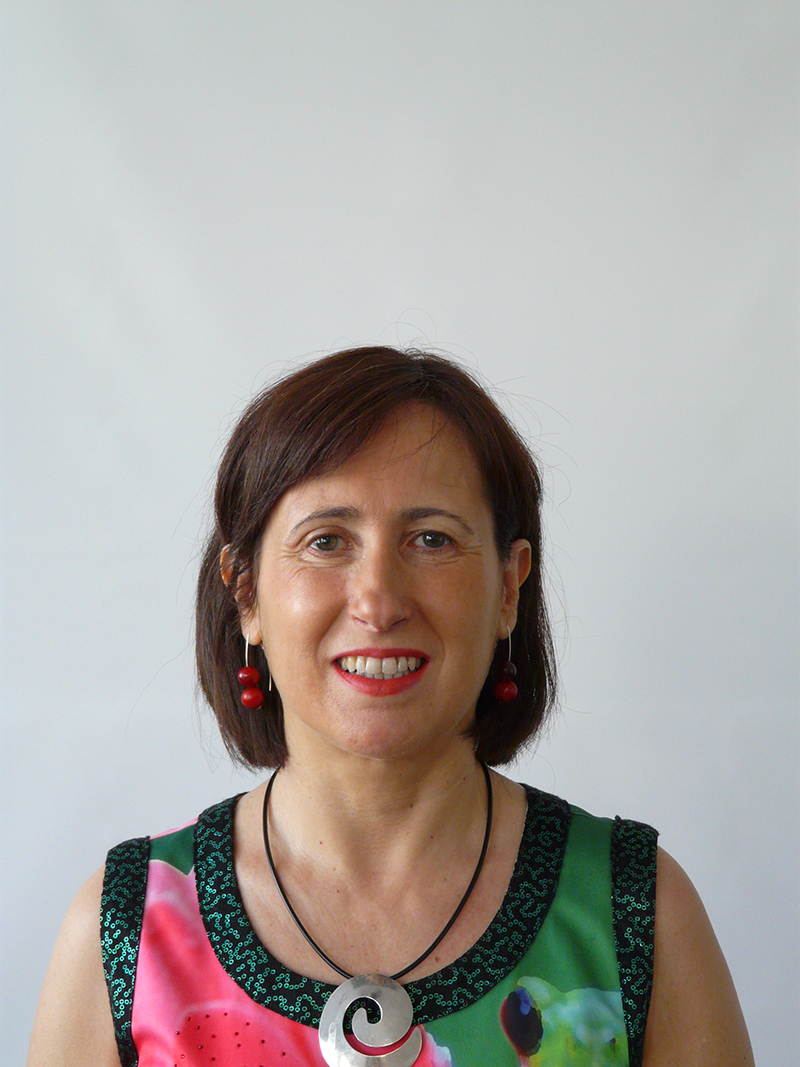
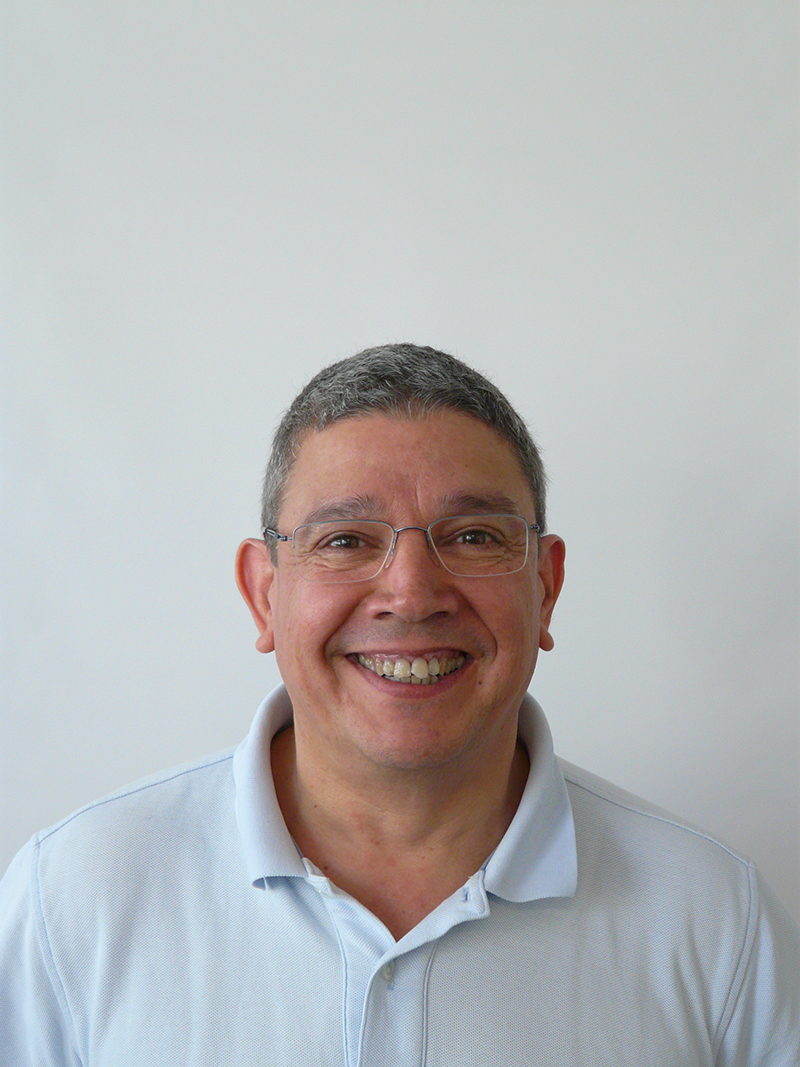
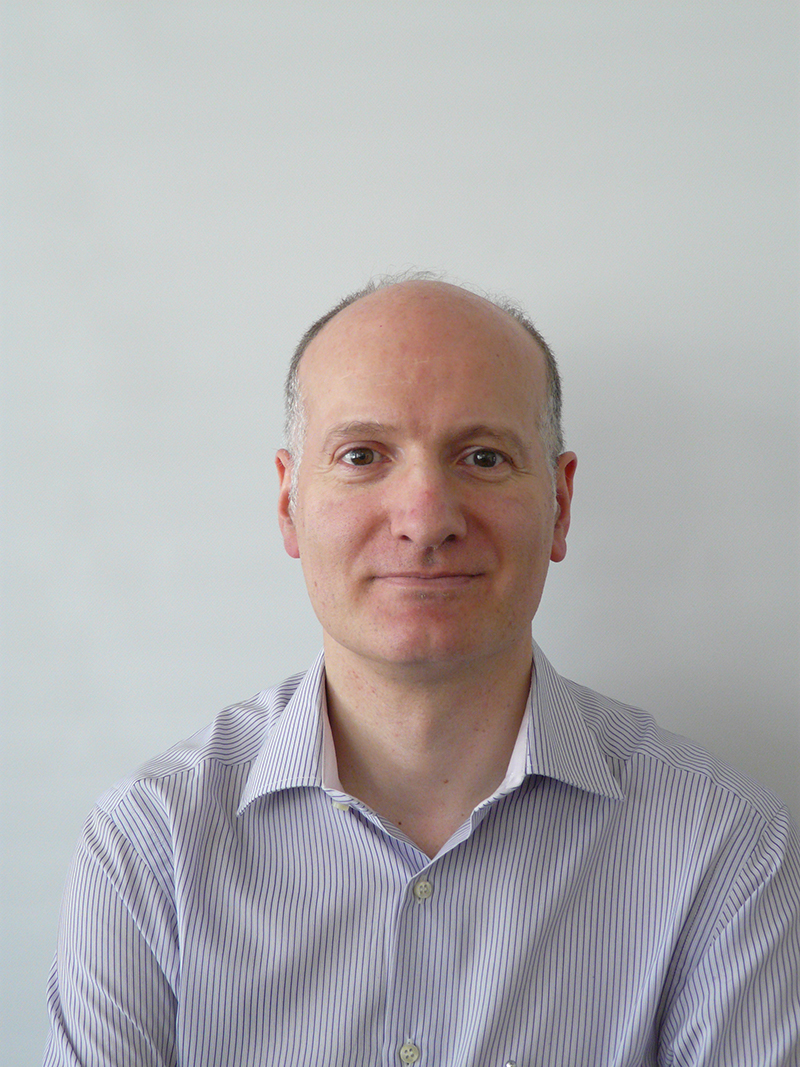
CSIC Research Professor and Scientific Director of CIBER-BBN and the Custom Antibody Service (CAbS), a facility of the ICTS NANBIOSIS. As head of the Nanobiotechnology for Diagnostics (Nb4D) group, she coordinates a multidisciplinary research team whose scientific activity is focused on developing a new generation of diagnostic approaches based on the integration of custom-designed bioreceptors with innovative micro(nano)structures and/or optical or electrochemical transducers. Her scientific activity is guided by the vision of a future where diagnostics are based on personalized molecular fingerprints, which poses significant technological challenges. She is currently interested in developing innovative diagnostic approaches for infectious diseases with an original perspective in which cellular communication becomes the primary focus.
She has co-authored nearly 250 scientific articles, registered 15 patents—some of which are licensed—and has several active exploitation contracts. Most of her research is conducted within the context of international collaborations with renowned research institutions, companies, and other stakeholders.
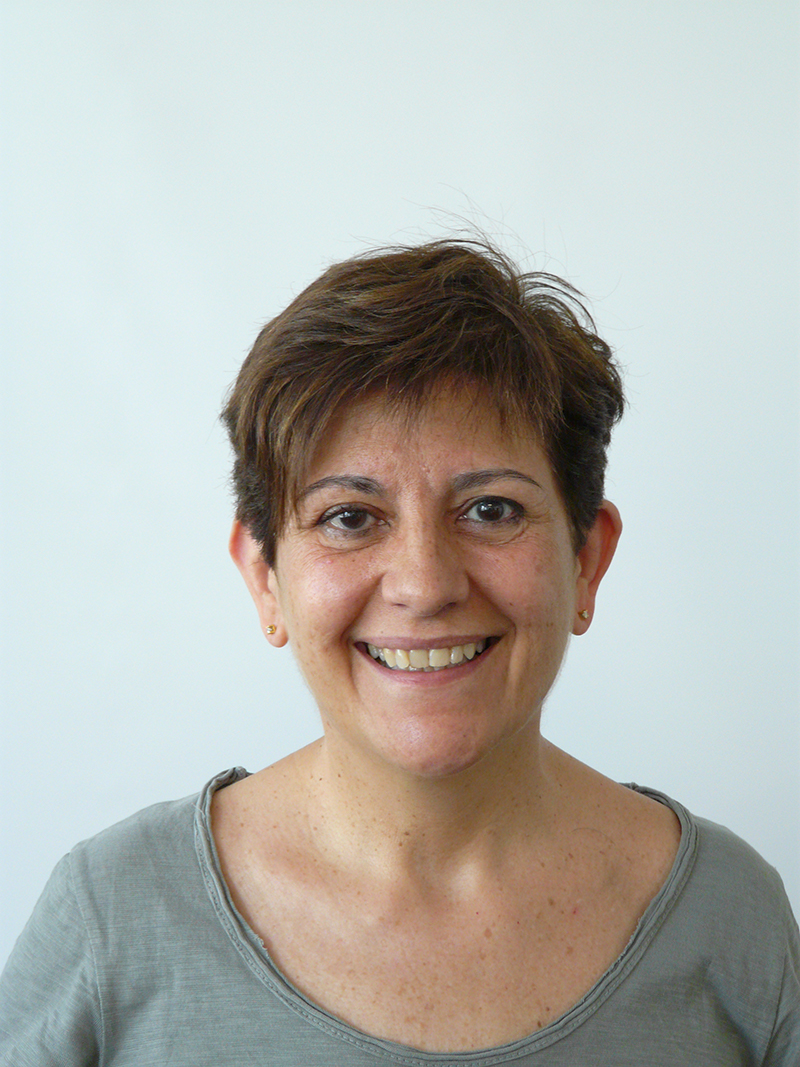
Mª Luisa Coderch Negra graduated in Chemistry from the University of Barcelona (1980). She completed a Master’s degree in Chemistry at the University of California, Santa Barbara (1982) and a PhD in Industrial Chemistry at the University of Barcelona (1988). She has been a CSIC scientist since 1990 and a research professor since 2009 at the Institute for Advanced Chemistry of Catalonia (IQAC-CSIC).
She specializes in the chemical characterization of lipid compounds and the physicochemical study of lipid structures in keratinous tissues such as wool, hair, and the stratum corneum of human skin. Her research also focuses on the in vitro and in vivo evaluation of the percutaneous absorption of different compounds and vehicles, leading the management of the Dermocosmetic Evaluation Service with ISO9001:2008 and GLP 055CAT quality certifications.
She has participated in 38 R projects funded through competitive calls and 102 non-competitive R projects. She has published 267 articles in scientific journals and is the author of 12 patents. She has supervised 5 doctoral theses and 16 final degree or master’s projects.
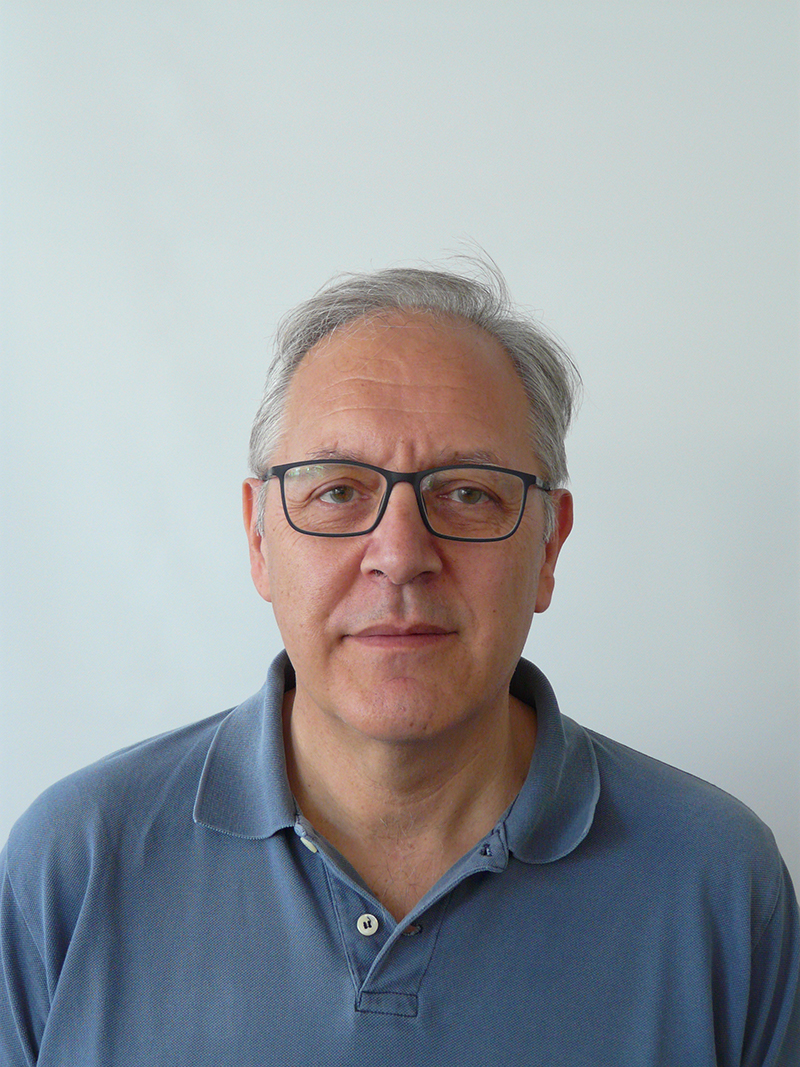
Bachelor’s degree in Pharmacy (1980), Master’s thesis (1981), and PhD in Pharmacy (1985; FPU fellowship) from the University of Barcelona. Postdoctoral stay (Fulbright fellowship) at NYSAES-Cornell University (Geneva, NY, USA) (08/1989-09/1991). CSIC Tenured Scientist since 1986 and Research Professor since 2010. Co-director of the Research Unit on BioActive Molecules. Her research focuses on the development and validation of chemical tools and their application to advance the knowledge of lipid-mediated biological processes. Special attention is given to the identification of therapeutic targets and their modulation through new chemical entities and strategies (including proximity-based pharmacology), discovered via rational design or library screening, for subsequent application in therapy and diagnostics. Indicators: 13 doctoral theses supervised (5 in the last 10 years); 166 publications in JCR-indexed journals (60 in 2014-2024); 13 patents (4 in 2014-2024); 55 competitive projects (coordinator or PI in 17 national projects, 2 bilateral projects, and 4 foundation projects) and 7 contracts with companies (PI in 4). G. Fabriàs was Director of IQAC (01/2017-06/2021), Director of CID (05/2018-09/2020), and a member of the CSIC Scientific Advisory Board (06/2018-12/2022).
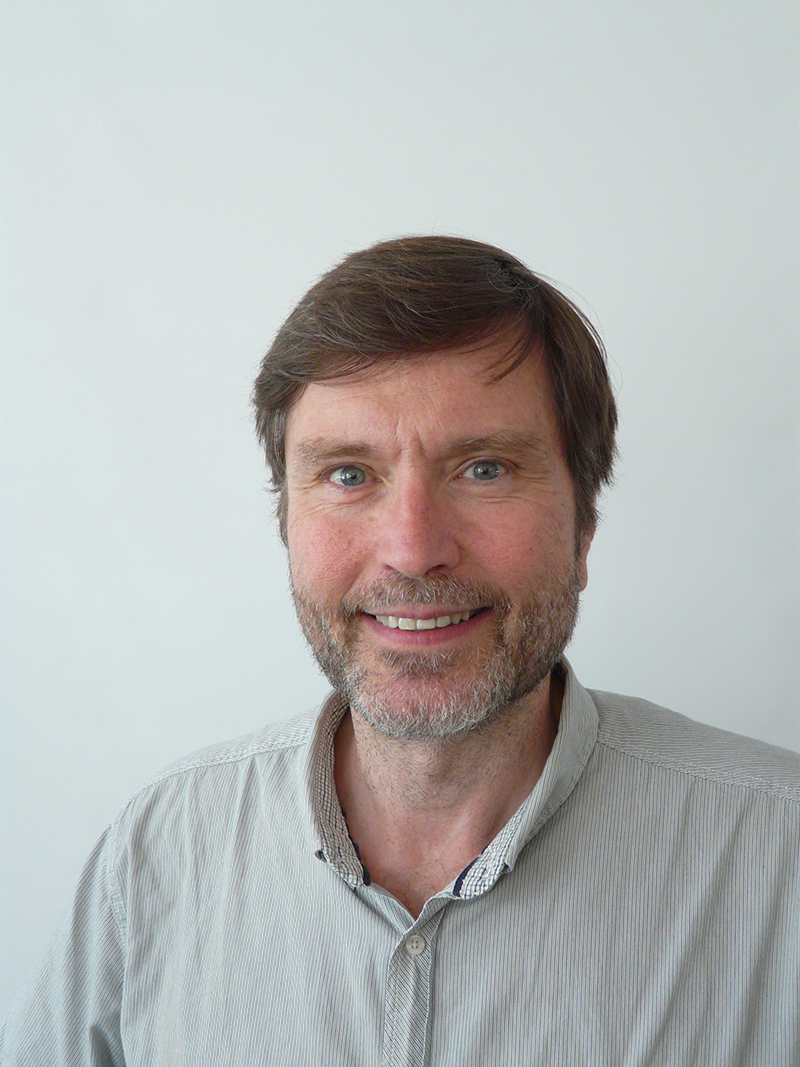
Ignacio Alfonso was initially trained as an organic chemist at the University of Oviedo in Spain (PhD in 1999). He has worked at prestigious institutions in France (University of Strasbourg, short stay in 1997) and in the United States (The Scripps Research Institute, postdoctoral fellowship between 2000 and 2002). After being selected for the prestigious Ramón y Cajal contract (2004) at the Universitat Jaume I in Castellón, in 2007 he obtained a permanent position at IQAC-CSIC in Barcelona, where he created the Supramolecular Chemistry Group, which he has directed since then. His research interests include supramolecular chemistry, chemical biology, complex dynamic chemical systems and, in general, all aspects related to the molecular recognition of biorelevant species and their biomedical applications.
J.L. Torres’s research in the Biotransformation group focuses on the preparation and in vivo evaluation of natural products of plant origin for use as disease-preventing agents. In particular, nutraceuticals (e.g., antioxidant polyphenols and iminosugars) are obtained from agricultural by-products or through sustainable biotechnological methods. Prof. Torres’s current interest is the development of microalgae as new sources of high-quality protein and functional ingredients for human nutrition. The biological activities studied in nutraceuticals are related to the control of inflammation and oxidative stress, harmful processes present in many high-incidence pathologies, especially metabolic syndrome, cardiovascular diseases, and type 2 diabetes.
J.L. Torres is the Scientific Director of the Calorimetry Core Facility at IQAC-CSIC and a member of the Consolidated Group of Adaptive Physiology of the Catalan Research System, integrated into the Institute of Research in Nutrition and Food Safety of the University of Barcelona, with the “Maria de Maeztu” Seal of Excellence from the Spanish government.
I obtained my degree and PhD in Chemistry at the University of Barcelona (1988) and carried out postdoctoral research at the Center for Chemistry and Chemical Engineering at Lund University (Sweden) between 1989 and 1991. In 1993, I began my independent research career at the Spanish National Research Council (CSIC), joining The Institute for Advanced Chemistry of Catalonia (IQAC) in Barcelona, where I am currently a Research Professor and Head of the Biotransformation and Bioactive Molecules group.
My research focuses on the use of biocatalysts in asymmetric C–X bond-forming reactions (X = C, N), with the aim of synthesising natural product analogues and developing new families of bioactive compounds at the interface between enzymology, synthetic organic chemistry and drug discovery. Throughout my career, I have published more than 190 scientific contributions, including articles, patents and book chapters, contributing to the development of sustainable and selective methodologies in chemical synthesis.
Dr. Mª Teresa García is a Tenured Scientist in the Biocompatible Surfactants and Ionic Liquids group at the Institute for Advanced Chemistry of Catalonia (IQAC-CSIC). She obtained her PhD in Chemistry from the University of Barcelona in 1990. Her research in sustainable chemistry and nanotechnology focuses on the design, synthesis, and study of the physicochemical properties of surfactants and ionic liquids. She studies their environmental behavior and ecological impact, while developing non-toxic and biodegradable amphiphiles from renewable sources. Her work establishes relationships between molecular structure and ecotoxicity to create biodegradable and bioactive multifunctional materials.
She is currently developing bio-based surfactants and ionic liquids for the control of bacterial growth as alternatives to conventional antimicrobials. Her research has resulted in 98 peer-reviewed articles (>6,000 citations, h-index=41, Scopus), 8 book chapters, and participation in numerous projects (PI in 6 national projects). She has supervised 3 doctoral theses, 5 master’s theses, and 20 final degree projects, and has mentored numerous students and technical staff. For more than 15 years, she has been the Scientific Director of the Biodegradation and Ecotoxicity Platform at IQAC-CSIC, providing technical services and actively collaborating with the public and private sectors through research projects and contracts.
Miriam Royo obtained her PhD in Chemistry from the Universitat de Barcelona in 1994. Subsequently, she carried out a postdoctoral stay at the Division of Bone and Mineral Metabolism of the Beth Israel Deaconess Medical Center–Harvard Medical School in Boston, USA (1994–1996), before returning to the University of Barcelona (1997–2001) as a postdoctoral researcher. In 2002 she obtained a Ramón y Cajal contract to work at the Barcelona Science Park as principal investigator (PI) and director of the Combinatorial Chemistry Unit (UQC-PCB), where she began her independent research career.
In July 2018 she joined The Institute for Advanced Chemistry of Catalonia (IQAC-CSIC) as a research scientist, where she currently leads the “Multivalent Systems for Nanomedicine” (MS4N) group. Dr. Royo’s research focuses on the development of multivalent chemical tools and the study of their potential applications in therapies for cancer, neurological diseases, and rare diseases. She is also an expert in peptide synthesis and conjugation, as well as in the targeting of peptides to various nanostructures.
Jordi Esquena joined the research staff at IQAC, where he has led the Surface Chemistry Group since 2008. He is an active member of the International Advisory Board of Formula Conferences and was the main promoter and chairman of the Formula VIII conference, held in Barcelona (July 4–9, 2016). He represents the Catalan Society of Chemistry at the European Chemical Society (EuChemS), where he serves as the web editor for the Working Party on Formulation in Chemistry. His scientific interests focus on the study of self-assembly processes of surfactant molecules, the development of tailored formulations for technological applications, and the use of colloidal systems as templates for the creation of advanced nanomaterials. A key topic is the study of water-in-water emulsions, as well as other colloidal systems, and the study of heterogeneous systems for the synthesis of nanoparticles and porous materials. Additionally, he explores biocompatible hydrogels and microgels, Pickering emulsions, and functionalized surfaces for medical textiles and drug delivery systems. His research aims to advance colloidal and interfacial science by studying phase behavior and interfacial phenomena for various applications. Jordi Esquena is the author or co-author of 123 indexed publications, 3 patents, and 11 book chapters. His h-index is 33, with an average of more than 400 citations per year.
Manage Cookie Consent
To provide the best experiences, we use technologies like cookies to store and/or access device information. Consenting to these technologies will allow us to process data such as browsing behavior or unique IDs on this site. Not consenting or withdrawing consent, may adversely affect certain features and functions.
Functional
Always active
The technical storage or access is strictly necessary for the legitimate purpose of enabling the use of a specific service explicitly requested by the subscriber or user, or for the sole purpose of carrying out the transmission of a communication over an electronic communications network.
Preferences
The technical storage or access is necessary for the legitimate purpose of storing preferences that are not requested by the subscriber or user.
Statistics
Storage or technical access that is used exclusively for statistical purposes.The technical storage or access that is used exclusively for anonymous statistical purposes. Without a subpoena, voluntary compliance on the part of your Internet Service Provider, or additional records from a third party, information stored or retrieved for this purpose alone cannot usually be used to identify you.
Marketing
The technical storage or access is required to create user profiles to send advertising, or to track the user on a website or across several websites for similar marketing purposes.