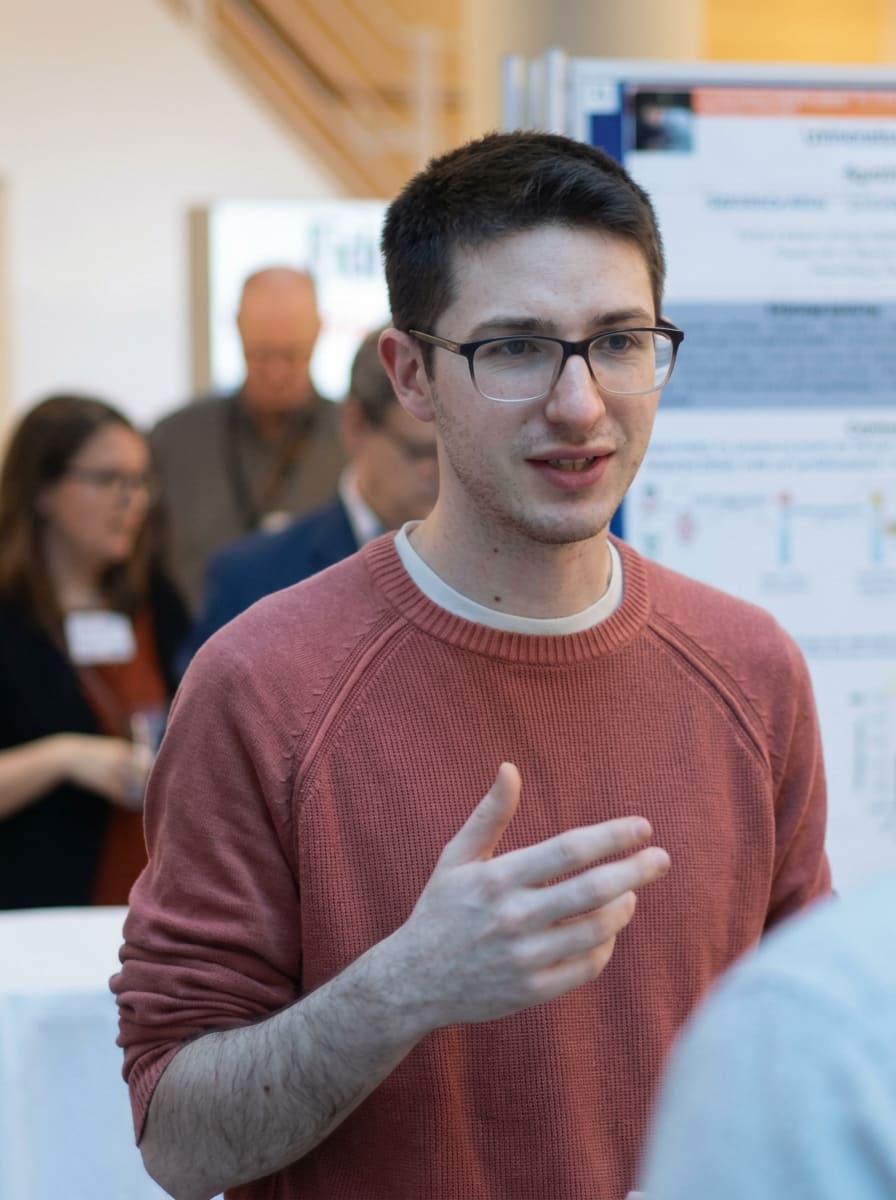
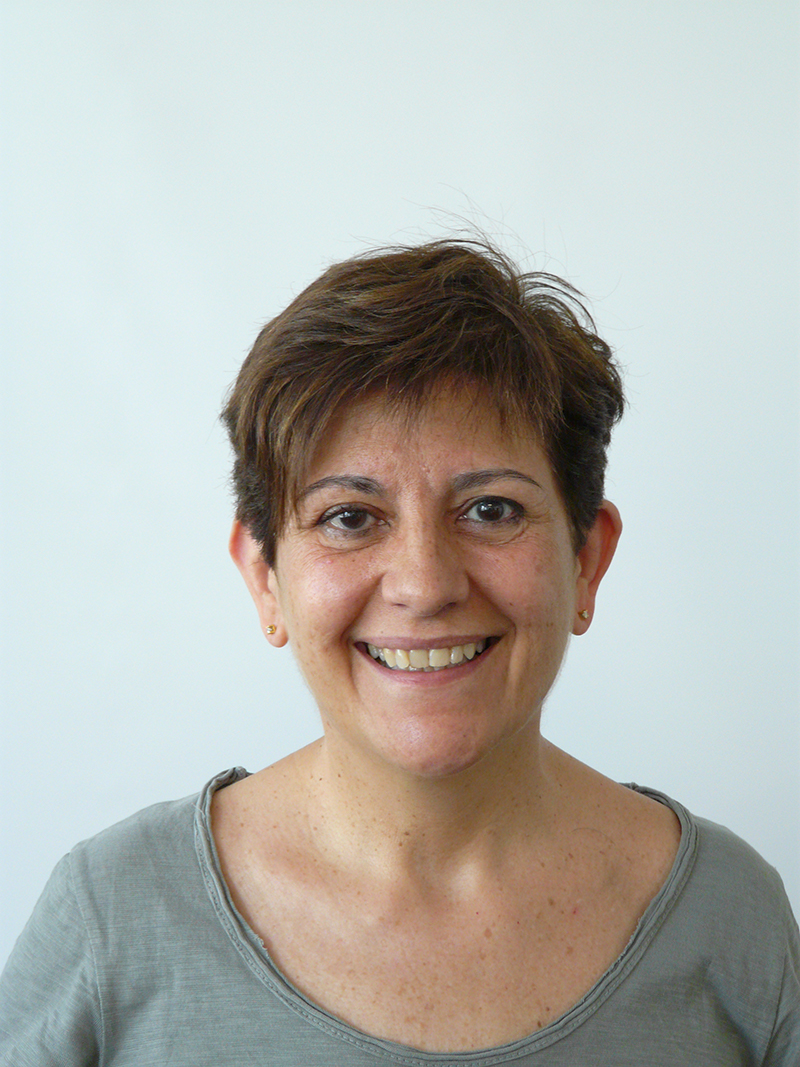
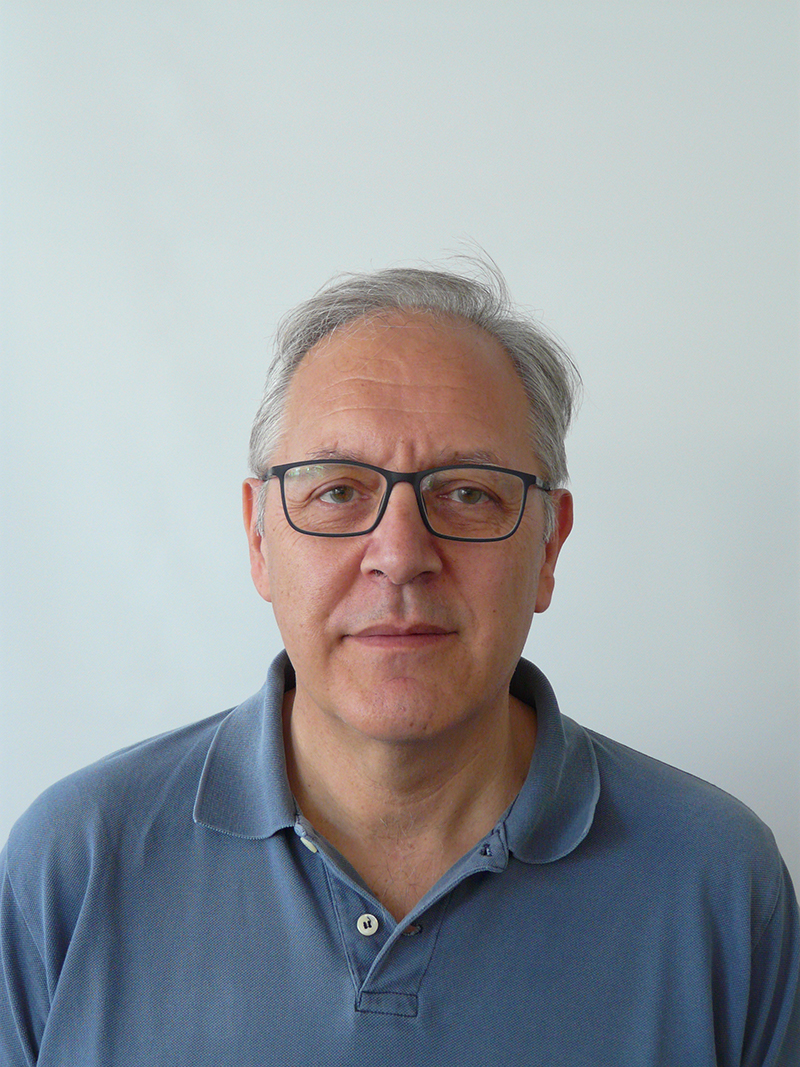
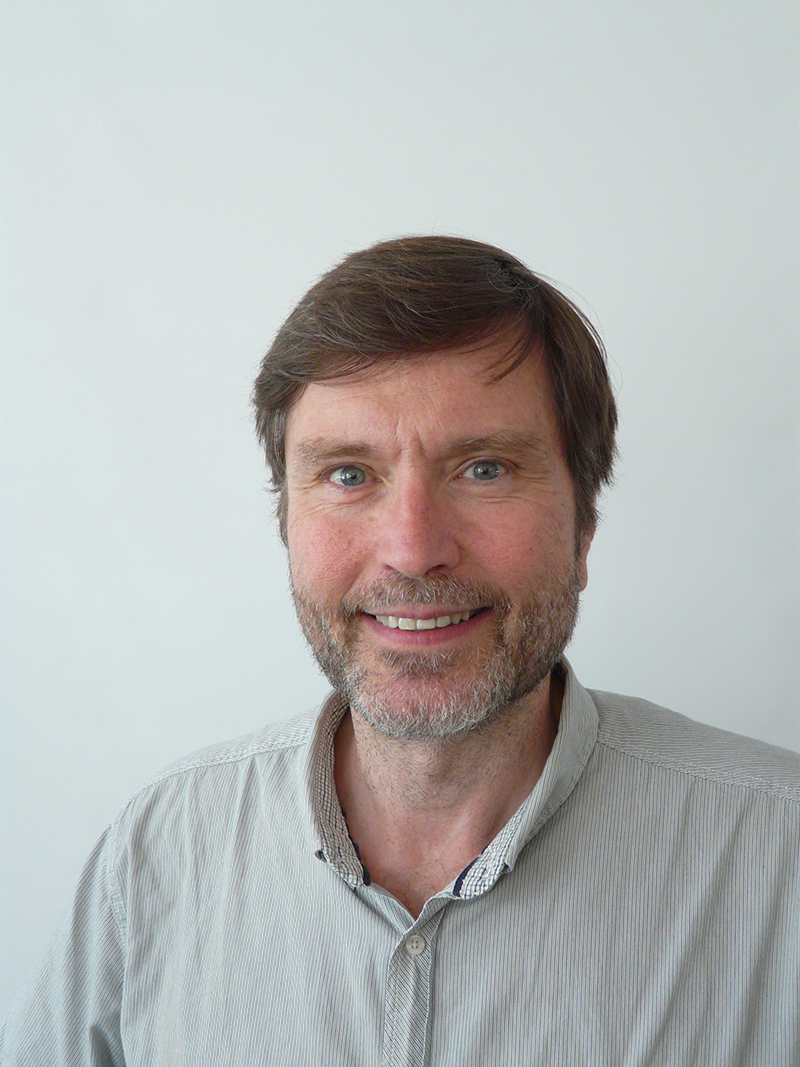
Oriol Bárcenas is a Ph.D. fellow in bioinformatics, working at the Autonomous University of Barcelona (UAB) and the Advanced Chemistry Institute of Catalonia of the Spanish National Research Council (IQAC-CSIC). He is a “Biotechnology B.Sc.” (2022) and “Modelling for Science and Engineering M.Sc.” (2023) graduate. He is enrolled in an inter-university bioinformatics Ph.D. program, supported by a National contract associated with undergraduate-level teaching (FPU fellowship).
His research focuses on computational structural biology, protein aggregation and folding, and molecular dynamics. He also works on protein engineering and design and applies machine learning to better understand complex processes of protein biophysics.
He has been supported by educational and contractual competitive Spanish fellowships (2018-present) and has worked as an undergraduate research fellow at 2 research institutions (2021-2023
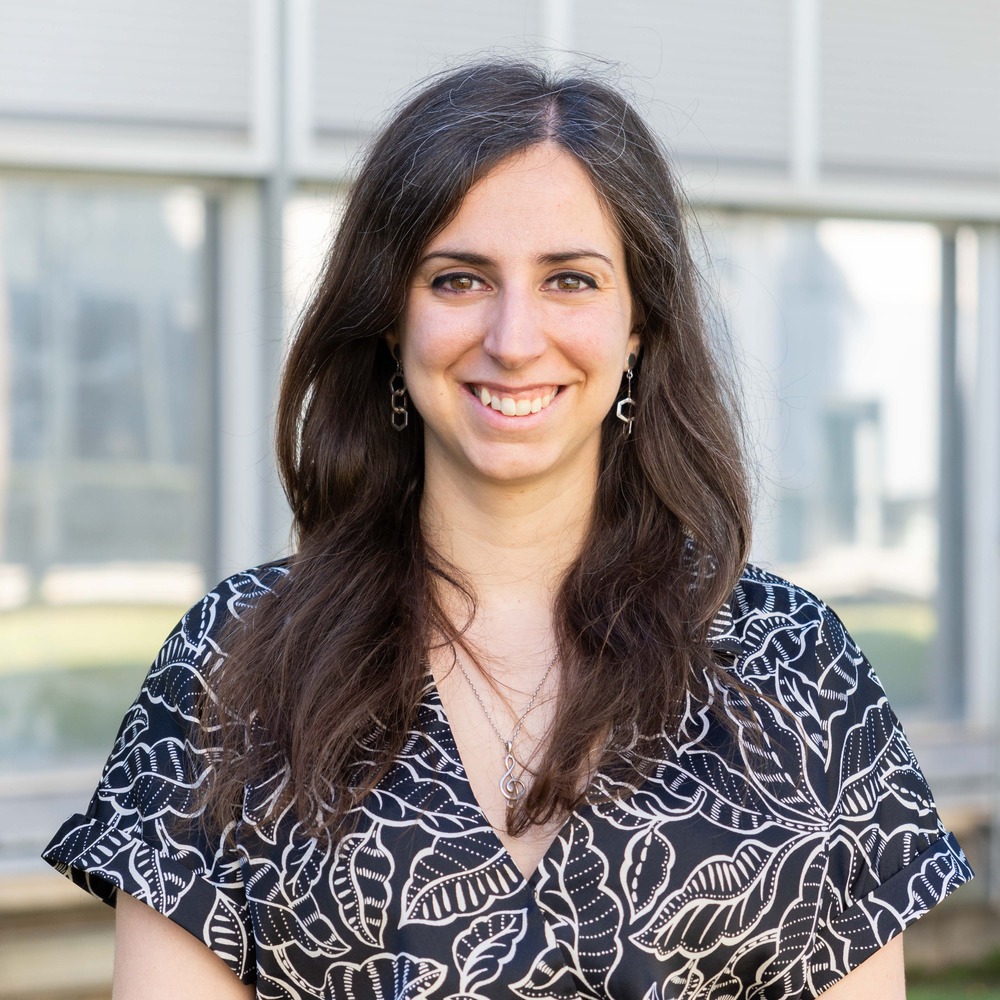
Dr. Alba Villar-Yanez is a chemist specialized in computational chemistry and molecular modelling, with a particular interest in the application of computational methods to the design of bioactive molecules and drug discovery. She holds a BSc in Chemistry from the Universitat Autònoma de Barcelona (UAB) and an MSc in Atomistic and Multiscale Computational Modelling in Physics, Chemistry and Biochemistry from the Universitat de Barcelona (UB) and the Universitat Politècnica de Catalunya (UPC). She obtained her PhD in Chemical Science and Technology from the Universitat Rovira i Virgili (URV) in 2024, carried out at the Institut Català d’Investigació Química (ICIQ), with Cum Laude distinction and International Mention, supported by an FPI fellowship from the Spanish Ministry of Science and Innovation.
During her PhD, she applied computational chemistry methods to the study of processes related to CO₂ valorization and recycling. She also carried out a research internship at the University of Amsterdam (Netherlands), where she studied metalloenzyme-catalyzed CO₂ reduction using molecular dynamics and Path-Metadynamics simulations.
She subsequently shifted her research towards photopharmacology and the design of photoswitchable molecules, working on the development and computational modelling of photoswitchable drugs during her postdoctoral research at the Universitat Autònoma de Barcelona (UAB) in 2025.
She is currently a postdoctoral researcher at the Institut de Química Avançada de Catalunya (IQAC-CSIC), within the Medicinal Chemistry and Synthesis (MCS) group. Her research focuses on the computational design and study of photoswitchable drugs, combining quantum chemical methods, dockings and molecular dynamics to investigate protein–ligand interactions and contribute to the development of novel light-controlled therapeutic strategies.
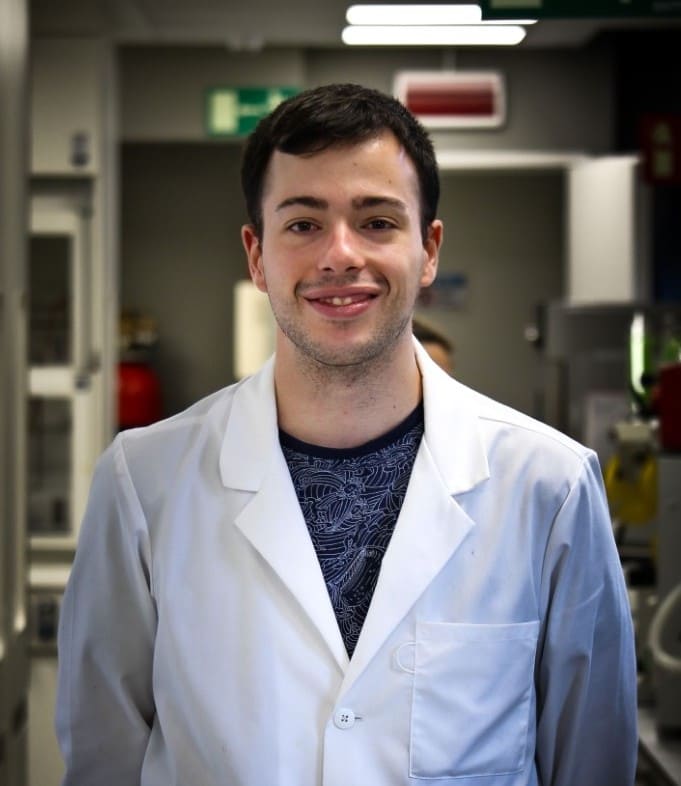
Javier Sánchez is a chemist specialized in organic and medicinal chemistry, with experience in the design and development of novel bioactive molecules with therapeutic potential. During his doctoral research at the University of Barcelona, he focused on the discovery and optimization of compounds for the treatment of neuropathic pain and neurodegenerative diseases, exploring both multitarget ligands and innovative targeted protein degradation strategies.
As part of his research training, he completed a research stay at the University of Oxford, where he worked on the development of G protein-coupled receptor (GPCR) modulators, further broadening his experience in drug discovery and molecular design.
He is currently a member of the Medicinal Chemistry and Synthesis (MCS) group at IQAC-CSIC, where he works on the development of photoswitchable molecules and new photopharmacological strategies aimed at achieving more precise control of pharmacological activity and enabling the development of more selective and safer therapies.
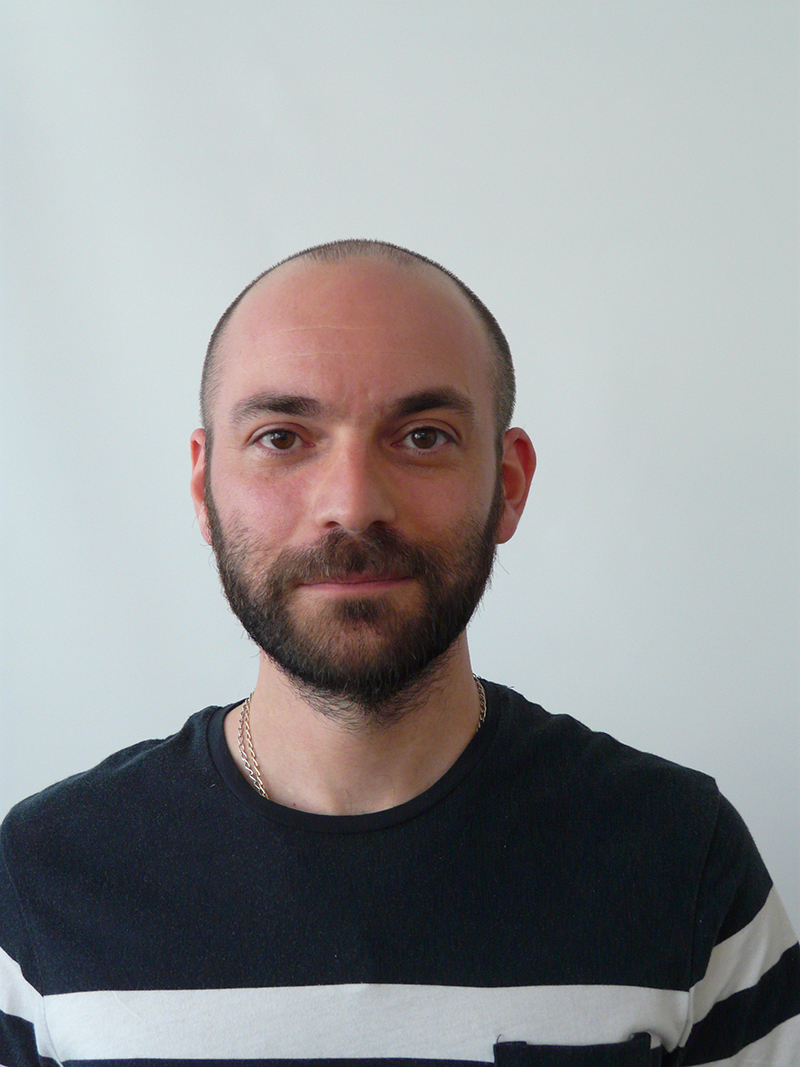
PhD in Biology (University of the Basque Country, 2010). The fundamental question of my research is what insects “smell” and how they use chemical signals to interact with their environment. Specifically, I have focused on the chemical ecology of pest insects, especially those of agricultural and forestry interest, with the aim of identifying relevant semiochemicals involved in intraspecific and interspecific communication, as well as their potential application in integrated pest management programs.
How did life arise on Earth? This fundamental question has driven my scientific curiosity and remains at the heart of my research. It has led me to explore key issues: how stable were primordial proteins? Were the early oceans thermophilic? How did the basic molecules of life emerge and evolve to enable the self-organization of the first cells? And, crucially: how does the Central Dogma work—how does the flow of information from DNA to RNA and to proteins shape the complexity of life?
My interdisciplinary background—spanning chemistry, biophysics and biology—has enabled me to address these questions and contribute to understanding the fundamental principles underlying the origin and evolution of cellular life. I believe that modern proteins hold the key to answering these mysteries. Their sequences, structures and functions encode a rich evolutionary history. Using tools such as ancestral protein reconstruction and in vitro evolution, we can decode this history, infer ancient protein sequences and reconstruct their functions. By linking prebiotic chemistry with modern biology, my research aims to shed light on how life emerged from abiotic reactions and evolved into the complex systems we observe today.
Bachelor’s degree in Pharmacy (1980), Master’s thesis (1981), and PhD in Pharmacy (1985; FPU fellowship) from the University of Barcelona. Postdoctoral stay (Fulbright fellowship) at NYSAES-Cornell University (Geneva, NY, USA) (08/1989-09/1991). CSIC Tenured Scientist since 1986 and Research Professor since 2010. Co-director of the Research Unit on BioActive Molecules. Her research focuses on the development and validation of chemical tools and their application to advance the knowledge of lipid-mediated biological processes. Special attention is given to the identification of therapeutic targets and their modulation through new chemical entities and strategies (including proximity-based pharmacology), discovered via rational design or library screening, for subsequent application in therapy and diagnostics. Indicators: 13 doctoral theses supervised (5 in the last 10 years); 166 publications in JCR-indexed journals (60 in 2014-2024); 13 patents (4 in 2014-2024); 55 competitive projects (coordinator or PI in 17 national projects, 2 bilateral projects, and 4 foundation projects) and 7 contracts with companies (PI in 4). G. Fabriàs was Director of IQAC (01/2017-06/2021), Director of CID (05/2018-09/2020), and a member of the CSIC Scientific Advisory Board (06/2018-12/2022).
Ignacio Alfonso was initially trained as an organic chemist at the University of Oviedo in Spain (PhD in 1999). He has worked at prestigious institutions in France (University of Strasbourg, short stay in 1997) and in the United States (The Scripps Research Institute, postdoctoral fellowship between 2000 and 2002). After being selected for the prestigious Ramón y Cajal contract (2004) at the Universitat Jaume I in Castellón, in 2007 he obtained a permanent position at IQAC-CSIC in Barcelona, where he created the Supramolecular Chemistry Group, which he has directed since then. His research interests include supramolecular chemistry, chemical biology, complex dynamic chemical systems and, in general, all aspects related to the molecular recognition of biorelevant species and their biomedical applications.
J.L. Torres’s research in the Biotransformation group focuses on the preparation and in vivo evaluation of natural products of plant origin for use as disease-preventing agents. In particular, nutraceuticals (e.g., antioxidant polyphenols and iminosugars) are obtained from agricultural by-products or through sustainable biotechnological methods. Prof. Torres’s current interest is the development of microalgae as new sources of high-quality protein and functional ingredients for human nutrition. The biological activities studied in nutraceuticals are related to the control of inflammation and oxidative stress, harmful processes present in many high-incidence pathologies, especially metabolic syndrome, cardiovascular diseases, and type 2 diabetes.
J.L. Torres is the Scientific Director of the Calorimetry Core Facility at IQAC-CSIC and a member of the Consolidated Group of Adaptive Physiology of the Catalan Research System, integrated into the Institute of Research in Nutrition and Food Safety of the University of Barcelona, with the “Maria de Maeztu” Seal of Excellence from the Spanish government.
Manage Cookie Consent
To provide the best experiences, we use technologies like cookies to store and/or access device information. Consenting to these technologies will allow us to process data such as browsing behavior or unique IDs on this site. Not consenting or withdrawing consent, may adversely affect certain features and functions.
Functional
Always active
The technical storage or access is strictly necessary for the legitimate purpose of enabling the use of a specific service explicitly requested by the subscriber or user, or for the sole purpose of carrying out the transmission of a communication over an electronic communications network.
Preferences
The technical storage or access is necessary for the legitimate purpose of storing preferences that are not requested by the subscriber or user.
Statistics
Storage or technical access that is used exclusively for statistical purposes.The technical storage or access that is used exclusively for anonymous statistical purposes. Without a subpoena, voluntary compliance on the part of your Internet Service Provider, or additional records from a third party, information stored or retrieved for this purpose alone cannot usually be used to identify you.
Marketing
The technical storage or access is required to create user profiles to send advertising, or to track the user on a website or across several websites for similar marketing purposes.