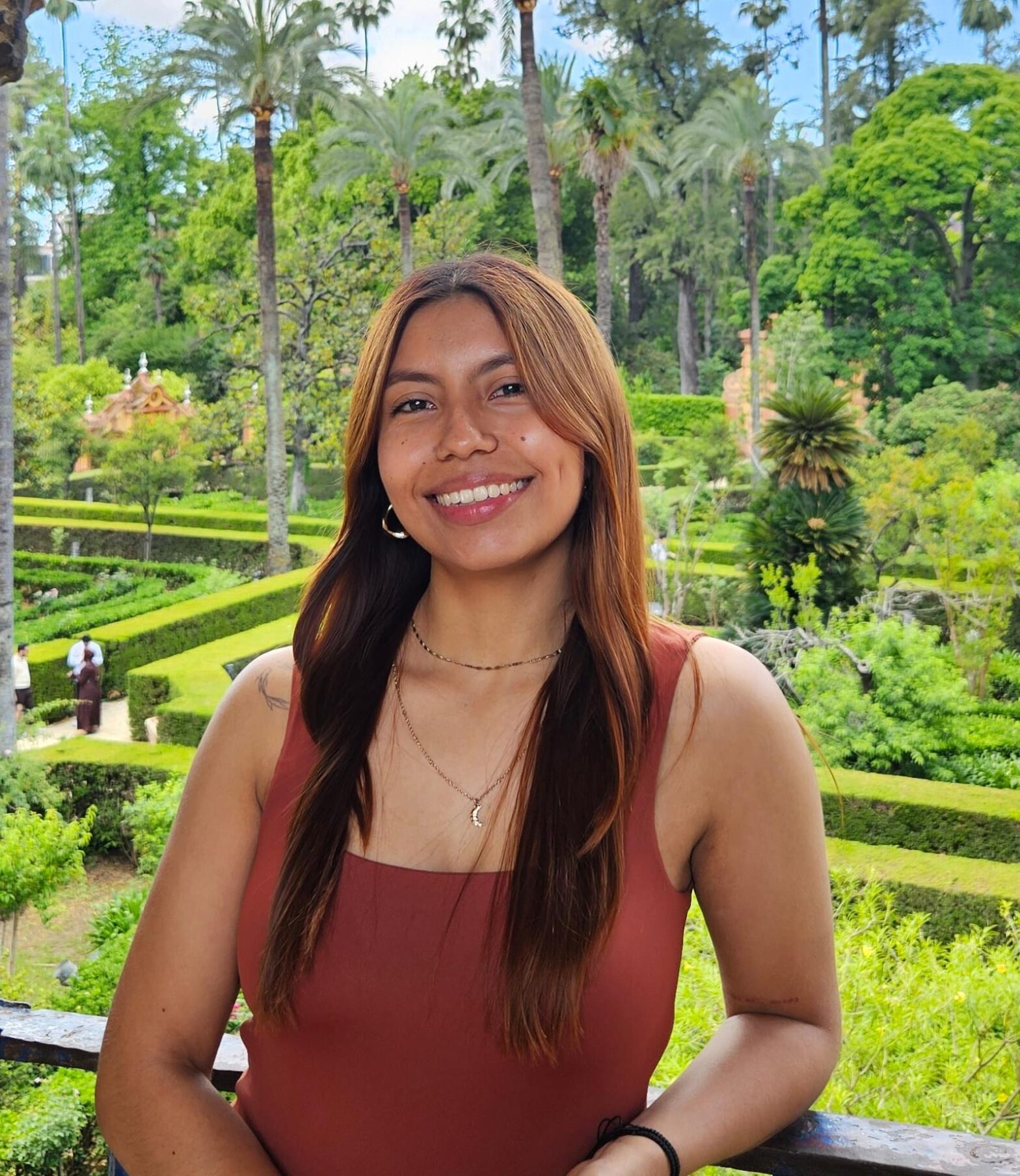
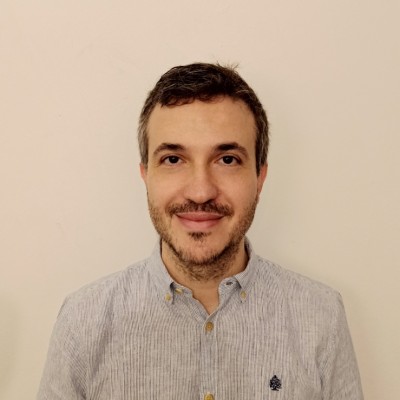
I am a microbiologist with a specialization in Neurosciences from the University of Los Andes and a Master’s degree in Molecular Biotechnology from the University of Barcelona. My research focuses on biomedicine and cancer molecular biology, and my scientific interests include the design and development of therapeutic alternatives for human diseases. I have expertise in molecular biology, biochemistry, and immunology.
In the past, I have worked on the expression and purification of recombinant proteins using prokaryotic expression systems, in the in vitro culture of the parasite Toxoplasma gondii, and in the study of protein-protein interactions. Currently, as a predoctoral researcher, my research focuses on the validation of new potential biomarkers for glioblastoma and neuroendocrine carcinoma, as well as on the development of peptide-based targeted therapies for these diseases.
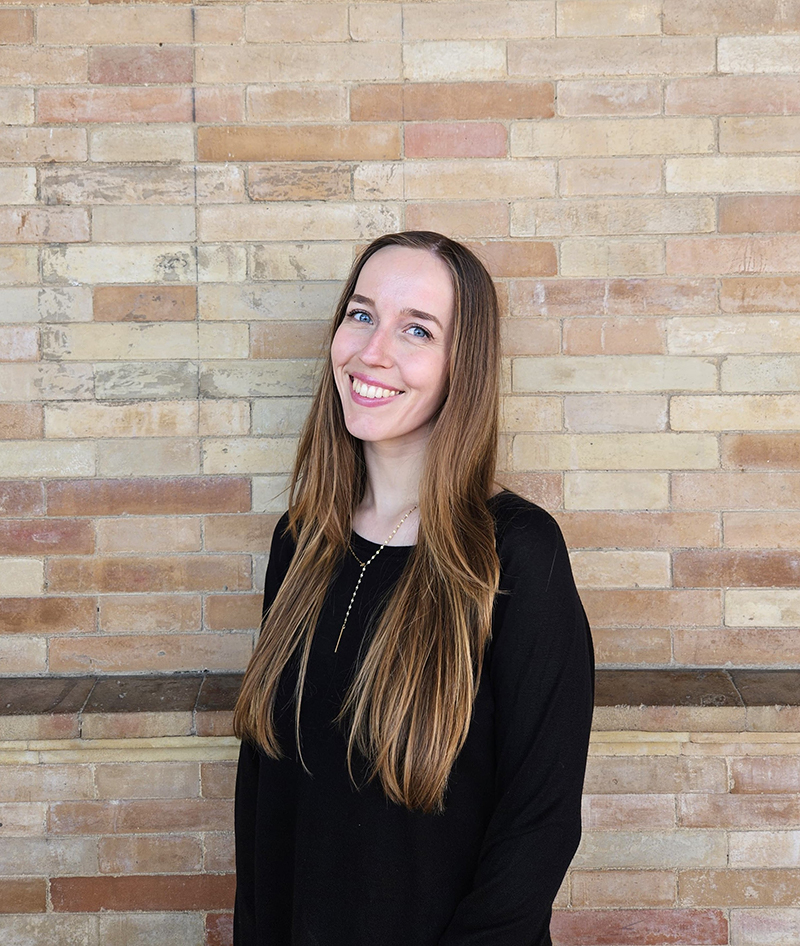
Academic background: BSc in Chemistry in Thessaloniki (Greece), followed by an enriching Erasmus stay in the IQAC Chemical Biology group. I subsequently continued my academic path with a Master’s degree at the Autonomous University of Barcelona (UAB). I carried out my Master’s thesis work in the IQAC Chemical Biology group, thanks to a JAEintro grant.
I am currently a PhD student in the IQAC-CSIC Chemical Biology group. I have recently had the honour of receiving a Ramón Areces Foundation fellowship to develop my doctoral thesis. My PhD project, entitled “Chemical Biology tools for the study of neuronal ceroid lipofuscinoses (NCLs)”, focuses on the study of S-acylation and the enzymes involved (thioesterases). Neuronal ceroid lipofuscinoses (NCLs) are a group of rare, fatal lysosomal diseases of genetic origin that currently have no treatment and mainly affect the nervous system. S-acylation is a protein lipidation process closely related to NCLs; therefore, the main aim is to advance understanding of these diseases, which could facilitate the identification of new therapeutic strategies for children suffering from these rare and fatal disorders.
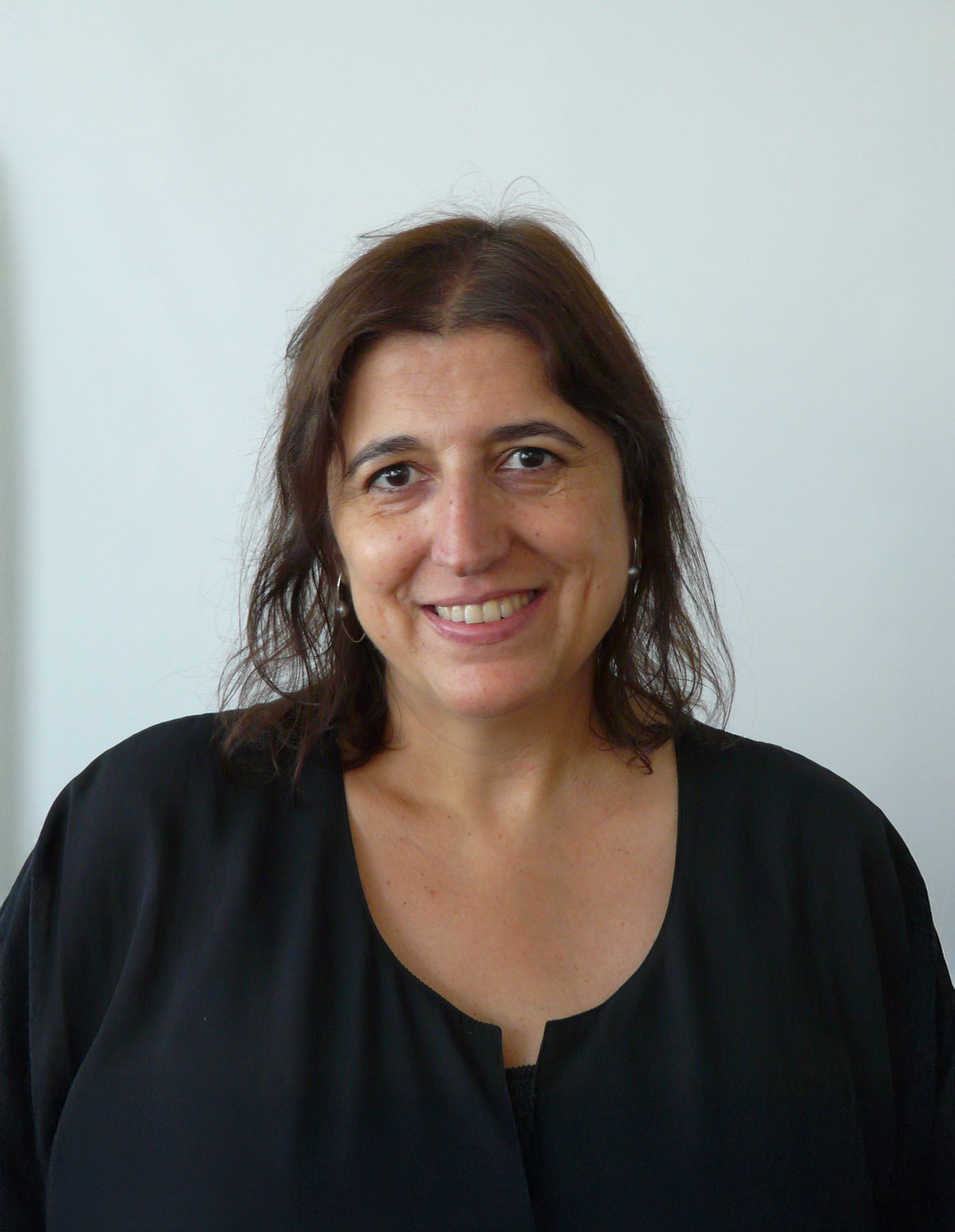
Gemma graduated in Pharmacy from the University of Barcelona in 1999 and completed her PhD at the IIQAB-CSIC in 2004 under the supervision of Prof. G. Fabriàs and A. Llebaria.
She subsequently joined Prof. H. Waldmann’s group at the Max Planck Institute of Molecular Physiology in Dortmund for postdoctoral studies.
After a period as a group leader at the same MPI in Dortmund, she moved to the IQAC-CSIC in 2012 as a tenured scientist and established the Chemical Biology Group.
During the last decade, she has worked on lipids and proteins and the study of their interactions.
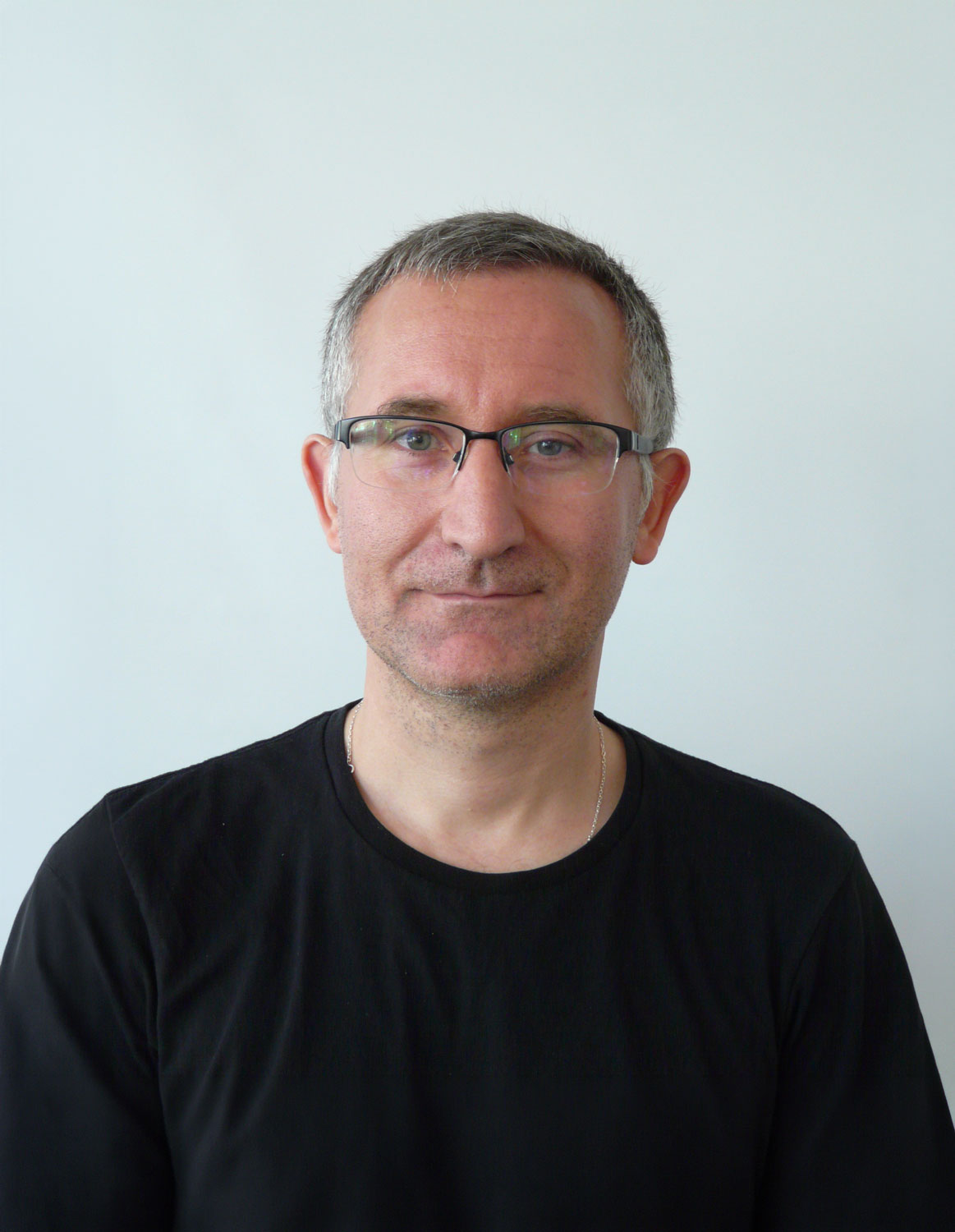
Bachelor’s degree in Chemistry in 2000 and PhD in Organic Chemistry in 2006, both degrees obtained at the University of Santiago de Compostela (Spain).
Between 2006 and 2011 I carried out a postdoctoral fellowship at The Scripps Research Institute (San Diego, USA). Upon returning to Spain, I worked at the Biomedical Research Institute between 2012 and 2017 as a Ramón y Cajal researcher.
Since 2018 I have been a research scientist at The Institute for Advanced Chemistry of Catalonia as a member and supervisor of the Chemical Biology group.
My current research interests include chemical synthesis and semisynthesis of proteins, C-terminal peptide/protein alpha-thioesters and selenoesters, and chemical ligation of peptides and proteins.
Scodeller earned his degree in Biomedical Engineering from the University of Mendoza, Argentina and his PhD in Chemistry from the University of Buenos Aires in 2011. Following a two-year postdoctoral fellowship in materials science in CNEA (Argentina), he joined the laboratory of Dr. Erkki Ruoslahti (recipient of the 2022 Lasker Award) in La Jolla, USA, in 2013 to complete a two-year postdoctoral fellowship in the field of the tumor microenvironment.
In 2015, he moved to the University of Tartu, Estonia, to conduct postdoctoral research in the laboratory of Dr. Tambet Teesalu, a pioneer in the field of tumor-penetrating peptides.
In 2017, he was awarded a Starting Grant from the Estonian Research Council, and in 2018 was promoted to Associate Professor at the University of Tartu. In 2021 he was awarded a Ramón y Cajal contract and in 2025 he obtained tenure as a CSIC researcher.
His research focuses on identification of new targeting peptides and therapeutic targets in disease, precision drug delivery to solid tumors (breast cancer, glioma, neuroendocrine carcinomas), and new immunotherapies based on tumor macrophage reprogramming.
Using in vivo peptide phage display, Scodeller has co-identified targeting peptides for cancer, brain injuries, and Alzheimer´s disease, which have been used by over 40 independent research groups for targeted drug delivery and have led to 5 patents, 4 of which are licensed to companies. He has obtained 7 research grants (totaling ca. 1M€) as a principal investigator and supervised 3 doctoral thesis and 5 masters thesis.
To provide the best experiences, we use technologies like cookies to store and/or access device information. Consenting to these technologies will allow us to process data such as browsing behavior or unique IDs on this site. Not consenting or withdrawing consent, may adversely affect certain features and functions.
Functional
Always active
The technical storage or access is strictly necessary for the legitimate purpose of enabling the use of a specific service explicitly requested by the subscriber or user, or for the sole purpose of carrying out the transmission of a communication over an electronic communications network.
Preferences
The technical storage or access is necessary for the legitimate purpose of storing preferences that are not requested by the subscriber or user.
Statistics
Storage or technical access that is used exclusively for statistical purposes.The technical storage or access that is used exclusively for anonymous statistical purposes. Without a subpoena, voluntary compliance on the part of your Internet Service Provider, or additional records from a third party, information stored or retrieved for this purpose alone cannot usually be used to identify you.
Marketing
The technical storage or access is required to create user profiles to send advertising, or to track the user on a website or across several websites for similar marketing purposes.