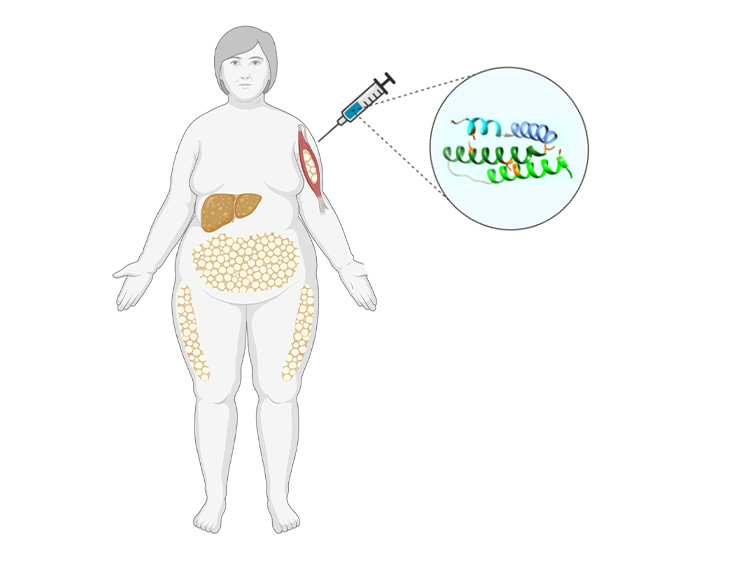
Obesity and related diseases, such as Metabolic Dysfunction-Associated Steatotic Liver Disease, are a major global health crisis and are closely associated with cardiovascular risk. Current treatments are not sufficient, and we urgently need new drugs. This research focuses on a protein called Neuritin 1 (NRN1), which is a key regulator of brown fat metabolism. Brown fat burns calories, increasing energy use and reducing body fat. Our initial studies found that NRN1 reduces fat in mice fed a high-fat diet, showing its potential as a drug.
The NEURIMET project will test these findings in humans and seek to understand exactly how NRN1 works. It is expected to develop a superior variant of NRN1 into a powerful treatment for human metabolic disorders.
In recent decades, bacterial infections caused by multidrug-resistant pathogens have become a global problem. This situation is aggravated by the ability of microorganisms to form biofilms, present in 80% of human infections, which hinder the action of antimicrobials. Current strategies, based on compounds such as quaternary ammonium, metals or antibiotics, present toxicity and environmental impact problems. This project proposes the development of environmentally friendly antimicrobial materials and formulations based on biodegradable compounds, such as biopolymers, naturally derived ionic liquids and surfactants derived from amino acids. Antimicrobial polymers will be designed to prevent colonization, as well as nanoparticles and adjuvant systems to eliminate biofilms. Their properties, efficacy, cytotoxicity and environmental impact will be evaluated. The results will contribute to the development of safer and more sustainable antimicrobial strategies.
OCEANZYME proposes an innovative biotechnological solution for the recovery of marine litter, from its identification to its recycling using enzymes. Through passive fishing campaigns in critical areas of the Atlantic and the Mediterranean, plastic waste will be collected and characterized to analyze its associated microbial communities using metagenomics. Enzymes with degrading potential will be identified, modeled, produced, and tested. Furthermore, the application of the resulting products in sectors such as fisheries and aquaculture will be explored. The project promotes the circular economy, the protection of the marine environment, and technology transfer, combining them with a solid communication and outreach strategy.
The project aims to study and optimise atmospheric non-thermal plasma treatments as an environmentally friendly technology to improve seed quality and agricultural productivity under water-stress conditions. The work focuses on quinoa and tarwi, two Andean crops of high nutritional, economic and social value, especially relevant for small producers in Bolivia. Plasma-treated seeds will be evaluated by studying surface physicochemical changes, water imbibition, germination, plant growth, metabolic responses, yield, and possible phenotypic and epigenetic variations. Laboratory studies will be complemented by demonstration plots in traditional production areas. The project contributes to more sustainable, resilient agriculture adapted to climate change.
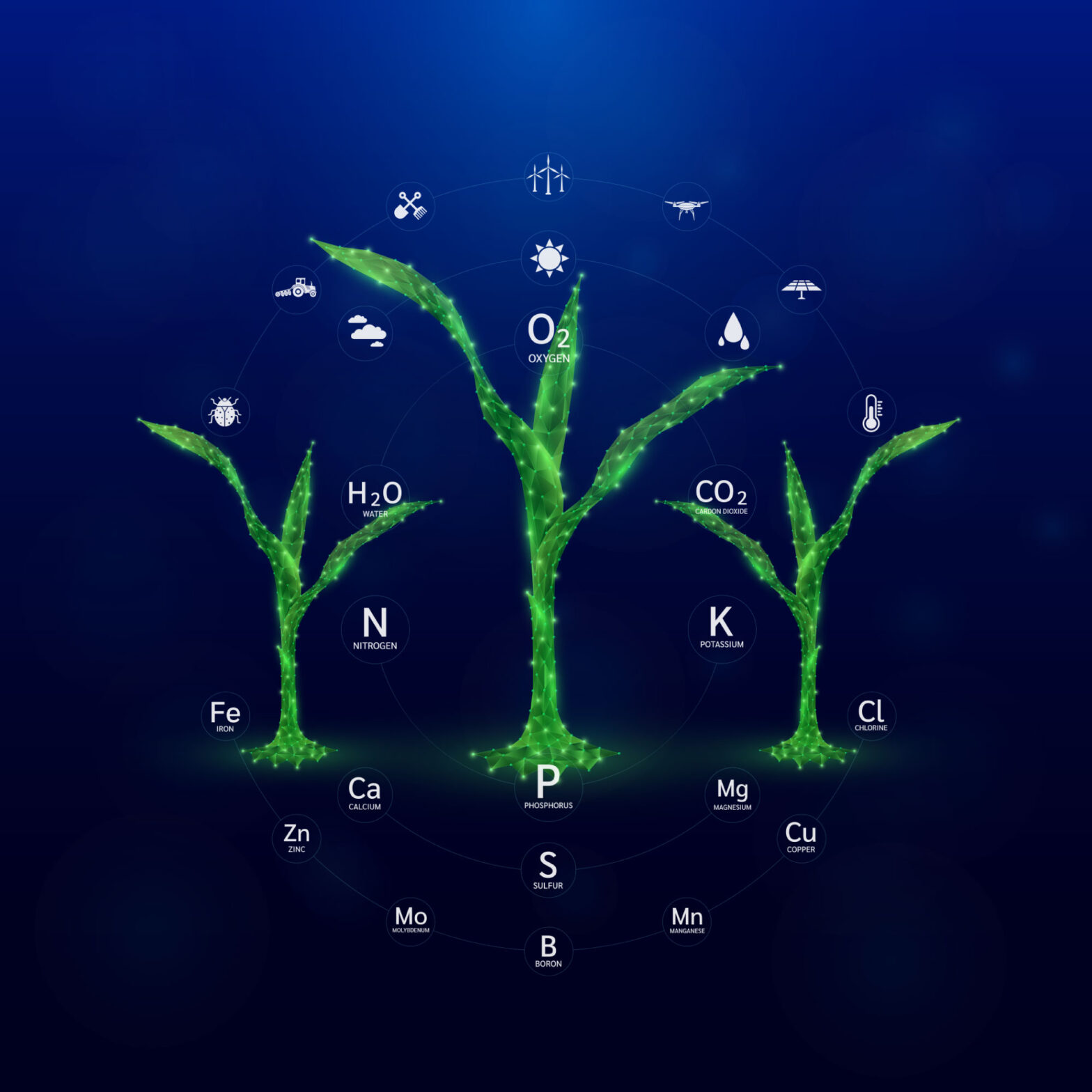
This multidisciplinary project, involving private companies and public research organizations, aims to improve the resilience of cropping systems based on three complementary pillars: 1) Improved Biological Control Agents, focused on the development and genetic improvement of key natural enemies, the optimization of mass rearing techniques, and the introduction of new predatory species; 2) Next-Generation Biopesticides, based on microbes, metabolites, interfering RNA (RNAi), and plant extracts; and 3) Semiochemical-Based Control, through the design of “Attract-and-Kill” platforms that use specific pheromones targeting thrips and mealybugs.
The synergy of these biotechnological innovations will allow for a 50% reduction in pesticide use, contributing to crop protection, health, and the environment, generating fruits and vegetables with fewer residues, and thus ensuring long-term economic viability for producers.
Microbial contamination and colonization of surfaces, including biofilms, are detrimental to health and society; biofilms are associated with ~80% of human infections and can be up to 1000× more tolerant to antimicrobials than planktonic cells. The inappropriate use of conventional agents such as quaternary ammonium compounds (QACs) has accelerated resistance and raises concerns due to their environmental impact. This project will evaluate the environmental impact of novel antimicrobial polymeric materials based on biodegradable cationic amphiphiles: (i) functionalized PLA polymers and (ii) zein nanoparticles encapsulating these compounds. Aerobic biodegradability in aquatic medium, aquatic toxicity (EC50), and effects on wastewater treatment plants (respiratory inhibition and phagocytic activity of activated sludge) will be determined.
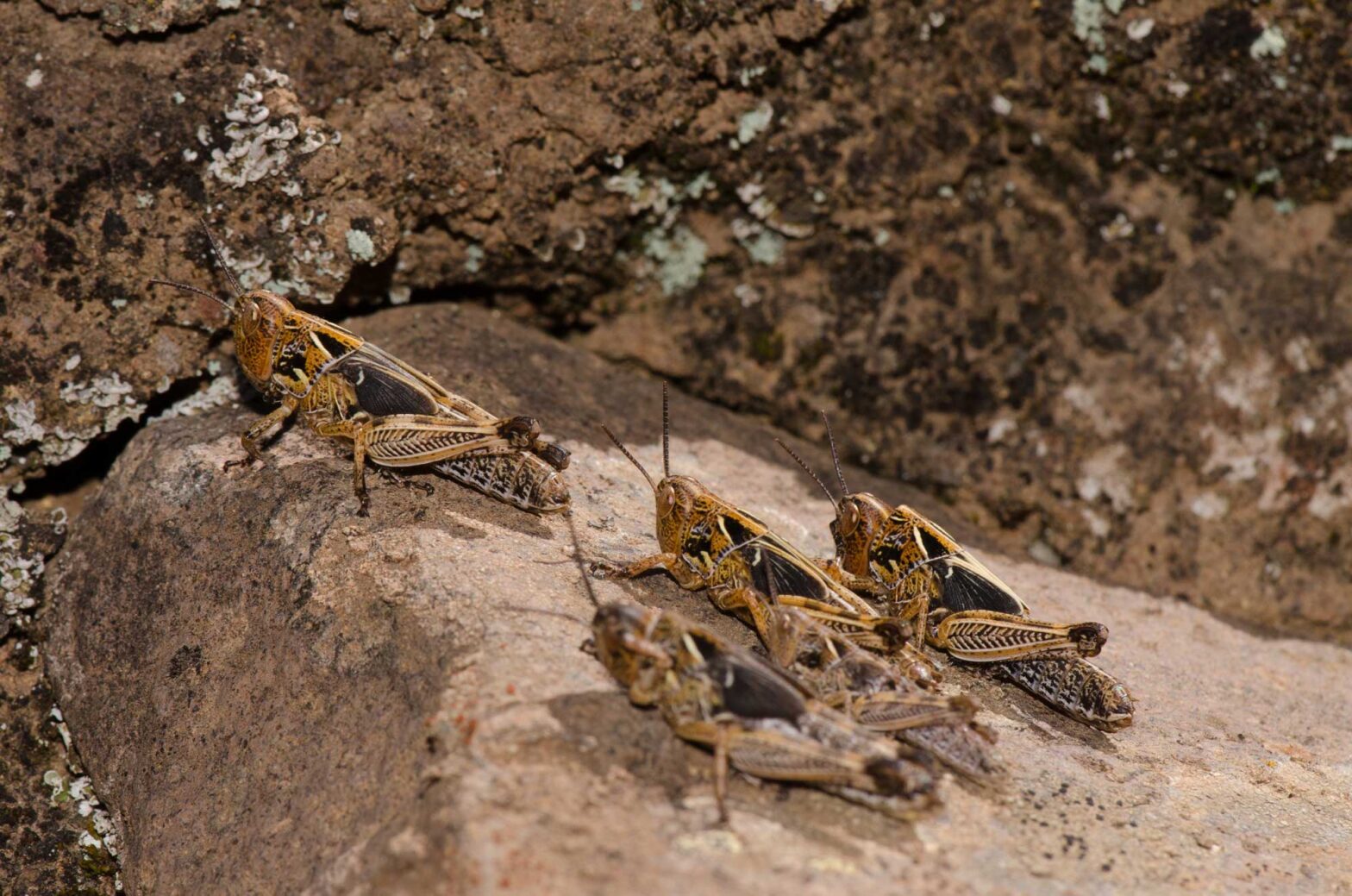
DEEPPEST aims to develop an innovative, fast, and cost-effective approach to identify environmentally friendly compounds for pest control, replacing conventional pesticides with species-specific semiochemicals (natural chemical signals that modify insect behavior). The project integrates deep learning, computational chemistry, transcriptomics, chemical analysis, and behavioral assays to predict the structure of receptors and odorant-binding proteins, screen compounds produced by insects, and design new active molecules de novo. The Moroccan locust (Dociostaurus maroccanus), a major agricultural pest causing recurrent outbreaks in Spain and other Mediterranean regions, is used as a case study. Candidate compounds will be validated through laboratory and semi-field trials. Beyond this case, DEEPPEST seeks to establish a general protocol rapidly applicable to emerging or invasive pests.
The project aims to study and optimize atmospheric non-thermal plasma treatments as an environmentally friendly technology to improve seed quality and agricultural productivity in drought-affected Mediterranean regions. Cereal, tomato, and alfalfa seeds will be treated and evaluated under normal and water stress conditions, from laboratory germination tests to growth studies, pot trials, and field trials. The project will analyze chemical changes on the seed surface, water imbibition, germination, plant development, and potential antimicrobial effects. This technology can contribute to reducing the use of chemical agents, promoting crop establishment under adverse climatic conditions, and strengthening a more sustainable and resilient Mediterranean agriculture.
This project aims to develop, scale up and commercialise the second generation of the reusable PPE product, based on a virucidal nanofibre technology, under the trade name PROVEIL. PROVEIL technology was developed, patented, certified as FFP2 R D, received several awards in Spain, and was sold in millions of units during the COVID-19 pandemic.
The new innovative second-generation PPE, 2G-PROVEIL, will focus on improving the design to achieve an optimal fit, enhancing the balance between filtration and breathability, reaching the PPF3 level, and selecting the best European-sourced materials to minimise inhalable contaminants. It will also improve comfort, extend durability and service life, and strengthen the sustainability and antimicrobial performance of the previously developed non-electret nanofibre-based filtration technology. In addition, the new product will incorporate a sensor to inform the user about the correct fit.
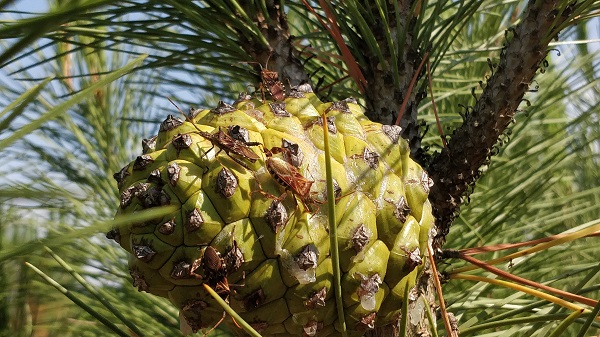
The stone pine, despite producing a highly valued pine nut, has insufficient global production. 70% of the global area of Pinus pinea is found in the Iberian Peninsula, but in Catalonia, the existing 40,000 ha produce very little due to a lack of management, climate change, and the invasive pest Leptoglossus occidentalis (Hemiptera: Coreidae). The project aims to transfer guidelines for productive management to the sector, from planting to harvesting, incorporating previous knowledge on the productive potential of stone pine in poor drylands, the evaluation of grafted plants, genotypes, rootstocks, and the recovery of non-grafted plantations. This project also addresses the potential of mass trapping L. occidentalis as an integrated management measure to further reduce its impact on pine nut production.
Manage Cookie Consent
To provide the best experiences, we use technologies like cookies to store and/or access device information. Consenting to these technologies will allow us to process data such as browsing behavior or unique IDs on this site. Not consenting or withdrawing consent, may adversely affect certain features and functions.
Functional
Always active
The technical storage or access is strictly necessary for the legitimate purpose of enabling the use of a specific service explicitly requested by the subscriber or user, or for the sole purpose of carrying out the transmission of a communication over an electronic communications network.
Preferences
The technical storage or access is necessary for the legitimate purpose of storing preferences that are not requested by the subscriber or user.
Statistics
Storage or technical access that is used exclusively for statistical purposes.The technical storage or access that is used exclusively for anonymous statistical purposes. Without a subpoena, voluntary compliance on the part of your Internet Service Provider, or additional records from a third party, information stored or retrieved for this purpose alone cannot usually be used to identify you.
Marketing
The technical storage or access is required to create user profiles to send advertising, or to track the user on a website or across several websites for similar marketing purposes.