


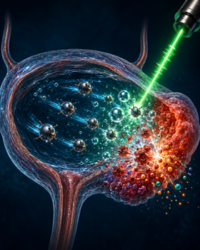
BubblyBots4BC aims to develop a novel immunotherapy for bladder cancer using urease-powered iron oxide nanobots combined with pulsed laser irradiation. Following intravesical administration, the nanobots are designed to self-propel, distribute within the bladder, and preferentially accumulate in tumor tissue. Upon laser activation, they generate vapor nanobubbles that mechanically damage cancer cells and induce immunogenic cell death, promoting the release of danger signals and dendritic cell activation. The project will optimize synthesis, motion, irradiation conditions, immune activation, tumor accumulation, and therapeutic efficacy in bladder cancer models.
Enfermedad Archives
Harnessing ALDH enzyme activity to develop highly selective drugs against cancer stem cells

Accumulating evidence reinforces the theory that cancer is developed and maintained by a subpopulation of cancer cells with stem cell properties. These cancer stem cells (CSCs) are typically in a quiescent state, making them resistant to standard therapies and responsible for disease relapse. The ERC-funded SeleCStem project aims to develop innovative strategies to target CSCs effectively by exploiting the enzyme aldehyde dehydrogenase (ALDH), which is overexpressed in CSCs across various cancers. The research team will harness the enzyme’s activity to selectively release drugs within CSCs and combine it with light-mediated inhibition of ALDH in tumours.
Smart pathology slide scanner for diagnosis and patient-specific treatment recommendations in oncology
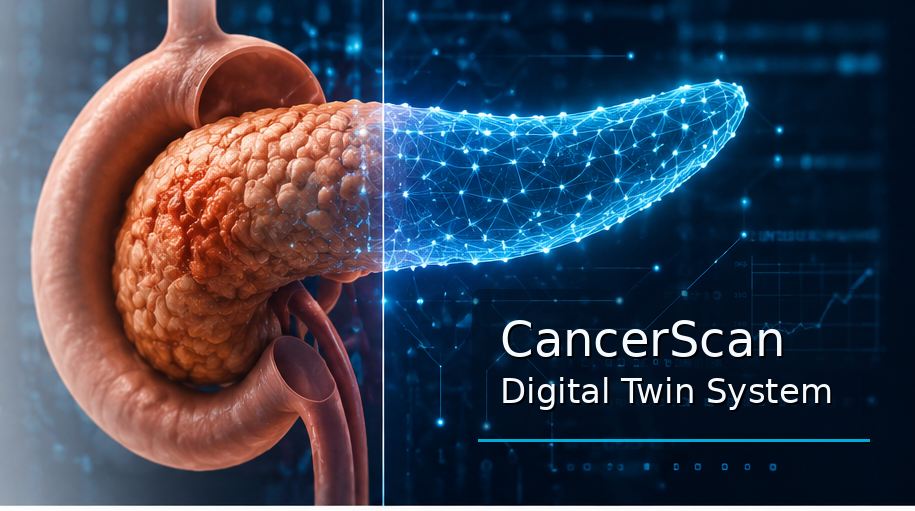
CancerScan develops a next‑generation pathology slide scanner that integrates slide‑level multi‑omics profiling from tumour biopsies with standard clinical data to (semi)automatically generate a patient‑specific tumour digital twin. By mapping tumour communication and tumour‑microenvironment interactions, reconstructing biomedical knowledge graphs and using AI‑enabled modelling with hardware acceleration, the platform will simulate drug responses and support more personalised decisions. Pancreatic cancer is used as the first model system, combining organoid experiments with clinical validation in collaboration with hospital partners.