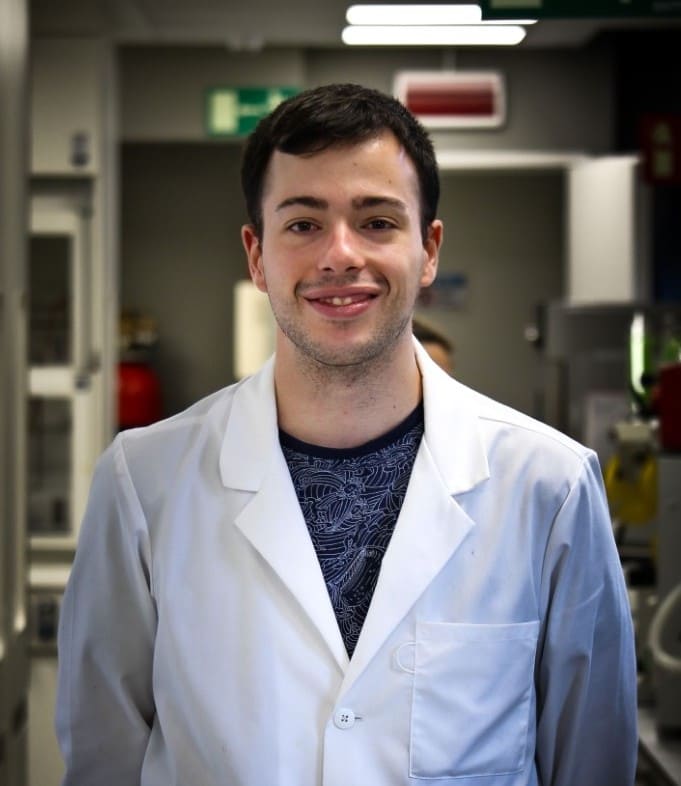
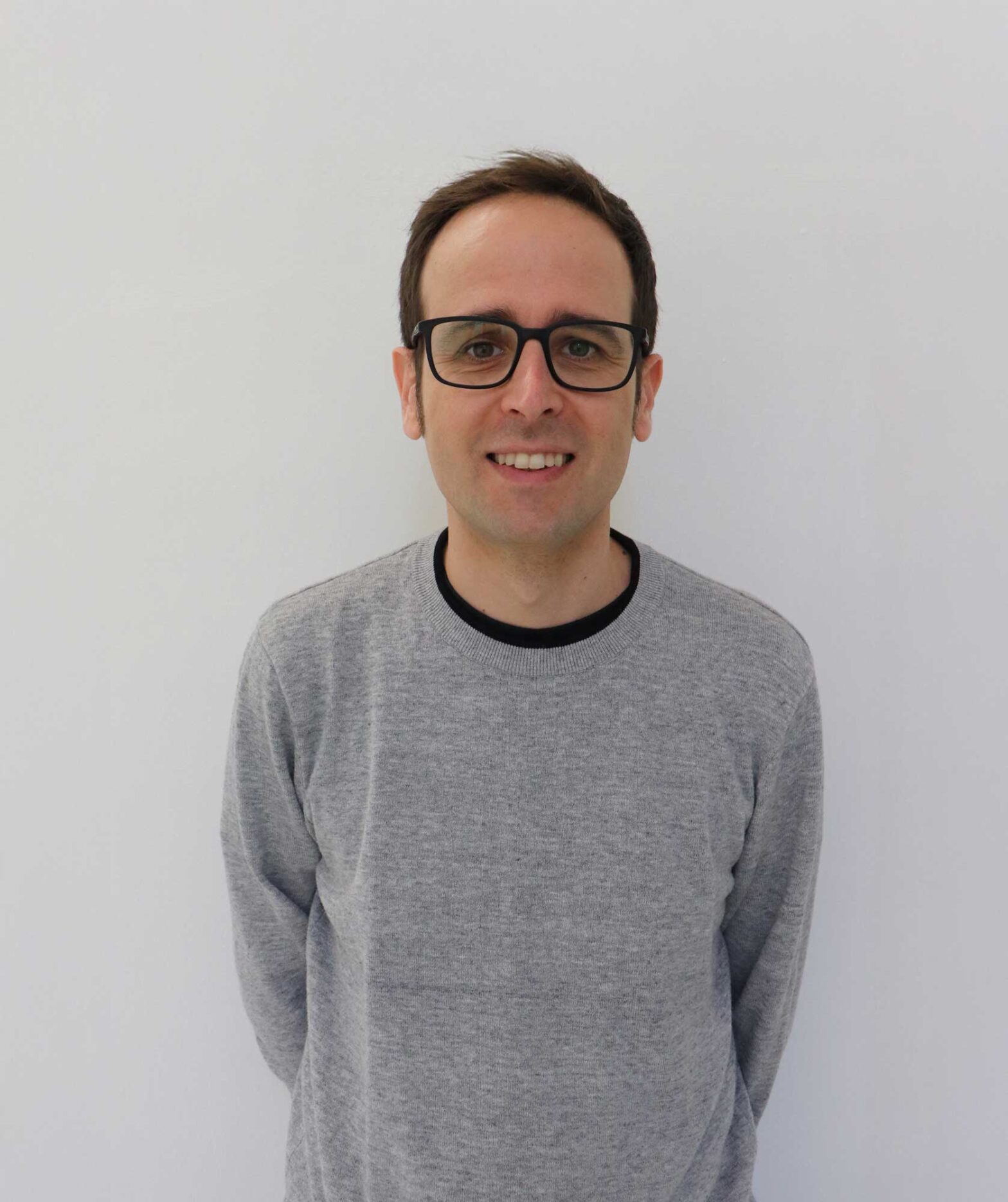
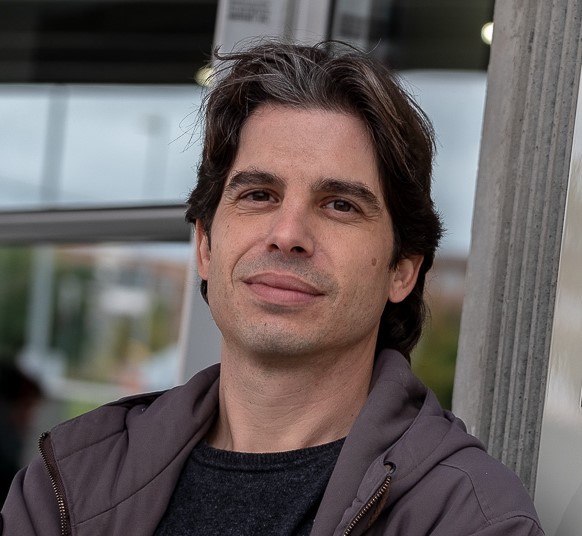
Dr. Alba Villar-Yanez is a chemist specialized in computational chemistry and molecular modelling, with a particular interest in the application of computational methods to the design of bioactive molecules and drug discovery. She holds a BSc in Chemistry from the Universitat Autònoma de Barcelona (UAB) and an MSc in Atomistic and Multiscale Computational Modelling in Physics, Chemistry and Biochemistry from the Universitat de Barcelona (UB) and the Universitat Politècnica de Catalunya (UPC). She obtained her PhD in Chemical Science and Technology from the Universitat Rovira i Virgili (URV) in 2024, carried out at the Institut Català d’Investigació Química (ICIQ), with Cum Laude distinction and International Mention, supported by an FPI fellowship from the Spanish Ministry of Science and Innovation.
During her PhD, she applied computational chemistry methods to the study of processes related to CO₂ valorization and recycling. She also carried out a research internship at the University of Amsterdam (Netherlands), where she studied metalloenzyme-catalyzed CO₂ reduction using molecular dynamics and Path-Metadynamics simulations.
She subsequently shifted her research towards photopharmacology and the design of photoswitchable molecules, working on the development and computational modelling of photoswitchable drugs during her postdoctoral research at the Universitat Autònoma de Barcelona (UAB) in 2025.
She is currently a postdoctoral researcher at the Institut de Química Avançada de Catalunya (IQAC-CSIC), within the Medicinal Chemistry and Synthesis (MCS) group. Her research focuses on the computational design and study of photoswitchable drugs, combining quantum chemical methods, dockings and molecular dynamics to investigate protein–ligand interactions and contribute to the development of novel light-controlled therapeutic strategies.
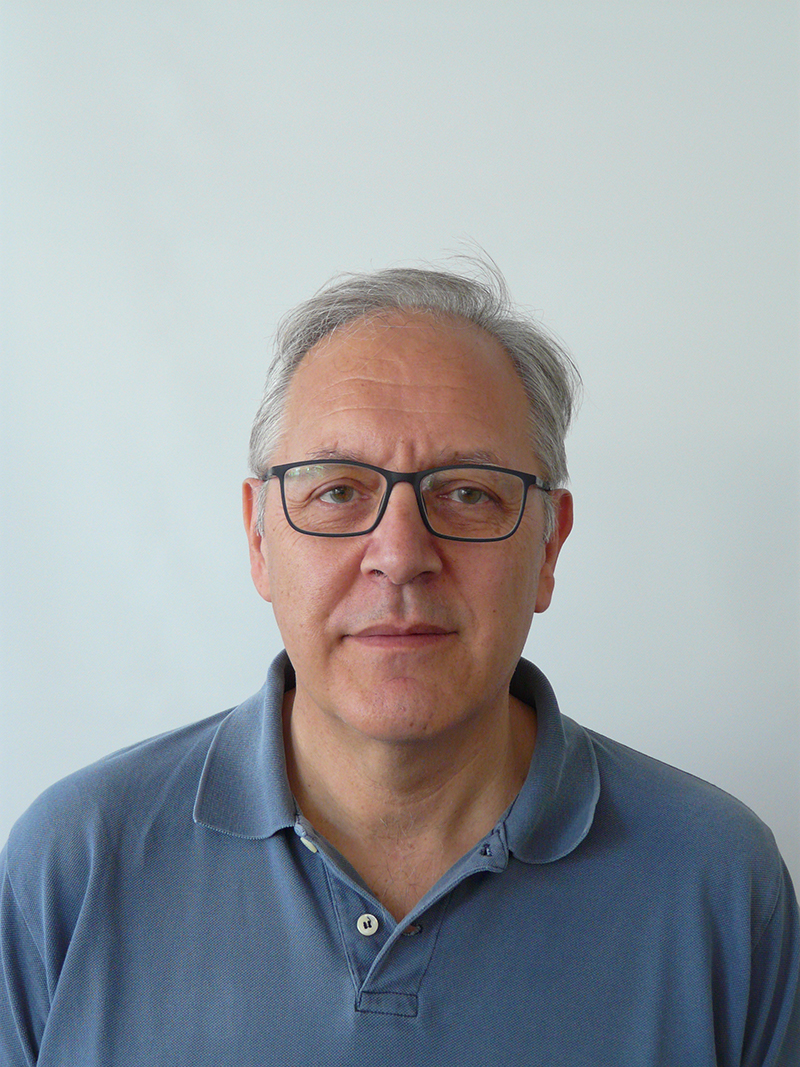
Javier Sánchez is a chemist specialized in organic and medicinal chemistry, with experience in the design and development of novel bioactive molecules with therapeutic potential. During his doctoral research at the University of Barcelona, he focused on the discovery and optimization of compounds for the treatment of neuropathic pain and neurodegenerative diseases, exploring both multitarget ligands and innovative targeted protein degradation strategies.
As part of his research training, he completed a research stay at the University of Oxford, where he worked on the development of G protein-coupled receptor (GPCR) modulators, further broadening his experience in drug discovery and molecular design.
He is currently a member of the Medicinal Chemistry and Synthesis (MCS) group at IQAC-CSIC, where he works on the development of photoswitchable molecules and new photopharmacological strategies aimed at achieving more precise control of pharmacological activity and enabling the development of more selective and safer therapies.
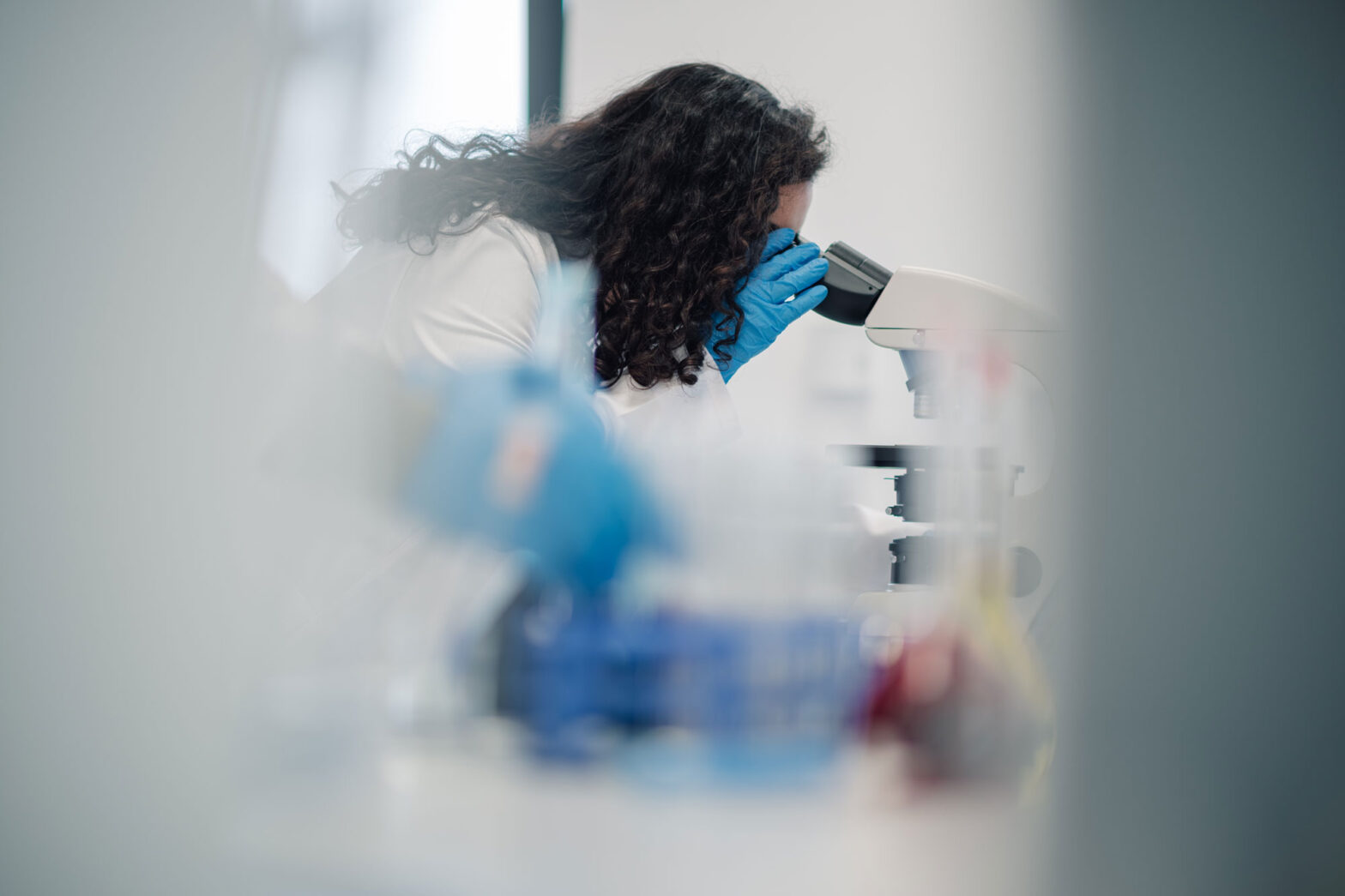
Juliette Bedrossiantz is a neuroscientist and toxicologist specialising in the development of innovative methodologies to study sublethal effects in aquatic models. She obtained her PhD in Neurosciences from the Universitat Autònoma de Barcelona (2024, Cum Laude, International Doctorate) and has training in integrative biology, physiology and toxicology from Université Toulouse III Paul Sabatier (France).
Between 2018 and 2025, she worked at the Institute of Environmental Assessment and Water Research (IDAEA-CSIC), where she developed high-throughput automated video-tracking systems to investigate behavioural, physiological and cardiovascular responses in aquatic models such as zebrafish (Danio rerio), Daphnia magna, medaka (Oryzias latipes) and European seabass (Dicentrarchus labrax). By integrating behavioural, cellular and molecular approaches, her research has helped to understand toxicological mechanisms relevant to both environmental and human health.
She is currently a Juan de la Cierva postdoctoral researcher in the Medicinal Chemistry and Synthesis (MCS) group at IQAC-CSIC, where she works on the validation of photopharmaceuticals and on the development of safer and more specific therapeutic strategies.
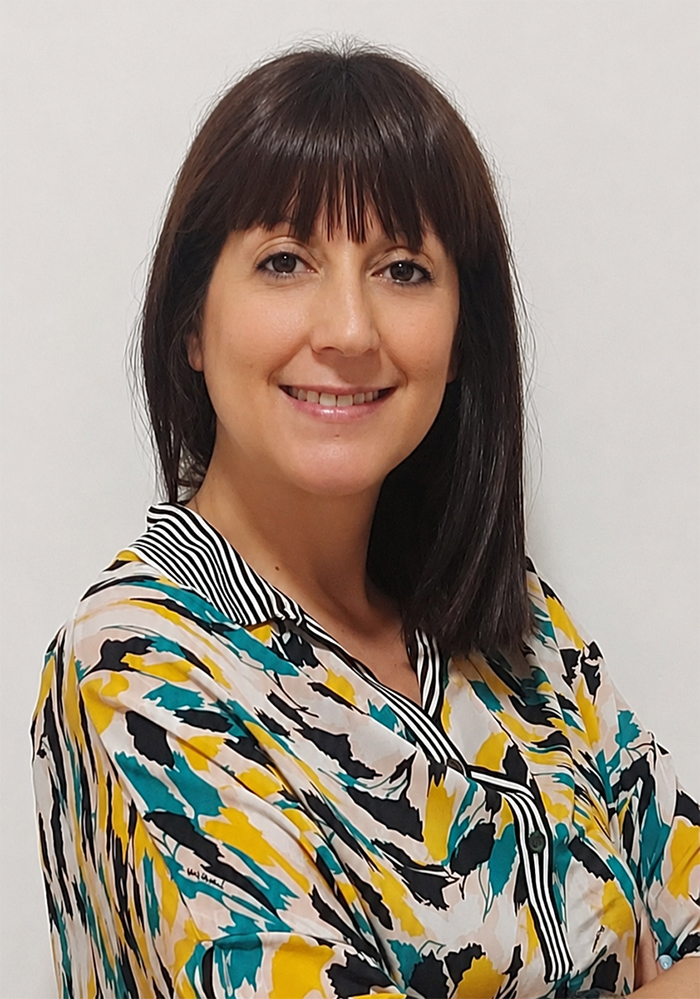
Ramona holds a degree in Biology from the Università degli Studi di Napoli Federico II and a PhD from the Faculty of Pharmacy at the University of Barcelona. She has developed a solid career in research and project management within the cosmetic and pharmaceutical sectors.
Her expertise in peptide synthesis and encapsulation systems with pharmaceutical activity marked the beginning of her professional career in the R department of Infinitec Activos (now part of Evonik Industries AG), where she managed the full development cycle of new cosmetic ingredients, from the conceptual phase to market launch.
She later joined Creaciones Aromáticas Industriales S.A. (CARINSA Group) as a Project Manager, where she was responsible for managing national and international grants and provided scientific support to the cosmetics division, including contributions to patent drafting.
She is currently part of the Medicinal Chemistry and Synthesis (MCS) group at IQAC-CSIC as Project Manager and Quality Manager. In this role, she oversees the administrative aspects of projects, coordinates the group’s quality management system, leads digital communication, and organizes scientific outreach activities and events.
Dr. Gandía has a particular interest in the development of new methodologies within the research groups he has worked with, always in the areas of neuroscience and pharmacology.
During his predoctoral studies, he moved to Toronto (Department of Biochemistry, University of Toronto) to learn and apply the membrane yeast two-hybrid technique for the characterization of interacting proteins for 50 medically relevant G protein-coupled receptors (GPCRs). The results obtained during the project’s development were published in a high-impact article in collaboration with several laboratories (Sokolina et al., 2017).
During his postdoctoral stay at INRA (2015–2019), he built a nanobody library against a subset of GPCRs, the exploitation of which has been shared by the team with research groups from other countries.
In his subsequent postdoctoral period at the Université de Tours (2019–2021), his interest in implementing a broader range of behavioral tests in murine models of ALS allowed the research group to conduct more precise evaluations of effective therapies for amyotrophic lateral sclerosis.
He is currently a member of the Medicinal Chemistry and Synthesis group at IQAC-CSIC, where he implements new biological techniques for the pharmacological characterization of recently synthesized molecules, with a special emphasis on their application in photopharmacology.
Xavier Rovira Algans obtained his PhD at the Institute of Neurosciences of the Autonomous University of Barcelona (UAB). He received several competitive grants that enabled him to undertake two predoctoral stays at Cornell University (New York) and at Université Paris Descartes (Paris), as well as a postdoctoral stay of around 5 years at the Institut de Génomique Fonctionnelle (Montpellier). These experiences allowed him to specialise in mathematical and molecular modelling of biological systems, cellular and molecular biology, bioinformatics and molecular pharmacology.
In February 2020, he joined the Medicinal Chemistry and Synthesis (MCS) laboratory at The Institute for Advanced Chemistry of Catalonia (IQAC-CSIC), where he obtained a Ramón y Cajal grant. In 2022, he passed a competitive examination to become a permanent researcher at the Spanish National Research Council (CSIC). His main research interest has been the activation dynamics of G protein-coupled receptors (GPCRs).
It is important to highlight that during these years he has established a network of collaborators that has played an essential role in the development of the emerging field known as photopharmacology. This emerging area of research is based on the development and use of light-controlled drugs to regulate proteins with high temporal and spatial precision in their native environment.
Manage Cookie Consent
To provide the best experiences, we use technologies like cookies to store and/or access device information. Consenting to these technologies will allow us to process data such as browsing behavior or unique IDs on this site. Not consenting or withdrawing consent, may adversely affect certain features and functions.
Functional
Always active
The technical storage or access is strictly necessary for the legitimate purpose of enabling the use of a specific service explicitly requested by the subscriber or user, or for the sole purpose of carrying out the transmission of a communication over an electronic communications network.
Preferences
The technical storage or access is necessary for the legitimate purpose of storing preferences that are not requested by the subscriber or user.
Statistics
Storage or technical access that is used exclusively for statistical purposes.The technical storage or access that is used exclusively for anonymous statistical purposes. Without a subpoena, voluntary compliance on the part of your Internet Service Provider, or additional records from a third party, information stored or retrieved for this purpose alone cannot usually be used to identify you.
Marketing
The technical storage or access is required to create user profiles to send advertising, or to track the user on a website or across several websites for similar marketing purposes.