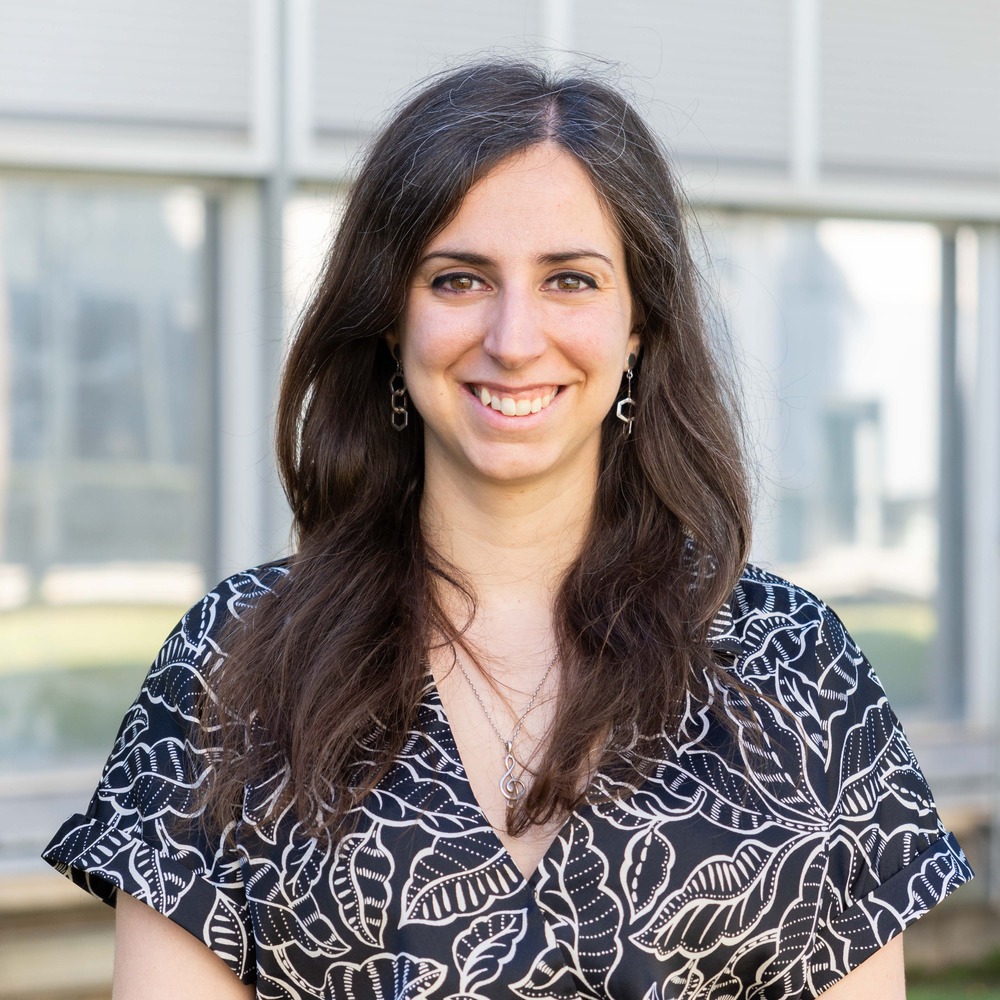
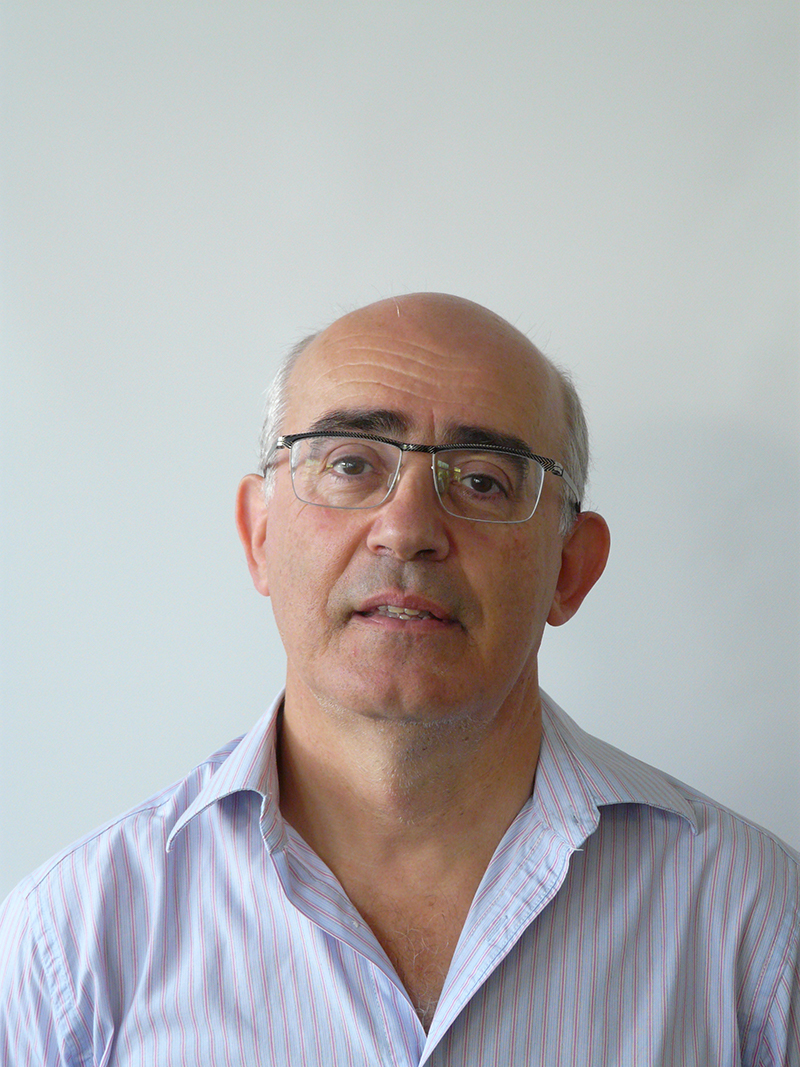
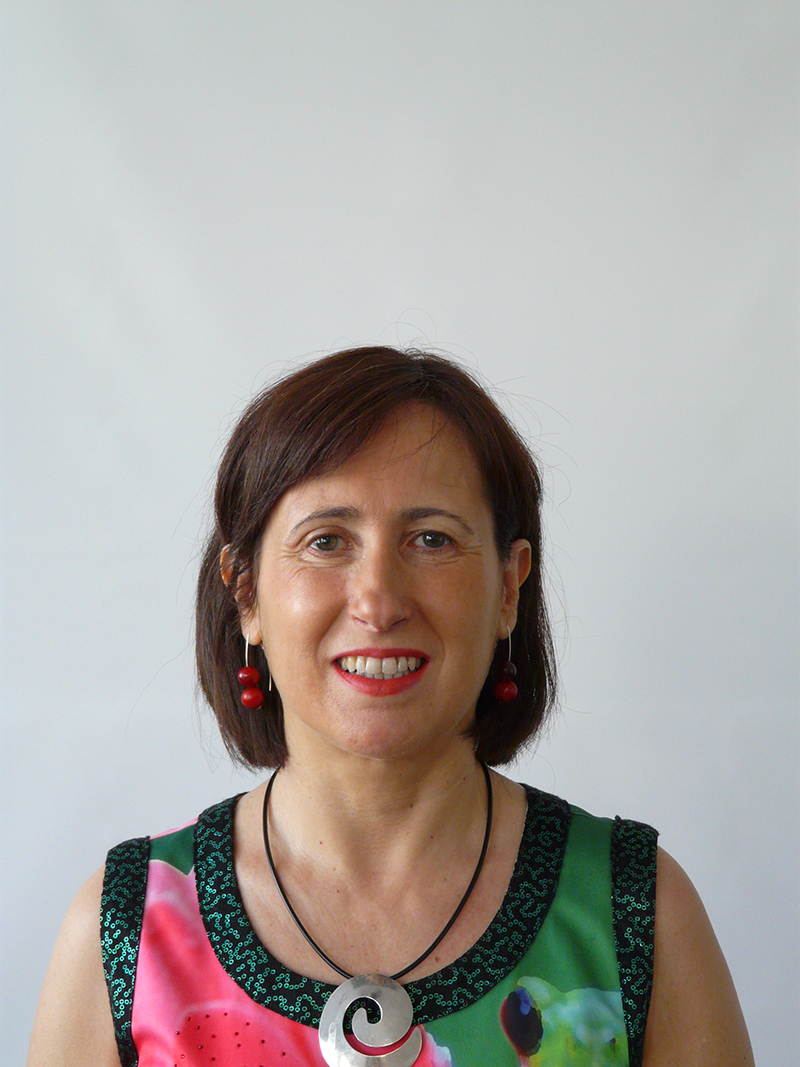
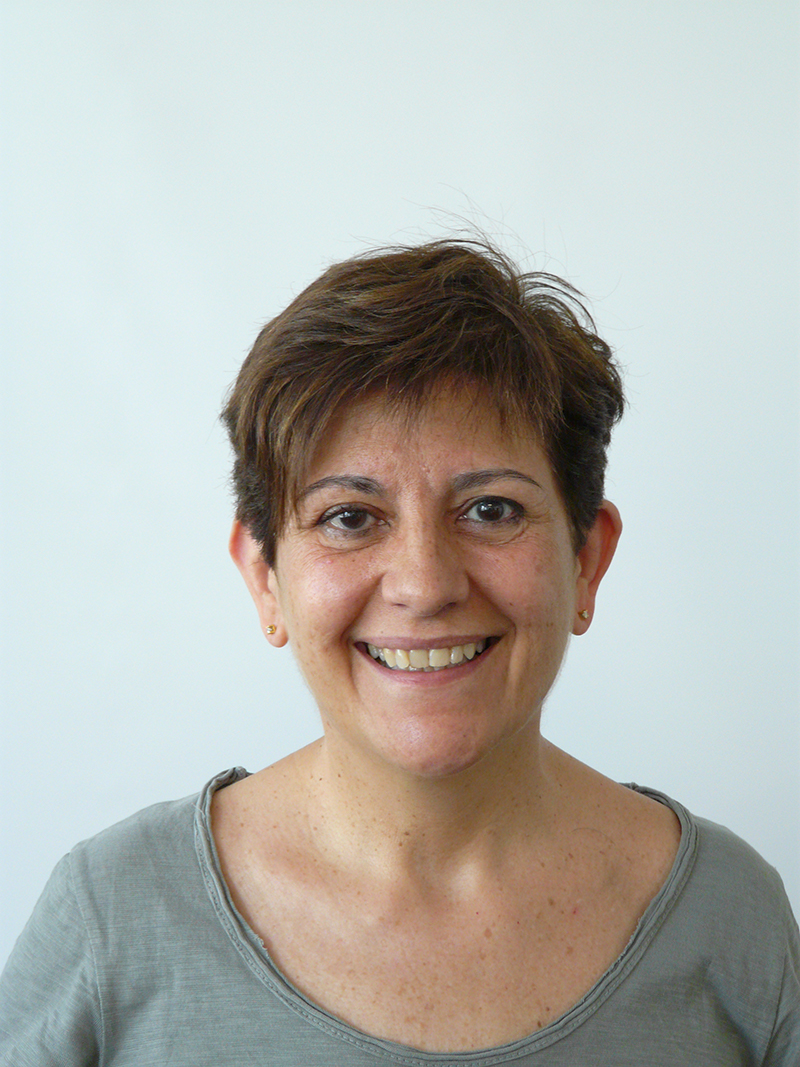
Dr. Alba Villar-Yanez is a chemist specialized in computational chemistry and molecular modelling, with a particular interest in the application of computational methods to the design of bioactive molecules and drug discovery. She holds a BSc in Chemistry from the Universitat Autònoma de Barcelona (UAB) and an MSc in Atomistic and Multiscale Computational Modelling in Physics, Chemistry and Biochemistry from the Universitat de Barcelona (UB) and the Universitat Politècnica de Catalunya (UPC). She obtained her PhD in Chemical Science and Technology from the Universitat Rovira i Virgili (URV) in 2024, carried out at the Institut Català d’Investigació Química (ICIQ), with Cum Laude distinction and International Mention, supported by an FPI fellowship from the Spanish Ministry of Science and Innovation.
During her PhD, she applied computational chemistry methods to the study of processes related to CO₂ valorization and recycling. She also carried out a research internship at the University of Amsterdam (Netherlands), where she studied metalloenzyme-catalyzed CO₂ reduction using molecular dynamics and Path-Metadynamics simulations.
She subsequently shifted her research towards photopharmacology and the design of photoswitchable molecules, working on the development and computational modelling of photoswitchable drugs during her postdoctoral research at the Universitat Autònoma de Barcelona (UAB) in 2025.
She is currently a postdoctoral researcher at the Institut de Química Avançada de Catalunya (IQAC-CSIC), within the Medicinal Chemistry and Synthesis (MCS) group. Her research focuses on the computational design and study of photoswitchable drugs, combining quantum chemical methods, dockings and molecular dynamics to investigate protein–ligand interactions and contribute to the development of novel light-controlled therapeutic strategies.
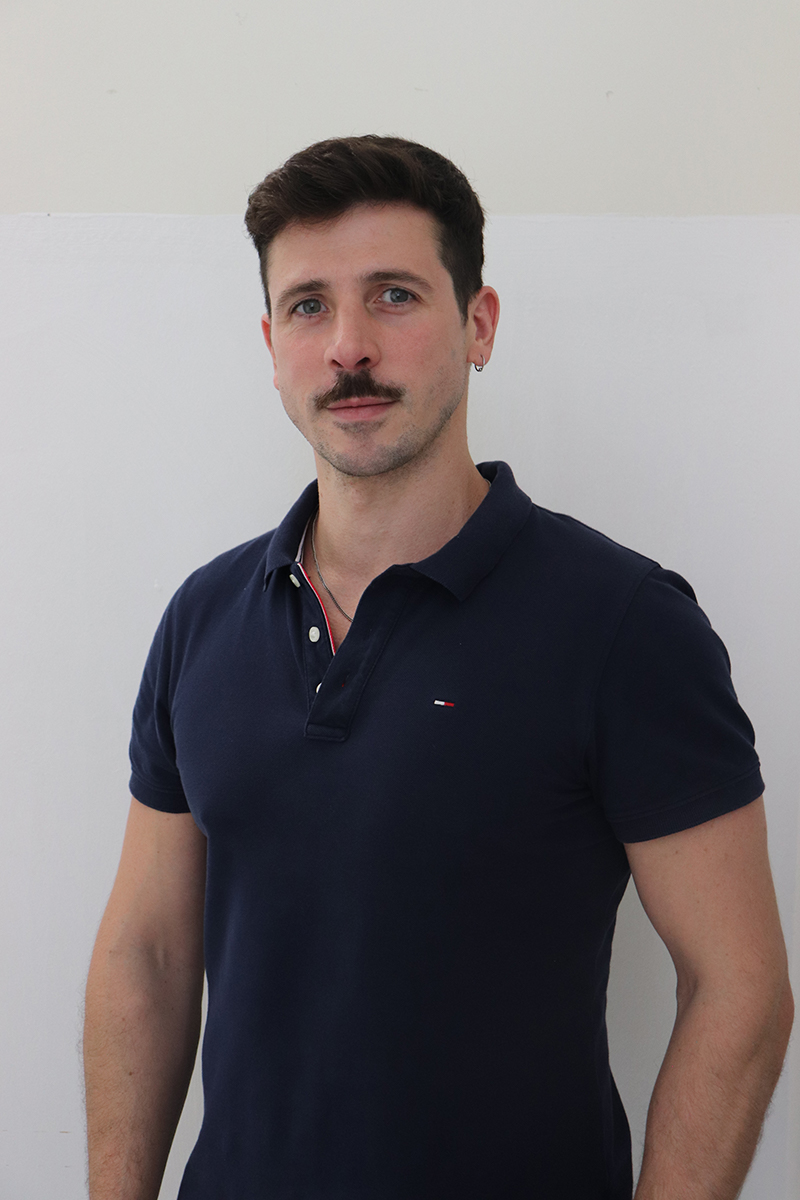
Juan Fraire obtained his PhD in Chemistry from the University of Córdoba (Argentina) in 2016. After his doctorate, he joined the Laboratory of General Biochemistry and Physical Pharmacy at Ghent University (Belgium) as a postdoctoral researcher, where he worked on photoporation as an advanced drug delivery technique for nucleic acid-based therapies and cell transfection. He has received prestigious fellowships, including those from CONICET (Argentina), Fulbright (Boston University, USA), FWO (Ghent University, Belgium), and Beatriu de Pinós – Marie-Curie COFUND (IBEC, Spain). His initial contributions have been recognized with the Ocean Optics Young Investigator Award and the Sabato Institute Award. In 2021, he joined the Smart Nano-Bio-Devices group at the Institute for Bioengineering of Catalonia (IBEC, Spain), and was promoted to senior researcher in 2023.
Juan is a Ramón y Cajal Principal Investigator at the Institute for Advanced Chemistry of Catalonia (IQAC-CSIC) within the Nanomedicine for Therapeutic Applications (NM4T) group, where he leads the Gene and Light Nanotherapies Lab (GLNT). His research interests include the rational design of nanocarriers for nucleic acid delivery, leveraging light-activated effects for intracellular delivery and immunogenic activation, and the development of stimulus-responsive nanosystems.
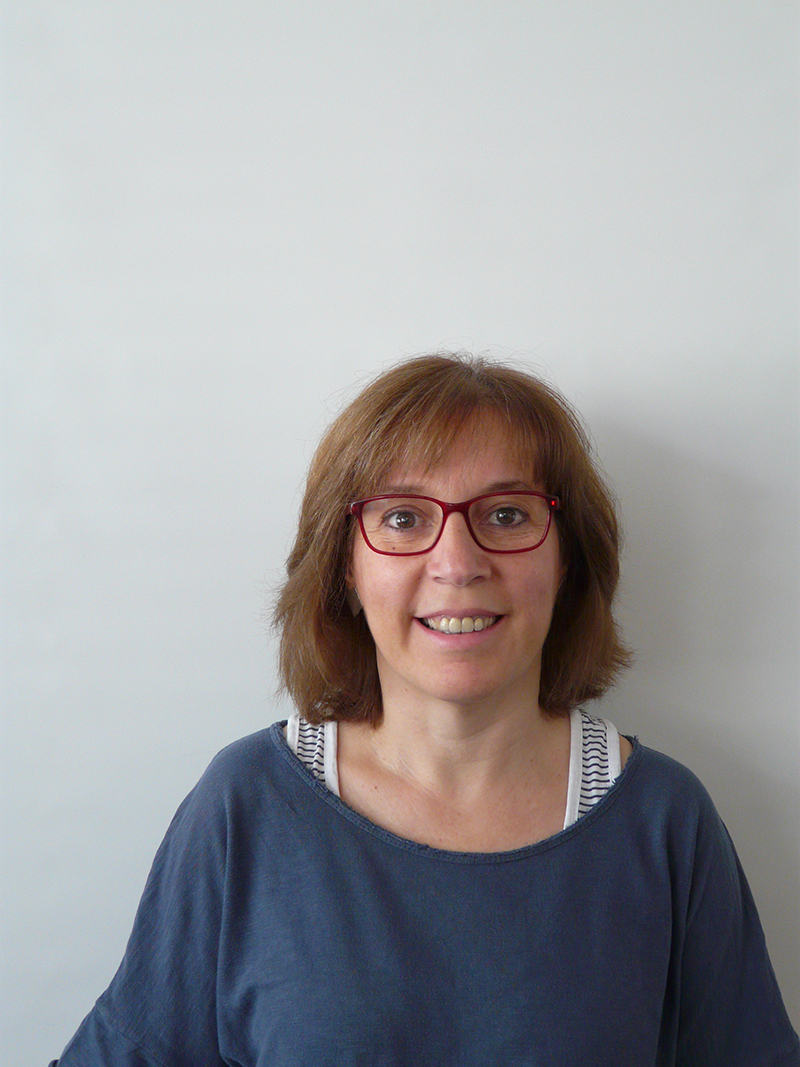
Lluïsa Vilaplana holds a PhD in Biological Sciences from the University of Barcelona. She is currently a researcher in the Nanobiotechnology for Diagnostics (Nb4D) group at IQAC-CSIC.
Her scientific career began in the field of insect endocrinology and development. She subsequently carried out two postdoctoral research stays at Imperial College London and the Centre for Ecology and Hydrology (CEH-NERC, Oxford), where she worked on baculoviruses, their use as expression vectors, and their application in biological control. Upon returning to Barcelona through competitive programs funded by the Government of Catalonia and CSIC, she continued her research at IBMB-CSIC, where, using molecular and cellular biology techniques, she generated and characterized recombinant baculoviruses for pest control purposes and investigated cell death mechanisms associated with insect metamorphosis. She later joined CRAG, where she focused on the study of plant virus transmission by insect vectors.
Since joining IQAC-CSIC, her research has been oriented towards biomedicine and infectious diseases. In this context, she has promoted a research line focused on the treatment of bacterial infections through the use of antibodies directed against molecules involved in bacterial cell-to-cell communication, with a particular interest in Pseudomonas aeruginosa. This approach aims to interfere with virulence processes associated with infection and responds to the need for new therapeutic strategies to address the growing problem of antibiotic resistance. Her scientific career includes the authorship of 40 scientific publications, 39 contributions to national and international conferences, and technology transfer activities, including serving as Principal Investigator of a CaixaImpulse project and co-authoring a patent and a trade secret.
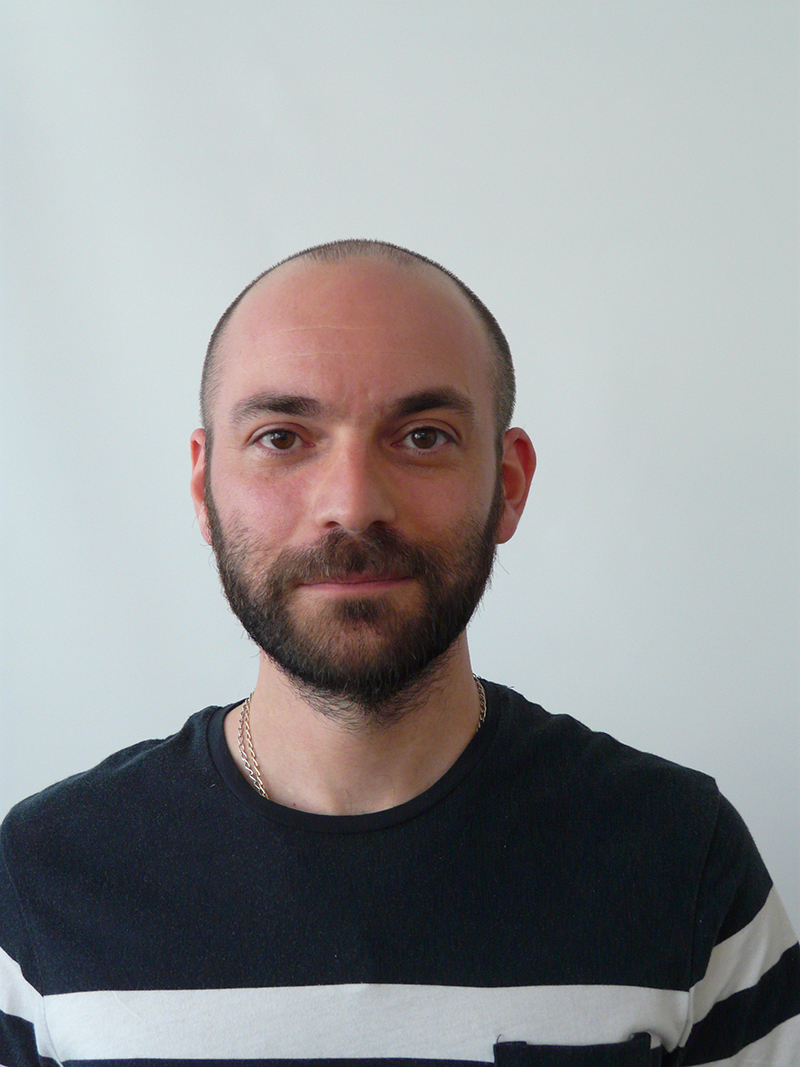
PhD in Biology (University of the Basque Country, 2010). The fundamental question of my research is what insects “smell” and how they use chemical signals to interact with their environment. Specifically, I have focused on the chemical ecology of pest insects, especially those of agricultural and forestry interest, with the aim of identifying relevant semiochemicals involved in intraspecific and interspecific communication, as well as their potential application in integrated pest management programs.
How did life arise on Earth? This fundamental question has driven my scientific curiosity and remains at the heart of my research. It has led me to explore key issues: how stable were primordial proteins? Were the early oceans thermophilic? How did the basic molecules of life emerge and evolve to enable the self-organization of the first cells? And, crucially: how does the Central Dogma work—how does the flow of information from DNA to RNA and to proteins shape the complexity of life?
My interdisciplinary background—spanning chemistry, biophysics and biology—has enabled me to address these questions and contribute to understanding the fundamental principles underlying the origin and evolution of cellular life. I believe that modern proteins hold the key to answering these mysteries. Their sequences, structures and functions encode a rich evolutionary history. Using tools such as ancestral protein reconstruction and in vitro evolution, we can decode this history, infer ancient protein sequences and reconstruct their functions. By linking prebiotic chemistry with modern biology, my research aims to shed light on how life emerged from abiotic reactions and evolved into the complex systems we observe today.
Prof. Ramon Eritja obtained his PhD in 1983 at the University of Barcelona under the supervision of Prof. Giralt in peptide synthesis. He conducted postdoctoral training in oligonucleotide synthesis at the Beckman Research Institute of the City of Hope (Dr. B. Kaplan and K. Itakura) from 1984 to 1987, and at the University of Colorado at Boulder (Dr. M. H. Caruthers) from 1987 to 1988. He returned to the University of Barcelona in 1988. He was group leader at CSIC in Barcelona from 1990 to 1994. Subsequently, he was group leader and director of the central DNA synthesis unit at the European Molecular Biology Laboratory (EMBL), Heidelberg (Germany), from 1994 to 1999.
He has been a research professor at CSIC in Barcelona since 2000 to the present. He was director of The Institute for Advanced Chemistry of Catalonia (IQAC) from 2012 to 2017. His group is a member of the CIBER-BBN research network center in Bioengineering, Biomaterials and Nanomedicine. He is co-author of more than 400 publications and several patents on the synthesis and properties of nucleic acid derivatives. His research has focused on the following areas: 1) development of new RNA derivatives to improve the specific gene silencing properties of siRNA via RNA interference, including nuclease-resistant siRNA and oligonucleotide-lipid conjugates. 2) conformational analysis of non-canonical DNA structures of biological interest such as G-quadruplex and i-motif. 3) development of biosensors based on clamp oligonucleotides to improve binding via triple helix formation. 4) functionalization of DNA origami to improve biomedical properties. 5) synthesis and study of oligonucleotides with unnatural bases. 6) synthesis of oligonucleotide-peptide conjugates. President of IS3NA (2025-2026).
CSIC Research Professor and Scientific Director of CIBER-BBN and the Custom Antibody Service (CAbS), a facility of the ICTS NANBIOSIS. As head of the Nanobiotechnology for Diagnostics (Nb4D) group, she coordinates a multidisciplinary research team whose scientific activity is focused on developing a new generation of diagnostic approaches based on the integration of custom-designed bioreceptors with innovative micro(nano)structures and/or optical or electrochemical transducers. Her scientific activity is guided by the vision of a future where diagnostics are based on personalized molecular fingerprints, which poses significant technological challenges. She is currently interested in developing innovative diagnostic approaches for infectious diseases with an original perspective in which cellular communication becomes the primary focus.
She has co-authored nearly 250 scientific articles, registered 15 patents—some of which are licensed—and has several active exploitation contracts. Most of her research is conducted within the context of international collaborations with renowned research institutions, companies, and other stakeholders.
Mª Luisa Coderch Negra graduated in Chemistry from the University of Barcelona (1980). She completed a Master’s degree in Chemistry at the University of California, Santa Barbara (1982) and a PhD in Industrial Chemistry at the University of Barcelona (1988). She has been a CSIC scientist since 1990 and a research professor since 2009 at the Institute for Advanced Chemistry of Catalonia (IQAC-CSIC).
She specializes in the chemical characterization of lipid compounds and the physicochemical study of lipid structures in keratinous tissues such as wool, hair, and the stratum corneum of human skin. Her research also focuses on the in vitro and in vivo evaluation of the percutaneous absorption of different compounds and vehicles, leading the management of the Dermocosmetic Evaluation Service with ISO9001:2008 and GLP 055CAT quality certifications.
She has participated in 38 R projects funded through competitive calls and 102 non-competitive R projects. She has published 267 articles in scientific journals and is the author of 12 patents. She has supervised 5 doctoral theses and 16 final degree or master’s projects.
Bachelor’s degree in Pharmacy (1980), Master’s thesis (1981), and PhD in Pharmacy (1985; FPU fellowship) from the University of Barcelona. Postdoctoral stay (Fulbright fellowship) at NYSAES-Cornell University (Geneva, NY, USA) (08/1989-09/1991). CSIC Tenured Scientist since 1986 and Research Professor since 2010. Co-director of the Research Unit on BioActive Molecules. Her research focuses on the development and validation of chemical tools and their application to advance the knowledge of lipid-mediated biological processes. Special attention is given to the identification of therapeutic targets and their modulation through new chemical entities and strategies (including proximity-based pharmacology), discovered via rational design or library screening, for subsequent application in therapy and diagnostics. Indicators: 13 doctoral theses supervised (5 in the last 10 years); 166 publications in JCR-indexed journals (60 in 2014-2024); 13 patents (4 in 2014-2024); 55 competitive projects (coordinator or PI in 17 national projects, 2 bilateral projects, and 4 foundation projects) and 7 contracts with companies (PI in 4). G. Fabriàs was Director of IQAC (01/2017-06/2021), Director of CID (05/2018-09/2020), and a member of the CSIC Scientific Advisory Board (06/2018-12/2022).
Manage Cookie Consent
To provide the best experiences, we use technologies like cookies to store and/or access device information. Consenting to these technologies will allow us to process data such as browsing behavior or unique IDs on this site. Not consenting or withdrawing consent, may adversely affect certain features and functions.
Functional
Always active
The technical storage or access is strictly necessary for the legitimate purpose of enabling the use of a specific service explicitly requested by the subscriber or user, or for the sole purpose of carrying out the transmission of a communication over an electronic communications network.
Preferences
The technical storage or access is necessary for the legitimate purpose of storing preferences that are not requested by the subscriber or user.
Statistics
Storage or technical access that is used exclusively for statistical purposes.The technical storage or access that is used exclusively for anonymous statistical purposes. Without a subpoena, voluntary compliance on the part of your Internet Service Provider, or additional records from a third party, information stored or retrieved for this purpose alone cannot usually be used to identify you.
Marketing
The technical storage or access is required to create user profiles to send advertising, or to track the user on a website or across several websites for similar marketing purposes.