


Tipo de personal Archives

Ibane Abasolo Olaortua
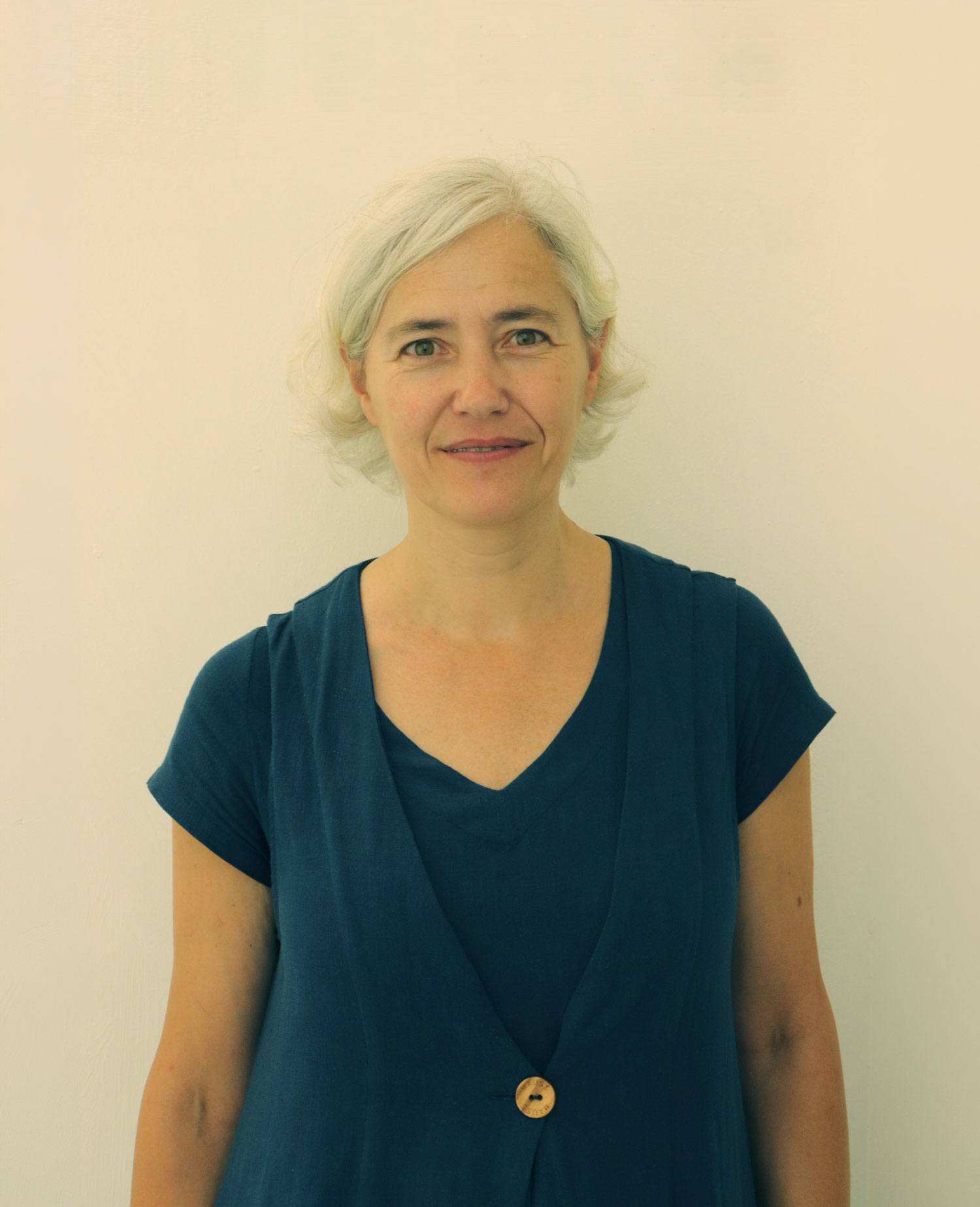
Dr. Ibane Abasolo is a scientific researcher at The Institute for Advanced Chemistry of Catalonia (IQAC-CSIC), where she leads the Nanomedicine for Therapeutic Applications group and coordinates the CIBER-BBN CB06/01/0012 group. Her research focuses on the development of advanced drug delivery systems for cancer and rare diseases, integrating chemistry, nanotechnology, biology, and artificial intelligence to design innovative new nanotherapies.
Isabel Haro Villar
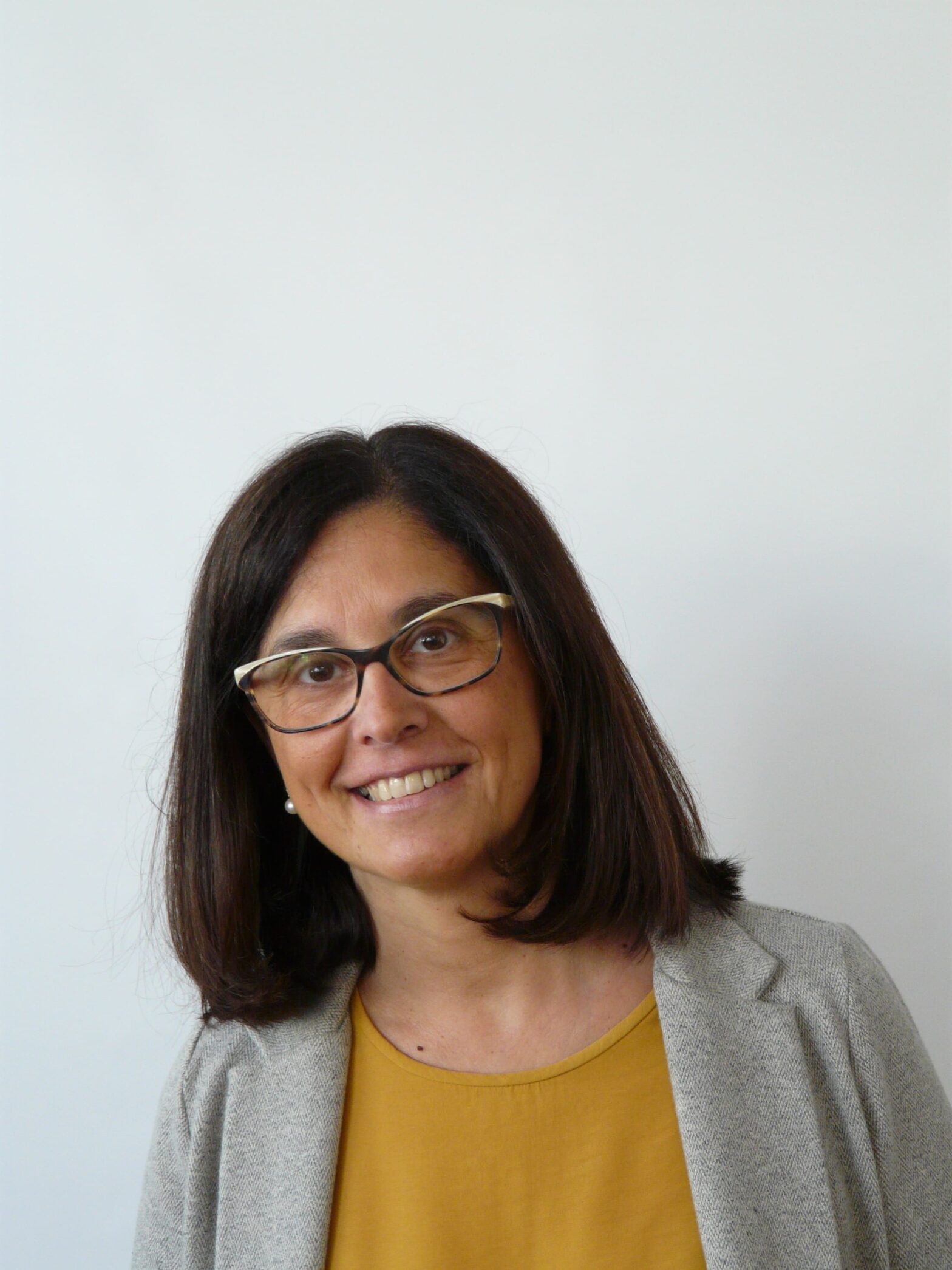
Isabel Haro is a research scientist at CSIC and works at The Institute for Advanced Chemistry of Catalonia. She obtained her degree in Chemistry from the University of Barcelona in 1982 and completed a Master of Science in the Department of Biochemistry at the same university. In 1985 she joined the CSIC Peptides’ Laboratory and completed her doctorate in 1988.
After two years of postdoctoral training between CSIC in Barcelona and the Royal Free Hospital in London, she obtained a permanent position at CSIC in 1990. Since then she has worked on the use of synthetic peptides in the field of biomedicine and has published more than 200 articles, 8 reviews, 30 book chapters and 8 patents. She has also been principal investigator of 16 research projects and 3 contracts with industry, and has supervised 16 doctoral theses.
Ramon Crehuet Simon

Trained as a chemist, with a degree and a PhD from the University of Barcelona. His research lines focus on biomolecular dynamics and mechanisms, within the field of computational biochemistry and biophysics. He studies intrinsically disordered proteins and their liquid-liquid phase separation, a recently discovered biological phenomenon with implications in transcription, protein aggregation, among others. He focuses on proteins involved in prostate cancer and autism spectrum disorder.
He works on the importance of dynamics in enzymatic catalysis and protein design. He also focuses on DNA replication machinery and insect olfactory receptors, among other systems. His results have shown the importance of conformational movements and the role of selected conformations. In his research he uses computational methods ranging from quantum chemistry to deep learning techniques. He develops methods to integrate simulation results with experimental data. He has a strong commitment to open science.
Lourdes Pérez Muñoz

Lourdes Pérez obtained her PhD in Chemistry in 1997 from the University of Barcelona, where she studied the physicochemical and biological properties of arginine-based gemini surfactants. The research she has conducted over the last 25 years focuses on the field of biocompatible surfactants, and her main objective is the development of non-toxic and biodegradable surfactant compounds from renewable natural products.
Throughout her career, she has worked on the following areas: a) design and synthesis of new surfactant compounds with lower toxic activity than those commercially available, b) study of their physicochemical, biological, and ecotoxicological properties, c) elucidation of the interaction mechanism between surfactants and the cell membrane to explain toxicity, d) antimicrobial and antibiofilm activity of these compounds, and e) formulation and study of antimicrobial vesicles and nanoparticles.
Results of great interest have been obtained in the field of sustainable chemistry, which has favored their transfer to the industrial sector. She has published more than 115 scientific articles in international peer-reviewed journals, has supervised 3 doctoral theses and 10 master’s projects, and is a co-inventor of 11 patents.
Daniel Pulido Martínez
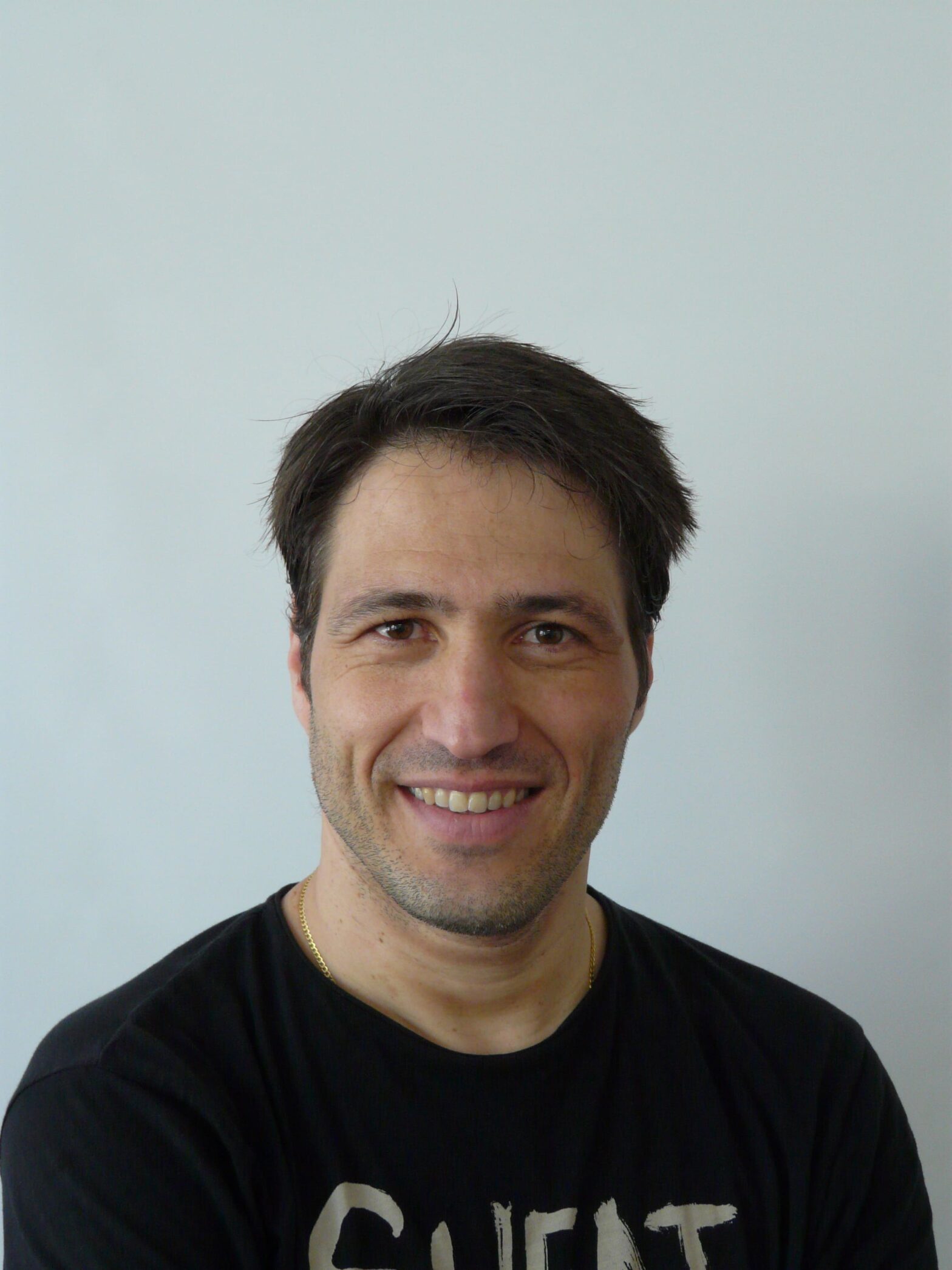
BSc in Chemistry (2001, UB) and PhD in Organic Chemistry (2007, UB) in the field of synthesis and applications of oligonucleotides and peptides. After my PhD, I joined CIBER-BBN, first as a postdoctoral researcher and later as an associate researcher (2007-2023). During this period, I completed two short research stays at the University of Tartu (Estonia), where I learned phage display techniques for the discovery of new peptide ligands. Since 2023, I have been a Tenured Scientist at IQAC-CSIC and a member of the “Multivalent Systems for Nanomedicine (MS4N)” group.
My research interests focus on the design and synthesis of new biocompatible multivalent/multimodal chemical platforms, such as dendrimers, polymers, micelles, and lipid nanovesicles, and the study of their applications in biomedicine. My main lines of research include: 1) development of drug delivery systems for the treatment of pathologies such as cancer (colorectal, breast, and glioblastoma) or lysosomal diseases (rare diseases such as Fabry or Pompe), 2) development of chemical tools to study G protein-coupled receptors and their application as therapeutic agents in movement-related diseases, and 3) development of targeting units (peptides, small molecules) or vectors to promote the accumulation of therapeutic delivery systems in specific cells, tissues, or organs.
Carme Fàbrega Claveria
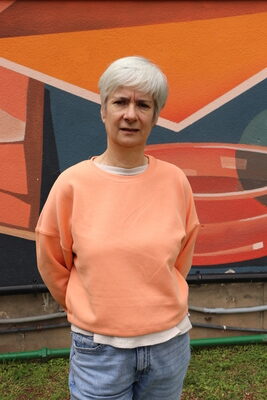
I began my academic career with a degree in Chemistry and a PhD supervised by Ramón Eritja Casadellá on the incorporation of modified bases with mutagenic properties into synthetic oligonucleotides to study their structural and biological properties. In 1997, I moved to the Scripps Institute for a postdoctoral stay in the field of aminoacyl-tRNA synthetases in Paul Schimmel’s group. Subsequently, I completed a postdoctoral stay at the Weill Medical School in New York in Christopher D. Lima’s group, where I studied the capping process of the 5′ end of messenger RNA. My own research line, based on the development of new families of inhibitors of two proteins responsible for DNA repair as adjuvants in chemotherapy, was consolidated through a Miguel Servet contract to join the National Cancer Research Centre.
In 2009, this research line was consolidated at IRB Barcelona. Since 2021, I have been a Research Scientist at IQAC-CSIC. My research projects include the design of drug delivery vectors, the study of mutagenesis and DNA repair, the inhibition of repair proteins, the synthesis of oligonucleotide conjugates with lipids, peptides and proteins, and other therapeutic applications.
Juan Pablo Salvador Vico
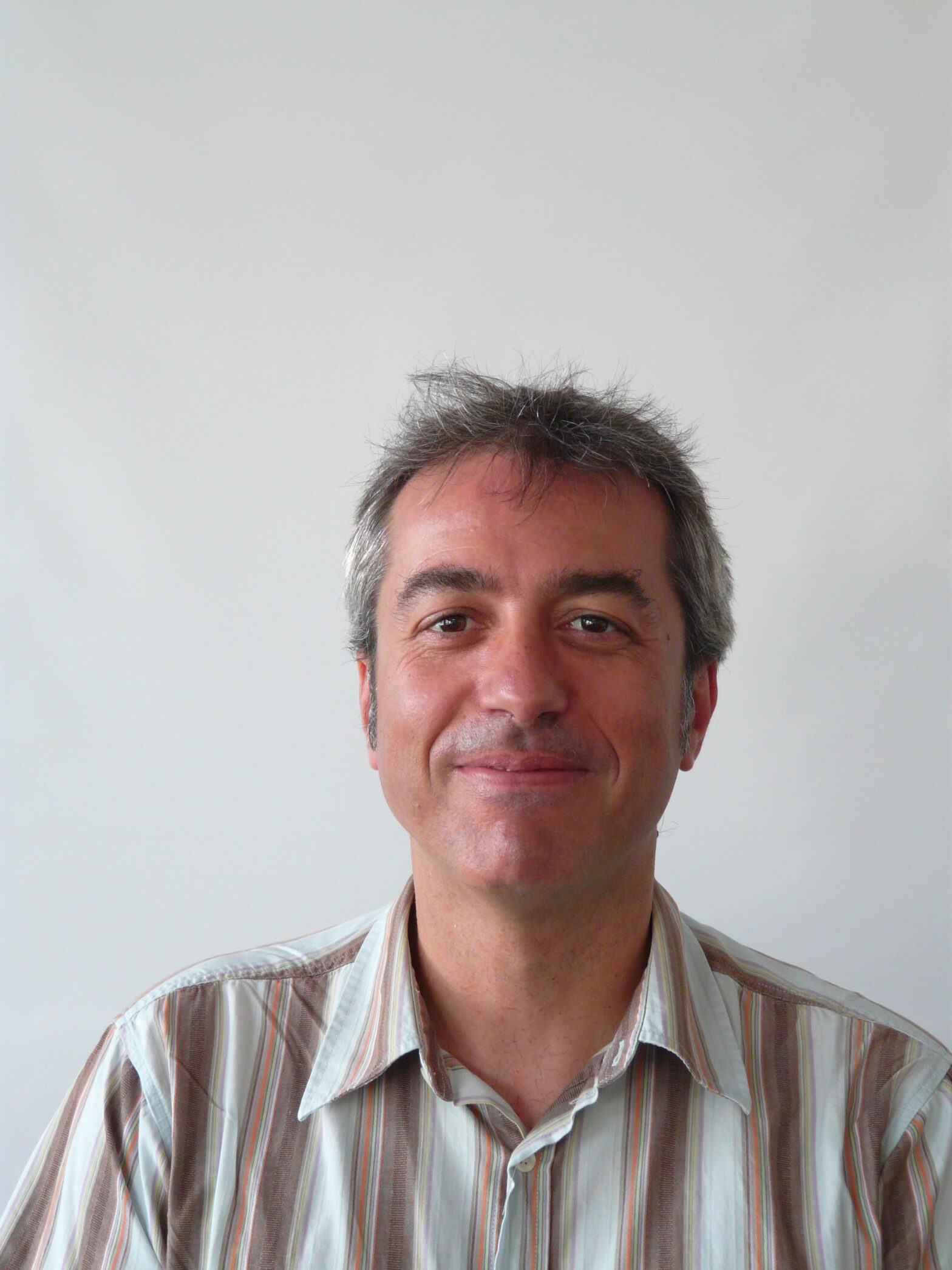
PhD in Chemistry from the University of Barcelona (2007). After obtaining his doctorate, he was hired as an associate researcher at CIBER-BBN (2007-2024). In 2024, he was appointed as a Tenured Scientist at CSIC. His research focuses on antibody production and the development of new diagnostic tools for monitoring drugs/contaminants in the environment, food safety, and health.
He currently leads research in the production of nanobodies with diagnostic and therapeutic applications. He manages national and European projects. He has supervised four doctoral theses (four ongoing) and co-authored more than 50 publications in international scientific journals. Additionally, he has presented his contributions at over 40 (inter)national conferences, including 2 invited lectures. He is also the inventor of two patents, one of which has been successfully licensed. In the last decade, he has participated in projects for the detection of pathogenic bacteria, producing and characterizing antibodies/nanobodies targeting quorum sensing molecules.
María José Gómara Elena
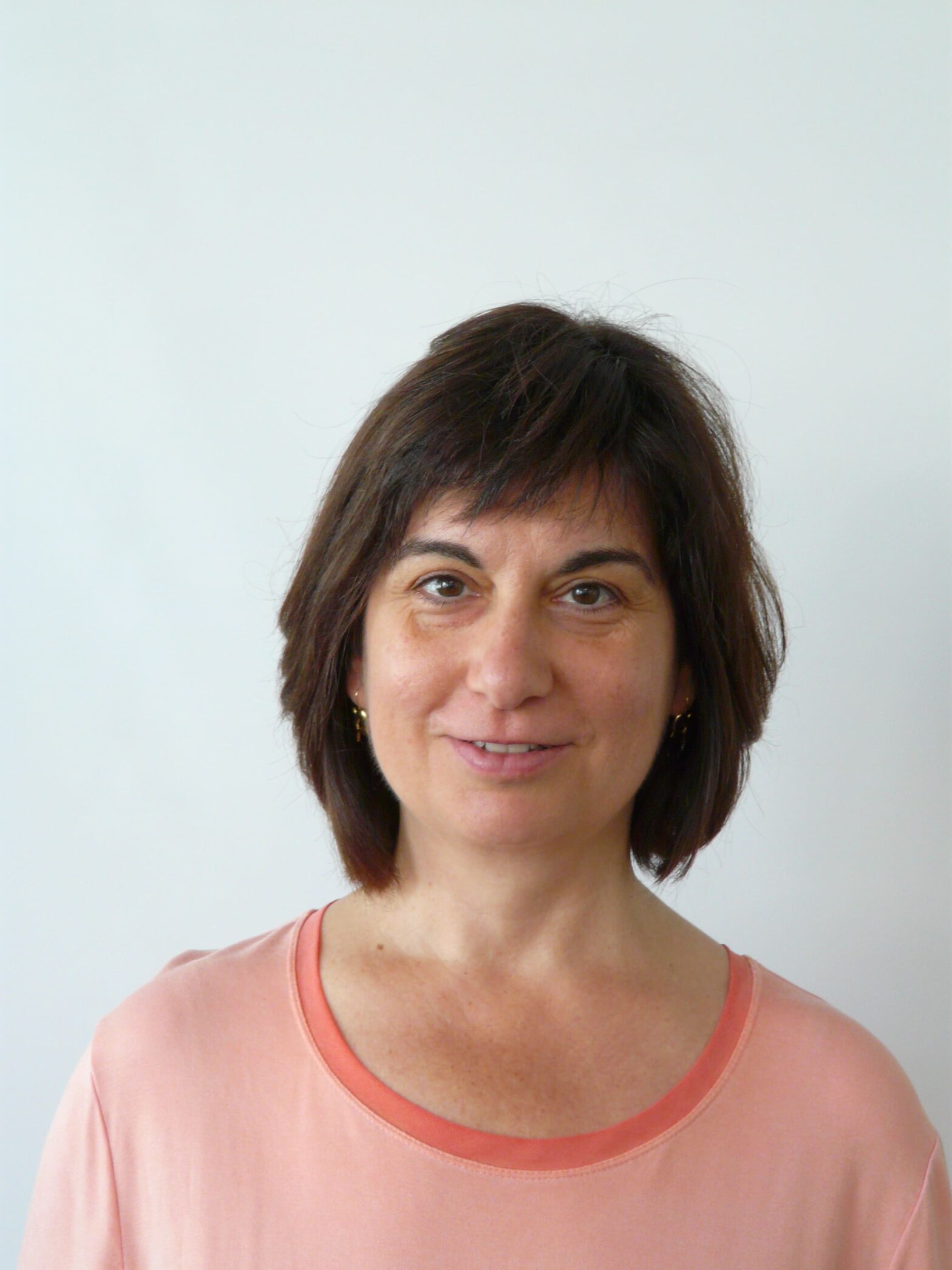
María José Gómara is a Tenured Scientist at CSIC and works at The Institute for Advanced Chemistry of Catalonia (IQAC-CSIC). She obtained her degree in Pharmacy at the University of Barcelona (UB) in 1992. She completed her PhD thesis in the peptide and protein synthesis group (IIQAB-CSIC) under the supervision of Dr Isabel Haro (1996–2000). Close collaborations were established with the Department of Physical Chemistry of the Faculty of Pharmacy (UB) and with the Immunology Service (IDIBAPS) of Hospital Clínic de Barcelona. In addition, she carried out two research stays at the Department of Neuroscience and Cell Biology of the University of Medicine and Dentistry of New Jersey and at the Institute of Medicine of the Austral University of Chile, in Valdivia.
She subsequently undertook a 4-year postdoctoral stay in the Department of Biochemistry and Molecular Biology at the University of the Basque Country. In 2005 she joined the Peptide Synthesis and Biomedical Applications Unit (IQAC-CSIC), where she currently conducts research based on the use of synthetic peptides in the field of biomedicine. As a result of her scientific career, she has published 95 articles in international scientific journals, 7 book chapters, and has supervised 3 doctoral theses.
Carme Quero López
I am a biologist with a PhD from the University of Barcelona. I spent two years as a postdoctoral researcher at the University of Iowa (USA), where I worked on insect olfaction and the use of pheromones for pest control. Upon returning to Barcelona, I participated in several projects, all focused on integrated pest management strategies. Subsequently, I joined the IIBB-CSIC, where I began working in the field of proteomics. I obtained a Ramón y Cajal contract at the IQAC-CSIC and, during this period, established the IQAC Proteomics Service. I am currently a tenured researcher at IQAC and the institute’s deputy director.
My scientific career began with research on pheromonal communication in lepidopterans and the inhibition of pheromone response through interactions with proteins involved in olfactory processes. I continued working in insect chemical ecology, exploring behavioral inhibition using intraspecific compounds and pheromone analogs, with the aim of delving deeper into the mechanisms that regulate olfactory perception.
Throughout my career, and to this day, a central focus of my research has been the isolation and identification of new attractants and other behavior-modulating compounds to develop innovative methods for controlling both native and invasive insect pests.