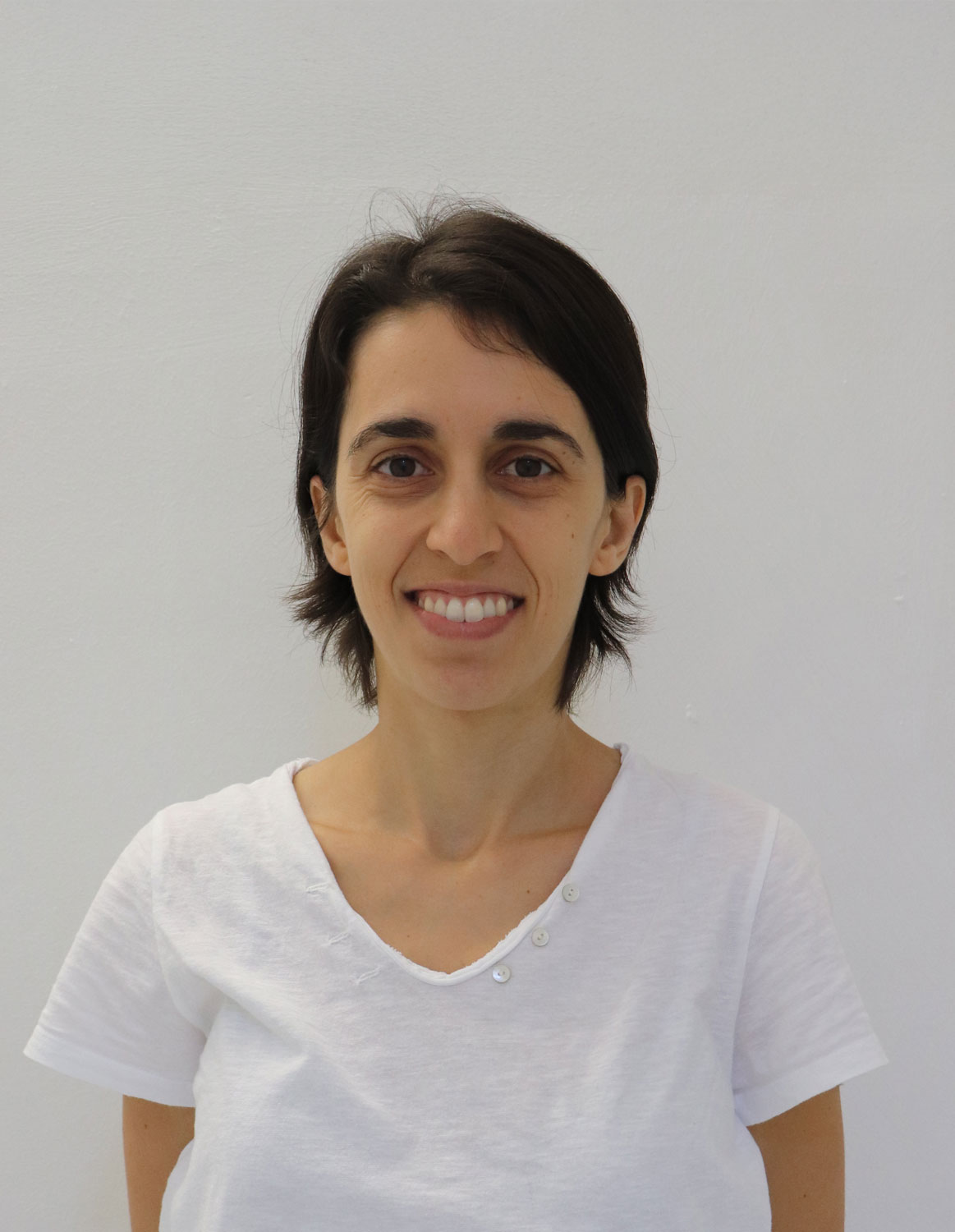
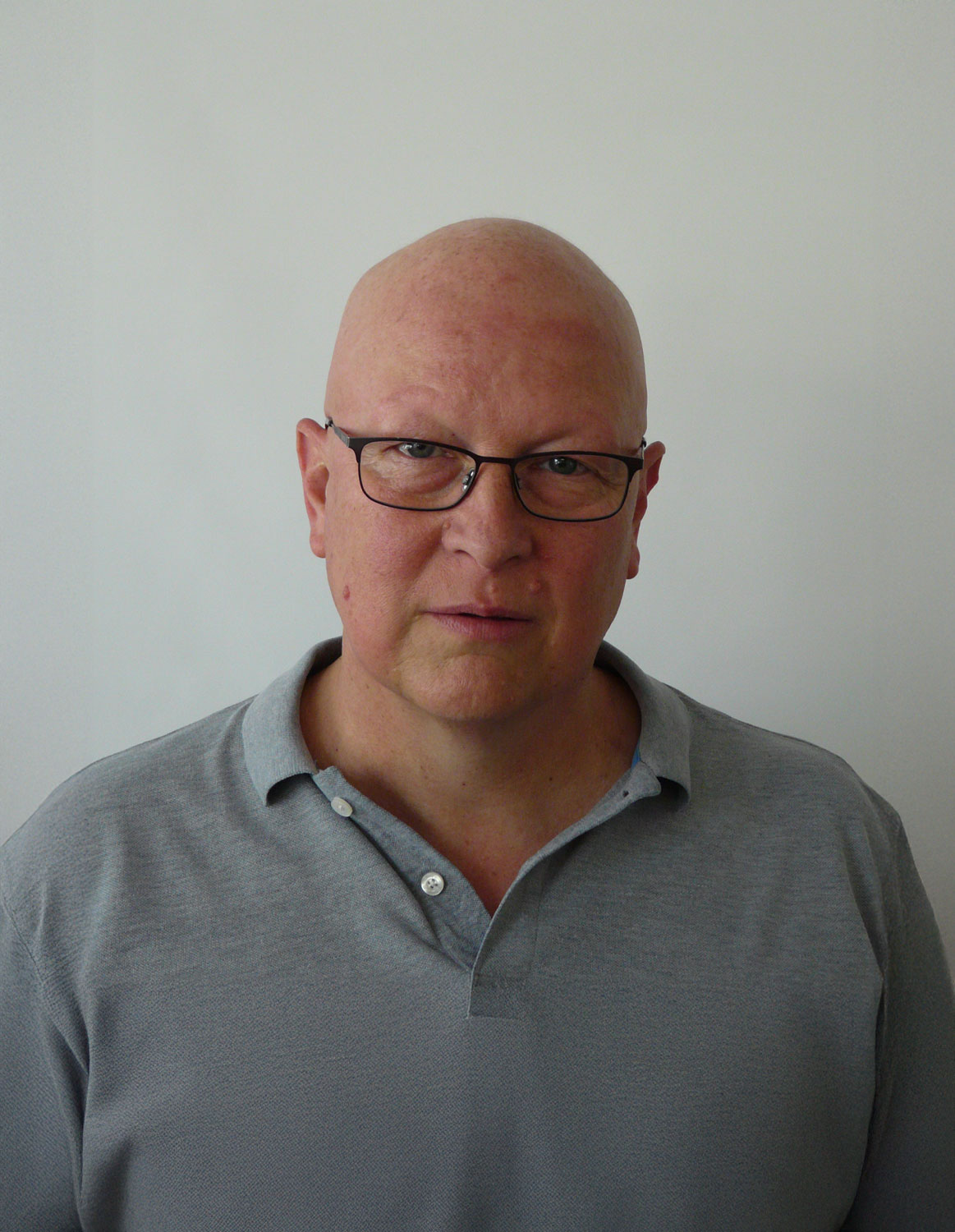
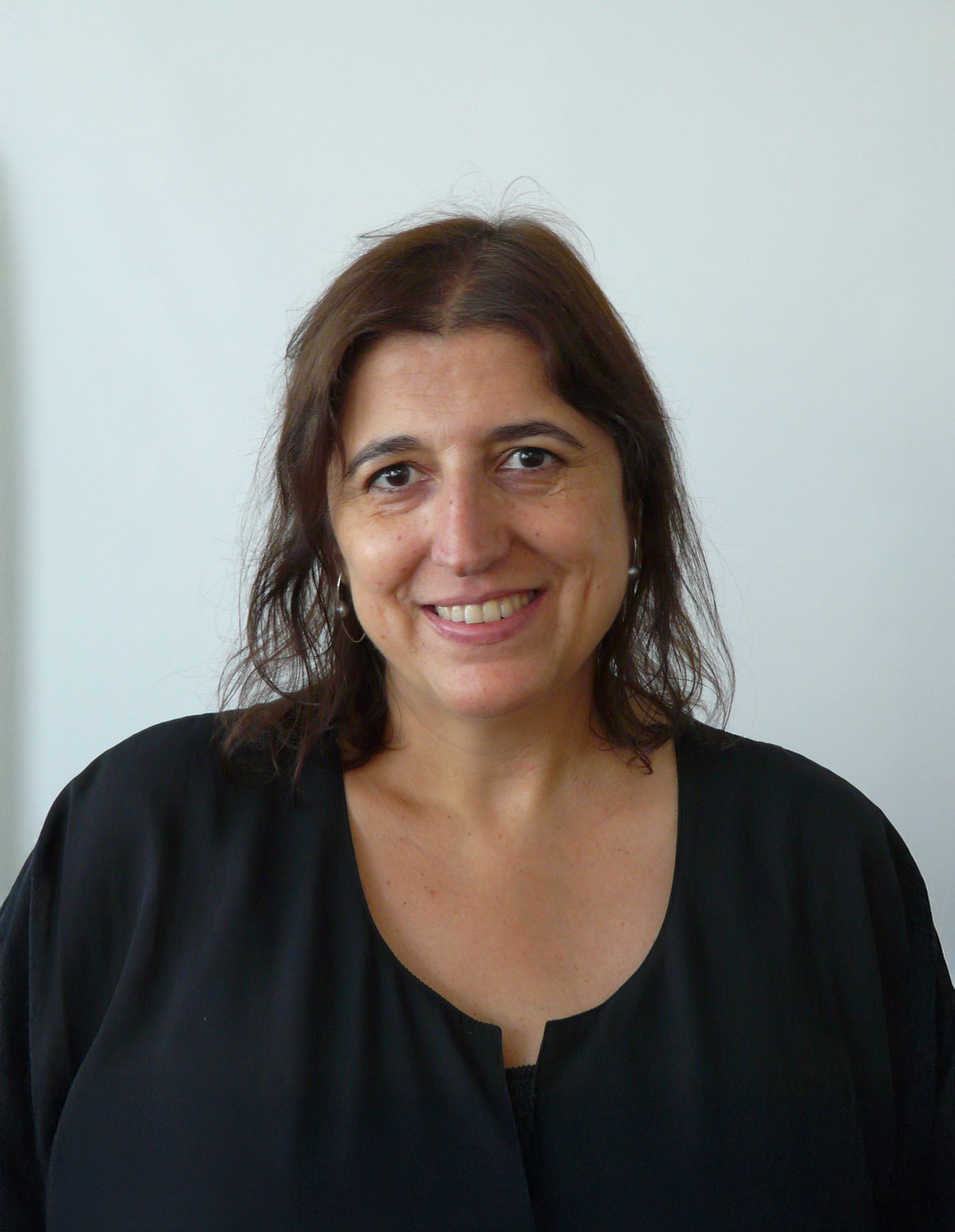
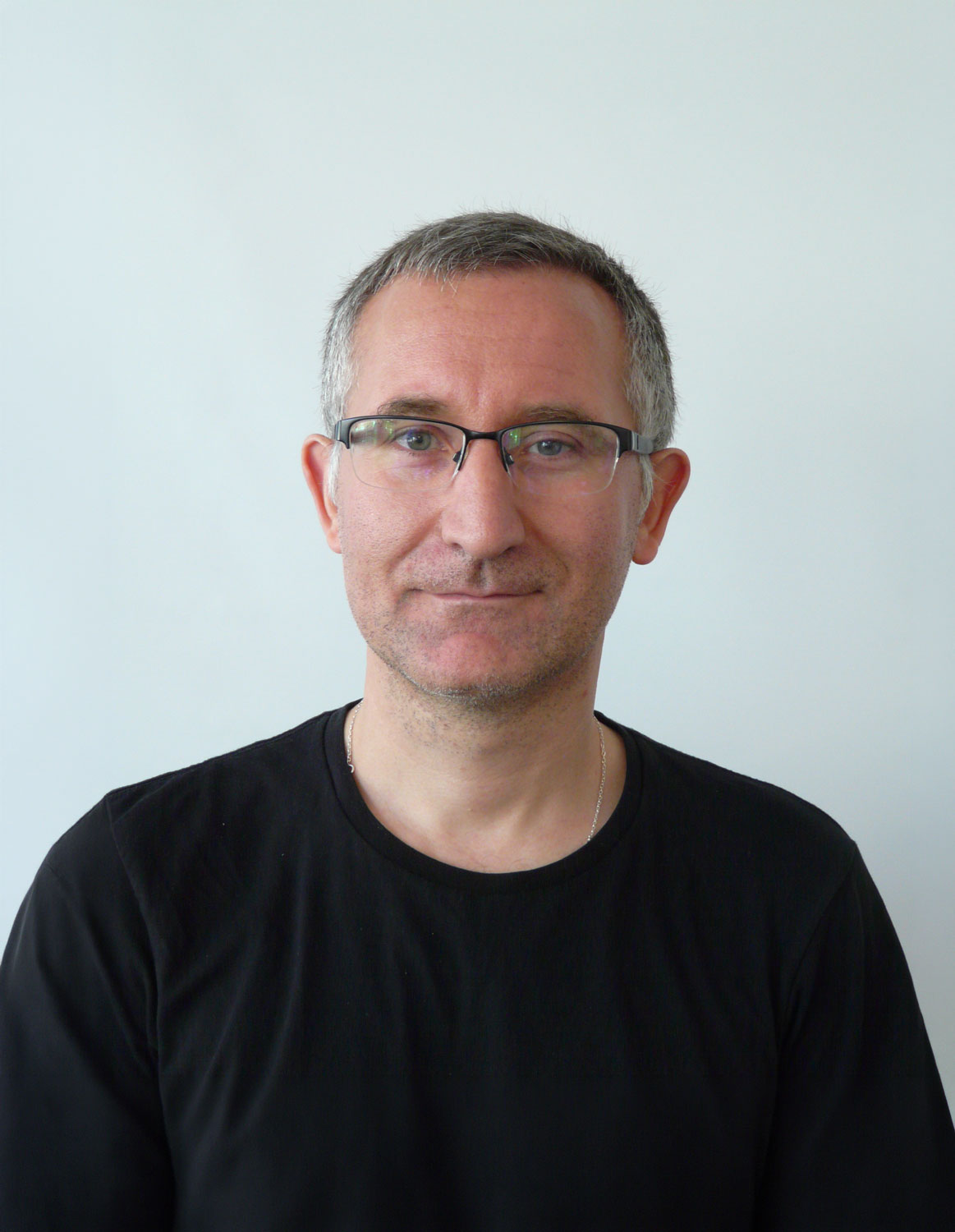
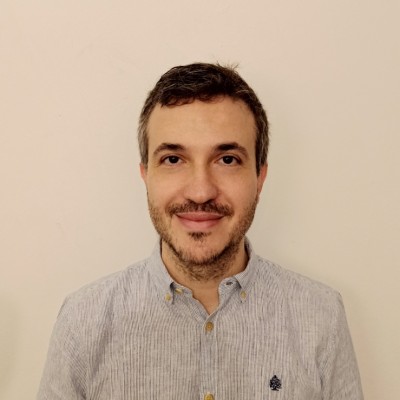
Dr Laia Josa-Culleré is a medicinal chemist and leads the Drug Discovery and Medicinal Chemistry research group at IQAC. She graduated in Chemistry from the University of Barcelona and obtained a research master’s degree with Finian J. Leeper at the University of Cambridge, working on new click reporters for the bioorthogonal labelling of glycans in cancer cells.
In 2016, she obtained her PhD from the University of Oxford, working with Mark G. Moloney on the preparation of natural product derivatives with antibacterial and anticancer properties. She subsequently joined the spin-off company OxStem, working with Angela J. Russell, where she led drug discovery projects to identify new small molecules capable of differentiating acute myeloid leukaemia (AML) cells.
In 2019, she returned to Barcelona thanks to a Marie Curie Individual Fellowship and subsequently a Juan de la Cierva grant. She joined the MCS group led by Amadeu Llebaria at IQAC, where she worked on photopharmacology approaches for oncology.
In 2025, Dr Josa-Culleré received an ERC Starting Grant and a Ramón y Cajal contract, and established the Drug Discovery and Medicinal Chemistry research group at IQAC. The group focuses on the development of innovative drugs for oncology.
Jordi Bujons earned his PhD in Organic Chemistry from the University of Barcelona in 1994. He subsequently moved to the University of British Columbia (Vancouver, Canada), where he completed a three-year postdoctoral stay in the group of Prof. A. G. Mauk, working on the generation and characterization of cytochrome c peroxidase enzyme mutants.
In 1998, he returned to the Institute for Advanced Chemistry of Catalonia, where he established himself as a CSIC Tenured Scientist in 2001, later joining the Biotransformations and Bioactive Compounds group (2006).
His research focuses on the computational design and mechanistic study of enzymes as biocatalysts in organic synthesis, with a particular emphasis on the stereoselective formation of C–X bonds. This work has enabled the rational optimization of the active sites of various enzymes, especially aldolases, with the aim of expanding substrate scope as well as improving catalytic efficiency and stereoselectivity.
Thanks to his expertise in molecular modeling, he has also contributed to a wide variety of projects in biological and medicinal chemistry, including the design of new apoptosis regulators, the study of GABAA receptor modulators, the modeling of supramolecular systems, and the development of PROTAC molecules targeting proteins of interest.
Gemma graduated in Pharmacy from the University of Barcelona in 1999 and completed her PhD at the IIQAB-CSIC in 2004 under the supervision of Prof. G. Fabriàs and A. Llebaria.
She subsequently joined Prof. H. Waldmann’s group at the Max Planck Institute of Molecular Physiology in Dortmund for postdoctoral studies.
After a period as a group leader at the same MPI in Dortmund, she moved to the IQAC-CSIC in 2012 as a tenured scientist and established the Chemical Biology Group.
During the last decade, she has worked on lipids and proteins and the study of their interactions.
Bachelor’s degree in Chemistry in 2000 and PhD in Organic Chemistry in 2006, both degrees obtained at the University of Santiago de Compostela (Spain).
Between 2006 and 2011 I carried out a postdoctoral fellowship at The Scripps Research Institute (San Diego, USA). Upon returning to Spain, I worked at the Biomedical Research Institute between 2012 and 2017 as a Ramón y Cajal researcher.
Since 2018 I have been a research scientist at The Institute for Advanced Chemistry of Catalonia as a member and supervisor of the Chemical Biology group.
My current research interests include chemical synthesis and semisynthesis of proteins, C-terminal peptide/protein alpha-thioesters and selenoesters, and chemical ligation of peptides and proteins.
Francesco Colizzi earned his Bachelor’s degree in Chemistry and Pharmaceutical Technologies from the University of Bologna (UniBo), completing his master’s thesis in molecular modeling at ETH Zurich. He obtained his PhD in Pharmaceutical Sciences from UniBo (2009), with research in computational medicinal chemistry that included work at UCSF on the automation of molecular docking screenings (DockBlaster).
As a postdoctoral researcher at SISSA, he investigated RNA biophysics and developed computational procedures for RNA-based antibacterial drug discovery, supported by independent funding and a collaboration with the Université de Sherbrooke. After a sabbatical stay in Quebec (Canada), he joined IRB Barcelona as a Marie Skłodowska-Curie researcher, where he contributed to interdisciplinary studies in computational chemistry and biophysics, and developed enhanced sampling approaches to accelerate fragment-based drug discovery.
As a Ramón y Cajal researcher at the Institute of Marine Sciences (ICM-CSIC), he founded the Molecular Ocean Lab (https://molecularocean.csic.es/), integrating molecular simulations, artificial intelligence, and marine sciences, with a focus on plastic pollution, drug discovery, and molecular ecology. In 2022, he obtained a permanent position at CSIC and, since 2024, continues his research at IQAC-CSIC.
Francesco enjoys teaching and mentoring students from multiple disciplines, and actively participates in science outreach activities with educational centers, in addition to organizing educational and open science events in Barcelona.
Scodeller earned his degree in Biomedical Engineering from the University of Mendoza, Argentina and his PhD in Chemistry from the University of Buenos Aires in 2011. Following a two-year postdoctoral fellowship in materials science in CNEA (Argentina), he joined the laboratory of Dr. Erkki Ruoslahti (recipient of the 2022 Lasker Award) in La Jolla, USA, in 2013 to complete a two-year postdoctoral fellowship in the field of the tumor microenvironment.
In 2015, he moved to the University of Tartu, Estonia, to conduct postdoctoral research in the laboratory of Dr. Tambet Teesalu, a pioneer in the field of tumor-penetrating peptides.
In 2017, he was awarded a Starting Grant from the Estonian Research Council, and in 2018 was promoted to Associate Professor at the University of Tartu. In 2021 he was awarded a Ramón y Cajal contract and in 2025 he obtained tenure as a CSIC researcher.
His research focuses on identification of new targeting peptides and therapeutic targets in disease, precision drug delivery to solid tumors (breast cancer, glioma, neuroendocrine carcinomas), and new immunotherapies based on tumor macrophage reprogramming.
Using in vivo peptide phage display, Scodeller has co-identified targeting peptides for cancer, brain injuries, and Alzheimer´s disease, which have been used by over 40 independent research groups for targeted drug delivery and have led to 5 patents, 4 of which are licensed to companies. He has obtained 7 research grants (totaling ca. 1M€) as a principal investigator and supervised 3 doctoral thesis and 5 masters thesis.
To provide the best experiences, we use technologies like cookies to store and/or access device information. Consenting to these technologies will allow us to process data such as browsing behavior or unique IDs on this site. Not consenting or withdrawing consent, may adversely affect certain features and functions.
Functional
Always active
The technical storage or access is strictly necessary for the legitimate purpose of enabling the use of a specific service explicitly requested by the subscriber or user, or for the sole purpose of carrying out the transmission of a communication over an electronic communications network.
Preferences
The technical storage or access is necessary for the legitimate purpose of storing preferences that are not requested by the subscriber or user.
Statistics
Storage or technical access that is used exclusively for statistical purposes.The technical storage or access that is used exclusively for anonymous statistical purposes. Without a subpoena, voluntary compliance on the part of your Internet Service Provider, or additional records from a third party, information stored or retrieved for this purpose alone cannot usually be used to identify you.
Marketing
The technical storage or access is required to create user profiles to send advertising, or to track the user on a website or across several websites for similar marketing purposes.