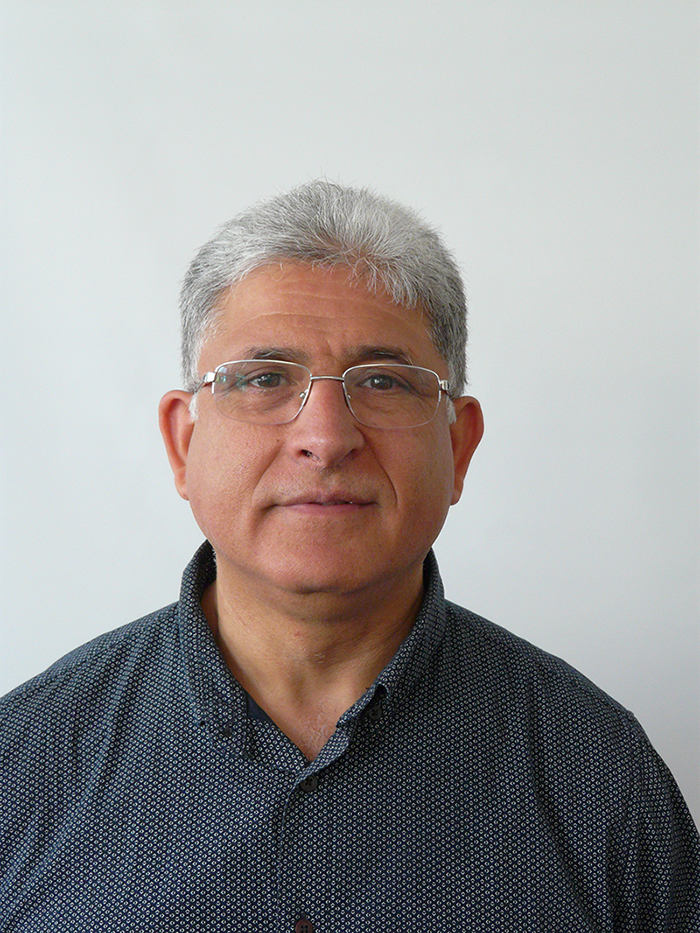
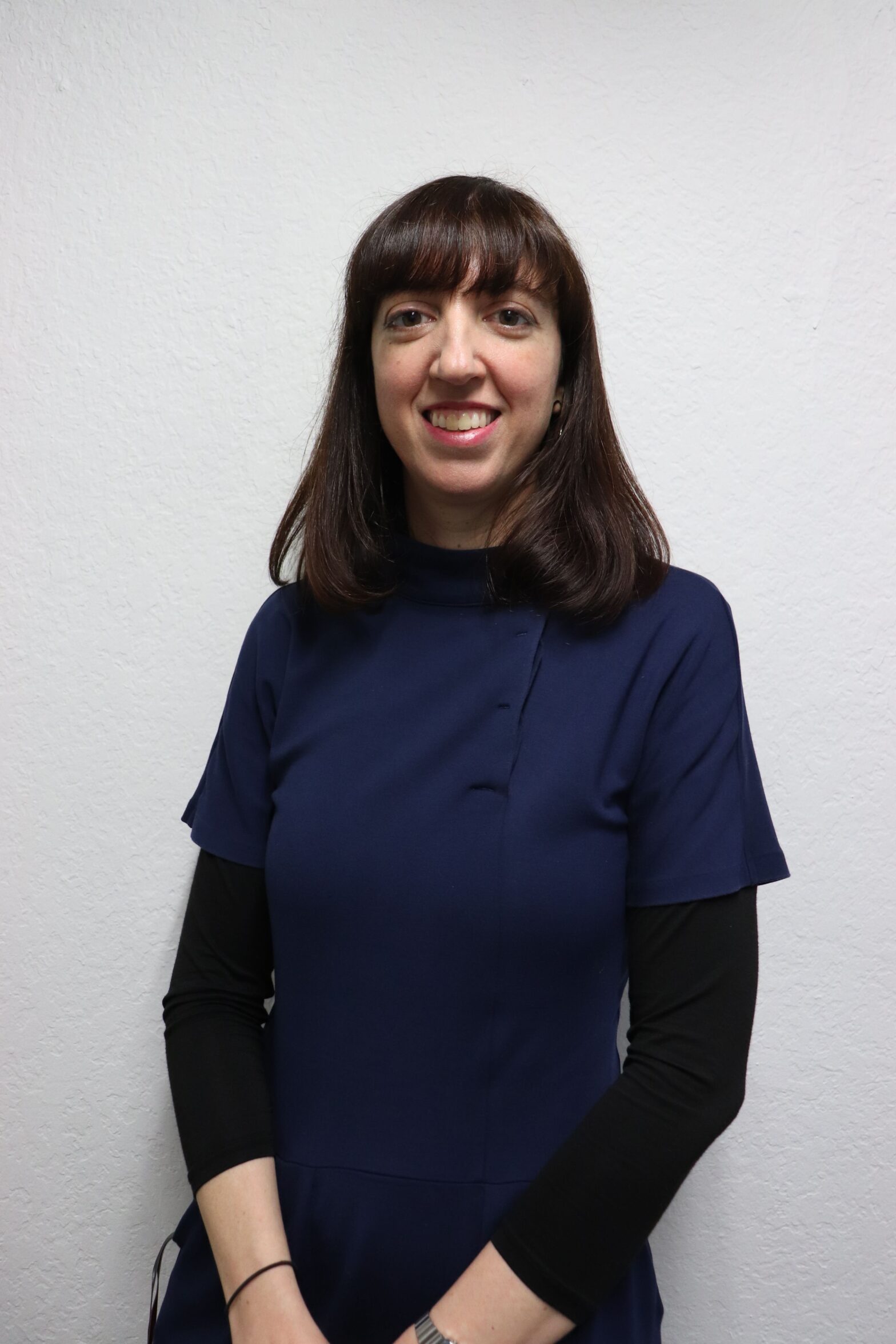
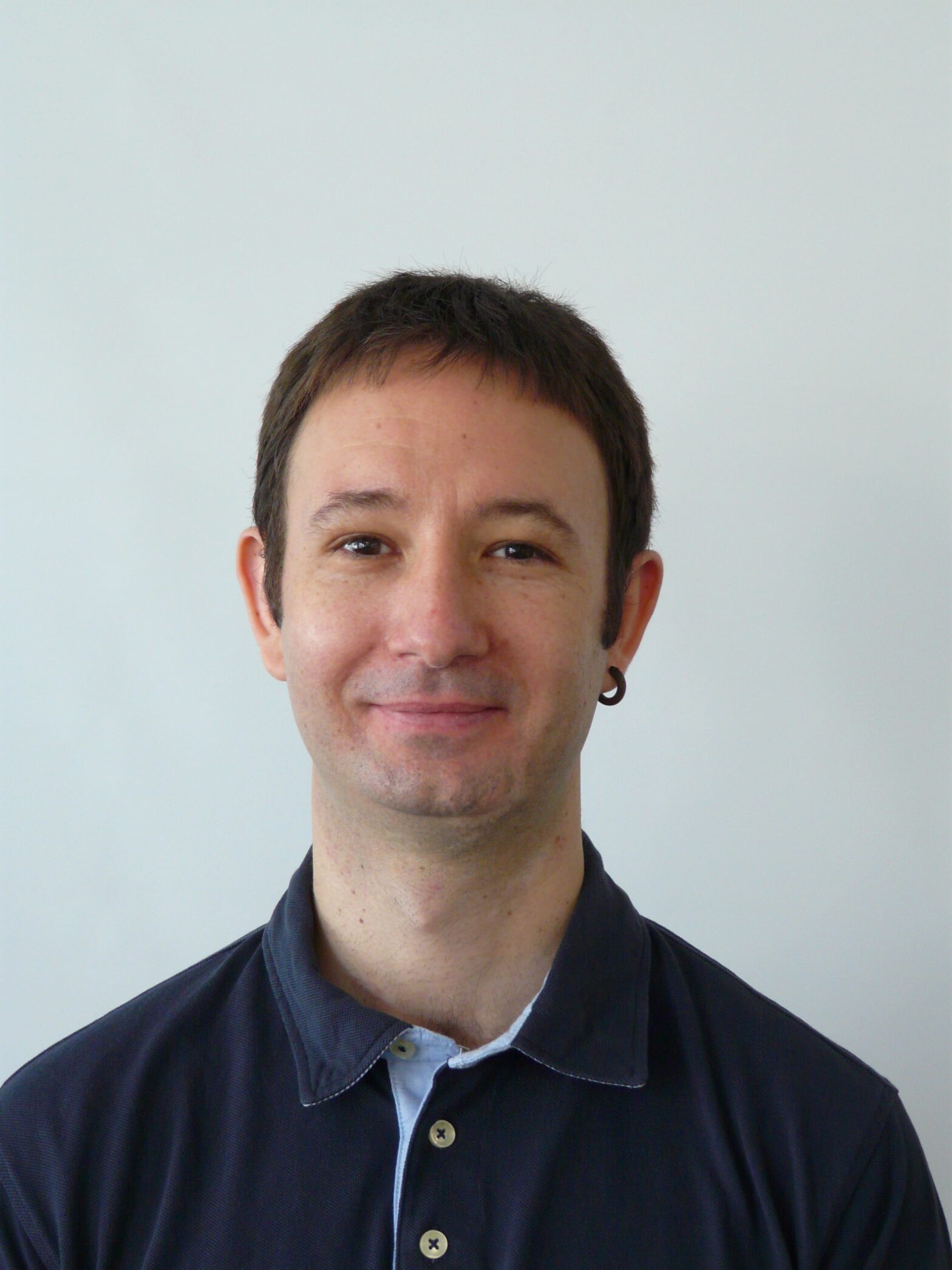
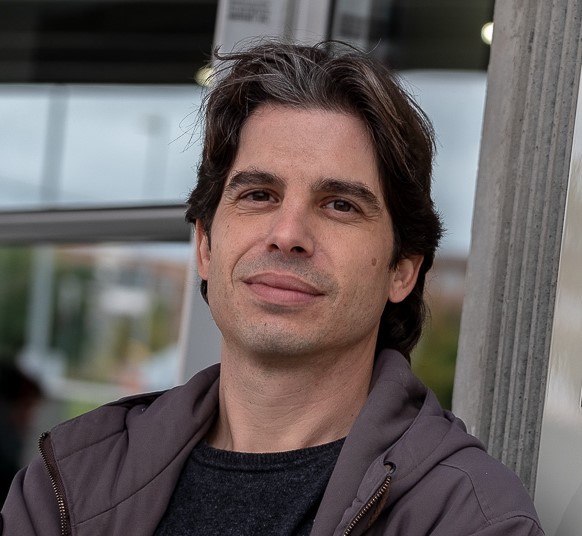
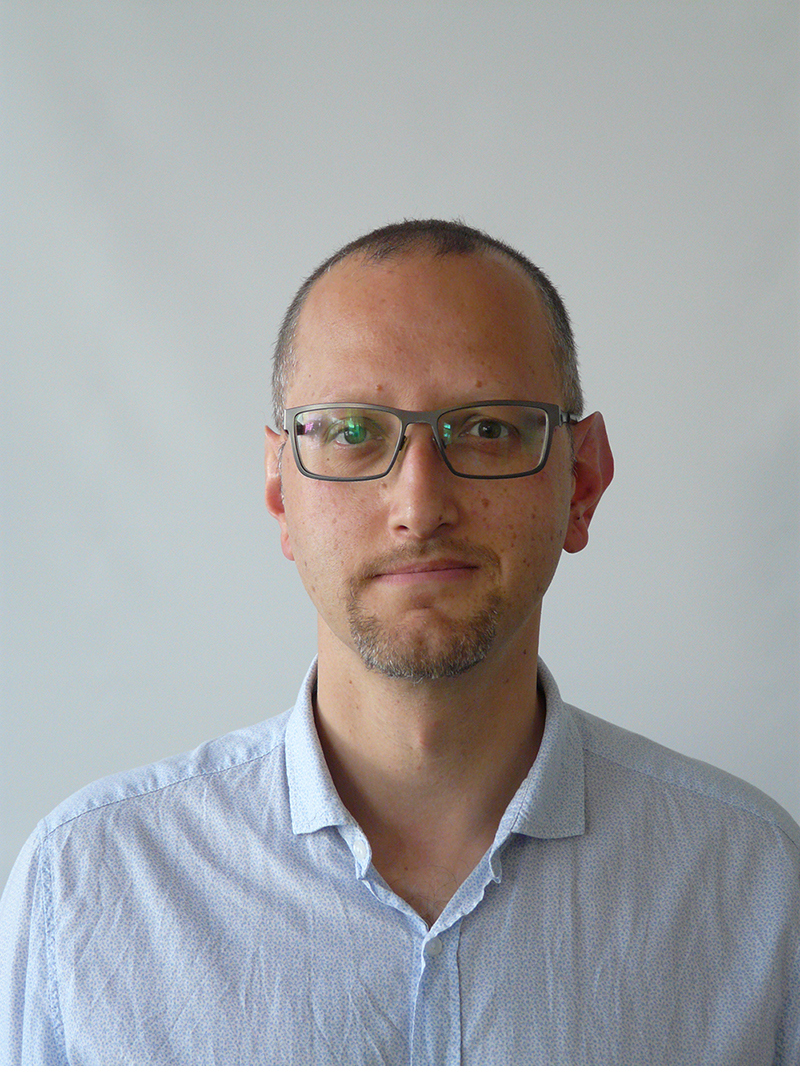
My initial research (1990–95) focused on key enzymes in steroidogenesis, such as squalene oxidase and squalene oxide cyclase. Efficient inhibitors of both enzymes were therefore designed and developed, and the stereochemical factors involved in their enzymatic activity were studied. My postdoctoral stay was carried out at Rutgers University in New Jersey (USA, 1995–98) and focused on the preparation of locally labelled purine nucleosides, specifically with 15N and 13C, for their introduction into nucleotide fragments and subsequent structural study by NMR.
My return to the Spanish research system and the subsequent Ramón y Cajal contract (1998–2008) focused on the field of insect sex pheromone biosynthesis, with several specific objectives: (1) the design and synthesis of fatty acid desaturase inhibitors and (2) the synthesis of isotopically labelled probes with deuterium to study the stereochemistry and cryptoregochemistry of fatty acid desaturases. During the 2008–22 period, my research has focused on developing chemical tools to advance knowledge of sphingolipid metabolism and on discovering modulators of the different enzymes involved, both as pharmacological tools and as “hits” of therapeutic or diagnostic interest.
In recent years, I have been involved in a new line of research aimed at developing new strategies to direct protein degradation, stabilisation, and the manipulation of their intracellular localisation through specifically designed chemical entities.
Eloy Ramos Cordoba obtained his PhD from the University of Girona in 2014. His doctoral research focused on the development of new chemical bonding tools and software to address complex chemical problems. After completing his PhD, he conducted postdoctoral research at the Donostia International Physics Center (DIPC), specializing in electronic correlation and molecular properties. Subsequently, he was awarded a Marie Skłodowska-Curie fellowship, which allowed him to continue his postdoctoral research at the University of California, Berkeley, where he developed advanced computational methods to characterize charge-transfer excited states.
Upon his return to Spain, he joined the University of the Basque Country (UPV/EHU) as a Juan de la Cierva researcher and later as an Ikerbasque researcher, continuing his research in electronic structure theory and chemical bonding. Currently, he is a tenured scientist at IQAC-CSIC, where he leads projects systematically investigating the limitations and failure points of quantum electronic structure methods, including both wave function-based methods and density functional theory approximations. He also develops new interpretive tools for chemical bonding to connect quantum mechanical calculations with traditional chemical concepts.
Dr. Pujals is a Tenured Researcher at the Institute for Advanced Chemistry of Catalonia (IQAC-CSIC). She obtained her PhD in Organic Chemistry from the University of Barcelona (UB) in the field of cell-penetrating peptides. Following her doctorate, she moved to Kyoto University for a postdoctoral fellowship, where she focused on biophysics and electron microscopy. With expertise in drug delivery, peptide synthesis, and both optical and electron microscopy, Silvia’s scientific career has been dedicated to drug delivery systems and their study through various advanced microscopy techniques.
Her background in chemistry is essential for designing and synthesizing more efficient and selective drug delivery systems, and her training in microscopy is crucial for characterizing and evaluating them using both super-resolution microscopy and electron microscopy, as well as the combination of both (correlative approach).
Ramon Guixà-González is a tenured scientist at the Spanish National Research Council (CSIC) in Barcelona and a specialist in computational biochemistry. His research integrates multiscale molecular dynamics simulations, both classical and enhanced sampling, to investigate the complex interactions between lipids and membrane proteins. One of his main goals is to understand how lipid environments modulate the structure and function of membrane-embedded signalling proteins, especially G protein-coupled receptors (GPCRs).
He obtained his PhD in Biomedicine in 2015 at Pompeu Fabra University (Barcelona), with research stays in the groups of Prof. Marta Filizola (Mount Sinai Hospital, NY, USA) and Prof. Ilpo Vattulainen (Finland). He carried out postdoctoral research at Charité – Universitätsmedizin (Berlin) and was a senior postdoctoral researcher at the Paul Scherrer Institute (PSI) and the Swiss Institute of Bioinformatics (SIB). His work has used molecular dynamics simulations to: (a) elucidate the molecular mechanisms of GPCR activation, (b) study how membranes regulate receptor function, and (c) develop computational tools to support interdisciplinary research.
He has made significant contributions to GPCR and membrane biophysics research. He currently explores how polyunsaturated fatty acids shape the properties and signalling of neuronal membranes, with implications for neuroscience, pharmacology and membrane biophysics.
I am a computational chemist with research interests in quantum chemistry, artificial intelligence, and software development. I obtained my PhD in 2014 from the Department of Physical Chemistry at the University of Barcelona (UB), under the supervision of Prof. Juan J. Novoa and Dr. Mercè Deumal. After that, I moved to Strasbourg, where I spent three and a half years at the Laboratoire de Chimie Quantique. Subsequently, I obtained a Marie Skłodowska-Curie fellowship to join the Laboratory of Computational Molecular Design (LCMD) at EPFL in Lausanne, where I worked for four years.
I obtained my PhD in Chemistry from the University of Barcelona in 2001 under the supervision of Prof. Miquel A. Pericàs, working on asymmetric catalysis. Subsequently, I conducted postdoctoral studies at the University of Pennsylvania (Philadelphia, USA) with Prof. Patrick J. Walsh between 2001 and 2002, also working on asymmetric catalysis and synthesis. After returning to Spain, I joined Prof. Pericàs’s group as an associate researcher at the Institute of Chemical Research of Catalonia (ICIQ-Tarragona) between 2003 and 2010. There, I became co-director of 4 doctoral theses while developing research on reaction mechanisms of organometallic catalysts, as well as polymer-supported organocatalytic species and catalytic nanomaterials.
In 2008, I took a one-year leave of absence to complete a second postdoctoral stage at the Universität Bern (Bern, Switzerland), working on radical chain reactions for the synthesis of organic compounds with Prof. Philippe Renaud. My goal was to learn the possibilities of radical chemistry for asymmetric catalysis. Finally, in 2011, I joined The Institute for Advanced Chemistry of Catalonia (IQAC-CSIC) in Barcelona as a Ramón y Cajal researcher. Since 2017, I have been a Tenured Scientist at the same institution (Supramolecular Chemistry Group). At IQAC, I have supervised several doctoral theses and numerous Master’s and Bachelor’s final projects. Furthermore, I have been the principal investigator of two competitive projects funded by Mineco and co-principal investigator of several projects.
At IQAC, my research objectives have focused on the study of organocatalysts based on hydrogen bonding and self-assembly, with the aim of developing more efficient and sustainable processes and, more recently, on asymmetric metal-templated supramolecular cages with specific chiroptical properties.
Jordi Solà obtained his PhD in Chemistry from the University of Barcelona in 2006, working on the Pauson-Khand reaction. After completing his doctorate, he moved to the United Kingdom, where he conducted postdoctoral studies. He first joined Prof. J. Clayden’s group (University of Manchester), where he studied methods for conformational control and chirality transfer using helical peptides as information transmitters. He later moved to Edinburgh with Prof. D. A. Leigh (University of Edinburgh) to work on the synthesis and operation of molecular motors and nanodevices.
In 2012, he received a Ramón y Cajal fellowship and joined the Institute for Advanced Chemistry of Catalonia as an independent researcher. Since 2017, he has been a Tenured Scientist at the same institute, which belongs to the CSIC. His research interests lie in the broad field of supramolecular chemistry, focusing on the interface with biological chemistry.
He currently focuses on the preparation of molecular cages for the recognition of biologically relevant molecules in aqueous systems with the aim of modulating biological processes. Other research interests include dynamic chemical systems and supramolecular catalysis.
Xavier Rovira Algans obtained his PhD at the Institute of Neurosciences of the Autonomous University of Barcelona (UAB). He received several competitive grants that enabled him to undertake two predoctoral stays at Cornell University (New York) and at Université Paris Descartes (Paris), as well as a postdoctoral stay of around 5 years at the Institut de Génomique Fonctionnelle (Montpellier). These experiences allowed him to specialise in mathematical and molecular modelling of biological systems, cellular and molecular biology, bioinformatics and molecular pharmacology.
In February 2020, he joined the Medicinal Chemistry and Synthesis (MCS) laboratory at The Institute for Advanced Chemistry of Catalonia (IQAC-CSIC), where he obtained a Ramón y Cajal grant. In 2022, he passed a competitive examination to become a permanent researcher at the Spanish National Research Council (CSIC). His main research interest has been the activation dynamics of G protein-coupled receptors (GPCRs).
It is important to highlight that during these years he has established a network of collaborators that has played an essential role in the development of the emerging field known as photopharmacology. This emerging area of research is based on the development and use of light-controlled drugs to regulate proteins with high temporal and spatial precision in their native environment.
Xavier Gómez-Santacana is a chemist who has always been interested in applying chemistry to the fields of biology and pharmaceutical sciences. After graduating, he joined the pharmaceutical industry (Almirall and Esteve Química), but later decided to return to academia. He completed a PhD in Organic and Medicinal Chemistry (UB, 2012–2016) under the supervision of Amadeu Llebaria (IQAC-CSIC) and Pau Gorostiza (IBEC). After defending his doctoral thesis (with distinction cum laude), he joined Vrije Universiteit Amsterdam (The Netherlands) to lead a GPCR photopharmacology line (2016–2018).
After his first postdoctoral period, he joined the Institut de Génomique Fonctionnelle (IGF-CNRS) to lead a project on protein labelling and, finally, returned to Barcelona in 2021 to rejoin the MCS group after receiving a Tecniospring Industry – Marie Skłodowska-Curie postdoctoral fellowship.
Since then, he has been a senior postdoctoral researcher in the MCS group, leading a research line on protein labelling and several projects in photopharmacology. In 2026, he will be promoted to Tenured Scientist at IQAC.
Dr. Alexandr Shafir is a Tenured Scientist at the Institute for Advanced Chemistry of Catalonia (IQAC-CSIC), where he co-leads the BISi Bonds laboratory. He earned his PhD in Chemistry from the University of California, Berkeley, and conducted postdoctoral research at the Massachusetts Institute of Technology under the supervision of Prof. Stephen Buchwald. Before joining CSIC, he held positions as a Ramón y Cajal researcher at the Autonomous University of Barcelona and as a group leader at the Institute of Chemical Research of Catalonia (ICIQ).
His research focuses on synthetic methodology, C–H functionalization, hypervalent iodine chemistry, and boron–nitrogen (BN) isosterism in π-conjugated and functional molecular systems, as well as broader aspects of main group element reactivity. His group has developed iodane-guided strategies for selective bond formation and has contributed to elucidating the mechanisms underlying iodine(III)-mediated transformations.
Dr. Shafir has led various national and collaborative projects, including academia-industry collaborations in sustainable chemistry and circular materials. He has supervised multiple doctoral theses and regularly participates in scientific evaluation activities at both national and European levels. He is currently the Vice President of the Catalan Section of the Spanish Royal Society of Chemistry (RSEQ), aiming to contribute to a more connected and collaborative scientific community.
Manage Cookie Consent
To provide the best experiences, we use technologies like cookies to store and/or access device information. Consenting to these technologies will allow us to process data such as browsing behavior or unique IDs on this site. Not consenting or withdrawing consent, may adversely affect certain features and functions.
Functional
Always active
The technical storage or access is strictly necessary for the legitimate purpose of enabling the use of a specific service explicitly requested by the subscriber or user, or for the sole purpose of carrying out the transmission of a communication over an electronic communications network.
Preferences
The technical storage or access is necessary for the legitimate purpose of storing preferences that are not requested by the subscriber or user.
Statistics
Storage or technical access that is used exclusively for statistical purposes.The technical storage or access that is used exclusively for anonymous statistical purposes. Without a subpoena, voluntary compliance on the part of your Internet Service Provider, or additional records from a third party, information stored or retrieved for this purpose alone cannot usually be used to identify you.
Marketing
The technical storage or access is required to create user profiles to send advertising, or to track the user on a website or across several websites for similar marketing purposes.