Stanford LEAD leaders and executives visit IQAC and IDAEA to explore cutting-edge health and environmental technologies

The Institute of Advanced Chemistry of Catalonia (IQAC-CSIC) and the Institute of Environmental Assessment and Water Research (IDAEA-CSIC) welcomed an international delegation from the Stanford LEAD programme, run by Stanford University Graduate School of Business, on Friday 9 October.

The visit took place as part of the Stanford LEAD Innovation Tour in Barcelona, held from 7 to 9 October. This annual initiative, organised by the Stanford LEAD community, aims to explore innovation ecosystems across Barcelona and Catalonia, connect with entrepreneurs and ecosystem leaders, identify new opportunities for collaboration and build international networks.

IDAEA and IQAC hosted the Science and Health Technologies track, bringing together 29 international professionals to strengthen links with the CSIC scientific and innovation ecosystem. Attendees included specialists in innovation, commercial strategy and business development from multinational technology, financial and industrial companies such as Google, Boeing, Salesforce, Stellantis, ING, SAP and NetApp.

Technology transfer and connections with the market

Following the official welcome by Olga López, Director of IQAC-CSIC, and Alejandro Vázquez, representing Stanford LEAD, participants had the opportunity to discover some of the CSIC-developed technologies with the greatest potential for transfer to industry and society.
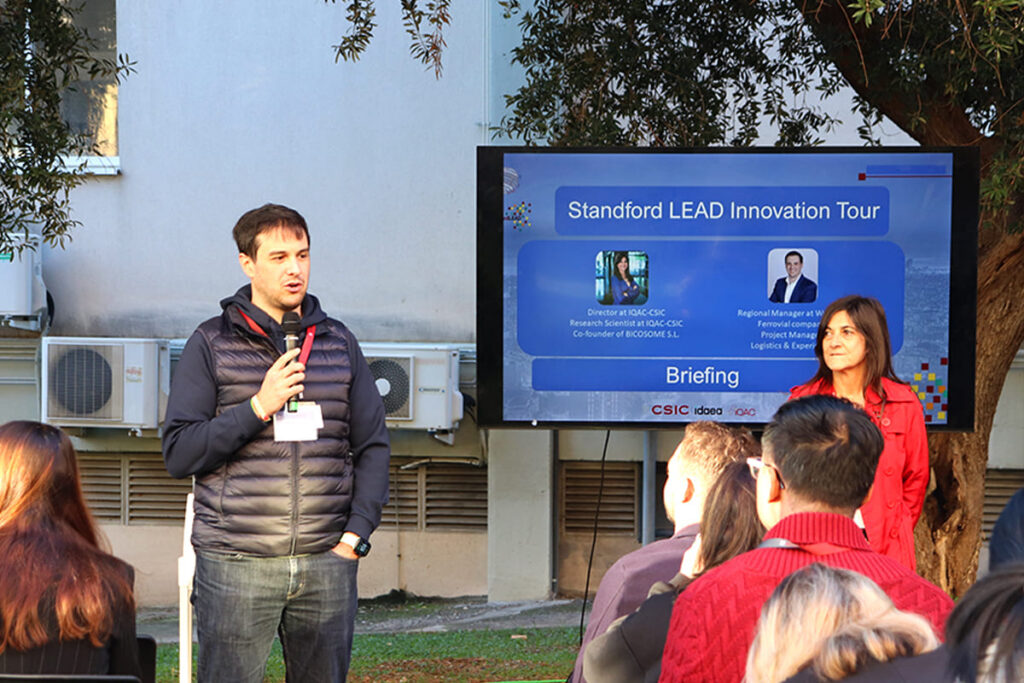
Through a series of short research pitches and laboratory tours, IQAC entrepreneurs presented advanced healthcare solutions, ranging from rapid diagnostics for bacterial infections (Carla Ferrero) and photopharmaceuticals for the treatment of glaucoma (Anna Llebaria) to immune-system-based therapies against cancer (María Edwards). Meanwhile, IDAEA entrepreneurs showcased behavioural analysis in aquatic models for drug discovery (Sergi Pujol), environmental technologies for monitoring pharmaceuticals and other organic contaminants in water (Evgeny Bulatov), and technologies for removing these pollutants (Sílvia Lacorte).

The garden provided an excellent setting for networking among entrepreneurs, researchers and invited professionals, creating opportunities to build new connections and explore future collaborations.

The morning continued with a session led by Hannah Tribe and Gabriela Irrazábal, researchers at RMIT University, on how co-creation in clinical trials can help innovators develop healthcare solutions that people genuinely trust, accept and use.

From the laboratory to clinical practice: the need for a Proof of System

The event concluded with a round-table discussion entitled “Proof of System: How Barcelona Moves Healthcare Innovation From Pilot to Practice”, moderated by Andreea Rasoga (NXP Semiconductors).

The panel featured Laura M. Lechuga (ICN2-CSIC; research), Joan Adan (InBrain Neuroelectronics; technology pioneer), Eva Manrique (Barcelona Health Hub; scaling up) and César Velasco (AstraZeneca; industry). They discussed why many healthcare innovations struggle to progress beyond the pilot stage.
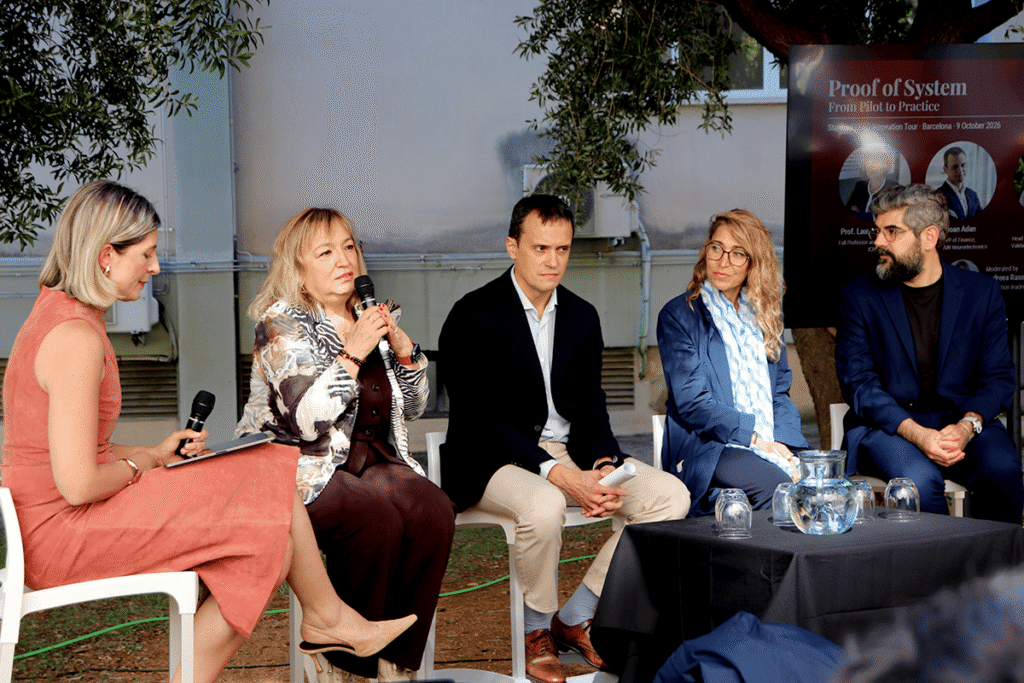
The panel’s main conclusion was that, in healthcare, a proof of concept is not enough without a corresponding proof of system. In other words, it is essential to demonstrate that a technology is viable in a real hospital environment, fits within its budget and can be integrated into clinical workflows while complying with strict European regulations.

The speakers agreed that the main obstacles are rarely technological. Instead, they tend to lie in implementation, production scalability and the relative lack of private venture capital in Europe compared with the United States. Nevertheless, the discussion ended on an optimistic note about Barcelona, highlighting its strong collaborative ecosystem connecting researchers and healthcare professionals, its position as a hub for AI and digital health, and its extensive track record in European Research Council (ERC) grants. “With open innovation calls, Barcelona is well positioned to close the gap with the US and China, thanks to its network of start-ups and corporate centres that can accelerate the introduction of new technologies into clinical trials”, the panellists concluded.
HARMONY project launches a pioneering integrated approach for the sustainable management of emerging agricultural pests

The HARMONY project (Holistic AppRoach for Managing emerging OrgaNisms through sYnergy of biocontrol agents, biopesticides, and semiochemicals; Project CPP2024-011362, funded by MICIU/AEI/10.13039/501100011033/FEDER, EU) has officially launched its activities. This multidisciplinary collaboration, led by the Almeria-based biotechnology company AGROBÍO S.L., with the participation of the Chemical Ecology of Pest Insects research group at the Institute for Advanced Chemistry of Catalonia (IQAC-CSIC), aims to revolutionise Integrated Pest Management strategies by combining biological control agents (BCAs), next-generation biopesticides and innovative semiochemicals.

The project has received a favourable funding decision under the 2024 Public-Private Collaboration Projects call of the Spanish State Research Agency (Agencia Estatal de Investigación, Ministry of Science, Innovation and Universities). The initiative aims to provide sustainable alternatives to chemical pesticides for invasive pests affecting key crops such as citrus and peppers, directly addressing the urgent threats posed by invasive species of thrips and scale insects, among others.

The Chemical Ecology of Pest Insects research group will be responsible for the identification of semiochemicals and their potential application in integrated pest management.

Key details of the HARMONY project

HARMONY has a total eligible budget of €1,773,859.74, with a total awarded funding of €1,488,853.70, including a €576,731.32 grant, a €911,107.91 loan and a €157,814.57 repayable ERDF advance. Funding is provided by the Spanish State Research Agency (AEI) of the Ministry of Science, Innovation and Universities and is co-financed by the European Union. The project has a multi-year implementation period running from October 2025 to September 2028 and is currently in its first year of development.

Holistic and integrated

HARMONY is built around three complementary pillars aimed at enhancing the resilience of cropping systems:

  • Enhanced biological control agents: development and genetic improvement of key natural enemies (Orius laevigatus, Macrolophus pygmaeus), optimisation of mass-rearing techniques and introduction of new predatory species. Conservation strategies, such as ecological infrastructures and supplementary diets, will strengthen their sustainability within agroecosystems.
  • Next-generation biopesticides: development of new biopesticides based on microorganisms (fungi and bacteria), microbial metabolites, proteins, RNA interference (RNAi) and plant extracts, overcoming formulation and stability challenges to ensure their compatibility with IPM systems.
  • Innovative semiochemical-based control: design of “Attract-and-Kill” (A&K) platforms using specific pheromones and environmentally safe insecticides to effectively target thrips and scale insects.

The synergy between these biotechnological innovations is expected to reduce pesticide use by 50% and produce fruit and vegetables with lower pesticide residues, while ensuring the long-term economic viability of growers.

A high-level consortium

HARMONY brings together three leading Spanish agri-biotechnology companies and four leading national research institutions: Agrobío S.L., Futureco Bioscience S.A., SEDQ Healthy Crops S.L., the Institute for Advanced Chemistry of Catalonia (IQAC-CSIC), the Technical University of Cartagena, the University of Almería and the University of Barcelona (UB).

IQAC organises the XXVI International Round Table on Nucleosides, Nucleotides and Nucleic Acids

The Nucleic Acids Chemistry research group, led by Dr Carme Fàbrega and Professor Ramon Eritja, has organised the XXVI International Round Table on Nucleosides, Nucleotides and Nucleic Acids (IRT 2026), held in Barcelona from 24 to 28 August 2026. The meeting aimed to bring together researchers working in nucleoside, nucleotide and oligonucleotide chemistry, biological chemistry and biomedicine to discuss cutting-edge science and exchange the latest advances in the field.

The international conference brought together more than 300 participants from around the world, who presented their research on nucleosides with antiviral, anticancer and antibiotic properties, the synthesis and structural studies of non-canonical forms of nucleic acids, and the therapeutic applications of oligonucleotides.

“This event represents a great opportunity to exchange knowledge across synthesis, structural and biological studies of nucleic acids,” explains Carme Fàbrega.

The meeting featured a dynamic scientific programme, with 15 invited speakers, 33 oral presentations and 200 posters.

The first day was dedicated to young researchers, showcasing emerging advances in nucleic acid chemistry and technology. On the second day, the official opening was followed by keynote lectures and the prestigious Montgomery Award Lecture. The third day focused on the structure and dynamics of DNA and RNA, while the penultimate day explored innovative approaches to RNA chemistry and delivery technologies. The meeting concluded on Friday with a focus on advanced nucleic acid platforms, followed by poster awards, flash presentations and the closing ceremony.

“It was a vibrant and inspiring week that showcased the enormous potential of nucleic acid research for the development of therapeutic applications,” concludes Fàbrega.

The next edition will be held in Naples, Italy, in August 2028.

The 2026 edition of Young Researchers’ Day marks a record for participation

The 2026 IQAC Young Researchers’ Day achieved record participation with 115 attendees and 34 presentations, including oral communications, flash presentations, and posters.

The event, sponsored by the Royal Spanish Society of Chemistry, the Catalan Society of Chemistry, EcoGen, and Werfen, aims to provide a platform for predoctoral researchers, master’s students, and undergraduate students to present their work to the entire IQAC staff, thereby showcasing their research and fostering the center’s scientific community.

Among the presentations, research related to cancer, rare diseases, photopharmacology, and nanoscience stood out.

At the end of the day, the awards for the best presentations were presented:

  • Best Oral Presentation: Evelyn Dandaura (Biotransformation and Bioactive Molecules) Synonymous Mutations Impact Protein Localization and Assembly
  • Best Flash Presentation: Alexandra Tsiotsia (Chemical Biology) Chemical Biology Tools for the Study of Neuronal Ceroid Lipofuscinoses
  • Best Poster: Sara Mansour (Supramolecular Chemistry) New Strategies for Optimizing DNA-PAINT Microscopy to Detect Barcoded PLGA-PEG Nanoparticles in Cancer Cells

As a final act, the CID-IQAC-IDAEA Choir gave a short concert to entertain the audience.

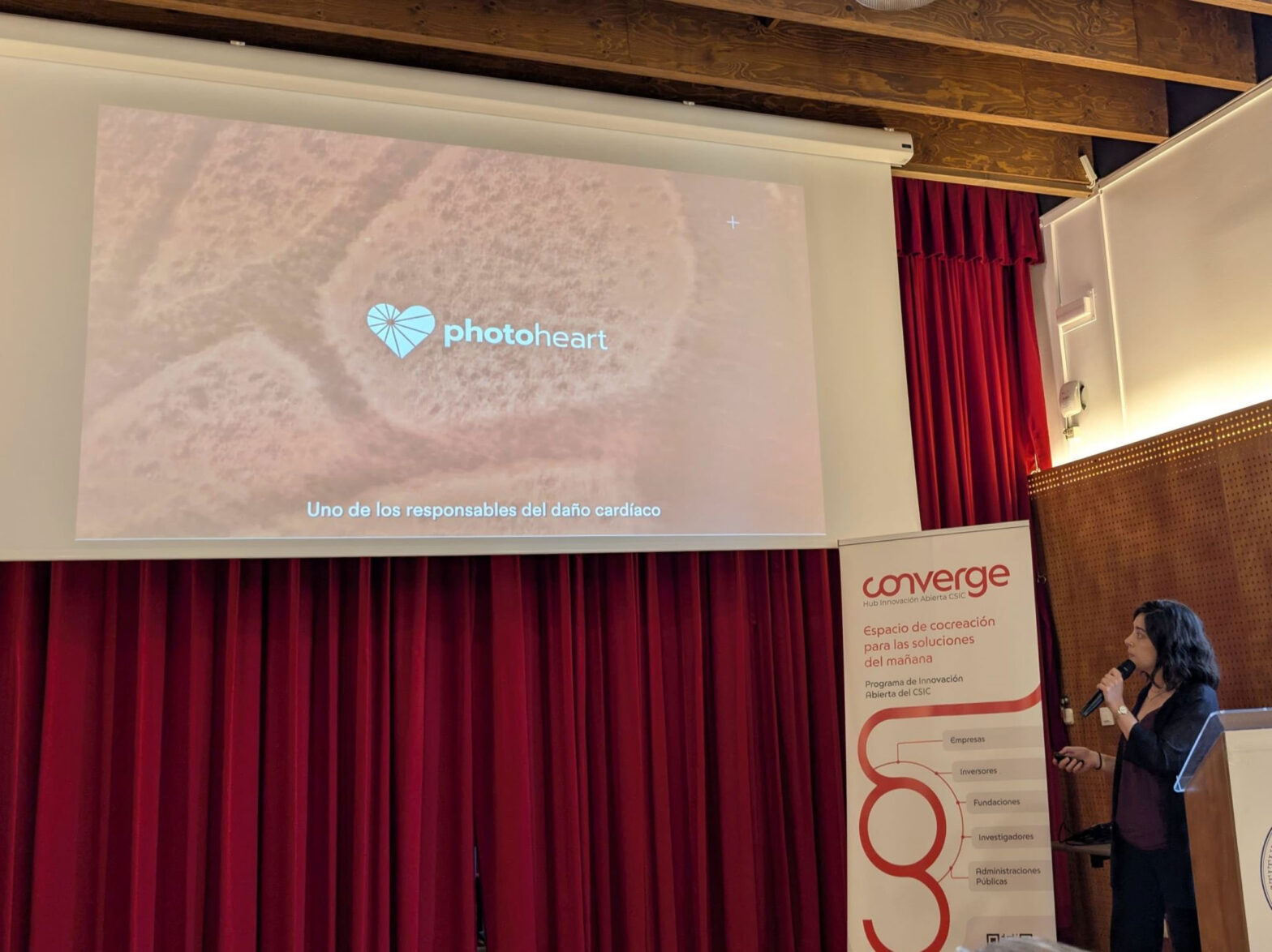
The Photoheart project, awarded in the ACTIVA-T CSIC program

The Photoheart project, led by the Medicinal Chemistry and Synthesis research group, has been awarded a prize in the ACTIVA-T CSIC program, the final of which was held on June 12th in Santiago de Compostela. The prize includes a €20,000 grant.

The initiative, presented by Anna Llebaria, aims to provide early and localized treatment during reperfusion therapy to significantly reduce damage to cardiac tissue. This seeks to improve patient recovery and decrease the risk of future cardiovascular complications.

“This award boosts the development of our technology transfer project, allowing us to carry out activities aimed at strengthening our business model and bringing us one step closer to creating a technology-based company based on our technology,” explains Anna Llebaria.

The ACTIVA-T CSIC program aims to foster entrepreneurship and promote knowledge transfer to the market through the creation of technology-based companies. Among the projects also awarded in this edition are ViVo NEXT (Institute of Chemical Synthesis and Homogeneous Catalysis), MOF Flow Recovery (Institute of Materials Science of Madrid) and HydroBond (Institute of Nanoscience and Materials of Aragon).

An experimental strategy in mice uses light to activate a molecule that eliminates resistant breast cancer tumor cells

A scientific team from the Institute for Advanced Chemistry of Catalonia (IQAC), part of the Spanish National Research Council (CSIC), in collaboration with the Vall d’Hebron Research Institute (VHIR), has developed a new experimental strategy based on the use of light to activate a photoactivatable form of chloroquine. This approach makes it possible to eliminate tumor cells, including the most resistant ones known as cancer stem cells, in breast cancer models. The results have been published in the journal ACS Chemical Biology.

“These stem cells, also called cancer stem cells, constitute a particularly problematic subpopulation because they are able to survive conventional treatments and promote tumor relapse. The goal of this work was precisely to find a way to eliminate them selectively,” explains Laia Josa Culleré, author of the study and researcher at IQAC-CSIC.

To achieve this, the team used a photopharmacology approach, a discipline that allows drugs to be activated by light at a desired place and time. In this study, the researchers chemically modified a known compound, chloroquine (a drug used to treat malaria and autoimmune diseases, and which inhibits autophagy, a cellular process tumors use for their development and survival), so that it remains inactive until activated through illumination.

“We design molecules that have no effect in the absence of light, but that, once stimulated by light, release the active drug and exert their action on tumor cells,” says Sofía Alonso-Manresa, researcher at IQAC-CSIC.

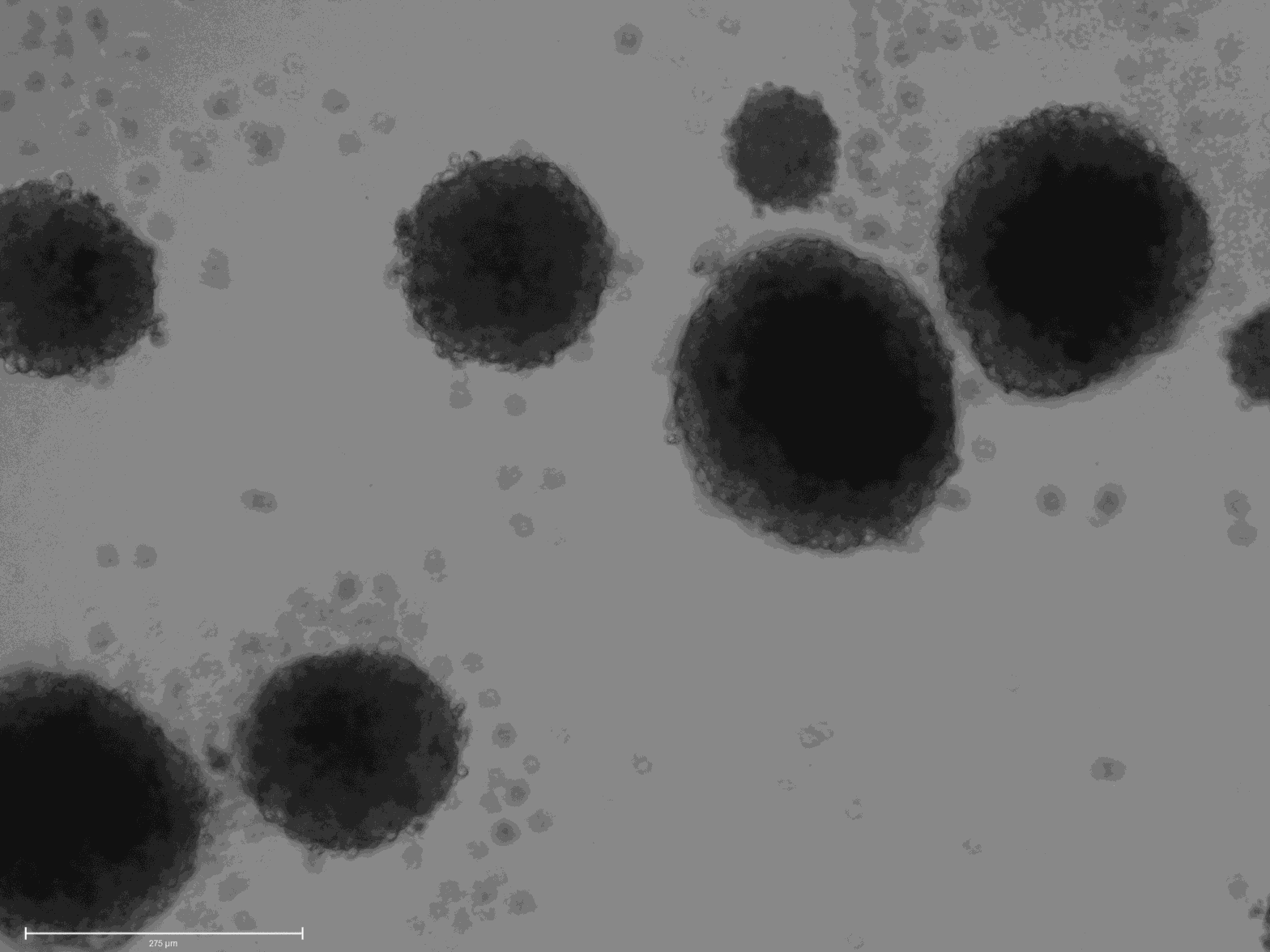
In vitro experiments carried out in colorectal and head and neck cancer cell models demonstrated that, after only a few seconds of illumination, the activated molecule prevents the formation of three-dimensional structures known as tumor spheres, which represent a model enriched in cancer stem cells.

In the absence of light, these structures form normally. In addition, the study shows that the mechanism of action is related to the inhibition of autophagy, a key cellular process for the survival of these resistant cells.

Validation in an animal model

As a proof of concept, the team conducted validation assays in a murine breast cancer model. In these experiments, the molecule was administered directly into the tumor and activated through external illumination using LED-based devices that allow the light to be focused and directed.

The results confirmed that activation of the compound occurs when light is applied inside the tumor, but not in the dark, reinforcing the potential of this strategy to act locally and reduce side effects in healthy tissues.

“Tumor stem cells represent one of the main challenges in oncology because they are able to resist conventional treatments and promote tumor recurrence. This work demonstrates that photopharmacology can become a very promising tool to specifically target this cell population in a localized and controlled manner,” highlights Matilde Lleonart, head of the Head and Neck Cancer: Biomedical Research in Cancer Stem Cells group at VHIR.

Towards more precise therapies

Although the work is still in its early stages, the results open the door to the development of new, more selective cancer therapies. Currently, Josa-Culleré’s team is working on optimizing the molecules so they can be activated with more penetrating wavelengths, such as green or red light, which would facilitate their application in larger and deeper tumors.

“This approach makes it possible to precisely control when and where the drug acts, which could represent a significant advantage over conventional treatments,” says Amadeu Llebaria, head of the Medicinal Chemistry and Synthesis group at IQAC-CSIC, where the research was carried out.

The research was funded by national and European projects focused on the development of new therapeutic strategies against cancer.


Sofía Alonso-Manresa, Carme Serra, Lourdes Muñoz, Marina Bataller, Yoelsis Garcia-Mayea, Matilde Esther Lleonart Pajarin, Belen Garcia Prats, Sandra Mancilla Zamora, Zamira Vanessa Diaz Riascos, Amadeu Llebaria and Laia Josa-Culleré. Photocaged Chloroquine Derivatives for the Light-Dependent Inhibition of Autophagy in Cancer Stem Cells. ACS Chemical Biology (2026). https://pubs.acs.org/doi/10.1021/acschembio.5c00962


IQAC-CSIC Communication