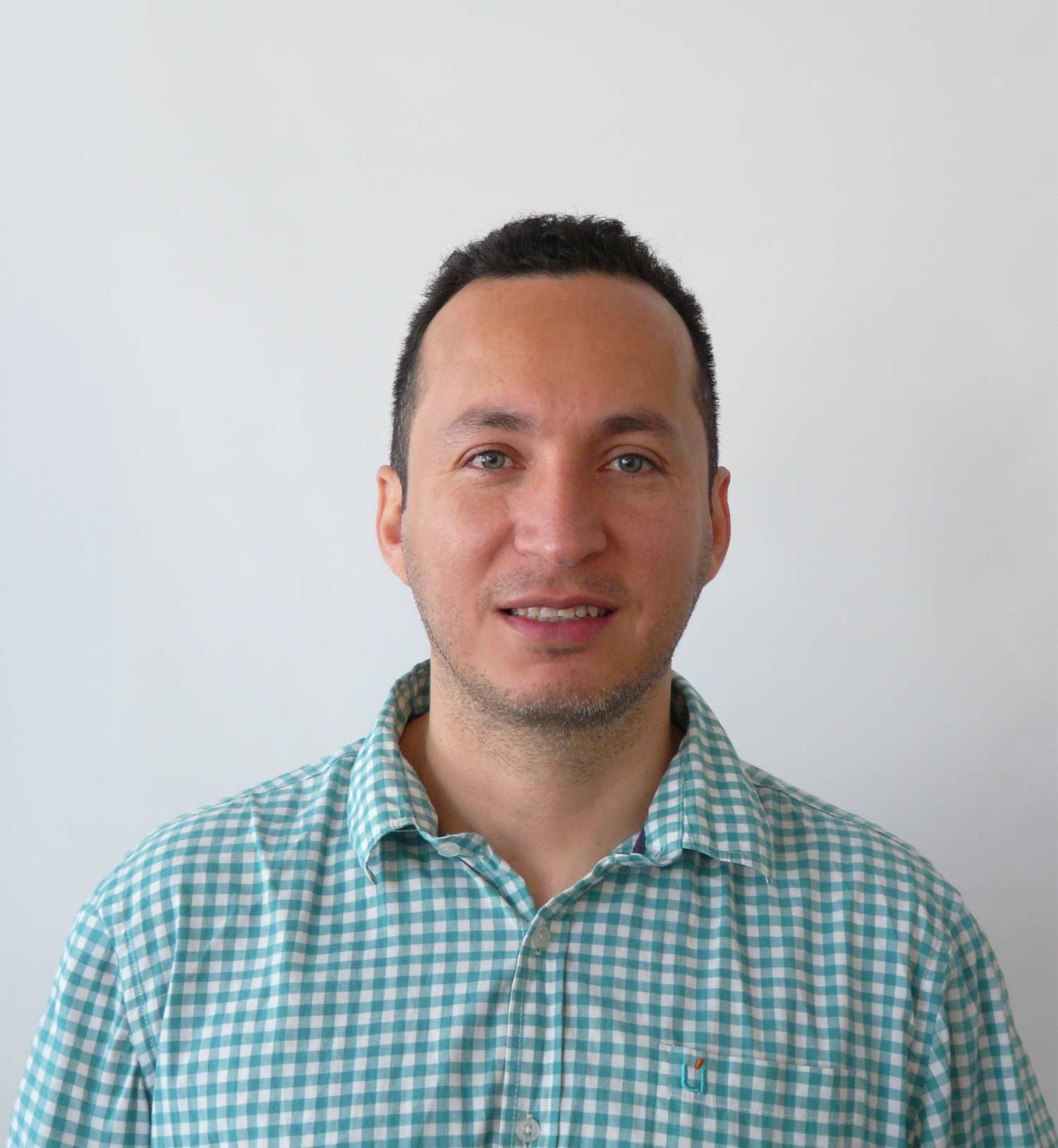
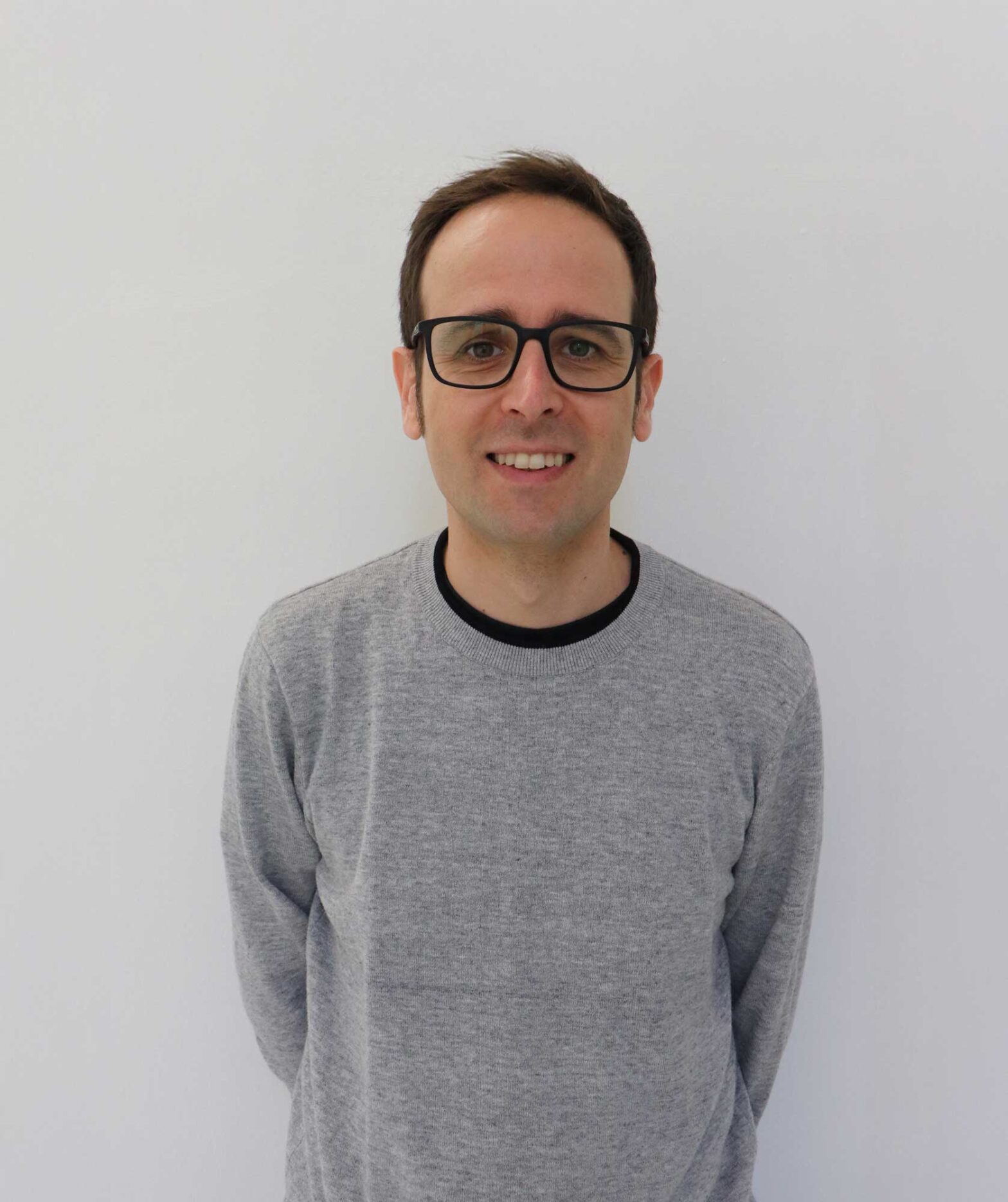
Trained as a chemist, with a degree and a PhD from the University of Barcelona. His research lines focus on biomolecular dynamics and mechanisms, within the field of computational biochemistry and biophysics. He studies intrinsically disordered proteins and their liquid-liquid phase separation, a recently discovered biological phenomenon with implications in transcription, protein aggregation, among others. He focuses on proteins involved in prostate cancer and autism spectrum disorder.
He works on the importance of dynamics in enzymatic catalysis and protein design. He also focuses on DNA replication machinery and insect olfactory receptors, among other systems. His results have shown the importance of conformational movements and the role of selected conformations. In his research he uses computational methods ranging from quantum chemistry to deep learning techniques. He develops methods to integrate simulation results with experimental data. He has a strong commitment to open science.
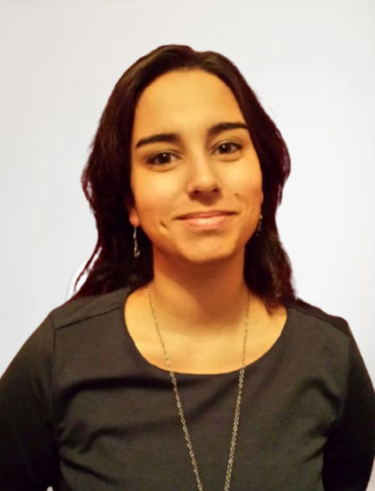
I hold a degree in Biology and work as a technician in the EQIP group. My work mainly involves the breeding and management of different insect species used in research projects, as well as developing laboratory assays related to the chemical ecology of these organisms. I also provide direct support to the group’s scientific activity, contributing to the preparation and execution of the experiments that drive our research lines.
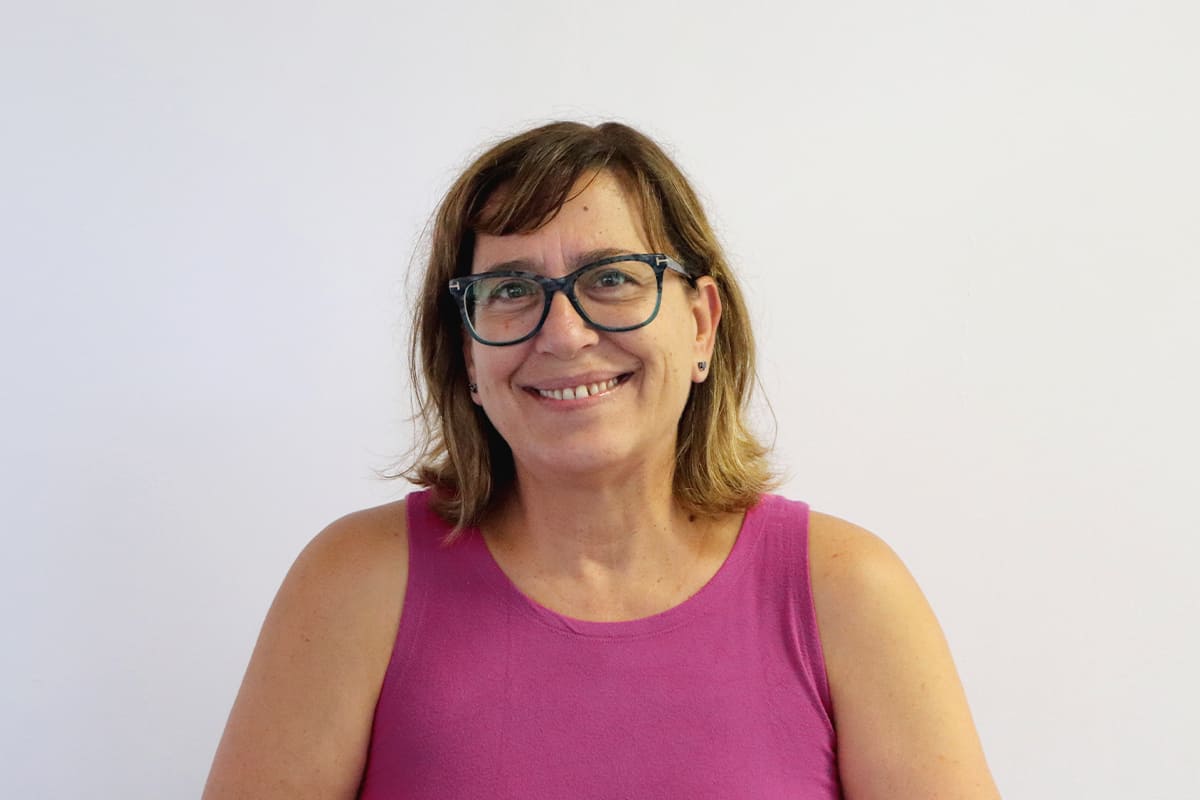
I hold a degree in Biology and a PhD from the University of Barcelona, with specialized training in Pharmaceutical Physical Chemistry.
My scientific career has focused on the design, characterization, and application of lipid-based structures as delivery systems, as well as on their interactions with biologically and therapeutically relevant molecules and with tissues such as the skin. To this end, I have employed a wide range of physicochemical and structural characterization techniques, including microscopy, infrared spectroscopy, and X-ray scattering, as well as synchrotron radiation-based methods.
In parallel with my research activities, I have taught undergraduate and graduate courses in Biophysics and Medical Physics, and I am a co-founder of a technology-based company dedicated to the development of nanostructured lipids for biomedical and cosmetic applications.
In 2025 I joined the Cell Culture and Advanced Microscopy Core as a technical staff member. This platform provides infrastructure and support to users and research projects in the management of cell cultures and in advanced fluorescence microscopy techniques, such as Structured Illumination Microscopy (SIM) and Single-Molecule Localization Microscopy (SMLM).
My academic background includes a degree in Biochemistry and a Master’s degree in Forensic Genetics, Physics, and Chemistry. Additionally, I enjoy language learning, having achieved a C1 level in English and B2 in German, besides being a native speaker of Catalan and Spanish.
All my experiences have contributed significantly to both my personal and professional development. I have worked in customer service, as well as in various biology laboratories, performing clinical analysis and genetic research in Spain (University of Barcelona, Ampligen Diagnósticos S.L., and Qiagen), clinical analysis abroad (in Germany, notably improving my vocabulary and fluency in the language), and currently, in the study and research of different compounds using cell cultures and HPLC-MS (RUBAM, Spanish National Research Council (CSIC)).
Dr. Gandía has a particular interest in the development of new methodologies within the research groups he has worked with, always in the areas of neuroscience and pharmacology.
During his predoctoral studies, he moved to Toronto (Department of Biochemistry, University of Toronto) to learn and apply the membrane yeast two-hybrid technique for the characterization of interacting proteins for 50 medically relevant G protein-coupled receptors (GPCRs). The results obtained during the project’s development were published in a high-impact article in collaboration with several laboratories (Sokolina et al., 2017).
During his postdoctoral stay at INRA (2015–2019), he built a nanobody library against a subset of GPCRs, the exploitation of which has been shared by the team with research groups from other countries.
In his subsequent postdoctoral period at the Université de Tours (2019–2021), his interest in implementing a broader range of behavioral tests in murine models of ALS allowed the research group to conduct more precise evaluations of effective therapies for amyotrophic lateral sclerosis.
He is currently a member of the Medicinal Chemistry and Synthesis group at IQAC-CSIC, where he implements new biological techniques for the pharmacological characterization of recently synthesized molecules, with a special emphasis on their application in photopharmacology.
Postdoctoral researcher with an interest in research where the concepts and tools of chemistry and biology interact synergistically to achieve new discoveries and technologies. My scientific career has followed a multidisciplinary path that began with a PhD in Chemistry from the University of Barcelona, based on the study of peptides with drug-release properties.
I subsequently joined the Institute for Research in Biomedicine (IRB Barcelona), where I worked on the development of industrial synthetic routes for the scalable production of high value-added biological molecules.
Later, I began a period as a postdoctoral researcher at the Institut Européen de Chimie et Biologie, working in the field of foldamers and supramolecular chemistry, generating DNA mimetics based on pseudopeptidic backbones.
With the aim of deepening my expertise in Biological Chemistry, I joined the University of Dundee, where my main project involved developing a method to determine the activity of deubiquitinating enzymes using MALDI-TOF.
Since 2017, I have been working in the Supramolecular Chemistry group at IQAC-CSIC. There, I have focused mainly on applying Dynamic Combinatorial Chemistry to identify biologically relevant ligands in complex structures, pioneering its use in both glycosaminoglycans and the extracellular matrix of living cells.
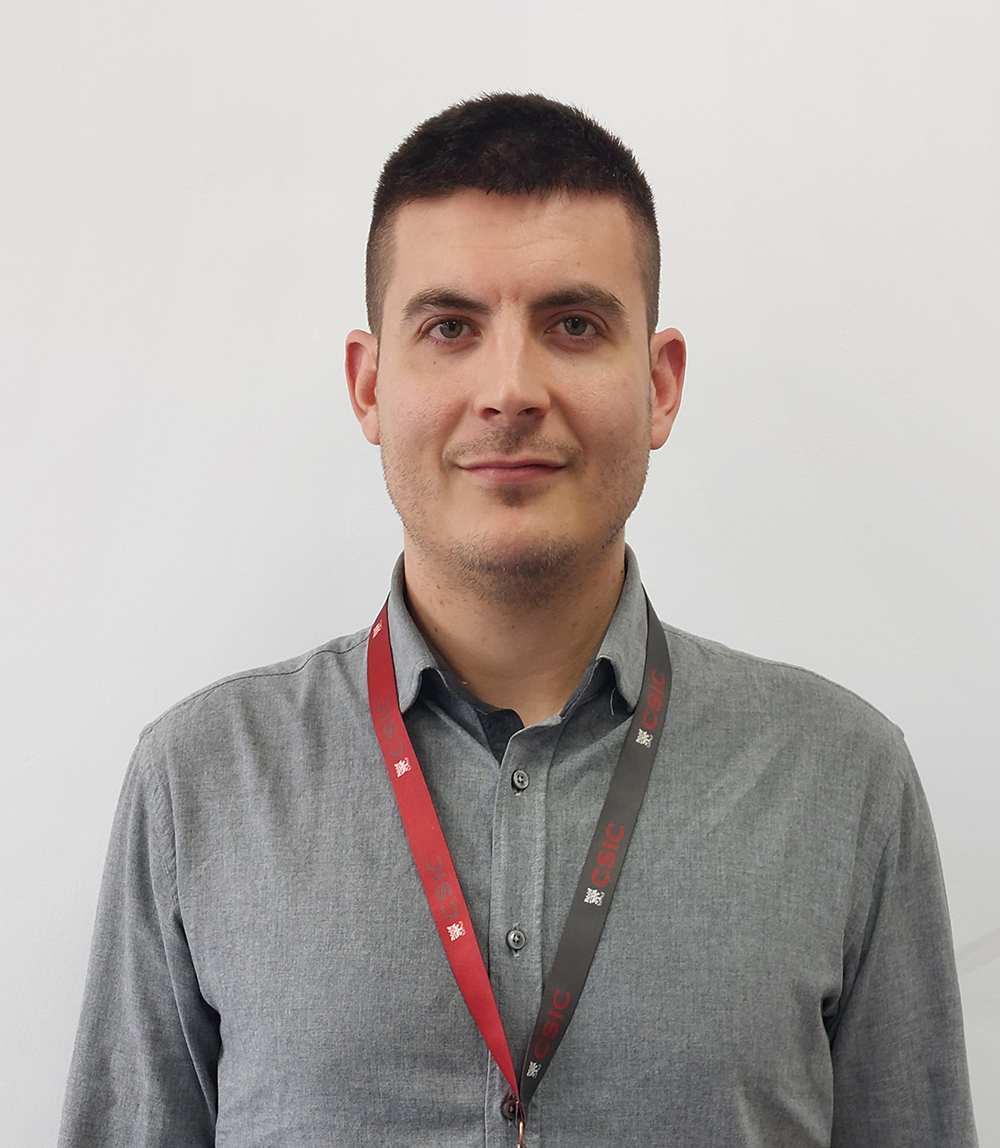
Alejandro graduated with a degree in Chemistry (2017), specializing in Biological Chemistry, and subsequently completed a master’s degree in Industrial Chemistry and Introduction to Chemical Research (2018), both at the Universitat Autònoma de Barcelona.
He subsequently worked for several companies in the fields of analytical chemistry and organic chemistry. In mid-2025, he obtained a permanent position at IQAC-CSIC, where he currently works in two research groups: Chemical Biology and BISi-Bonds (Methodology).
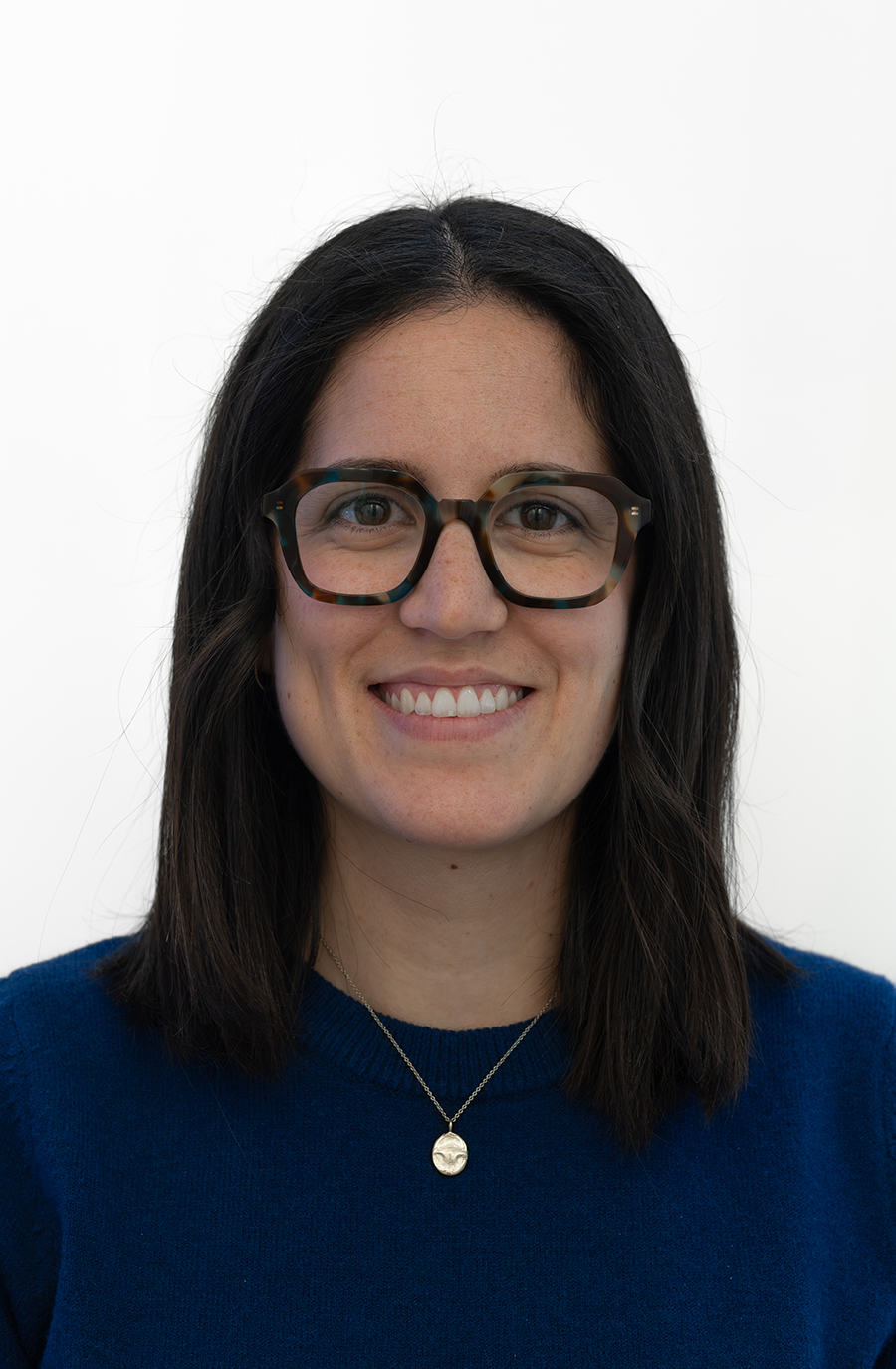
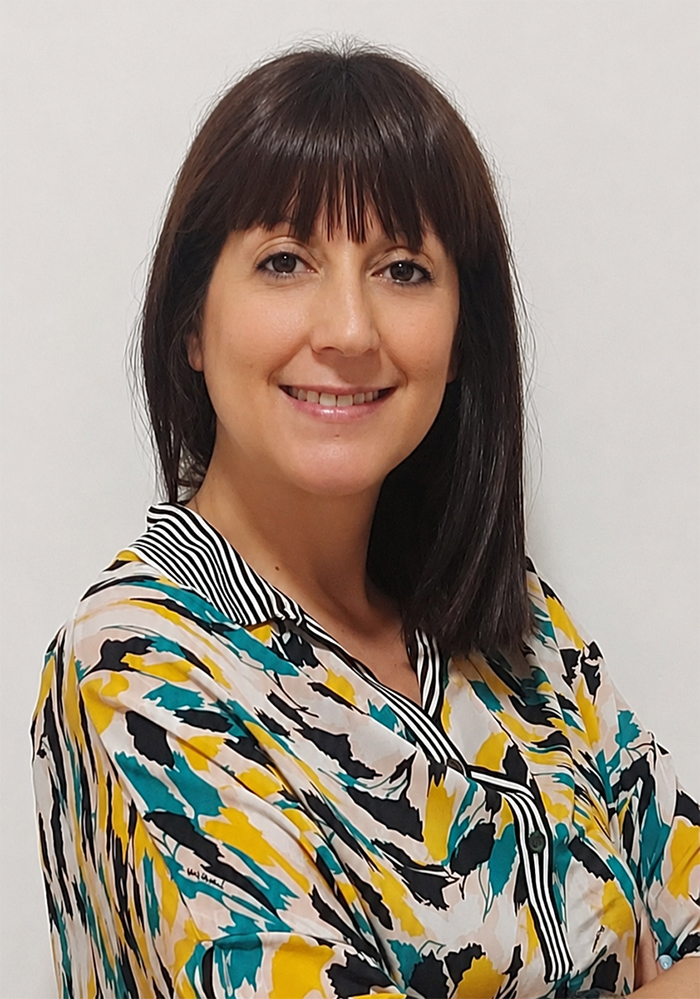
Ramona holds a degree in Biology from the Università degli Studi di Napoli Federico II and a PhD from the Faculty of Pharmacy at the University of Barcelona. She has developed a solid career in research and project management within the cosmetic and pharmaceutical sectors.
Her expertise in peptide synthesis and encapsulation systems with pharmaceutical activity marked the beginning of her professional career in the R department of Infinitec Activos (now part of Evonik Industries AG), where she managed the full development cycle of new cosmetic ingredients, from the conceptual phase to market launch.
She later joined Creaciones Aromáticas Industriales S.A. (CARINSA Group) as a Project Manager, where she was responsible for managing national and international grants and provided scientific support to the cosmetics division, including contributions to patent drafting.
She is currently part of the Medicinal Chemistry and Synthesis (MCS) group at IQAC-CSIC as Project Manager and Quality Manager. In this role, she oversees the administrative aspects of projects, coordinates the group’s quality management system, leads digital communication, and organizes scientific outreach activities and events.
Manage Cookie Consent
To provide the best experiences, we use technologies like cookies to store and/or access device information. Consenting to these technologies will allow us to process data such as browsing behavior or unique IDs on this site. Not consenting or withdrawing consent, may adversely affect certain features and functions.
Functional
Always active
The technical storage or access is strictly necessary for the legitimate purpose of enabling the use of a specific service explicitly requested by the subscriber or user, or for the sole purpose of carrying out the transmission of a communication over an electronic communications network.
Preferences
The technical storage or access is necessary for the legitimate purpose of storing preferences that are not requested by the subscriber or user.
Statistics
Storage or technical access that is used exclusively for statistical purposes.The technical storage or access that is used exclusively for anonymous statistical purposes. Without a subpoena, voluntary compliance on the part of your Internet Service Provider, or additional records from a third party, information stored or retrieved for this purpose alone cannot usually be used to identify you.
Marketing
The technical storage or access is required to create user profiles to send advertising, or to track the user on a website or across several websites for similar marketing purposes.