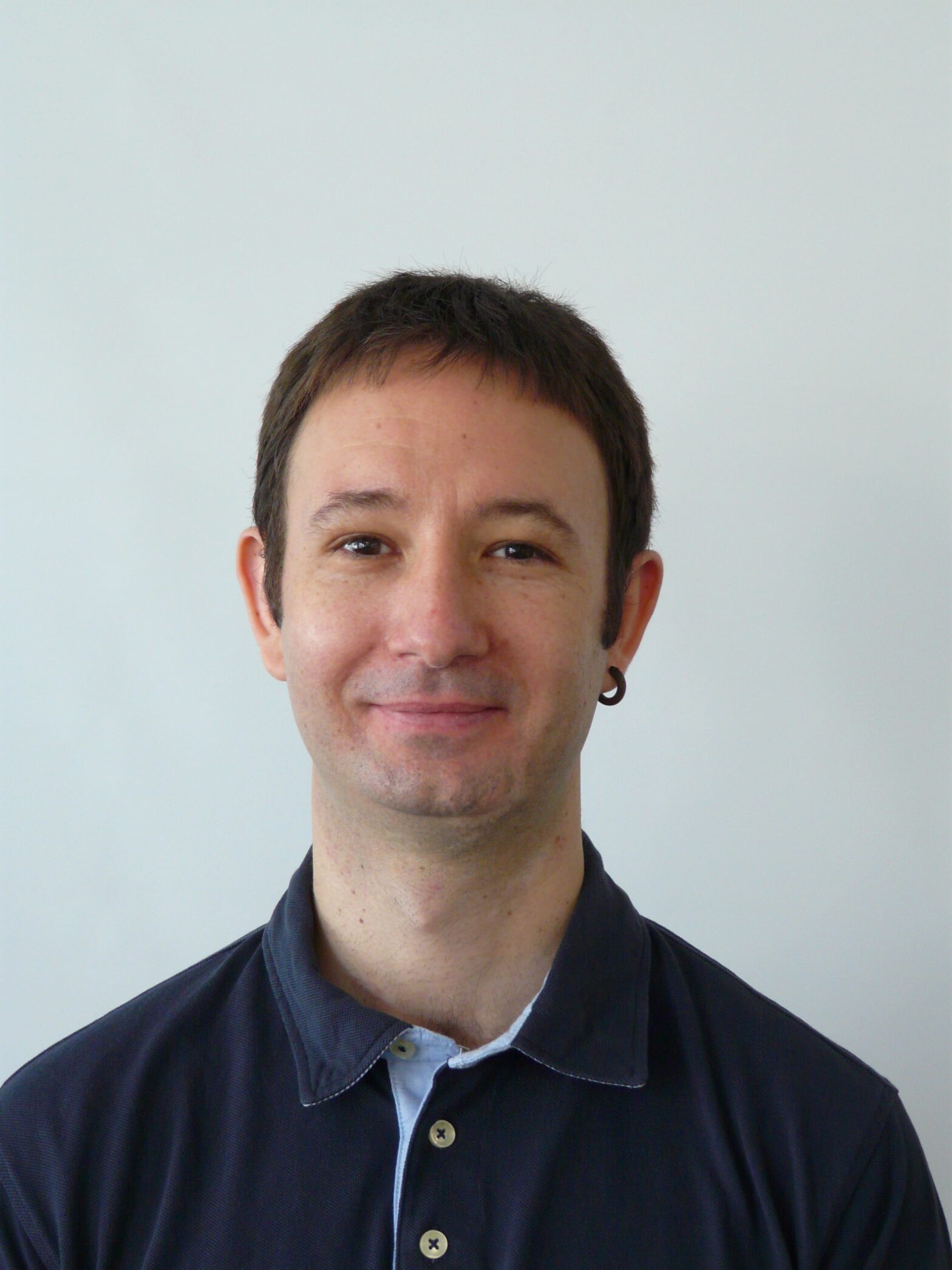
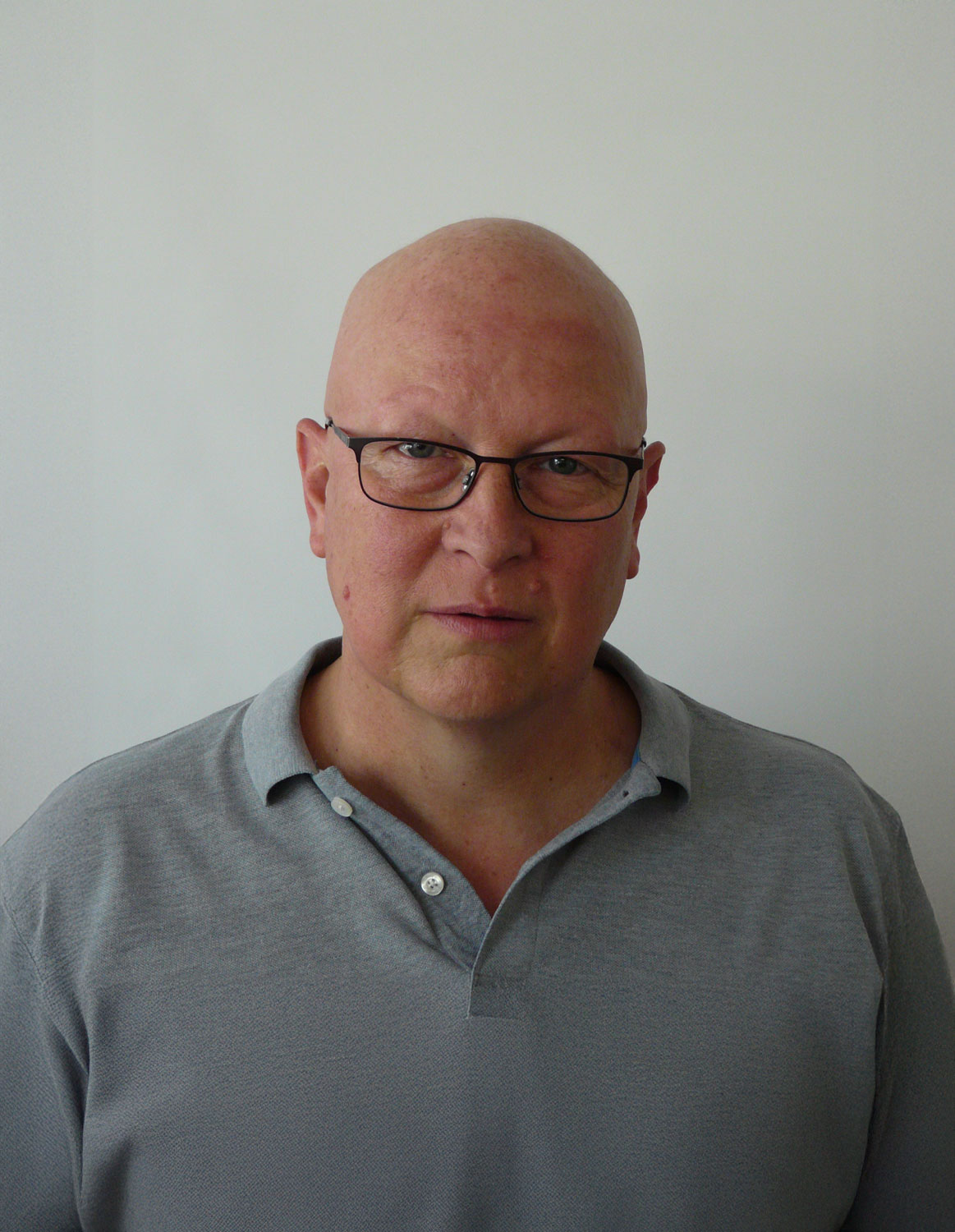
Jordi Solà obtained his PhD in Chemistry from the University of Barcelona in 2006, working on the Pauson-Khand reaction. After completing his doctorate, he moved to the United Kingdom, where he conducted postdoctoral studies. He first joined Prof. J. Clayden’s group (University of Manchester), where he studied methods for conformational control and chirality transfer using helical peptides as information transmitters. He later moved to Edinburgh with Prof. D. A. Leigh (University of Edinburgh) to work on the synthesis and operation of molecular motors and nanodevices.
In 2012, he received a Ramón y Cajal fellowship and joined the Institute for Advanced Chemistry of Catalonia as an independent researcher. Since 2017, he has been a Tenured Scientist at the same institute, which belongs to the CSIC. His research interests lie in the broad field of supramolecular chemistry, focusing on the interface with biological chemistry.
He currently focuses on the preparation of molecular cages for the recognition of biologically relevant molecules in aqueous systems with the aim of modulating biological processes. Other research interests include dynamic chemical systems and supramolecular catalysis.
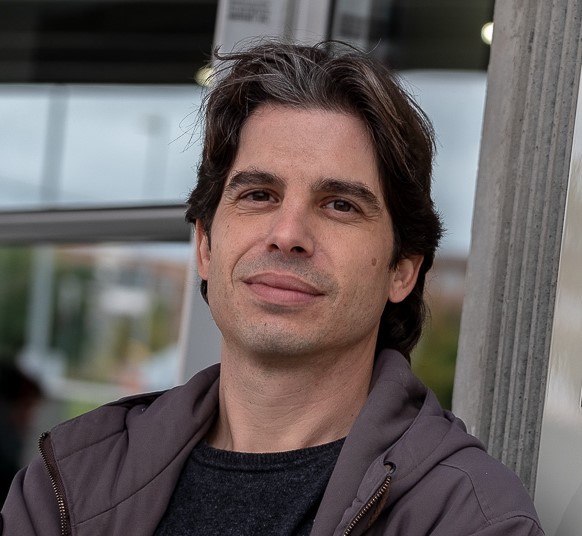
Xavier Rovira Algans obtained his PhD at the Institute of Neurosciences of the Autonomous University of Barcelona (UAB). He received several competitive grants that enabled him to undertake two predoctoral stays at Cornell University (New York) and at Université Paris Descartes (Paris), as well as a postdoctoral stay of around 5 years at the Institut de Génomique Fonctionnelle (Montpellier). These experiences allowed him to specialise in mathematical and molecular modelling of biological systems, cellular and molecular biology, bioinformatics and molecular pharmacology.
In February 2020, he joined the Medicinal Chemistry and Synthesis (MCS) laboratory at The Institute for Advanced Chemistry of Catalonia (IQAC-CSIC), where he obtained a Ramón y Cajal grant. In 2022, he passed a competitive examination to become a permanent researcher at the Spanish National Research Council (CSIC). His main research interest has been the activation dynamics of G protein-coupled receptors (GPCRs).
It is important to highlight that during these years he has established a network of collaborators that has played an essential role in the development of the emerging field known as photopharmacology. This emerging area of research is based on the development and use of light-controlled drugs to regulate proteins with high temporal and spatial precision in their native environment.
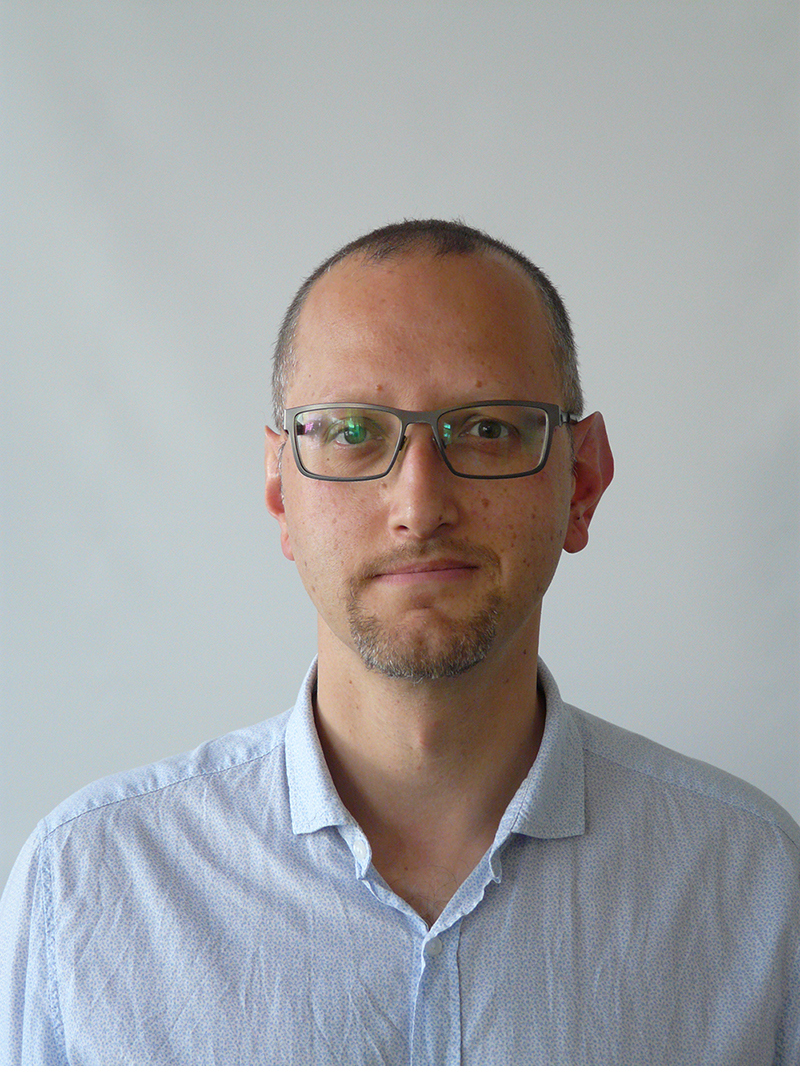
Xavier Gómez-Santacana is a chemist who has always been interested in applying chemistry to the fields of biology and pharmaceutical sciences. After graduating, he joined the pharmaceutical industry (Almirall and Esteve Química), but later decided to return to academia. He completed a PhD in Organic and Medicinal Chemistry (UB, 2012–2016) under the supervision of Amadeu Llebaria (IQAC-CSIC) and Pau Gorostiza (IBEC). After defending his doctoral thesis (with distinction cum laude), he joined Vrije Universiteit Amsterdam (The Netherlands) to lead a GPCR photopharmacology line (2016–2018).
After his first postdoctoral period, he joined the Institut de Génomique Fonctionnelle (IGF-CNRS) to lead a project on protein labelling and, finally, returned to Barcelona in 2021 to rejoin the MCS group after receiving a Tecniospring Industry – Marie Skłodowska-Curie postdoctoral fellowship.
Since then, he has been a senior postdoctoral researcher in the MCS group, leading a research line on protein labelling and several projects in photopharmacology. In 2026, he will be promoted to Tenured Scientist at IQAC.
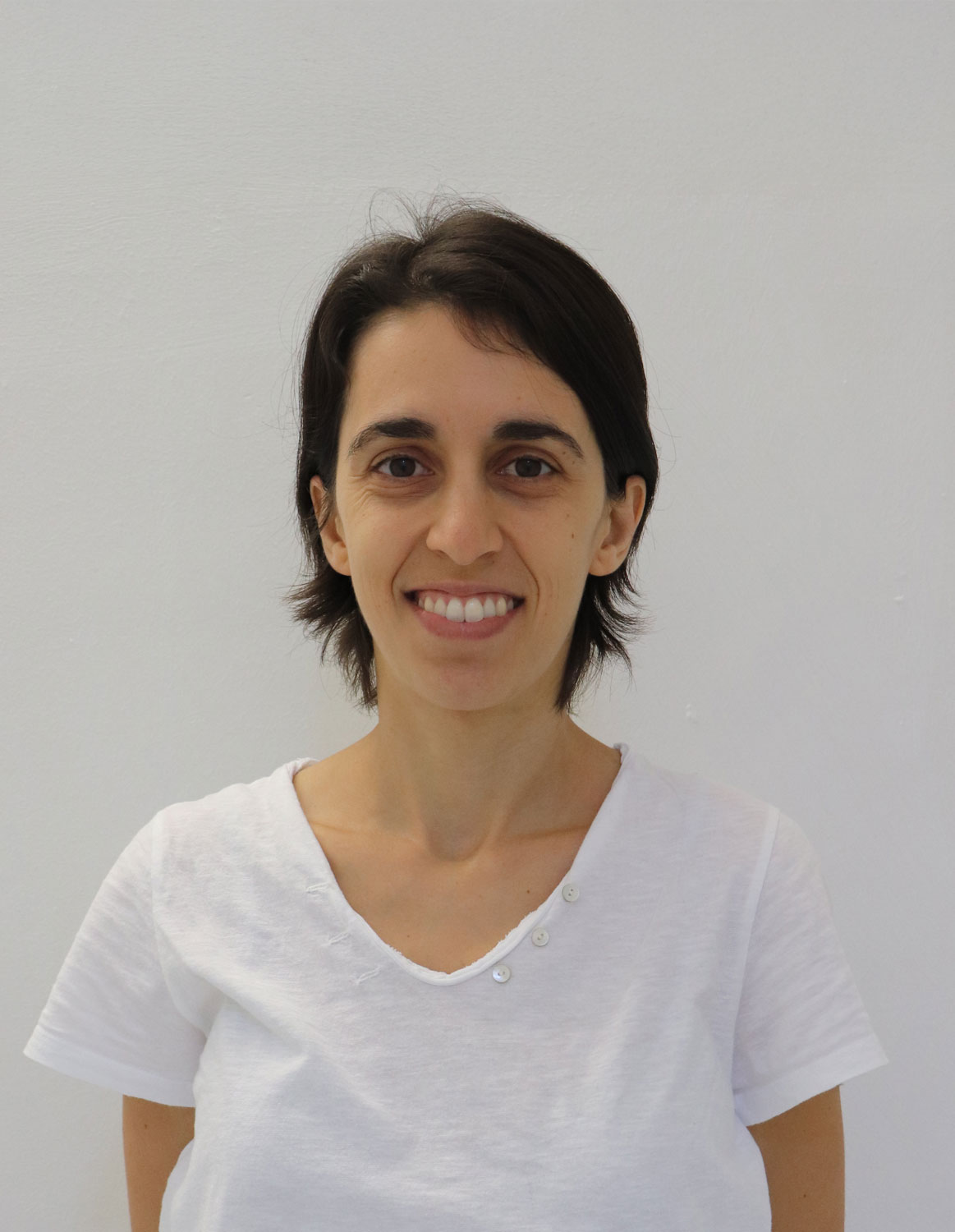
Dr. Alexandr Shafir is a Tenured Scientist at the Institute for Advanced Chemistry of Catalonia (IQAC-CSIC), where he co-leads the BISi Bonds laboratory. He earned his PhD in Chemistry from the University of California, Berkeley, and conducted postdoctoral research at the Massachusetts Institute of Technology under the supervision of Prof. Stephen Buchwald. Before joining CSIC, he held positions as a Ramón y Cajal researcher at the Autonomous University of Barcelona and as a group leader at the Institute of Chemical Research of Catalonia (ICIQ).
His research focuses on synthetic methodology, C–H functionalization, hypervalent iodine chemistry, and boron–nitrogen (BN) isosterism in π-conjugated and functional molecular systems, as well as broader aspects of main group element reactivity. His group has developed iodane-guided strategies for selective bond formation and has contributed to elucidating the mechanisms underlying iodine(III)-mediated transformations.
Dr. Shafir has led various national and collaborative projects, including academia-industry collaborations in sustainable chemistry and circular materials. He has supervised multiple doctoral theses and regularly participates in scientific evaluation activities at both national and European levels. He is currently the Vice President of the Catalan Section of the Spanish Royal Society of Chemistry (RSEQ), aiming to contribute to a more connected and collaborative scientific community.
Dr Laia Josa-Culleré is a medicinal chemist and leads the Drug Discovery and Medicinal Chemistry research group at IQAC. She graduated in Chemistry from the University of Barcelona and obtained a research master’s degree with Finian J. Leeper at the University of Cambridge, working on new click reporters for the bioorthogonal labelling of glycans in cancer cells.
In 2016, she obtained her PhD from the University of Oxford, working with Mark G. Moloney on the preparation of natural product derivatives with antibacterial and anticancer properties. She subsequently joined the spin-off company OxStem, working with Angela J. Russell, where she led drug discovery projects to identify new small molecules capable of differentiating acute myeloid leukaemia (AML) cells.
In 2019, she returned to Barcelona thanks to a Marie Curie Individual Fellowship and subsequently a Juan de la Cierva grant. She joined the MCS group led by Amadeu Llebaria at IQAC, where she worked on photopharmacology approaches for oncology.
In 2025, Dr Josa-Culleré received an ERC Starting Grant and a Ramón y Cajal contract, and established the Drug Discovery and Medicinal Chemistry research group at IQAC. The group focuses on the development of innovative drugs for oncology.
Jordi Bujons earned his PhD in Organic Chemistry from the University of Barcelona in 1994. He subsequently moved to the University of British Columbia (Vancouver, Canada), where he completed a three-year postdoctoral stay in the group of Prof. A. G. Mauk, working on the generation and characterization of cytochrome c peroxidase enzyme mutants.
In 1998, he returned to the Institute for Advanced Chemistry of Catalonia, where he established himself as a CSIC Tenured Scientist in 2001, later joining the Biotransformations and Bioactive Compounds group (2006).
His research focuses on the computational design and mechanistic study of enzymes as biocatalysts in organic synthesis, with a particular emphasis on the stereoselective formation of C–X bonds. This work has enabled the rational optimization of the active sites of various enzymes, especially aldolases, with the aim of expanding substrate scope as well as improving catalytic efficiency and stereoselectivity.
Thanks to his expertise in molecular modeling, he has also contributed to a wide variety of projects in biological and medicinal chemistry, including the design of new apoptosis regulators, the study of GABAA receptor modulators, the modeling of supramolecular systems, and the development of PROTAC molecules targeting proteins of interest.
The Unit investigates biochemical and medicinal chemistry topics using chemical methodologies. The most frequently employed tools are peptide and carbohydrate chemistry for the synthesis of new glycoconjugates, halogenation reactions and other organometallic reactions in water, and proteomic techniques. Areas of research interest include enzymatic catalysis, pain, and immunity-related mechanisms. In recent years, the group’s research has focused on drug discovery projects involving the transthyretin protein. Initially, this involved rare diseases such as transthyretin-related amyloidosis, and more recently, the research has focused on the role of transthyretin in Alzheimer’s disease.
Our group focuses on the identification and development of new organic molecules aimed at applications in the agricultural and medical fields. The multidisciplinary nature of our activities is structured around two main research lines:
Semiochemical-based insect pest control
Insects rely on olfaction to locate the resources necessary for their development and survival. Based on this brief but complex foundation, our research focuses on the identification of semiochemicals—chemical signals used by organisms to communicate with each other—in pest insects, especially in the context of insect-insect and insect-plant interactions. By characterizing these chemical signals, we deepen our understanding of the chemical ecology of pest insects with a view to developing environmentally friendly control strategies aligned with the principles of Integrated Pest Management. To achieve this objective, our research is based on the isolation and identification of semiochemicals, the evaluation of their electrophysiological and behavioral activity, and finally the validation of their efficacy under field conditions.
Chemistry and biology of sphingolipids
Sphingolipids are essential components of cells, both under normal physiological conditions and in pathological states. Under healthy conditions, they act as key signaling molecules in the regulation of various cellular functions. However, sphingolipids can also promote the development of diseases, from rare pathologies (sphingolipidoses) to conditions of major impact. Our research ranges from the development of chemical probes for diagnostic applications to the discovery of disease biomarkers (lipidomics) and the identification of chimeras targeting the proteolysis of proteins relevant to sphingolipid metabolism and functions. These objectives are achieved by combining disciplines such as computational design and synthesis of molecules, as well as the study of their biological activity in both cell-free systems and cell culture models.
Their scientific interests focus on peptide chemistry from three different perspectives: the design, synthesis, and study of the potential therapeutic value of peptide molecules. The general objectives of their research are summarized in the use of synthetic peptides in the field of Biomedicine, both for the improvement of current diagnostic systems and for the design of new therapeutic targets.
The Theoretical and Computational Chemistry (QTC) Group explores the behavior and properties of molecules to understand and predict their reactivity, dynamics, and function.
We employ a diverse set of multiscale approaches—including quantum chemistry, all-atom molecular dynamics, and coarse-grained simulations—to connect electronic structure with macroscopic behavior.
To complement these methods, we integrate deep learning to improve the modeling of complex molecular systems.
Our research lines cover the following topics:
Modeling of biomolecular structure, dynamics, and mechanisms: nucleic acids, proteins, GPCRs, and intrinsically disordered proteins.
Electronic structure calculations and chemical bond analysis for the study of reaction mechanisms, photochemistry, and molecular switches.
Digital chemistry and artificial intelligence.
Ligand and protein design: simulations of ligand–target recognition and binding in lipid–protein and small molecule–target systems.
Manage Cookie Consent
To provide the best experiences, we use technologies like cookies to store and/or access device information. Consenting to these technologies will allow us to process data such as browsing behavior or unique IDs on this site. Not consenting or withdrawing consent, may adversely affect certain features and functions.
Functional
Always active
The technical storage or access is strictly necessary for the legitimate purpose of enabling the use of a specific service explicitly requested by the subscriber or user, or for the sole purpose of carrying out the transmission of a communication over an electronic communications network.
Preferences
The technical storage or access is necessary for the legitimate purpose of storing preferences that are not requested by the subscriber or user.
Statistics
Storage or technical access that is used exclusively for statistical purposes.The technical storage or access that is used exclusively for anonymous statistical purposes. Without a subpoena, voluntary compliance on the part of your Internet Service Provider, or additional records from a third party, information stored or retrieved for this purpose alone cannot usually be used to identify you.
Marketing
The technical storage or access is required to create user profiles to send advertising, or to track the user on a website or across several websites for similar marketing purposes.