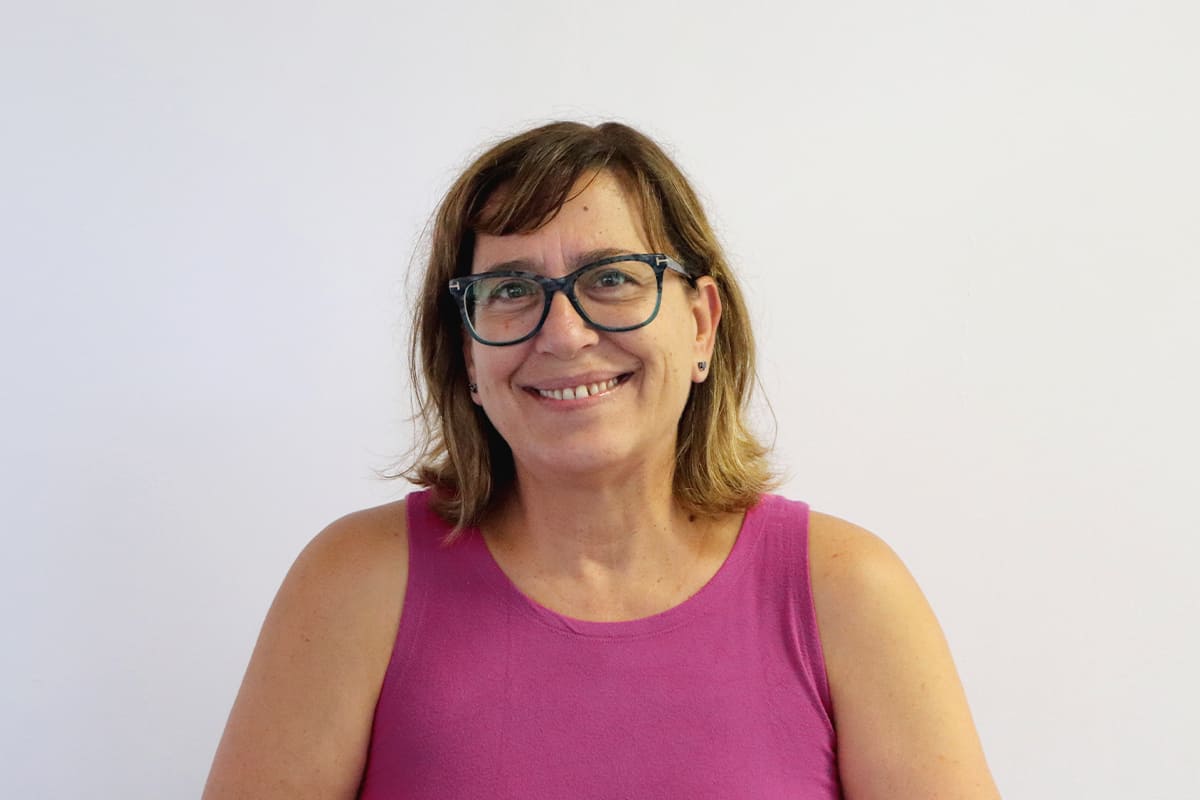
I hold a degree in Biology and a PhD from the University of Barcelona, with specialized training in Pharmaceutical Physical Chemistry.
My scientific career has focused on the design, characterization, and application of lipid-based structures as delivery systems, as well as on their interactions with biologically and therapeutically relevant molecules and with tissues such as the skin. To this end, I have employed a wide range of physicochemical and structural characterization techniques, including microscopy, infrared spectroscopy, and X-ray scattering, as well as synchrotron radiation-based methods.
In parallel with my research activities, I have taught undergraduate and graduate courses in Biophysics and Medical Physics, and I am a co-founder of a technology-based company dedicated to the development of nanostructured lipids for biomedical and cosmetic applications.
In 2025 I joined the Cell Culture and Advanced Microscopy Core as a technical staff member. This platform provides infrastructure and support to users and research projects in the management of cell cultures and in advanced fluorescence microscopy techniques, such as Structured Illumination Microscopy (SIM) and Single-Molecule Localization Microscopy (SMLM).
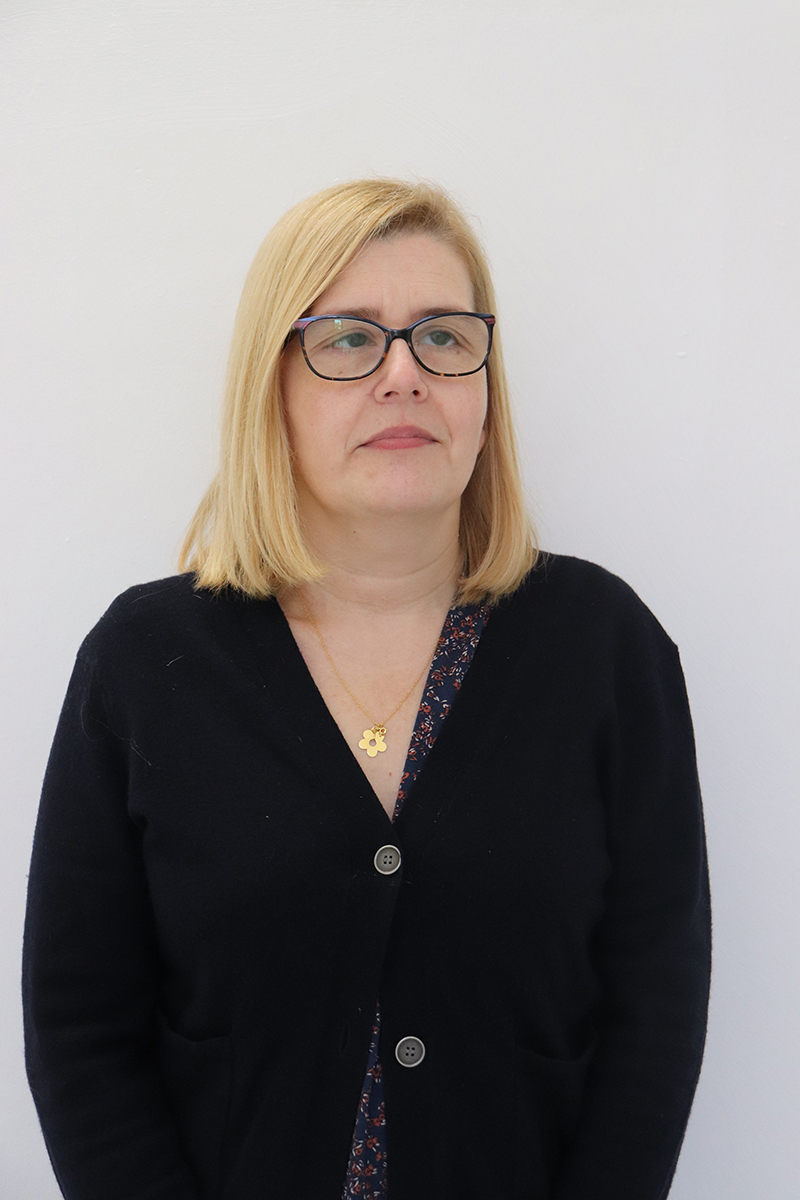
I hold a degree in Chemistry from the University of Barcelona and a PhD from the Department of Biochemistry and Molecular Biology at the Autonomous University of Barcelona, where I carried out a doctoral thesis focused on the biomedical applications of nuclear magnetic resonance (NMR). I subsequently pursued my research career in applied research projects for chemical and pharmaceutical companies, as well as in public research centres, including the Barcelona Science Park (PCB) and the Institute for Research in Biomedicine (IRB Barcelona), working in the field of biomolecular NMR. In 2010, I joined IQAC-CSIC as Head of the NMR Service, taking responsibility for the management, operation, and scientific supervision of the facility.
My scientific interests focus on the use of NMR in combination with other biophysical techniques to structurally characterise biomolecules and investigate molecular recognition processes and the non-covalent interactions in which they are involved in solution, ranging from the formation of intermolecular complexes to intramolecular interactions. As a result, I have developed a multidisciplinary research career based on my experience in areas such as chemical biology, biochemistry and molecular biology, protein NMR, and the characterisation of protein–ligand interactions.
Currently, my research focuses on the application of advanced NMR methodologies to biocatalysis and enzyme engineering, as a senior researcher in the Biotransformations and Bioactive Molecules group.
María José Gómara is a Tenured Scientist at CSIC and works at The Institute for Advanced Chemistry of Catalonia (IQAC-CSIC). She obtained her degree in Pharmacy at the University of Barcelona (UB) in 1992. She completed her PhD thesis in the peptide and protein synthesis group (IIQAB-CSIC) under the supervision of Dr Isabel Haro (1996–2000). Close collaborations were established with the Department of Physical Chemistry of the Faculty of Pharmacy (UB) and with the Immunology Service (IDIBAPS) of Hospital Clínic de Barcelona. In addition, she carried out two research stays at the Department of Neuroscience and Cell Biology of the University of Medicine and Dentistry of New Jersey and at the Institute of Medicine of the Austral University of Chile, in Valdivia.
She subsequently undertook a 4-year postdoctoral stay in the Department of Biochemistry and Molecular Biology at the University of the Basque Country. In 2005 she joined the Peptide Synthesis and Biomedical Applications Unit (IQAC-CSIC), where she currently conducts research based on the use of synthetic peptides in the field of biomedicine. As a result of her scientific career, she has published 95 articles in international scientific journals, 7 book chapters, and has supervised 3 doctoral theses.
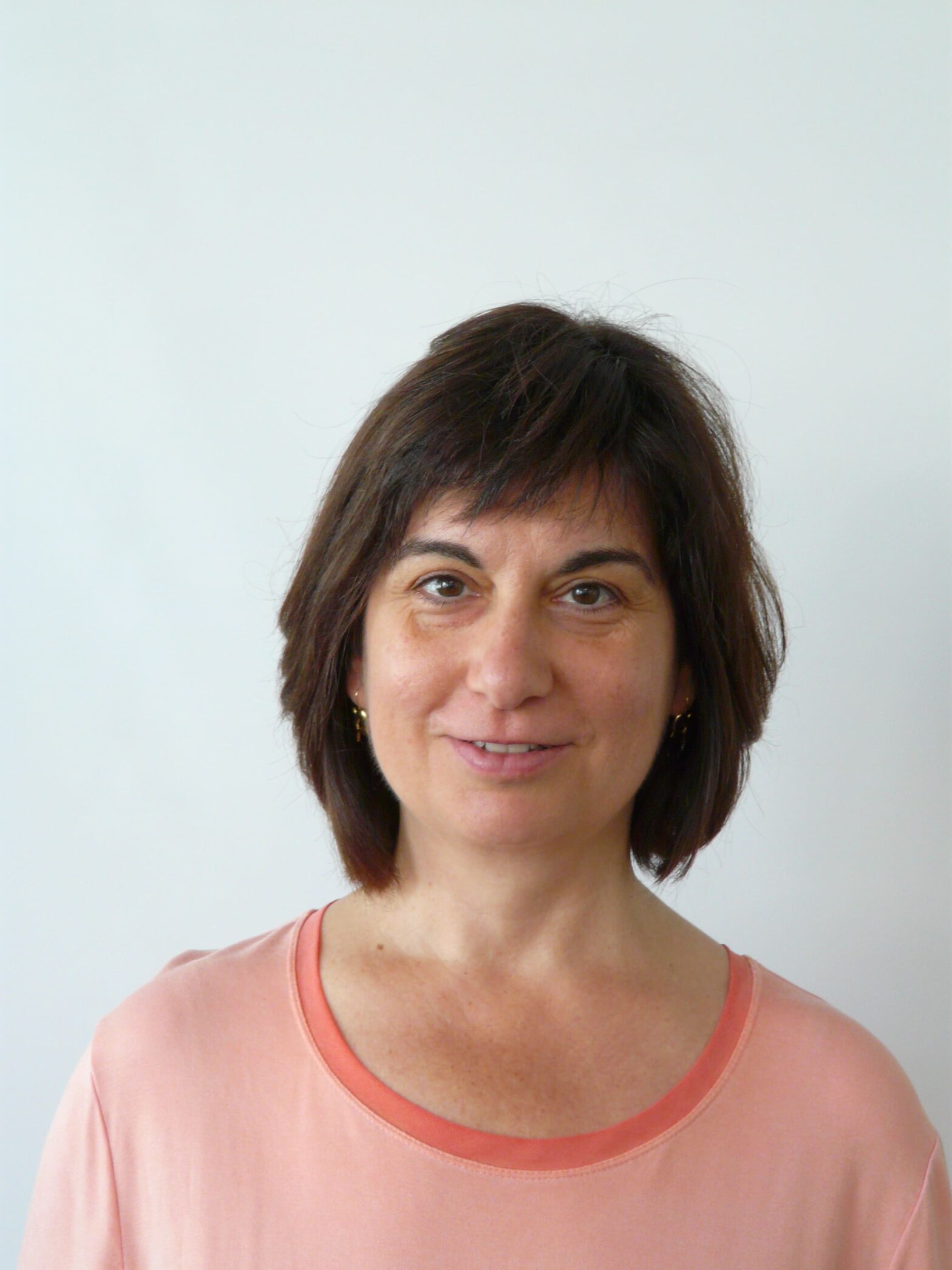
I am a biologist with a PhD from the University of Barcelona. I spent two years as a postdoctoral researcher at the University of Iowa (USA), where I worked on insect olfaction and the use of pheromones for pest control. Upon returning to Barcelona, I participated in several projects, all focused on integrated pest management strategies. Subsequently, I joined the IIBB-CSIC, where I began working in the field of proteomics. I obtained a Ramón y Cajal contract at the IQAC-CSIC and, during this period, established the IQAC Proteomics Service. I am currently a tenured researcher at IQAC and the institute’s deputy director.
My scientific career began with research on pheromonal communication in lepidopterans and the inhibition of pheromone response through interactions with proteins involved in olfactory processes. I continued working in insect chemical ecology, exploring behavioral inhibition using intraspecific compounds and pheromone analogs, with the aim of delving deeper into the mechanisms that regulate olfactory perception.
Throughout my career, and to this day, a central focus of my research has been the isolation and identification of new attractants and other behavior-modulating compounds to develop innovative methods for controlling both native and invasive insect pests.
My initial research (1990–95) focused on key enzymes in steroidogenesis, such as squalene oxidase and squalene oxide cyclase. Efficient inhibitors of both enzymes were therefore designed and developed, and the stereochemical factors involved in their enzymatic activity were studied. My postdoctoral stay was carried out at Rutgers University in New Jersey (USA, 1995–98) and focused on the preparation of locally labelled purine nucleosides, specifically with 15N and 13C, for their introduction into nucleotide fragments and subsequent structural study by NMR.
My return to the Spanish research system and the subsequent Ramón y Cajal contract (1998–2008) focused on the field of insect sex pheromone biosynthesis, with several specific objectives: (1) the design and synthesis of fatty acid desaturase inhibitors and (2) the synthesis of isotopically labelled probes with deuterium to study the stereochemistry and cryptoregochemistry of fatty acid desaturases. During the 2008–22 period, my research has focused on developing chemical tools to advance knowledge of sphingolipid metabolism and on discovering modulators of the different enzymes involved, both as pharmacological tools and as “hits” of therapeutic or diagnostic interest.
In recent years, I have been involved in a new line of research aimed at developing new strategies to direct protein degradation, stabilisation, and the manipulation of their intracellular localisation through specifically designed chemical entities.
Eloy Ramos Cordoba obtained his PhD from the University of Girona in 2014. His doctoral research focused on the development of new chemical bonding tools and software to address complex chemical problems. After completing his PhD, he conducted postdoctoral research at the Donostia International Physics Center (DIPC), specializing in electronic correlation and molecular properties. Subsequently, he was awarded a Marie Skłodowska-Curie fellowship, which allowed him to continue his postdoctoral research at the University of California, Berkeley, where he developed advanced computational methods to characterize charge-transfer excited states.
Upon his return to Spain, he joined the University of the Basque Country (UPV/EHU) as a Juan de la Cierva researcher and later as an Ikerbasque researcher, continuing his research in electronic structure theory and chemical bonding. Currently, he is a tenured scientist at IQAC-CSIC, where he leads projects systematically investigating the limitations and failure points of quantum electronic structure methods, including both wave function-based methods and density functional theory approximations. He also develops new interpretive tools for chemical bonding to connect quantum mechanical calculations with traditional chemical concepts.
Dr. Pujals is a Tenured Researcher at the Institute for Advanced Chemistry of Catalonia (IQAC-CSIC). She obtained her PhD in Organic Chemistry from the University of Barcelona (UB) in the field of cell-penetrating peptides. Following her doctorate, she moved to Kyoto University for a postdoctoral fellowship, where she focused on biophysics and electron microscopy. With expertise in drug delivery, peptide synthesis, and both optical and electron microscopy, Silvia’s scientific career has been dedicated to drug delivery systems and their study through various advanced microscopy techniques.
Her background in chemistry is essential for designing and synthesizing more efficient and selective drug delivery systems, and her training in microscopy is crucial for characterizing and evaluating them using both super-resolution microscopy and electron microscopy, as well as the combination of both (correlative approach).
Ramon Guixà-González is a tenured scientist at the Spanish National Research Council (CSIC) in Barcelona and a specialist in computational biochemistry. His research integrates multiscale molecular dynamics simulations, both classical and enhanced sampling, to investigate the complex interactions between lipids and membrane proteins. One of his main goals is to understand how lipid environments modulate the structure and function of membrane-embedded signalling proteins, especially G protein-coupled receptors (GPCRs).
He obtained his PhD in Biomedicine in 2015 at Pompeu Fabra University (Barcelona), with research stays in the groups of Prof. Marta Filizola (Mount Sinai Hospital, NY, USA) and Prof. Ilpo Vattulainen (Finland). He carried out postdoctoral research at Charité – Universitätsmedizin (Berlin) and was a senior postdoctoral researcher at the Paul Scherrer Institute (PSI) and the Swiss Institute of Bioinformatics (SIB). His work has used molecular dynamics simulations to: (a) elucidate the molecular mechanisms of GPCR activation, (b) study how membranes regulate receptor function, and (c) develop computational tools to support interdisciplinary research.
He has made significant contributions to GPCR and membrane biophysics research. He currently explores how polyunsaturated fatty acids shape the properties and signalling of neuronal membranes, with implications for neuroscience, pharmacology and membrane biophysics.
I am a computational chemist with research interests in quantum chemistry, artificial intelligence, and software development. I obtained my PhD in 2014 from the Department of Physical Chemistry at the University of Barcelona (UB), under the supervision of Prof. Juan J. Novoa and Dr. Mercè Deumal. After that, I moved to Strasbourg, where I spent three and a half years at the Laboratoire de Chimie Quantique. Subsequently, I obtained a Marie Skłodowska-Curie fellowship to join the Laboratory of Computational Molecular Design (LCMD) at EPFL in Lausanne, where I worked for four years.
I obtained my PhD in Chemistry from the University of Barcelona in 2001 under the supervision of Prof. Miquel A. Pericàs, working on asymmetric catalysis. Subsequently, I conducted postdoctoral studies at the University of Pennsylvania (Philadelphia, USA) with Prof. Patrick J. Walsh between 2001 and 2002, also working on asymmetric catalysis and synthesis. After returning to Spain, I joined Prof. Pericàs’s group as an associate researcher at the Institute of Chemical Research of Catalonia (ICIQ-Tarragona) between 2003 and 2010. There, I became co-director of 4 doctoral theses while developing research on reaction mechanisms of organometallic catalysts, as well as polymer-supported organocatalytic species and catalytic nanomaterials.
In 2008, I took a one-year leave of absence to complete a second postdoctoral stage at the Universität Bern (Bern, Switzerland), working on radical chain reactions for the synthesis of organic compounds with Prof. Philippe Renaud. My goal was to learn the possibilities of radical chemistry for asymmetric catalysis. Finally, in 2011, I joined The Institute for Advanced Chemistry of Catalonia (IQAC-CSIC) in Barcelona as a Ramón y Cajal researcher. Since 2017, I have been a Tenured Scientist at the same institution (Supramolecular Chemistry Group). At IQAC, I have supervised several doctoral theses and numerous Master’s and Bachelor’s final projects. Furthermore, I have been the principal investigator of two competitive projects funded by Mineco and co-principal investigator of several projects.
At IQAC, my research objectives have focused on the study of organocatalysts based on hydrogen bonding and self-assembly, with the aim of developing more efficient and sustainable processes and, more recently, on asymmetric metal-templated supramolecular cages with specific chiroptical properties.
Manage Cookie Consent
To provide the best experiences, we use technologies like cookies to store and/or access device information. Consenting to these technologies will allow us to process data such as browsing behavior or unique IDs on this site. Not consenting or withdrawing consent, may adversely affect certain features and functions.
Functional
Always active
The technical storage or access is strictly necessary for the legitimate purpose of enabling the use of a specific service explicitly requested by the subscriber or user, or for the sole purpose of carrying out the transmission of a communication over an electronic communications network.
Preferences
The technical storage or access is necessary for the legitimate purpose of storing preferences that are not requested by the subscriber or user.
Statistics
Storage or technical access that is used exclusively for statistical purposes.The technical storage or access that is used exclusively for anonymous statistical purposes. Without a subpoena, voluntary compliance on the part of your Internet Service Provider, or additional records from a third party, information stored or retrieved for this purpose alone cannot usually be used to identify you.
Marketing
The technical storage or access is required to create user profiles to send advertising, or to track the user on a website or across several websites for similar marketing purposes.