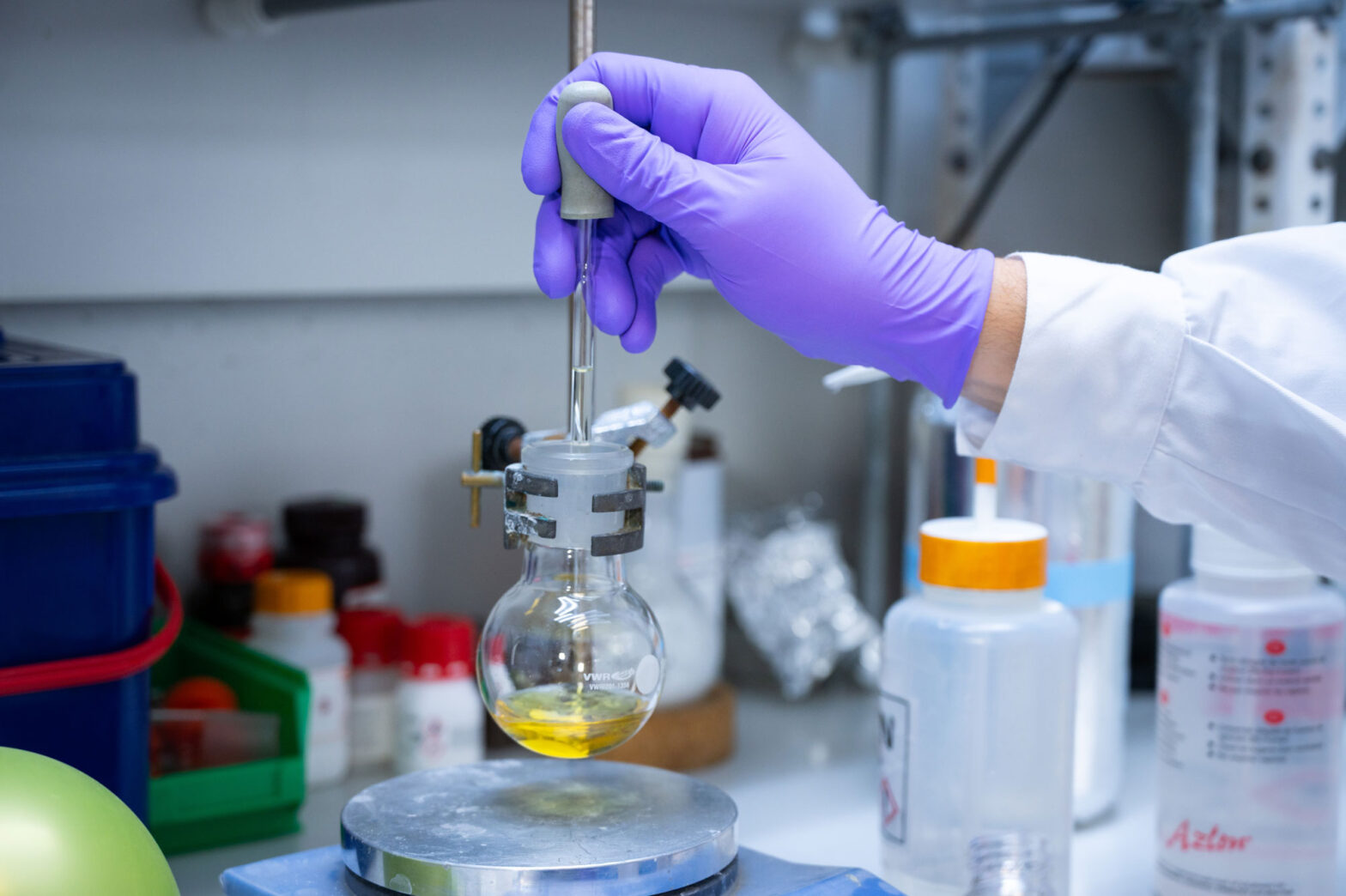
Supramolecular chemistry can be defined as “chemistry beyond the molecule” and studies the interactions between chemical species in an ordered and hierarchical manner, leading to the formation of well-defined supramolecules. We primarily work in the fields of molecular recognition, the formation of defined secondary structures, and self-assembly processes, using a wide variety of experimental and theoretical approaches. Our scientific activity is inspired by the structural and interactional complexity of living organisms. By attempting to understand and apply both forms of complexity to chemical systems, our research encompasses the molecular recognition of biologically relevant molecules, the self-assembly of organic compounds, and the study of dynamic combinatorial chemistry.
Thus, we focus on the discovery, preparation, and study of new synthetic receptors for small molecules and ions of biological interest (amino acids, neurotransmitters, anions) and for sequences or domains in biological macromolecules. We routinely employ pseudopeptidic molecular cages for the recognition, binding, or transport of small molecules. Furthermore, we use supramolecular approaches in synthetic procedures, such as template synthesis, to prepare new cages with chiroptical and photoredox properties targeting specific DNA architectures. We also employ dynamic combinatorial chemistry for the development of receptors and sensors (including more complex targets, such as peptide or DNA sequences), as well as to understand the behavior of complex chemical systems. It is worth noting that all our research is carried out in aqueous media to ensure the compatibility of our sensors with biological environments. In this way, the fundamental knowledge obtained can be applied to monitor or regulate biological processes.
Another application of supramolecular systems in our group is the development of supramolecular polymers for drug delivery. Amphipathic discotic molecules self-assemble into nanofibers that respond to different stimuli (light, pH, enzymes, etc.) to achieve precise drug release.
Additionally, we collaborate with several groups (both at IQAC and beyond) to study biomolecular and biomimetic systems from a supramolecular perspective.
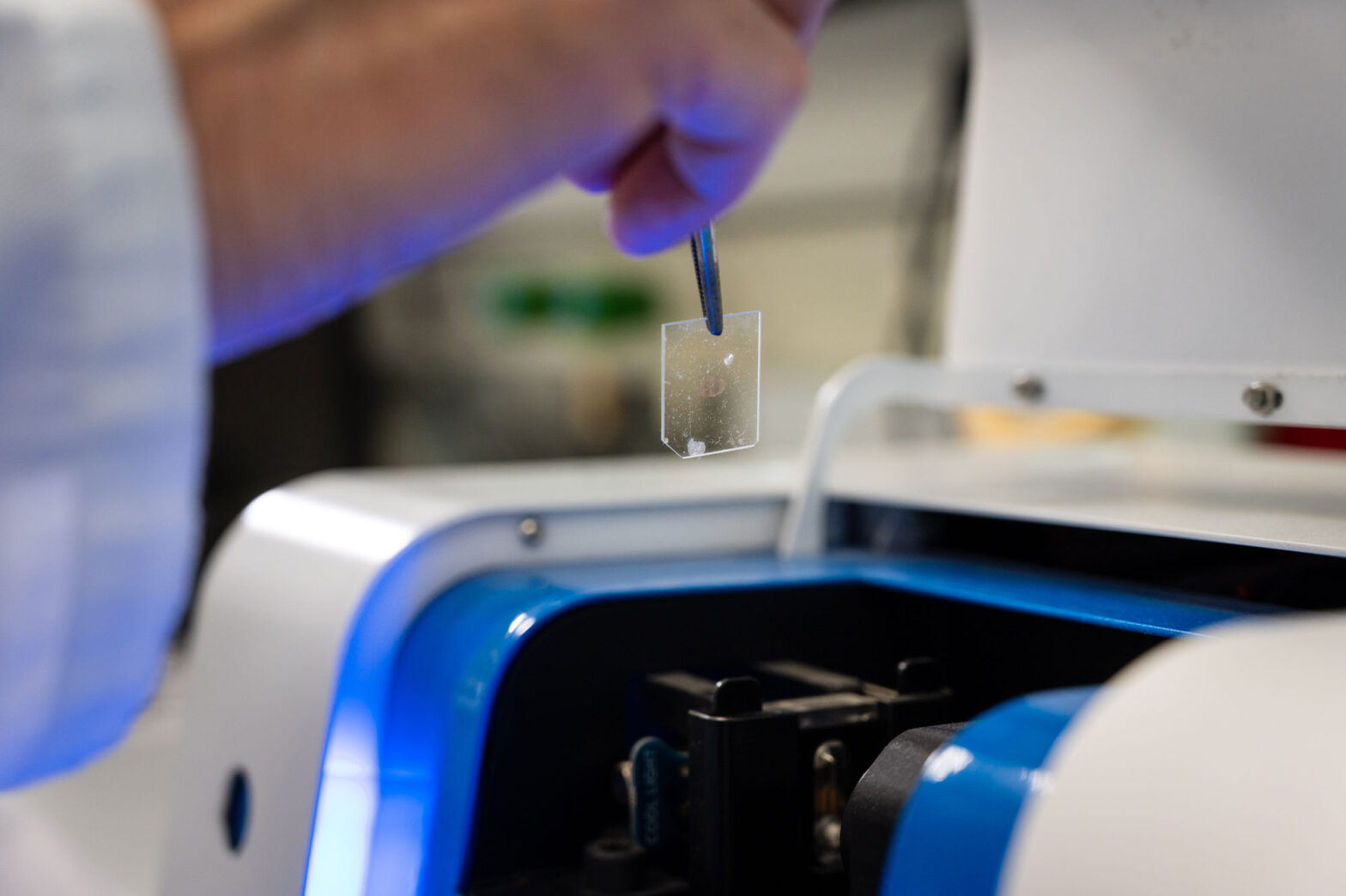
The Plasma Chemistry Group focuses on the technological applications of non-thermal plasmas at low and atmospheric pressure.
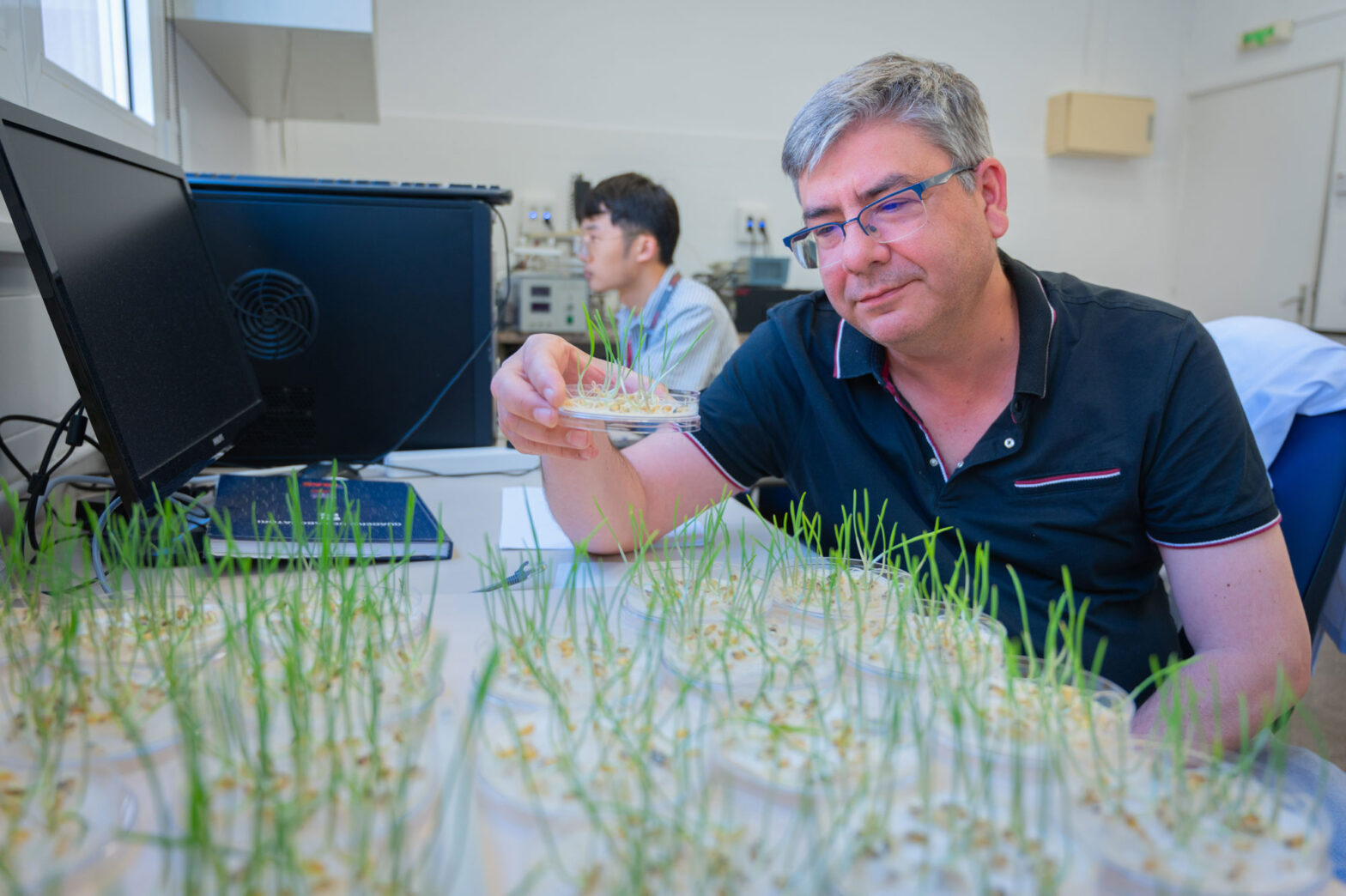
Our research covers a wide range of plasma-based processes, including surface functionalization, plasma treatment in liquids, plasma modification of biomaterials, and the use of plasma technologies in agriculture to improve seed germination and plant growth.
The BISi-Bonds group is based in Barcelona and works in an area broadly defined as Synthetic Methodology. The group’s activity focuses on organic synthesis, where main group elements and metal catalysis are of particular relevance. Our work has a significant mechanistic element, where synthetic efforts are complemented by spectroscopic and computational studies using DFT.
The group has extensive experience in hypervalent halogen chemistry, which has allowed us to discover new reactions and design and prepare novel molecular architectures. In parallel, our interest in the reactivity of main group elements extends to molecules containing boron and silicon, with recent work focused on re-imagining organic structures through boron-nitrogen (BN) isosterism, both in 2D (π-extended) materials, relevant in organic optoelectronics, and in 3D molecular structures.
The BISi-Bonds group operates through two laboratories: one at IQAC-CSIC, coordinated by Dr. Alexandr Shafir, and another at the Institut Químic de Sarrià (IQS-URL), directed by Dr. Ana B. Cuenca.
The MCS Group is dedicated to research in medicinal chemistry aimed at the discovery and development of new therapeutic strategies. Under the direction of Dr. Amadeu Llebaria, it integrates the Medicinal Chemistry Laboratory (MedChemLab) and the High-Value-Added Molecule Synthesis Service (SIMChem), offering basic research and chemical synthesis and characterization services to the scientific and industrial community.
Recognized as a research group by CSIC and the Generalitat de Catalunya (2021 SGR 00508), MCS has held TECNIO certification since 2017, which accredits it as a technology transfer agent to industry, and has a Quality Management System that ensures the excellence of its services.
Research Lines
Photopharmacology: Development of photoactivatable compounds for high-precision treatments, including studies of photochemical and biological properties.
Protein labeling: Innovative methods for covalent protein labeling without the need for genetic modifications, applicable even in human tissues.
Medicinal chemistry and R&D services: Compound synthesis, chemical process optimization, development of analytical methods, and development of biochemical-pharmacological methods. In addition, we provide consulting to companies and research centers, supporting drug discovery projects and preclinical development.
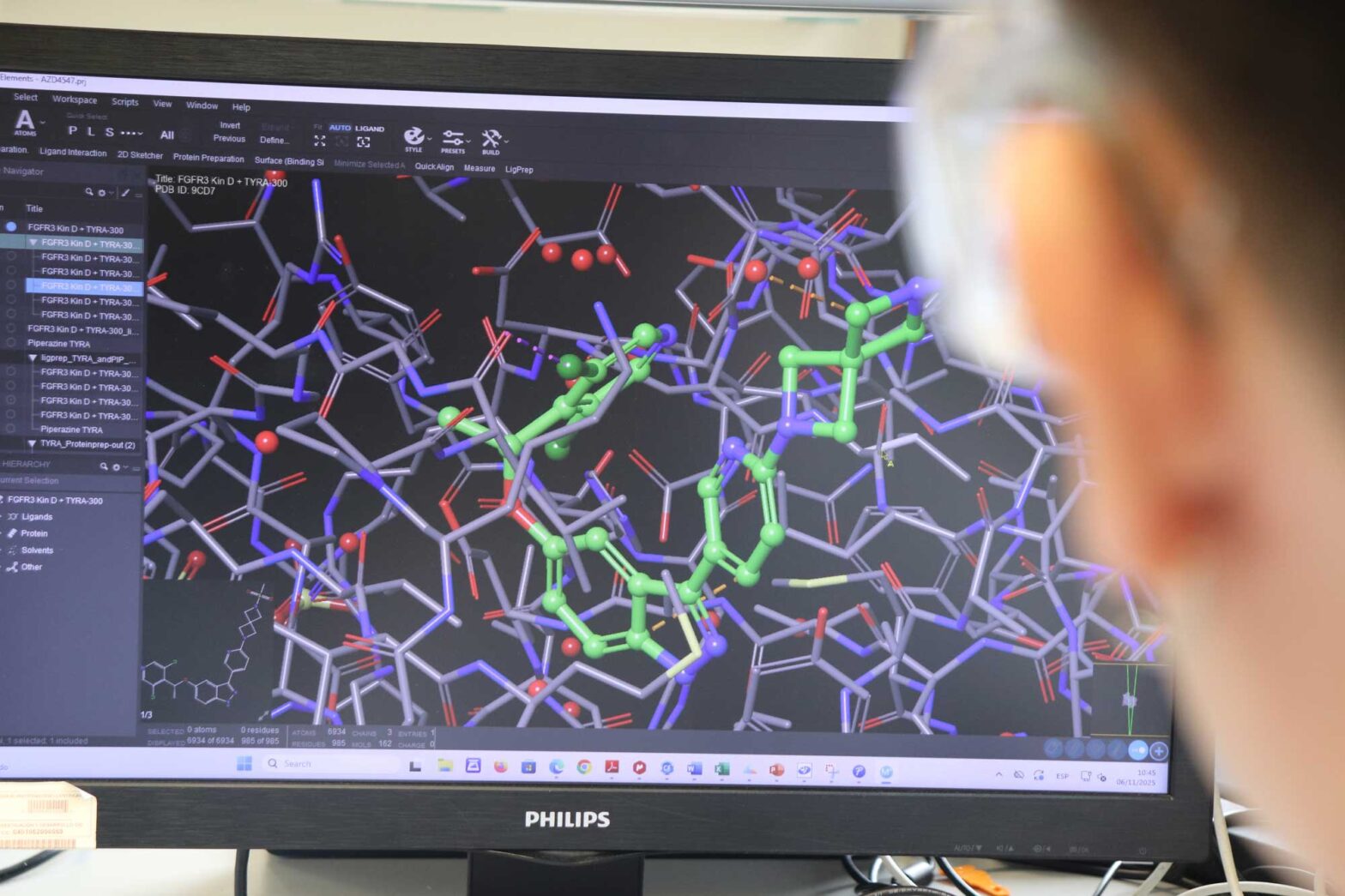
The Drug Discovery and Medicinal Chemistry group specialises in medicinal chemistry and focuses on drug discovery projects aimed at developing innovative strategies to fight cancer.
Cancer stem cells (CSCs) play a key role in patient relapse after chemotherapy, and selective drugs targeting these cells remain scarce.
Our group is developing innovative chemical strategies to eliminate CSCs with high selectivity. These include the use of new drug modalities, such as light-sensitive molecules, and the design of unique drug delivery strategies specifically tailored to these cells.
We design, synthesise and evaluate the activity of molecules in enzymatic assays and in vitro cancer models. To ensure the translation of our projects, we collaborate with interdisciplinary centres and hospitals.
Our research group integrates chemistry, biology, and structural analysis to understand and design biocatalysts.
We focus on:
Development and optimization of biocatalysts – creation and improvement of natural and artificial enzymes for carbon–carbon and carbon–heteroatom bond formation
Structural and dynamic analysis – revealing the mechanisms of action and molecular recognition in biocatalysts and other functional proteins
Protein evolution and design – application of evolutionary principles to unravel the molecular basis of the origin of life and guide the design of new efficient biocatalysts.
This multidisciplinary approach enables us to connect fundamental understanding with practical innovation in the field of enzymes.
Over the last two decades, biology has advanced extraordinarily, driven largely by the use of chemical methods and concepts that allow us to understand and control biological processes at the molecular level. In our group, we work on developing innovative strategies within this interdisciplinary field, known as chemical biology.
Our primary goal is to create more efficient methods for the synthesis of peptides and proteins, and to deepen our understanding of lipid-modified proteins, as well as the enzymes involved in their metabolism. Another line of research consists of identifying new target molecules (peptides) and new targets for the precise delivery of anti-cancer drugs. Thanks to this approach, our scientific interests span various areas, such as organic chemistry, medicinal chemistry, biochemistry, cell biology, and mass spectrometry-based lipidomics.
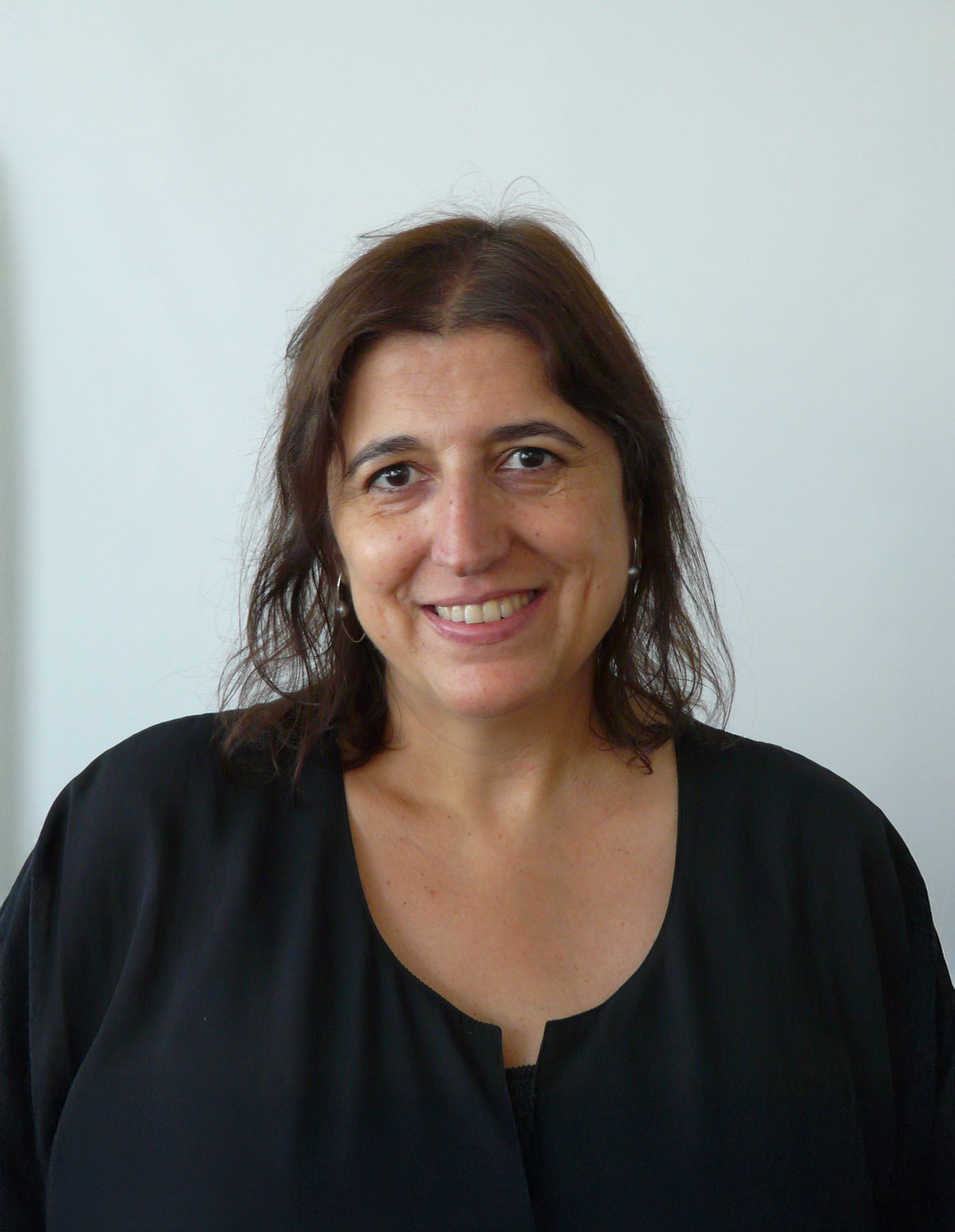
Gemma graduated in Pharmacy from the University of Barcelona in 1999 and completed her PhD at the IIQAB-CSIC in 2004 under the supervision of Prof. G. Fabriàs and A. Llebaria.
She subsequently joined Prof. H. Waldmann’s group at the Max Planck Institute of Molecular Physiology in Dortmund for postdoctoral studies.
After a period as a group leader at the same MPI in Dortmund, she moved to the IQAC-CSIC in 2012 as a tenured scientist and established the Chemical Biology Group.
During the last decade, she has worked on lipids and proteins and the study of their interactions.
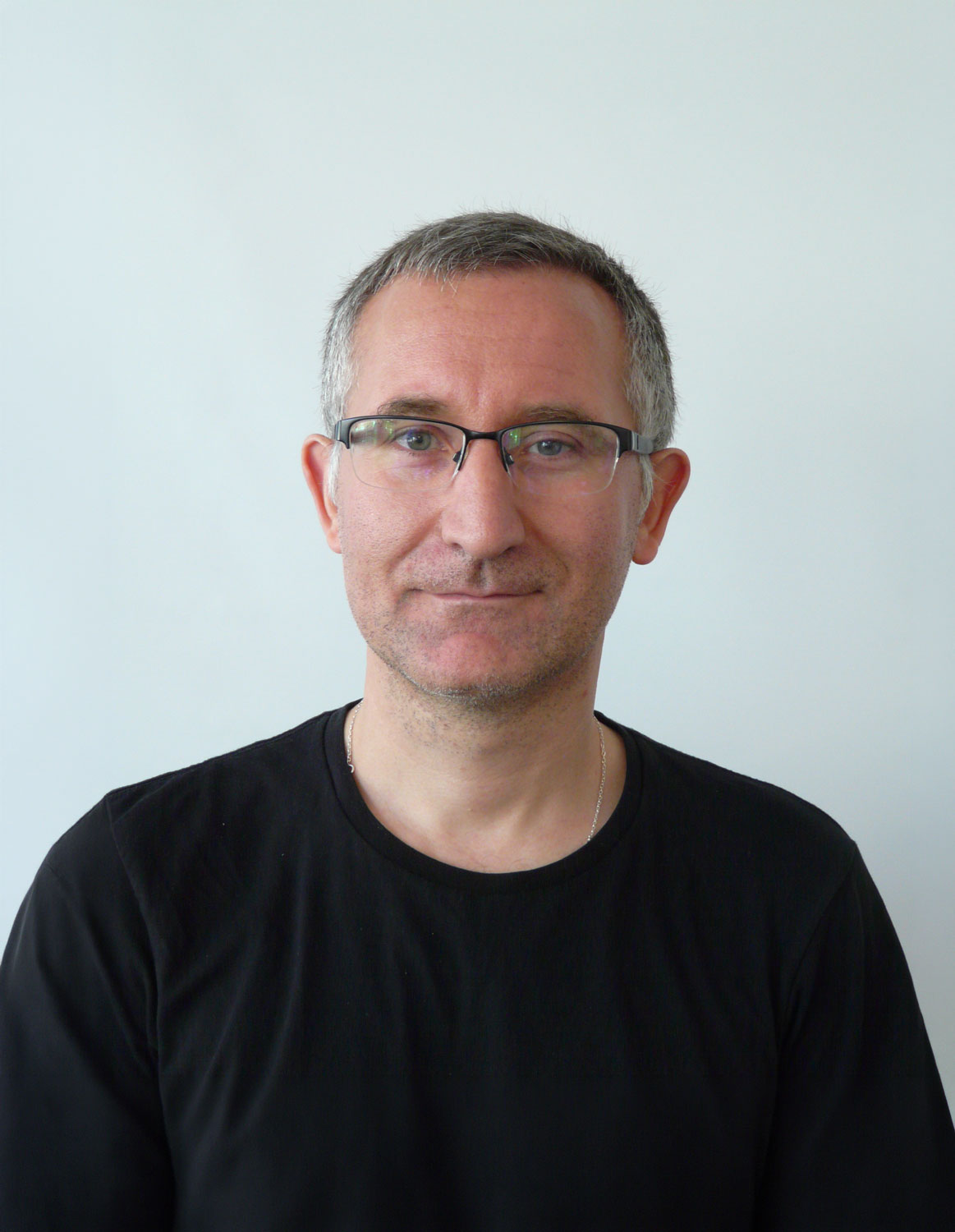
Bachelor’s degree in Chemistry in 2000 and PhD in Organic Chemistry in 2006, both degrees obtained at the University of Santiago de Compostela (Spain).
Between 2006 and 2011 I carried out a postdoctoral fellowship at The Scripps Research Institute (San Diego, USA). Upon returning to Spain, I worked at the Biomedical Research Institute between 2012 and 2017 as a Ramón y Cajal researcher.
Since 2018 I have been a research scientist at The Institute for Advanced Chemistry of Catalonia as a member and supervisor of the Chemical Biology group.
My current research interests include chemical synthesis and semisynthesis of proteins, C-terminal peptide/protein alpha-thioesters and selenoesters, and chemical ligation of peptides and proteins.
Francesco Colizzi earned his Bachelor’s degree in Chemistry and Pharmaceutical Technologies from the University of Bologna (UniBo), completing his master’s thesis in molecular modeling at ETH Zurich. He obtained his PhD in Pharmaceutical Sciences from UniBo (2009), with research in computational medicinal chemistry that included work at UCSF on the automation of molecular docking screenings (DockBlaster).
As a postdoctoral researcher at SISSA, he investigated RNA biophysics and developed computational procedures for RNA-based antibacterial drug discovery, supported by independent funding and a collaboration with the Université de Sherbrooke. After a sabbatical stay in Quebec (Canada), he joined IRB Barcelona as a Marie Skłodowska-Curie researcher, where he contributed to interdisciplinary studies in computational chemistry and biophysics, and developed enhanced sampling approaches to accelerate fragment-based drug discovery.
As a Ramón y Cajal researcher at the Institute of Marine Sciences (ICM-CSIC), he founded the Molecular Ocean Lab (https://molecularocean.csic.es/), integrating molecular simulations, artificial intelligence, and marine sciences, with a focus on plastic pollution, drug discovery, and molecular ecology. In 2022, he obtained a permanent position at CSIC and, since 2024, continues his research at IQAC-CSIC.
Francesco enjoys teaching and mentoring students from multiple disciplines, and actively participates in science outreach activities with educational centers, in addition to organizing educational and open science events in Barcelona.
Manage Cookie Consent
To provide the best experiences, we use technologies like cookies to store and/or access device information. Consenting to these technologies will allow us to process data such as browsing behavior or unique IDs on this site. Not consenting or withdrawing consent, may adversely affect certain features and functions.
Functional
Always active
The technical storage or access is strictly necessary for the legitimate purpose of enabling the use of a specific service explicitly requested by the subscriber or user, or for the sole purpose of carrying out the transmission of a communication over an electronic communications network.
Preferences
The technical storage or access is necessary for the legitimate purpose of storing preferences that are not requested by the subscriber or user.
Statistics
Storage or technical access that is used exclusively for statistical purposes.The technical storage or access that is used exclusively for anonymous statistical purposes. Without a subpoena, voluntary compliance on the part of your Internet Service Provider, or additional records from a third party, information stored or retrieved for this purpose alone cannot usually be used to identify you.
Marketing
The technical storage or access is required to create user profiles to send advertising, or to track the user on a website or across several websites for similar marketing purposes.